Wow, I can’t believe how fast 2025 flew by! This is my last review of the year. I hope you enjoy the read, and I’ll catch up with you all in 2026. Happy New Year!
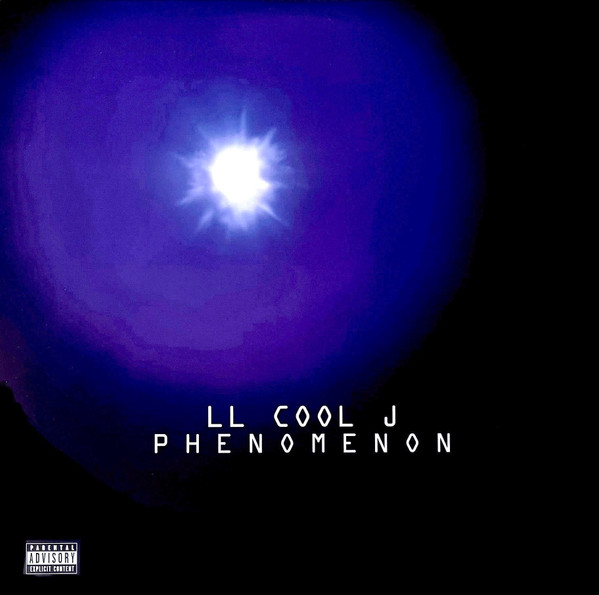
In today’s mainstream lexicon, the term GOAT gets thrown around way too often. If an actor gives one great performance in a movie, suddenly he/she’s a GOAT. If a ballplayer puts together a few good seasons, people are putting him in the GOAT conversation. If a rapper drops two hot singles, suddenly, the temporary buzz has him a part of the GOAT debate. GOAT status isn’t achieved overnight, but comes with longevity and a consistent body of work. LL Cool J coined the acronym to describe himself, and he definitely has the stats to back up his claim.
It’s been said that the Def Jam empire was built on LL Cool J’s back. From 1985 to 2008, he released thirteen albums on the label, and all but one of them (Exit 13) earned a gold plaque or better, with six reaching platinum status (Bigger And Deffer, Mama Said Knock You Out, and Mr. Smith all went double platinum). In 1987, he invented the rap love ballad with “I Need Love.” He has a handful of gold and platinum singles, a Billboard number one album (G.O.A.T.), a certified classic album (Mama Said Knock You Out), and enough classic records in his catalog to go toe to toe with any other rapper. Speaking of toe-to-toe, he’s also battle-tested, as he’s waged war with the likes of Ice-T, Kool Moe Dee, and Canibus. Then, when everybody thought his rapping career was over, he returned in 2024 to release the impressive comeback album, The FORCE (it’s probably my third favorite LL album). That’s a hell of a resume, and I didn’t even touch on his impressive acting career. In 1997, L was in the midst of his incredible run, releasing his seventh studio album (eighth overall, as Def Jam had released his greatest hits album, All World, in 1996), Phenomenon.
LL and the Trackmasters begin their musical relationship when the production duo produced the majority of L’s multi-platinum selling album, Mr. Smith. The relationship continues on Phenomenon as they’re credited with producing four of the album’s ten tracks. The Hitmen, Erick Sermon, L.E.S., Curt Gowdy, and Deven “Prestige” Vanderpool also receive production credits on the album. Phenomenon wasn’t as commercially successful as its predecessor, but it would earn Cool James another platinum plaque.
After 1993’s disappointing 14 Shots To The Dome, LL bounced back with the solid Mr. Smith album in ‘95. This review is my first time listening to Phenomenon in its entirety. Hopefully, it builds on the momentum of its predecessor.
Phenomenon – LL kicks off the album with the title track, which also served as the lead single. AMEN-RA of Puffy’s Hitmen loops up the bass line from Creative Source’s rendition of Bill Withers’ “Who Is He And What Is He To You?” for the backdrop. LL puts on his quiet storm voice, and rest assured, whenever you hear this tone, he’s rapping about some booty. He borrows a line from Melle Mel’s “White Lines” for the song title and hook as he turns on his player persona in pursuit of the panties (his opening line that mentions Pac, barely a year after his death, left me wondering if he had beef with the fallen rapper or just thought it was a clever line). This track was clearly groomed for crossover success and radio play, but I didn’t hate it.
Candy – L reminisces on a teenage love affair from the past that has now rekindled. Speaking of teenagers, Ralph Tresvant and Ricky Bell stop by to sing the hook, which includes a revamped portion of New Edition’s “Candy Girl” that they sang as squeaky-voiced adolescents. This was bad. LL’s bars are full of corny one-liners (my favorite being “In a world so sour, I got the sweetest love”), and Ralph and Ricky’s sappy contribution will make you want to laugh and vomit at the same time. I’m not completely upset with the Trackmasters’ flip of Alexander O’Neal’s “Sunshine” for the backdrop, though.
Starsky & Hutch – Todd Smith links up with Trevor Smith (aka Busta Rhymes) as the two play hot potato with the microphone for four minutes (based on the limited knowledge I have of the seventies television show that the song title is based on, I’d say Busta is Starsky and L is Hutch). Technically, the Smith boys’ bars were decent, but the whole record (including L.E.S.’s cheap, happy-go-lucky disco instrumental) felt like a bunch of contrived crossover bullshit. Pardon my French.
Another Dollar – Curt Gowdy (not to be confused with the legendary sportscaster) and Trackmasters are credited for this slickly brolic backdrop. LL channels his inner John “Goldie” Mickens (see The Mack) and spits flossy pimp shit all over the hard instrumental while Busta plays his hype-man. We, the listeners, become his audio hoes, falling for all his convincing game and bravado. I like this one.
Nobody Can Freak You – Shamelessly, LL tries to recreate the classic, ultra-sexy “Doin’ It” from Mr. Smith. He even brings LeShaun back to engage in more verbal intercourse. L & L turn their rhyme rumping into a threesome when Keith Sweat drops by to whine, or, um, croon the hook. This record misses badly. The Trackmasters’ instrumental is feeble, L and LeShaun’s exchange feels coerced (although her delivery of the “make your manhood shine like chrome” line did sound lustfully convincing), and Keith Sweat sounds more out of place than a Somalian at a Trump rally.
Hot, Hot, Hot – L spins a tale about an exotic hottie named Keisha, played by LeShaun (I swear, every brother has a Keisha in his past or present). What starts out sounding like another Ladies Love James player record ends up being a prostitution and escort prevention PSA with a cheesy Dr. Seuss-esque hook. L sounds right at home rhyming over D-Dot and AMEN-RA’s enjoyable Tom Tom Club loop, but his “positive” message was a little confusing, considering the pimp rhetoric he sprinkled all over the title track, “Another Dollar,” and “Nobody.”
4, 3, 2, 1 – This is the controversial Erick Sermon-produced posse record that would spark the beef between LL and Canibus. Along with yours truly, LL, the track featured the red-hot (at the time), usual cameo whore suspects, Meth and Red, a young and hungry DMX (RIP), and a ferocious lyricist who was hot as fish grease in ‘97, Canibus. Canibus’ original verse began with “Yo, Method, where the gods at? Redman, where the squad at? L, is that a mic on your arm? Let me borrow that.” The mic line was a reference to the microphone tattoo that L has on his left arm. LL wasn’t fond of Canibus’ request. In fact, he took it as a diss, which I think is ridiculous. Even more ridiculous was LL’s request to have Canibus redo his verse, omitting the “mic borrowing” line, to which Canibus obliged. But LL kept his verse, sonning Canibus in the process, and their war of words began. I like L bars on this record, but I still think Canibus had the strongest verse on the song. What do you think, and who do you think won the battle? Hit me in the comments.
Wanna Get Paid – LL shares three stories about three different street characters (Tyheem, JaQuan, and Yolanda), outlining their underworld follies and demises. He also invites his Queens bredrin, Lost Boyz, to take care of the hook and ad-libs. I can describe this record in three words: boring and uninspired.
Father – Trackmasters interpolate George Michael’s “Father Figure” for the partially dark, semi-emotional backdrop that LL uses to testify about the pain and turmoil he experienced as a kid, courtesy of his father and his mom’s boyfriend. To call this one a tearjerker would be an understatement. Thankfully, the gospel choir on the hook helps bring some kind of solace to L’s tormented testimony. I haven’t worked my way through all of LL’s catalog yet, but I’m sure this is the most personal and vulnerable he’s ever been on wax.
Don’t Be Late, Don’t Come Too Soon – Phenomenon ends with a hip-hop remake of Norman Connors’s smooth love ballad, “You Are My Starship.” Once again, LL’s trying to woo another past love interest back into his arms and bed with corny cliche love lines. Tamia plays his muse and sings the hook (hearing the ultra-clean-imaged Tamia sing “don’t cum too soon” felt weird and inappropriate). This was way too sappy for my taste buds.
LL Cool J may have coined the acronym GOAT, but Muhammad Ali was the first in modern-day history to proclaim himself as the greatest of all time. And like LL, he had the stats to back it up. He was an Olympic gold medalist, boasting a hefty fifty-six wins with thirty-seven knockouts. He won the World Heavyweight Title three times, defeated some of the best boxers of his era (including Sonny Liston, Joe Frazier, and George Foreman), and was a part of a handful of classic fights. He was just as much a champion outside the ring as he was inside. He was an activist who selflessly sacrificed his career (temporarily) to stand up for what he believed in and was a generous philanthropist. But in all his greatness, he still had five losses on his record. Phenomenon is another L for Uncle L.
The Trackmasters built their production legacy on sampling familiar seventies and eighties pop hits and turning them into easily digestible tunes. Along with Puffy’s Hitmen, they carry on the tradition for much of Phenomenon. Except for the Steve Arrington flip on “Nobody Can Freak You,” none of the low-hanging fruit samples sound terrible, but only a couple are worth listening to more than once. There are a few times (four to be exact) that Phenomenon’s production dares to delve outside of the quick pick sample realm, and that road is just as hit and miss as the former. Speaking of hit and miss, LL’s contribution is just as spotty as the production.
LL Cool J is one of hip-hop’s most charismatic emcees with a strong lyrical arsenal (which he displays glimpses of on Phenomenon) and an uncanny ability to adapt to hip-hop’s ever-changing terrain. His chameleon qualities have made him one of the few rappers able to make trendy, intentional pop records that feel genuine, and he’s done it for multiple decades. He’s never been afraid to show his tender side (as I mentioned earlier, he created the hip-hop ballad), and he spends a lot of time doing so on Phenomenon. I’m not opposed to love raps if they’re done tastefully, and Uncle L has provided us with several memorable ones (“Around The Way Girl,” “6 Minutes Of Pleasure,” “Hey Lover,” and “Loungin’,” to name a few), but he’s also given us some terrible ones to forget: “You’re My Heart,” “One Shot At Love,” and “Two Different Worlds.” This time around, his love records fall on the forgettable side, as they’re full of regurgitated, cheesy love cliches that sound inauthentic (those same attributes apply to “Nobody Can Freak Me”).
Sporting an ultra slim ten tracks, only about half of Phenomenon has any replay value. The vulnerable “Father” is the album’s crown jewel, and after that, there are only three other records, and a wild card, worth their weight in wax: “Another Dollar,” “Hot, Hot, Hot,” “4, 3, 2, 1,” and the title track, depending on my mood. Unless we’re talking three-point shooting percentages, fifty percent ain’t good, and the album definitely doesn’t live up to its title.
After a legendary run throughout the sixties and seventies, Muhammad Ali’s boxing career ended with two embarrassing losses in the early eighties. On October 2, 1980, he fought his former sparring partner, Larry Holmes, losing the Heavyweight Title by TKO in the eleventh round. And on December 11, 1981, he lost in a unanimous decision to Trevor Berbick. Ali was well past his prime in both fights. The lacklusterness of LL’s catalog post Mama Said Knock You Out has me wondering if he’s another GOAT that stayed in the ring way too long.
-Deedub
Follow me on Instagram @damontimeisillmatic


 Time Is Illmatic
This album is weird because while Trackmasters/LL had that radio/for the heads balance on Mr. Smith, LL seemed to fall into the sellout abyss on this album with the radio-ish singles and poppy production. ANOTHER DOLLAR and 4,3,2,1 are the only records (both dope; always thought X or Reggie [revenge for getting murked on Beasts] had the best verse on it; Canibus had a better verse than LL though) on Phenomenon that one could say is traditional in its approach. Even 4,3,2,1 was supposed to be (allegedly according to Erick Sermon) a poppy Trackmasters track before Sermon remixed it by his own admission, apparently copying the template for Busta’s Put Your Hands Where Your Eyes Could See yet still keeping it a “street” record. Albeit timeline-wise, the Busta single only came out a few months before Phenomenon (AUGUST; some mixtapes had it earlier in the summer).If one had to theorize, one could bet this record was rushed into production and heavily curated by Def Jam execs after records like HYPNOTIZE, CANT NOBODY HOLD ME DOWN, and MO MONEY MO PROBLEMS made their waves that same year (4321 was actually made to promote the DEF JAM 2000 campaign; Canibus was supposed to sign there, but didn’t). Sonically the Phenomenon song feels like LL getting his own Hypnotize with the bassy funky instrumental (since Hypnotize was also co-prod. by Amen Ra). A lot of the album has the BAD BOY vibe cause of the poppy Hitmen/Trackmasters production and while some of the tracks have a cool fashion show type vibe, it doesn’t feel genuine and too overtly processed. It was basically LL riding the jiggy wave like he rode the hardcore wave in 1993.
Even if the album wasnt well executed, some of the poppier tracks do have a vibe. Candy is kinda corny lyrically, but the beat is dope (you can admit it) and having New Edition is cool on there. That Wanna Get Paid track isnt really interesting lyrically (i like the lost boyz’ hook though) but Prestige’s backdrop has a somewhat cool retro vibe? It’s kinda dreamy. Most of the rest, nah.
Great point. The title track is clearly LL’s attempt at a “Hypnotize” (even down to the whispery sung hook). I always appreciate your commentary. Happy New Year!
Yep. While I dont mind that Phenomenon song either, that’s why ’97 is so interesting cause unlike other gradual shifts through hip hop, the Bad Boy influence was so sudden after those massive LAD and No Way Out hits (largely cause of the biggie and pac tragedies), the tsunami shift through the east coast was immediate. Especially since tracks like CANT NOBODY HOLD ME DOWN and ALL ABOUT THE BENJAMINS and even the NIGGAZ DONE STARTED SOMETHING posse cut from DMX’s first album were already on mixtapes as early as 1996 (about 2 years old by its official release on IDAHIH). The sonic shift was a swift undercurrent. Various producers and a lot of groups start disappearing or getting less work after 96/97 if they didnt change a little bit.
But thanks and Happy New Years to you too. May god bless you, your fam and friends. Definitely can’t wait to see the reviews you cooked for 2026.
“The mic line was a reference to the microphone tattoo that L has on his left arm. LL wasn’t fond of Canibus’ request. In fact, he took it as a diss, which I think is ridiculous.”
He took it the wrong way because after Canibus wrote that, he actually got a microphone tattoo on his arm too.
Now playing in my cd player the album Mama Said Knock You Out. My favorite LL Cool J song is Around The Way Girl. 🎤✌️
Mama Said Knock You Out is easily LL’s best album. Classic!