LL Coo J – 14 Shots To The Dome (March 30, 1993)

14shotsuntitled

1990’s Mama Said Knock You Out was both a commercial and critical success for LL Cool J, as he was able to appeal to the heads and the ladies to the tune of over 2 million records sold. He was already a bona fide rap star before its release, but Mama would take his star status to a different stratosphere, and open up the door for a pretty successful acting career as well. With such a monster album under his belt it would be hard for Cool James to top that, but he would try with his 5th release, 14 Shots To The Dome.

For 14 Shots To The Dome, LL would bring back the architect for Mama Said Knock You Out, Marley Marl, to produce half the album, and recruit west coast producers Bobcat and QD III to handle the other half. 14 Shots To The Dome did manage to earn LL a gold plaque (which for most rappers would be considered a success, but not for LL, whose previous 4 albums all sold platinum or better), but was met with underwhelming reception.

Let’s give 14 Shots To The Dome a listen and see if that underwhelming reception was warranted.

How I’m Comin ‘– This was the lead single from 14 Shots. Over an underwhelming Marley Marl backdrop (that sounds like he may have been trying to ape his own work on “Mama Said Knock You Out”) LL tries to convince the listener that he’s a thug force to be reckoned with, and drops some pretty terrible rhymes in the process (“you can call me r&b, only if it stands for rough brother…word to my grandmother”, “stick the steal in your mouth…buck, buck, buck, buck, buck, lights out!”, and there’s “here’s a hit you wish you had, a hit that makes you mad, a hit that makes you slap your dad” are just a few examples). I never liked this song, and twenty plus years later it sounds even worst.

Buckin’ Em Down – Our host continues his quest to prove to the listener that he’s a hardcore gun-toting emcee (*yawn*). I would have never guessed that QDIII produce this instrumental. I’m used to his backdrops being clean smooth grooves, but this one has a rugged feel to it. This song isn’t as bad as “How I’m Comin'”, but it’s still pretty weak.

Stand By Your Man – This was the fourth single, and it’s basically 14 Shots‘ version of  “Around The Way Girl”, only not any good. Marley hooks up a super generic low energy instrumental for LL who goes from being a thug on the first two songs to a sensitive understanding gentleman that uses this song to list the qualities he requires in his woman. Nothing could make me like this instrumental, but LL’s rhymes might have gone over better had he calmed down and spit it with more of an “Around The Way Girl” approach, instead of screaming them like this was “Mama Said Knock You Out”. The remix (which has the same lyrics as this mix and is also produced by Marley Marl) has a slightly more interesting r&b flavored instrumental, but is still not great. Random factoid: “Stand By Your Man” was nominated for the 1994 Grammy Award for Best Rap Solo Performance, but lost to Dr. Dre’s “Let Me Ride”. Rightfully so.

A Little Somethin’ – Marley Marl loops up a portion of King Floyd’s “Groove Me” for the backdrop, and Uncle L uses it to scream spew random rhymes, or as he calls it, do a little somethin’. Not a great song, but decent.

Pink Cookies In A Plastic Bag Getting Crushed By Buildings – This was the third single (and ironically, also the B-side to the “Back Seat” single) released from 14 Shots. Besides the song title, I’ve always found this song kind of weird. LL starts the song off by letting you know that the title is a metaphor for “making love” (or just having sex), which is kind of corny in and of itself. But things get even cornier when L begins to slip different rappers names into his rhymes as he tells the story about a chick he wants to smash, I mean, make love to. And Marley’s bland instrumental (yeah, I know he uses the same Emotions’ sample that Big Daddy Kane used for “Ain’t No Half Steppin”, but for some odd reason it doesn’t have the same energy as Kane’s record.) doesn’t add anything to what is already a weak concept and poorly executed song. Side note: The instrumental on the Easy Mo Bee remix (which was also used for the single) is actually really dope.

Straight From Queens – Marley hooks up a decent instrumental with a bouncy bass line and a slick horn loop. And LL’s in battle mode, as he tries out his new stutter style, that doesn’t quite work for me.

Funkadelic Relic – Our host recounts his introduction to hip-hop and takes us on a journey from the beginning of his career to where he was in 1993. Am I the only one that found it amusing that LL claims he was unhappy that “I’m That Type Of Guy” went pop? Dude, who you foolin’? . Even back in ’89 LL wasn’t a “pledge allegiance to the underground” type of rapper. Marley’s instrumental is pleasant, and the song winds up being pretty solid as well. It’s pretty interesting that LL could be considered a “hip-hop relic” at the tender age of 25.

All We Got Left Is The Beat – LL was never really known for being a socially conscious emcee, but he dabbles with it on this self-proclaimed “political groove”. Some of his content is decent, but some of his views are a little off interesting (like when he refers to working class black women as…token blacks?). Bobcat gets credit for the decent instrumental, but this song is still easily forgettable.

(NFA) No Frontin’ Allowed – Mr. Funke and DoItAll, better known as Lords Of The Underground, make the only guest appearance on 14 Shots, as they each get a verse sandwiched in between Uncle L’s two verses. Each of the parties involved does a solid job on the mic, matching the energy of Marley’s dope instrumental.

Back Seat – This was the second single released from 14 Shots. QD III gets his second production credit of the evening for this laid back poppish instrumental (that some of you might remember as the instrumental used on Monica’s breakthrough debut hit “Don’t Take It Personal (Just One Of Dem Days)”, a few years later) that Ladies Love uses to seduce his prey and get dirty in the backseat of his jeep. Easily the biggest hit from 14 Shots, but I’ve never cared much for this one.

Soul Survivor – Yet another instrumental I had no idea that QD III was responsible for. Like “Buckin’ Em Down” this one has a much more rough feel then I’m use to hearing from young Quincy. I’m not really a fan of this one, either.

Ain’t No Stoppin’ This – Bobcat gets his second production credit of the evening, and this one is a lot better than what he gave us on “All We Got Left Is The Beat”. He creates a high energy backdrop that LL continues to scream all over and spit below average rhymes on.

Diggy Down – I actually like Bobcat’s instrumental (that uses elements from the same Quincy Jones record The Pharcyde sampled for “Passin’ Me By”) on this one. The problem with this one is the extremely old school flow and elementary rhyming scheme that LL adopts. It sounds like something DMC would have rhymed back in ’84. I’m dead serious.

Crossroads – LL’s voice begins to succumb to the screaming that he’s done throughout 14 Shots (and his four prior albums) by the end of this apocalyptic themed closer. Bobcat’s production work on this one is actually really nice, and I enjoyed the choir singing on the hook, even if it was slightly amusing to hear them sing about “gettin’ jacked”.

There is no doubt in my mind that Mama Said Knock You Out is LL’s magnum opus and the apex of his rap career (without hearing Exit 13 or Authentic, I’m still very confident in that statement). He may have shown flashes of greatness from time to time on later projects, and definitely continued to find crossover success on the charts with intentional pop r&b love records, but it was pretty much down hill from there. 14 Shots To The Domemarks the beginning of the end for LL’s hip-hop credibility, and finds the once groundbreaking emcee trying to find his place in the hardcore gangsta rap era that was the early nineties. Cool James shouts his way through fourteen tracks, spewing unbelievable thug rhetoric, sub par bars and manages to sneak in a few corny love/lust songs for good measure. Some of Marley Marl and Bobcat’s production is enjoyable, but unfortunately most of the 14 shots fired from LL’s gun are blanks.

-Deedub


Posted in Uncategorized | 3 Comments

Boss – Born Gangstaz (May 25, 1993)

Through the years hip-hop has seen many acts come into the game blazing hot and shining bright, only to fade away like the traces of smoke left in the air after a firework’s explosion. Not many have shined as bright, blazed as hot, and faded away as quickly as the subject of today’s post. Ladies and gentlemen, I present to you, Boss.

Years before Eminem would become a hip-hop icon and represent for his hometown of Detroit, The female emcee Boss (along with her partner in rhyme/deejay, Dee) would put Detroit on the proverbial hip-hop map. Though Boss was originally from Detroit, her rap career wouldn’t get a spark until she moved from Detroit to Los Angeles, where she was discovered by DJ Quik, which would lead to her making a cameo on Quik’s homeboy, AMG’s song “Mai Sista Izza Bitch”. This cameo caught the attention of a few different labels, including Def Jam co-founder Russell Simmons, who quickly signed Boss to the Def Jam West imprint where she would release her debut album Born Gangstaz .

As the album title suggest, Born Gangstaz would be filled with gangster tales and backed with production from some respected names in the game (that we’ll get to shortly). The album received favorable reviews and moved a decent amount of units. The album’s sells seemed to stall after an interview Boss did with the Wall Street Journal came out, which had Boss speaking about her middle-class-two parent-home-private-school-going-tap-dance-lesson-taking-upbringing. Of course, many begin to believe she was a fraud since she came from a sheltered life and spewed gangster themes. Yes, Lichelle “Boss” Laws was from Detroit, but not the tough hood she talked about throughout Born Gangstaz . Boss claimed that after she and Dee moved to L.A. they lived in the hood where they sold drugs to survive for a while. But even if Boss’ gangster bars were lies and her drug dealing stories are a farce, how many of your favorite gangster rappers actually lived the life they talk about in their rhymes? Furthermore, Born Gangstaz is punctuated with a tongue in cheek intro and outro that feature Boss’ parents mentioning the proper upbringing they gave their daughter and their disappointment in the gangster lifestyle she claims to live on the album. So to the critics (and so-called fans), I pose the question Jay-Z once asked: “Do you fools listen to music or do you just skim through it?”

Born Gangstaz is Boss’ only album to date, as she was dropped from Def Jam and never resigned to another label. She would go on to have a son, move to Texas where she hosted a radio show for a few years, and later became sick with kidney issues, and even after a successful transplant she has continued to have health issues through the years.

Intro: A Call From Mom – Like I mentioned above, Born Gangstaz opens with Boss’ explicit voicemail greeting coming on, and her appalled mother clutching her pearls as she leaves a message expressing her disgust with Boss’, I mean, Lichelle’s, vulgar language, which she finds unacceptable since Boss, I mean, Lichelle, took tap dance lessons, went to a private school, and college. The intro kind of lightens the mood, and served as a reminder to the listener that Born Gangstaz is strictly for entertainment.

Deeper – This was the lead single from Born Gangstaz . Def Jef loops up a portion of Gwen McCrae’s  “90% Of Me Is You” for the smooth backdrop, as our host gets introspective and confronts her inner demons. Right off the bat Boss proves that she can spit. And her skills and dope voice over this sick backdrop make for a classic record.

Comin’ To Getcha – Erick Sermon gets his first of two production credits on Born Gangstaz on this one. The backdrop has the green-eyed bandit’s signature muffled rumbling bass line and funk written all over, and Boss uses it to send out violent threats to anyone in earshot. I wasn’t the biggest fan of E-Double’s production post EPMD’s first break-up. Yeah, he managed to create some dope instrumentals, but a large portion of his production work during that timeframe ranged from mediocre to trash. This one falls in the former category.

Mai Sista Izza Bitch – This is the AMG record Boss made the cameo on that ultimately got her signed to Def Jam West (it was originally released on AMG’s 1991 album Bitch Betta Have My Money). Boss uses the first two verses of the song to try to take the sting out of the word “bitch”, before AMG comes in on the third verse and completely unravels everything she was trying to accomplish. The instrumental (which is also produced by AMG) is cool, but the song’s concept and content are weak.

Thelma And Louise – This interlude references the early nineties movie that starred Susan Sarandon and Geena Davis as two outlaws on the run. The interlude has Boss and her sidekick Dee, involved in a shootout with police, before going into the next song…

Drive By – Boss’ deejay, Dee, makes her first appearance on the mic on this one. Someone going by the moniker of Stone Tha Lunatic (the newest candidate for worst moniker of the year) gets credit for the mediocre backdrop for what starts off sounding like Dee will be doing this drive-by solo, then Boss interrupts Dee on the song’s final verse to lend a helping hand. Because any fool knows the key to a successful drive-by is having an accomplice. Somebody has to drive while the other party shoots, right?

Progress Of Elimination – This was the third single from Born Gangstaz , and a song that I completely forgot about. Def Jef hooks up a fast paced high energy instrumental that Boss uses to discuss her progression in the drug game by eliminating her competition, which she even considers to be her own team. Jef’s backdrop is a monster, and Boss rides it like a veteran jockey on a horse. This was dope.

Livin’ Loc’d – Sticky Fingaz (from Onyx) drops by to add some adlibs and energy to the chorus (and call our host a bitch, here and there), as Boss boasts about her gangster lifestyle. Chyskillz and Jam Master Jay get credit for the decent backdrop, but you’ll probably forget about this one as soon as it’s over.

Recipe Of A Hoe – This was the second single from Born Gangstaz . Boss attempts to flip the gender roles on this one, as she calls out the dudes that will stick their dick in any warm and wet vagina (hell, it can be cold and dry too) they can get their hand on. Nice try, but it still doesn’t have the same effect as a man calling a woman a hoe. The real star of this one is Mic Professah who hooks up a brilliantly bluesy backdrop (tongue twister mucher!).

A Blind Date With Boss – Corny interlude.

Catch A Bad One – More violence verses from Boss and Dee over an average Def Jef produced instrumental.

Born Gangsta – It’s always nice when the title track (well, sort of title track…it is missing a “z”) of an album bangs. Thanks to a dope bouncy instrumental courtesy of AMG, Courtney Branch and Tracy Kendrick, this song does just that. Boss sounds dope spittin’ over it, while her partner in rhyme shows why she shouldn’t quit her day job.

1-800-Body-Bags – Interlude.

Diary Of A Mad Bitch – She pump faked us on “Drive By”, but this one is really a Dee solo joint. I’m not sure how skilled of a deejay Dee is, but she’s not that nice on the mic. To make matters worse, she does this annoying stuttering/tongue rolling thing periodically throughout her rhymes (and not just on this song…she does it on each and every one of her verses on Born Gangstaz ). If it’s some sort of speech impediment, my bad. But if not, that shit ain’t cool. MC Serch and T-Ray (who also produced some tracks on Funkdoobiest’s Which Doobie U B?) get the credit for the instrumental, which isn’t stellar, but decent.

2 To Da Head – Boss and Dee do more hardcore shit talking on this one. On her second verse, Dee refers to Boss as a gang, which is confusing since I thought Boss was an individual and Dee was her deejay. I’m starting to wonder if they themselves didn’t think that one through all the way, and were kind of figuring it out along the way. Erick Sermon gets his second and final production credit of the evening, and everything I said about his work on “Comin’ To Getcha” applies to this song as well.

I Don’t Give A F*ck – So, just in case the rest of the album didn’t convince you of how gangster the duo are, Boss and Dee figured they’d end the album giving everyone and everything the middle finger. Serch and T-Ray come together again for their second production credit on Born Gangstaz , and like their work on “Diary Of A Mad Bitch”, it’s only middle of the road.

Outro: A Call From Dad – The album ends with a voicemail from Boss’ dad, who like her mom on the intro, shows disdain for Boss’ foul mouth voicemail greeting, before telling her to call him, and hilariously, thanking her for the Rolex that her filthy mouth lyrics helped pay for.

If Born Gangstaz was a five song ep it would be a nearly flawless project. But it’s not. It a 17 track (when you count the intro, outro and interludes) full length album that misses way more often than it hits. There is no question that Boss can spit. The problem is her (and her unimpressive partner in rhyme (and crime)) gangster rhetoric and posturing becomes redundant by the midway point of the album. When you add the mediocre production to the equation, the end result is a less than stellar debut album. But I am still curious to what a sophomore project from the Boss would have sounded like.

-Deedub


Posted in Uncategorized | 2 Comments

Funkdoobiest – Which Doobie U B? (May 4, 1993)

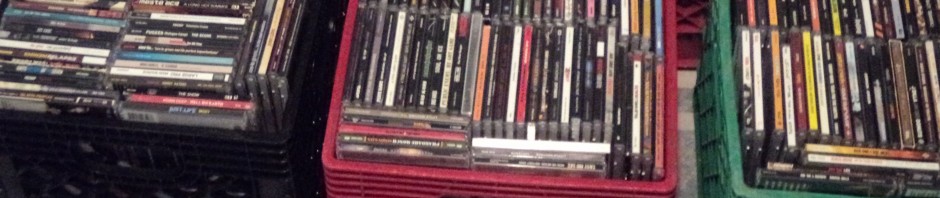
New addition to the collection. Man, May 4 1993 was a busy release day for hip-hop! Place this one right after Total Devastation.

I consider myself to be a true hip-hop head and somewhat of a hip-hop historian as well. So there are some groups that I’m not really a fan of, but when I come across some of their albums for a few bucks at a used music store, the historian in me forces me to buy them. Prime example of this impulse is today’s write-up on Funkdoobiest.

Funkdoobiest is the Los Angeles based trio consisting of lead emcee, Son Doobie, his right hand man Tomahawk Funk, and the group’s deejay/producer, DJ Ralph The Mexican (which is both a mouthful to say and a very corny moniker), who occasional goes under the alias of Tribal Funkster (which is the alias written by his picture in the liner notes). They were DJ Muggs’ (of Cypress Hill) protégés and part of his larger collective, Soul Assassins. Thanks to their relationship with Muggs, who was quickly building his brand as a respected producer by 1993, Funkdoobiest were able to score a deal with the independent label Immortal Records (with distribution from Epic) and released their debut album Which Doobie U B? in the spring of 1993.

Which Doobie U B? would feature production by DJ Ralph The Mexican, fellow Soul Assassins affiliated, T-Ray and the Doobies mentor of course, DJ Muggs. The album wasn’t a commercial success but it did receive favorable reviews.

Hopefully, Funkdoobiest can help TimeIsIllmatic start 2017 off on a good note. Happy New Year peeps!

The FunkiestWhich Doobie opens with a decent semi-dark Muggs instrumental that has Son Doobie rockin’ the mic solo. Interestingly, when I used to freestyle back in the day I would often say “action packed rhymin’ like Simon and Simon” (anybody remember that show?), and had no idea I was biting borrowing one of Son’s rhymes from this song. Hell, I didn’t even know I knew any of Funkdoobiests’ records. Muggs’ instrumental uses a shrieking loop that sounds very similar to the one that can be heard on “Jump Around,” which probably isn’t a coincidence, considering Muggs also produced that song. Decent start to the evening.

Bow Wow Wow – I believe this was the lead single from Which Doobie. The Muggs instrumental sounds like he was trying to recreate “Jump Around” with an “Atomic Dog” twist. Basically, it’s trash. Son Doobie rolls solo again and sounds like he’s freestyling with corny rhymes like “I’ll put you in my trunk like a goodfella, I’m a gut spilla, yeah I’ll get retarded like Helen Keller” and “then do the polka, I’m iller than the joker.” This one is garbage.

Freak Mode – DJ Ralph The Mexican (who I’ll only refer to as DJ Ralph M from this point on during this post) gets his first production credit of the night, and even spits a verse in between Son’s verses. Unfortunately, Ralph doesn’t make a good first impression, since his instrumental is just as mediocre as his verse.

I’m Shittin’ On ‘Em – Long before Nicki Minaj decided to squat and relieve herself on her competition, Son Doobie did it. By this point it’s clear that Son is not a great lyricist, but he sounds decent rhyming over T-Ray’s drunken piano loop driven instrumental (that uses the same Joe Williams’ “Get Out of My Life” sample used on Kool G. Rap’s “Ill Street Blues”). This is definitely an improvement from the previous song.

Who’s The Doobiest – Where is the question mark in the song title, boys? Speaking of question, I got one for Son: why the random diss of Deney Terrio? This song is hot garbage. And not just because he dissed Mr. Terrio.

Doobie To The Head –  This is easily my favorite song on Which Doobie. DJ Ralph M lays down a smooth laid back funk groove (complete with a nasty well placed horn loop on the hook) for Son and Tomahawk Funk to rhyme over. Neither emcee says anything worth quoting, but the instrumental was brilliant.

Where’s It At – That’s what I asked when I saw the title wasn’t punctuated with a question mark. But a question mark is the least of this songs troubles. This song is trash.

Wopbabalubop – B-Real stops by to join Son Doobie and Tomahawk as they rhyme over what may be the most generic and boring loop in the history of hip-hop. Not even B-Real or the Little Richard vocal loop on the hook can save T-Ray’s terrible instrumental.

The Porno King – This was kind of a weird (or useless) interlude. I guess the trio wanted you to know how much they adore porn. Moving on…

‘Uh C’mon Yeah! – You might not like it after the first few listens, but the DJ Ralph M instrumental will grow on you in time. While the instrumental might grow on you, Son Doobie’s useless rhymes will not.

Here I Am – Tomahawk Funk waited nearly the whole album for his solo joint and then squanders the opportunity with mediocrity. DJ Ralph M hooks up a decent instrumental that has a bit of a tribal feel to it, but Tomahawk spits underwhelming rhymes and quickly becomes annoying with way too many mentions of his tomahawk.

Funk’s On Me – Son Doobie ends Which Doobie with yet another lackluster solo joint. And DJ Ralph M was kind enough to match Son’s lacklusterness with a forgettable instrumental. Thank God this is the final song of the evening!

After listening to Which Doobie U B? over the last few weeks, I’m very thankful that I didn’t waste my hard-earned money on this album as a kid, and it also proves that snap judgements can be accurate. Son Doobie, who is the chief emcee (and I use the term “chief” loosely) of Funkdoobiest, sounds like a poor man’s B-Real mixed with Das EFX and Everlast, circa his House of Pain days, only less skilled and entertaining. His sidekick Tomahawk Funk only appears on a handful of songs and isn’t even worth wasting words on. The production on Which Doobie U B? is pretty cohesive, but cohesion isn’t always a good thing, especially in this case. With a few exceptions, DJ Ralph M, T-Ray, and surprisingly, DJ Muggs weave together lazy uncreative loops that lack energy and will leave you bored as shit listening to them. Based on Which Doobie U B? there is really no legitimate reason why Funkdoobiest should even exist in hip-hop, as they bring no real value to the genre. Hopefully they got better on their next few albums, but I highly doubt it.

-Deedub


Posted in Uncategorized | 2 Comments

Big Daddy Kane – Looks Like A Job For… (May 25, 1993)

lookslikeajobfor

No need in beating around the bush. Big Daddy Kane’s Prince Of Darkness was a hot mess. The mighty Kane seemed to have surrendered his crown and forsaken his core following in an attempt to increase his panty count. And based on the album sales, the ladies were just as unimpressed with the album as the heads. Fast-forward to 1993, and Big Daddy Kane would return with a chip on his shoulder for his fifth album Looks Like A Job For….

Like Prince Of Darkness, Looks Like A Job For would have Kane handling a portion of the production, but he would also get help from some well-respected producers in the game (that we’ll discuss in detail later). But even with the respected producers and Kane’s replenished hunger, Looks Like A Job For still didn’t move a ton of units, even though it did receive favorable reviews.

Let’s revisit Looks Like A Job For and see if Kane could reclaim the crown and continue his reign. You like that, right?

I hope you all had a Merry Christmas and/or are having a wonderful Hanukkah and Kwanzaa. Happy New Year!

Looks Like A Job For… – Over a semi-rough TrackMasterz produced instrumental, Big Daddy Kane swoops down like a superhero to safe hip-hop, regain his street cred and prove he’s still one of the illest to ever rock a mic. I’m not sure about the first two objectives, but he definitely meets the last one.

How U Get A Record Deal? – This was the lead single from Looks Like A Job For The TrackMasterz get their second consecutive production credit, giving Kane a dope dark backdrop (which completely goes against the poppish grain that they are known for) for Kane to rip to shreds. Wait. Did he really just dis Kriss Kross?

Chocolate City – Things take a turn for the worse, as Kane invites his back-up dancers (Scoob and Scrap) and his little brother (Little Daddy Shane) to join him on the posse cut. The DJ Clash/Robert Brown concocted backdrop is trash, but Kane still manages to rip it to shreds. Unfortunately the rest of the parties involved can’t spit worth shit. And by the way, his boy Laree Williams (who adds some misguided adlibs at the end of the song) might have the most annoying singing voice in the history of music.

Prelude – Kane was definitely aware of the naysayers that thought he fell off and that his reign was over. Over a simple hand clap, Kane spits one hard verse to address those who think he went soft, and sends shots at the fake tough guys and studio gangsters. His verse sets up and goes directly into the next song…

The Beef Is On – Even with all of his love raps over the years, I’ve never considered Kane to be a “soft” emcee. His deep baritone and sharp lyricism have always gave him a hard edge. But he’s definitely not a gangster. He spends the length of this song trying to convince the listener (and the naysayers mentioned in the previous song) that he’s hard, and ironically becomes the studio gangster he talked about in the previous song. Kane’s self-produced instrumental rings just as hollow as his gangster rhymes.

Stop Shammin’ – Easy Mo Bee is a producer who’s not often talked about, but has quietly put together a pretty impressive production resume. He slides Kane a dope moody instrumental that he uses to tell suckas to stop frontin’. During the second verse Kane makes a weird comparison, as he criticizes black people for donating money to finding a cure to cancer (Leukemia, to be specific) and not giving money to…the Nation of Islam? Wtf? What does one thing have to do with the other? Regardless of Kane’s inane comparison, the song is still pretty dope.

Brother Man, Brother – For the second consecutive Big Daddy Kane album, his little brother, Little Daddy Shane, joins Kane for a duet. Cool V’s instrumental is decent, and so are Kane’s rhymes, but Shane should not be rapping, especially next to one the greatest emcees of all time. Not even blood should allow that to happen.

Rest Peace – Easy Mo Bee gets his second production credit of the evening. For this one he hooks up a modest backdrop that Kane demolishes with ease. This was simple, but dope.

Very Special – What would a Kane album be without a corny love song? He invites Spinderella (the “DJ” for Salt N Pepa) to join him on this duet, as they exchange cliché love phrases and generic metaphors and similes on this remake of Debra Laws’ “Very Special”. Kane is also responsible for the trash instrumental, and Laree Williams and Karen Anderson provide some borderline annoying vocals to the hook (and the adlibs they add at the end of the song are bad enough to make you skip to the next song). Bad rap and r&b at its finest.

Here Comes Kane, Scoob And Scrap – Kane again invites his back-up dancers, Scoob and Scrap, to join him on this cipher joint, as they get a chance to redeem themselves from their underwhelming output on “Chocolate City”. Kane sounds solid, but Scoob and Scrap once again disappoint and make it clear that they should stick to their day job (or night job) dancing. And Easy Mo Bee’s third contribution of the evening is butt.

Niggaz Never Learn – The legendary Large Professor stops by to slide our host an understated gem of an instrumental (which includes a portion of the same Five Stairsteps loop that Brand Nubian used on “Steal Ya’ Ho”). Kane drops two very impressive verses and makes it seem as easy as Sunday morning.

Give It To Me – This is probably my favorite song on Looks Like A Job For. Mister Cee loops up a Pleasure loop and turns it into a beautiful backdrop, as Kane nonchalantly boasts about being a lady’s man while simultaneously trying to talk the ladies out of their panties. I would love to see the names on Kane’s hit list during his hey day. It must be pretty impressive.

‘Nuff Respect Due (Remix) – The original version of this song was one of many excellent joints on the nearly flawless Juice Motion Picture Soundtrack. The song uses the same lyrics as the original, but swaps out the brilliant Hank Shocklee/Gary G. Wiz instrumental for a more stripped down Easy Mo Bee backdrop. I’ve never liked this remix and still don’t.

Finale – Over a funky little diddly of a beat (that Kane produced), Kane gives his shout outs before gettin’ the hell out of Dodge.

The criticism Kane received for being too soft on Prince Of Darkness certainly affected him, as this time around he keeps the corny love ballads to a minimum (see “Very Special”), and at times goes overboard to prove he’s got street cred (see “The Beef Is On”). While most of Kane’s own production work fails, the Trackmasterz, Easy Mo Bee and Extra P balance the album out with pretty solid backdrops. Lyrically, Kane reminds me of Jordan in his last two years with the Washington Wizards: not his best output, but still better than 90 percent of the league. Looks Like A Job For is definitely an improvement from the debacle that was Prince Of Darkness, but still far from great.

-Deedub


Posted in Uncategorized | 5 Comments

The Roots – Organix (May 19, 1993)

Over the years hip-hop has given the world a bunch or really dope groups: De La Soul, EPMD, Brand Nubian, Gang Starr, and Outkast, just to name a few. I’m pretty sure I’ve mentioned several times while doing this blog that A Tribe Called Quest is my favorite hip-hop group of all time. In an industry filled with gangster posturing and tough guy talk, I’ve always loved and appreciated their common man/introspective brand of hip-hop. But if ATCQ is my favorite group of all time, The Roots are a close second.

The Roots (who originally called themselves The Square Roots, but later dropped the “Square”, as another band was using the name) original started with only two members. Ahmir “Questlove” Thompson and Tariq “Black Thought” Trotter, met in the late eighties while in high school in West Philly. As Questlove explains in his memoir Mo” Meta Blues (which is a good read for any of my book lovers out there), he and Thought came from two completely different backgrounds (Quest grew up in a sheltered Christian two parent home, while Thought was a bastard street kid), but Quest’s respect for Thought’s virtuoso rhyming ability, Thought’s respect for Quest’s skillful drumming, and their love of hip-hop, gave the two a common ground to build their relationship and music on. Eventually the duo started performing together on the streets of Philly with Quest drumming on a bucket and Thought rhyming over his rhythms. Over time the duo would add more pieces to their street band (including Scott Scorch, Leonard Hubbard and real instruments), got serious about the music and begin to seek a record deal. Eventually the group made some connections and got the opportunity to do a bunch of shows in Europe. They decided it would be a good idea to record an album that they could sell as merch at these shows, and called the album Organix (the release date is probably not correct, since according to the liner notes, one of the songs on the album (“Essawhamah?”) was recorded live on May 19, 1993. So, I doubt they recorded that song live, went back to the studio for mixing and mastering of the entire album and pressed up the tapes and cd’s all in the same day. Since I wasn’t able to verify the release date anywhere else, I’m rollin’ with Wikipedia’s date. Sorry Ed.). Organix caught the ears of a few labels, which eventually led to them signing a deal with DGC/Geffen Records.

I’ve followed The Roots since their Geffen debut Do You Want More?!!!??! in 1995, but didn’t become hip to Organix (or even know it existed) until well after the new millennium. Thanks to Cargo Records, Organix was re-released in 1998 for fans around the world to buy and listen to the humble beginnings of the legendary Roots crew. Lets listen to it together, shall we?

The Roots Is Comin’ – Organix opens with a simple and melodic mash-up, and a young Black Thought giving us a glimpse of the raw emcee potential that he would soon master.

Pass The Popcorn – Questlove (who sounds like a poor man’s Trugoy from De La Soul on this one) and The Roots’ buddy, Kid Crumb join BT on this mini-cipher joint. And Thought easily raps circles around his less polished compadres (he even comes back and spits a second and final verse, almost as to rub it in their faces). Quest and company’s live instrumentation isn’t great, but decent enough.

The Anti-Circle – The title is kind of clever, considering when this song was recorded they were calling themselves The Square Roots. Over a funky mash-up Black Thought shows more of his blossoming emcee abilities. This was pretty dope.

Writers Block – Over a mediocre instrumental, Black Thought spits a short spoken word piece. He’s definitely more effective as a spitter than as a spoken word artist.

Good Music (Preclude) – Thought spits a quick animated verse over some Questlove drums, which leads into the next song…

Good Music – Thought’s animated rhymes are all over the place (Kid Crumb makes a brief contribution to Thought’s final verse), but the smooth instrumental lives up to the song’s title.

Grits – “Grits” is The Roots’ slang word for “skinz”, which didn’t really catch on or stick (no pun intended). Malik B (who would soon become Robin to Black Thought’s Batman on The Roots’ next album), Mr. Greene and Possey Plant join Thought as they playfully brag about the amount of grits they get, and poke fun at each other about their lack of grits consumption. The band hooks up a decent enough backdrop, and this ends up a being a cute little record, I guess.

Leonard I-V – The Roots hook up a moody backdrop that Thought flips all over (“and I believe it’s destiny that I got put, in a position to throw lyrics like a shot put, yo, no matter the circumstance, Thought can always make you dance, like ya got the hibbie-jibbies or a hot foot”). The song title must be an inside thing, but this is probably my favorite song on Organix .

I’m Out Deah – If you first became familiar with The Roots from their second album Do You Want More?!!!??! (like myself), than you may recognize the dope after hours jazz groove on this one from the intro on their sophomore effort. Black Thought rips the shit out of it, showing more glimpses of the rhyming virtuoso he would soon become.

Essawhamah? (Live At The Soulshack) – This was also included on Do You Want More?!!!??!. Well sort of. The mash-up is slightly different, and Thought’s rhymes and skats are different. Must be a spontaneous thing they improvised at live shows, and according to the liner notes this version was recorded at a show in Slovenia, Yugoslavia (which the liner notes in Organix misspell as “Ugoslavia”).

There’s A Riot Going On – Short interlude of someone snoring. I’m not sure what the hell this was about, but whatever.

Popcorn Revisited – As the title suggest, this kind of works as a remix to “Pass The Popcorn”. Questlove and company provide a hard instrumental with a menacing bass line. Thought rolls solo with the rhymes, as he regurgitates his first verse and Questlove’s verse from the original, before adding a new third verse. This was okay.

Peace – Another Black Thought spoken word piece that I could do without.

Common Dust – The hook would lead one to believe that this song is about the frailty of man, but Black Thought and Kid Crumb’s rhymes are so abstract I’m not sure what they’re rapping about. I love The Roots instrumental work on this one, though. Especially Chuck Treece’s sick guitar licks.

The Session – The Roots invite their extended Philly family and crew, known as The Foreign Objects, to join them on what may be the longest posse cut in the history of hip-hop, as 10 different emcees (AJ Shine, Lord Akill, Mr. Manifest, Shorty (the female emcee who I first became familiar with on a few contributions she made to De La Soul’s Buhloone Mindstate, which was also released in ’93, and I’ll be covering it in the near future), Myself(??), Possey Plant, Mr. Armstead (whose alias I can’t quite make out in the introduction), Malik B, Questlove and Thought) grace the mic on a cipher that goes on for nearly thirteen minutes (12 minutes and 43 seconds to be exact, which The Roots felt the need to document in the liner notes). Unfortunately none of the emcees really impress (including Black Thought) and the instrumental is drab, so it makes the thirteen minutes a pretty painful listen.

Syreeta’s Having My Baby – Again, the title must be and inside thing (unfortunately at this point Questlove wasn’t putting detailed info for each song in the liner notes, so the listener is left in the dark to the meaning). It’s basically a short and decent instrumental mash-up.

Carryin’ On – Over an instrumental that sound suited for the circus, Black Thought and company end Organix with a little horse-play. And we’re done.

Like I mentioned in the intro, my introduction to The Roots was their sophomore album Do You Want More?!!!??! back in 1995. And that is an album I still hold in high regard today. I didn’t purchase Organix until about 8 years ago, and when I initially listened to it I thought it sounded amateurish compared to the rest of their catalog, so I kind of wrote it off as trash. Fast forward to today, and after several listens the past few weeks, I’m changing my story. Do You Want More?!!!??! set the standard high. And even though the grooves aren’t as tight, at times it sounds too experimental, and Black Thought (who in my opinion is the most underrated emcee of all time and deserves a spot on your top 10 list…yeah, I said it!) was still a little wet behind the ears as an emcee, there are some bright moments on Organix , even if you have to dig a little deeper than usual to find them. No, Organix is not (even close to being) a great album, but it does serve as the foundation and a historical reference point for one of the greatest hip-hop groups, and the greatest hip-hop band, of all time.

-Deedub


Posted in Uncategorized | 2 Comments

Digable Plantes – Reachin’ (A New Refutation Of Time And Space) (February 9, 1993)

After writing up my last post on Guru’s Jazzmatazz: Vol. 1 and beginning my assumed next post on The Roots debut album, Organix, all this jazz influenced hip-hop made me think about the subject of today’s post (Well, listening to Organix actually made me think about them, since The Roots make reference to them at least twice on that album). I’ve had the album in my collection for years, so I did some date checking and found that I wrote the wrong release date on my spreadsheet, which isn’t the first time and I’m sure won’t be the last. You can file this one right after Apache’s Apache Ain’t Shit.

When it comes to jazz infused hip-hop it’s fair to say the A Tribe Called Quest fathered the style (I know they weren’t the first group in hip-hop to sample jazz records, but no one did it as consistently, skillfully or was more impactful with the style than ATCQ, and I’m sticking to my story). As the nineties continued many more groups surfaced using jazz flavored production reminiscent of ATCQ. Seemingly out of know where, the Digable Planets were one of those groups to arrive on the scene.

While none of the true three members in Digable Planets are from New York (the group’s founder and chief emcee, Butterfly is from Seattle, Doodlebug is from Philly, and Ladybug Mecca is from Maryland by way of Brazil) the group’s birth is rooted in Brooklyn (Check out Brian Coleman’s Check The Technique for in-depth detail on the groups beginnings and formation). I say true members in the last sentence, because the group had a few different line ups prior to finalizing the roster and signing their deal with Pendulum in 1992 and releasing their debut album, Reachin’ (A New Refutation Of Time And Space) in early 1993.

The liner notes make it clear that Butterfly is the brains of the operation on Reachin’, as it reads the album was “conceived, freaked, arranged and produced” by him. It was also Butterfly’s idea to have each member take on a moniker of an insect, which tied in to some of his socialist/communist ideology that the group should “work together for the good of the colony”(shout out to Bernie Sanders). Thanks in large part to their smash hit lead single (that we’ll get to shortly) Reachin’ earned the trio a gold plaque (for both the album and the single) and a Grammy. Despite the groups commercial success, Digable Planets did catch some criticism from some of their peers who thought their jazzy-hipster brand of hip-hop was too soft (most notably, the highly respected god emcee KRS-One).

It’s not often that a commercially successful album matches is critical acclaim, but it does happen from time to time.

It’s Good To Be HereReachin’ opens with a smooth instrumental that falls somewhere in between laid back and mid-tempo. The trio use it to celebrate their arrival to planet earth (the album’s running theme is that the DP’s are from outer space, which is supposed to explain (or justify) their abstract rhyming styling), and the opportunity to bless the mic and share their music with the world. Nice start to the evening.

Pacifics (From The Soundtrack To The Motion Picture N.Y. Is Red Hot”) –  Butterfly goes dolo on this one (well, for the most part…Ladybug and Doodlebug make a very brief appearance during the second verse), as he describes the happenings of the wild Brooklyn neighborhood he lives in. Butterfly’s rhymes are cool, but his backdrop is brilliant. Random factoid: This was not including on the soundtrack for “N.Y. Is Red Hot”. Matter of fact, the movie doesn’t even exist. Butterfly just thought it would make the song title sound iller. I can’t say that it made much of a difference, but whatever.

Where I’m From – This was the third single released from Reachin’ . Butterfly hooks up a smooth loop from K.C. And The Sunshine Band’s “Ain’t Nothing Wrong” (the same one DJ Quik used for 2nd II None’s, um, “Ain’t Nothin’ Wrong”) for the backdrop, and the DP’s each give you a verbal glimpse of where they come from. This was dope, but the instrumental on the “Aural G Ride” remix is bananas!

What Cool Breezes Do – The theme for this one is: to do you, as long as you’re being true to who you really are, and I can dig that. Butterfly hooks up a low-key rumbling bass line and adds a dope horn loop which makes for an enjoyable backdrop.

Time & Space (A New Refutation Of) – Butterfly’s instrumental feels like a mix of swing music and jazz, as he, Ladybug and Doodlebug smoothly talk their shit in their own abstract hipster way.

Rebirth Of Slick (Cool Like Dat) – This was the lead single from Reachin’ and is easily the biggest hit the Digable Planets limited catalog. I still remember hearing this song for the first time on BET’s Rap City back in the day. The black and white video had the Digable Planets taking the stage at a jazz club (which was probably supposed to be the facetious Cocoon Club that they jam at on the interludes throughout Reachin’) with a full band backing them as they spit their raps to a full crowd. At that point no one would have imagined (at least I wouldn’t) that this song would blow up the way it did, and eventually lead to the trio winning a Grammy for Best Rap Performance by a Duo or Group. Some so-called hip-hop purists might have thought this was too soft back in the day, but you’re full of shit if you say you weren’t vibin’ to the rumbling bass line and addictive Art Blakey horn loop. And who was immune to repeating the catchy hook or the last bar from Butterfly’s opening verse (“we be to rap, what key be to lock”)? This was not only a smash pop hit, but is also a certified hip-hop classic.

Last Of The Spiddyocks – A spiddyock is apparently an old slang term used for a jazzhead, which if you haven’t noticed by now describes the DP’s pretty well. Props to whoever was in charge of the sequencing because this was the perfect way to follow-up “Rebirth Of Slick”. Butterfly sprinkles a slick trumpet loop over a dope bass line and drums, as the trio represent their love for both jazz and hip-hop.

Jimmi Diggin’ Cats – The DP’s go retro on this one, and pay tribute to the music and pop culture from the seventies. Butterfly loops up Kool & The Gang’s “Summer Madness”, and gives the smooth loop a different flavor than DJ Jazzy Jeff & The Fresh Prince’s flippage of the same loop on their mega hit “Summertime”. This was dope. Legend has it that the DP’s originally wanted to used a vocal sample from a live Jimi Hendrix performance, hence the song title. They couldn’t get sample clearance, so the male voice you hear speaking in between verses tries to capture the magic of that Jimi sample. You can be the judge of whether he succeeded or not.

La Femme Fetal – “Rebirth Of Slick” is the strongest song on the album, but in my opinion this one is a close second. Butterfly hooks up an emotional backdrop and resorts to a spoken word delivery (that he admits he borrowed from Jalil from the Last Poets) to tell the story of a pregnant female friend who is contemplating abortion. Butterfly sets his abstract rhymes aside and takes on a more straight forward approach and winds up delivering the strongest and most powerful verses on Reachin’ . This is a much slept on classic.

Escapism (Gettin’ Free) – Over funky guitar licks, Butterfly, Doodlebug and Ladybug each take a turn to get open and get free. Random factoid: Butterfly reveals in Brian Coleman’s Check The Technique that they originally were going to use Parliament’s “P-Funk (Wants To Get Funked Up)” on the hook, but couldn’t get sample clearance.

Appointment At The Fat Clinic – This may be my least favorite song on Reachin’ . And it’s still not a bad song, which says a lot about the quality of the album.

Nickel Bags –  This was the second single from Reachin’ . No, they’re not talking about weed, but they do compare their music to the herbal medicine, hence the song title. Butterfly’s instrumental has a nice breezy summertime feel mixed with a touch of funk swag. This was a nice way to follow-up “Rebirth Of Slick” and show a slightly different musical side to the group.

Swoon Units – Butterfly hooks up a smooth-melodic backdrop that he and Doodlebug use to celebrate beautiful women, aka swoon units. You can put this one next to De La Soul’s “Buddy” or ATCQ’s “Bonita Applebum” and “Electric Relaxation”. I’m probably trippin’ with that last statement, but it is a dope record.

Examination Of What – Every time I hear this it sounds like they ripped the whole idea from ATCQ’s “What” (and I feel like I’ve mentioned ATCQ’s way too many times in this post). That said, I still like their verbal abstractions and Butterfly’s understated and slightly mournful backdrop. “We’re just babies, man”.

Long title aside, albums like Reachin’ (A New Refutation Of Time And Space) are truly the reason I enjoy doing this blog. I’ll be the first to admit that about ninety percent of the stuff I loved and appreciated back in the day sounds dated or juvenile when I listen to it today. It’s rare that an album that I listened to as a snot-nosed kid sounds equal or better today than it did way back then. Reachin’ is one of those rare occasions. Musically, from beginning to end, Butterfly’s slick jazz concocted (with a slight touch of funk sprinkled here and there) soundscapes are just as enjoyable today as they were over twenty years ago. But the trio’s abstract rhyming sounds more intriguing now than it did back in the day (which can probably be contributed to my more developed attention span and personal intellectual growth). Reachin’  isn’t gangsta, but I wouldn’t call it soft either . It’s simply grown folks hip-hop. And a classic hip-hop album that stands the test of time.

-Deedub

Posted in Uncategorized | 3 Comments

Guru – Jazzmatazz Volume:1 (May 18, 1993)

It’s safe to say that with three solid albums under their belts (well, at least two solid albums…No More Mr. Nice Guy was questionable) and another one to come the following year, that by 1993 Gang Starr was peaking (shout out to the makers of the Netflix series Marvel’s Luke Cage for naming each of the episodes in the first season after Gang Starr songs, But I digress). A Premo beat was quickly becoming high demand, so when he wasn’t cooking up hot shit for his partner Guru to spit over, he was providing audible goodies for several other artists and quietly building his catalog and legacy as arguably the greatest hip-hop producer of all time. Not to be out done by Premo and his individual endeavors, Guru would also take on a side venture of his own. Many of the loops that Premo used on Gang Starr songs came from jazz records, so it wasn’t a far reach to hear Guru was releasing Jazzmatazz Vol. 1, which was his experimental solo project that would fuse hip-hop with live jazz.

Jazzmatazz would include live instrumentation and vocal contributions from such names as Donald Byrd, Roy Ayers, Lonnie Liston Smith and Ronnie Jordan, to name a few. Jazzmatazz didn’t sell a ton of units domestically, but it did manage to break the Billboards Top 200 R&B/Hip-hop albums (peaking at #91), and it also sold pretty well in Europe where jazz is more popular.

But you know my motto: sales don’t mean shit when it comes to determining the quality of music.

Introduction – Over a simple trumpet loop (or maybe Donald Byrd playing live? The liner notes don’t specify for some reason), Guru opens Jazzmatazz explaining why he took on this “experiment”, and shout outs all the parties that contributed to the album. Short and sweet.

Loungin’ – This was the first single released from Jazzmatazz . Jazz legend Donald Byrd puts in work on the trumpet and piano over hard drums and a dope bass line. Guru’s rhymes are kind of all over the place, but the instrumental work is sick. This one still knocks today.

When You’re Near – Guru invites Brand New Heavies’ vocalist N’Dea Davenport to join him on this very tastefully done hip-hop/r&b love duet. N’Dea contributes most of the vocalist, with Guru weaving in and out dropping a line or two, here and there. The production is credited to Simon Law (formerly of Soul II Soul) on the keyboards, which is cool, but the nasty bass guitar licks is what gives this song a soul.

Transit Ride – With Branford Marsalis on alto and soprano sax, and Zachary Breaux on guitar, Guru attempts to verbally paint the visual of a train ride through Brooklyn. The end results are decent.

No Time To Play – This was the final single released from Jazzmatazz . Guru stresses the importance of planning and hard work in order to be successful, while Ronny Jordan adds some nice guitar licks to Guru’s drum beat. DC Lee (who sounds a lot like N’Dea Davenport) and Group Home alum, Big Shug add some pretty solid vocals to complete this successful experimentation.

Down The Backstreets – Guru invites jazz pianist Lonnie Liston Smith to help create a dark sonic atmosphere, as he sends warnings, advice and threats to his rivals. I don’t know if Guru’s rhymes were that effective (or focused), but the instrumental is dope.

Respectful Dedications – Guru starts off the second half of Jazzmatazz (or side two if you’re listening on cassette) giving his dedications over what I’m pretty sure is Roy Ayers on vibes.

Take A Look (At Yourself) – Speaking of Roy Ayers, he is definitely present on this one. He lays down some dope vibes, as Guru gives constructive criticism to the “suckas always complaining about their situation”. This one is nasty. Definitely one of the strongest songs on Jazzmatazz .

Trust Me – I believe this was the second single released from Jazzmatazz . On this one Guru is trying to convenience his weary woman to stay with him. N’Dea Davenport makes her second appearance of the evening, and provides some dope vocals over the beautiful jazzy/bluesy Guru produced backdrop. After all these years, this one still sounds fresh.

Slicker Than Most –  Guru gets into some emcee shit on this one, spitting battle bars over Gary Barnacle’s sax and flute, and an uncredited guitar bass line. Well done, Guru.

Le Bien, Le Mal – This was the third single (I think) released from Jazzmatazz . French emcee MC Solaar joins Guru on this duet, as they discuss “the good and the bad” (at least Guru does…Solaar spits his rhymes in French, so hopefully he stuck to the script) over a slick backdrop.

Sights In The City – Guru wraps Jazzmatazz with this somber number that has him recalling some of the sad events that take place in the inner city. Courtney Pine plays alto sax, soprano sax and the flute, Simon Law is on keys and Carleen Anderson sings the borderline annoying hook. The song isn’t terrible, but if there is one song that could have been leave off of Jazzmatazz it would be this one.

Jazzmatazz Vol. 1 proves that live jazz fused with hip-hop can be pleasurable to the earlobes. Guru does a great job of staying true to hip-hop on Jazzmatazz , while allowing all his guests to shine and showcase their talents as well. Guru’s lyrics aren’t terrible on Jazzmatazz , but they definitely take a backseat to the music. All in all, the experiment was a success.

-Deedub

Posted in Uncategorized | 2 Comments

Total Devastation – Total Devastation (May 4, 1993)

untitled

Thanks to groups like Cypress Hill, Redman, Snoop Dogg and Dr. Dre’s mammoth solo debut album, The Chronic, weed became a vogue topic in hip-hop in the early nineties. While many rappers have bragged about getting blunted and provided free advertisement for dealers around the world, the self-proclaimed marijuana band Total Devastation, who may be a forgotten blip in the annals of hip-hop, may also have been the most dedicated hip-hoppers to the weed movement.

Total Devastation is the Oakland based collective of Da Soopa, Red Eye and DJ Tuf Cut Tim (who is also credited as the producer for most of their debut album). The trio released their debut self-titled (and I believe only) album in the spring of 1993 on PGA Records(which was a subsidiary label of Arista), home to such acts as gospel singer Pat Reid (yeah, I’ve never heard of him or the label before today, either). Total Devastation would not only boast of partaking in the herbal essence, but would also serve as advocates for the legalization of marijuana as well (they actually dedicate a full page in the liner notes to contact information for several regional and national groups working for drug law reform). I don’t personally know any one who bought this album back in the day (although I wouldn’t be surprised if Tony A Wilson owns a copy) and would be willing to make an educated guess that it didn’t move many units.

I copped Total Devastation a few months ago from one my favorite used music stores (shout out to Cheapos!) for a few dollars on the strength of the lead single that I kind of dug back in the day (more on that in a bit). I’ve never listened to the album in its entirety until today. So, come and join me on this musical adventure, folks!

Legalize Today! – The album opens with a loop from Peter Tosh’s “Legalize It”, which sets the tone for what you can expect to hear on Total Devastation.

Hemp Rally – Yep. The title is pretty self-explanatory. Over a very drab backdrop, Red Eye and Da Soopa takes turns endorsing their favorite pastime. And folks, I’ve never heard two rappers make smoking weed sound so boring. Other than the dope Busta Rhymes vocal sample on the hook, this shit was weak.

Many Clouds Of Smoke – This was the first single and the only song I’ve ever heard from Total Devastation before listening today. Tuf Cut Tim loops up Billy Brooks’ “Forty Days” (which you may recognize from ATCQ’s “Luck Of Lucien”) to create the dope backdrop. So, even though Red Eye and Da Soopa’s rhymes are sub par, you can still enjoy the lovely instrumental work.

Da Soopa Doopa – This is Da Soopa’s solo joint, and everything about this song sucks. Da Soopa just may have the most boring rap voice in the history of hip-hop. And it doesn’t help matters that his lyrics are garbage as well.

Fat Blunt Caper – Total Devastation continues to discuss their favorite pastime, and invite their buddy Da Rymeskeme to help them celebrate. Red Eye takes the last verse and goes on a weird rant about a women accusing him of rape, and him proving his innocence by producing a video tape of the activities (which is also a crime without the lady’s consent, homie). Even before Red Eye’s random rant this song was headed in the wrong direction.

Da Horny Man – Da Soopa had a solo joint, so it’s only right that Red Eye gets one too. Over a generic up-tempo backdrop, Red Eye drops one quick verse before gettin’ the hell out of Dodge. I must admit, he sounds a lot better than his partner in rhyme, Da Soopa. That said, this song is still trash.

Wonderful World Of Skins – Total Devastation takes a brief break from their favorite topic, to discuss another popular subject in hip-hop: sex, aka skins. It’s pretty clear at this point that Da Soopa and Red Eye aren’t going to impress lyrically, but at least Tuf Cut Tim’s instrumental is decent.

Come Again – Hot Garbage.

Cloud Nine – More monotonous praise and campaigning for the legalization of weed. Tuf Cut Tim manages to hook up a decent backdrop, but Red Eye and Da Soopa bring absolutely no lyrical value to.

The D.G.F. Style – Total Devastation invites Flymar and Whoop “D” Wham (which will definitely earn him a spot as a candidate for worst moniker) to join them on this cipher joint, as they display their “don’t give a fuck” style. As you probably already expected, no one impresses on this one, but it was kind of interesting to hear Da Soopa fire coded shots at the Oakland emcee Paris (“the devil made me do it, and break the grip of shame (both titles to Paris songs), punk muthafucka stay true to the game…poppin’ that shit about sleeping with the enemy, used to be a friend, but now you’re not shit to me”) and direct shots at N2Deep (“ya tryna sound black, but your shit sounds wack”) on his verse. I’m sure his futile verbal bullets didn’t even leave flesh wounds on his victims.

You’ll Get Blasted – The last line from “The D.G.F. Style” has Da Soopa talking about his tech-nine going “bow!”, which then immediately goes into this song. Da Soopa and Red Eye spend the length of this song threatening to put hot led in their adversaries asses. Threats that are hard to take serious coming from two weed head rappers with a frat boy persona. The instrumental is kind of nice, and the Ice Cube (‘with the boom, ping, ping!”) and RBX (“every night they shoot, it’s like Beirut”) vocal samples are a nice added touch.

Zooted – More praise and worship of marijuana, over a decent blunted instrumental. This time they invite their buddy Nappy (no, seriously…that’s what he goes by) to join them in the festivities.

Hemp Hemp Hooray (Relegalize Today) – The proper albums ends with a blunted instrumental and a man who sounds like he should be a game show announcer, sharing random facts about the history of hemp, and some of them are quite interesting.

Many Clouds Of Smoke (Remix) – The remix uses the same Billy Brooks’ sample as the original, but also includes a beautiful trumpet loop from the same song, giving it a little added flavor, which makes it more enjoyable than the original.

The self-proclaimed marijuana band, stays true to their cause and purpose on their self-titled debut album. Unfortunately, that doesn’t result in quality output. Tuf Cut Tim manages to hook up a couple of nice backdrops, but misses more often than he hits. But the biggest issue I have with Total Devastation is the emceeing: Red Eye and Da Soopa are both the quintessential wack emcee. From the content, to the lyrics, to the delivery, to their energy, the blunted duo bring absolutely nothing to the table, other than a dime bag of weed and a blunt, of course. Ultimately, Total Devastation is almost a total waste of wax, vinyl, tape and time.

-Deedub

Posted in Uncategorized | 3 Comments

Masta Ace Incorporated – SlaughtaHouse (May, 4 1993)

We last heard from Masta Ace in 1990 with his debut album Take A Look Around. The album didn’t move a ton of units, but it was a critical success. Nearly three years later Ace would switch labels (leaving Cold Chillin’ for Delicious Vinyl), regroup, literally, and come back as Masta Ace Incorporated for his second release SlaughtaHouse. Ace adds the “Incorporated” to the name because his UmDada crew members (Lord Digga, Paula Perry, Uneek, Eyce, Latief, the Bluez Brothas, etc.) would make appearances and contribute to the production on SlaughtaHouse. Interestingly enough (to me, at least), Marley Marl doesn’t produce not one song on SlaughtaHouse. I’ve always wonder if Ace and Marley fell out after Take A Look Around, since Marley hasn’t produced an Ace song since. But I digress.

Like his previous release, SlaughtaHouse didn’t do well numbers wise, but was respected and appreciated by hip-hop heads alike. SlaughtaHouse would also mark the beginning of Ace’s current stretch of concept albums, including one he’s release just this year.

A Walk Thru The ValleySlaughtaHouse opens with a bassy backdrop over heavy drums that Ace uses to spit a poem about the paranoia and cautious mind state a brother naturally acquires growing up in the concrete jungle. Not terrible, but I’ve heard better. The song ends with a short interlude that has Professor Masta Ace teaching a course in Hardcore Rap 101. He hilariously instructs his students to embrace all the clichés of hardcore hip-hop (“now when you rhyme, you have to say that you smoke blunts…also, you have to mention that you drink forties… you have to mention that you carry a nine millimeter, a tech nine, a mac ten, M-16, or an oozy”), setting up the next song…

SlaughtaHouse – This one opens with the faux rap duo of MC Negro and Ignorant MC, spewing out violent rhymes, as they promote their new LP, Brains On The Sidewalk. Then Paula Perry and Lord Digga interrupt things, introducing Masta Ace, as Uneek’s hard drums come in and Ace spews battle rhymes declaring war on all wack emcees.

Diggadome (Intro) – Over a simple instrumental, Lord Digga drops in to give the listener a formal introduction to SlaughtaHouse, and gives a brief explanation on the title and concept behind the album.

Late Model Sedan – Latief  lays down a jazzy up tempo instrumental that Ace uses to share the trials and tribulations of living in the hood. There is also an underlying story line about some kids who do a shooting and get away in a late-model sedan, hence the song title. This was pretty solid.

Jeep Ass Niguh – “Braniac dum dums, bust the scientifical, approach to the course and the force is centrifugal” may be the illest opening bar to a song in the history of hip-hop. Casual hip-hop fans may recognize the lyrics to this song from “Born To Roll”, which is actually the remix to this song (which was included on Ace’s third release, Sittin’ On Chrome). The Bluez Brothas hook up a disgustingly sick backdrop that Ace uses to celebrate his jeep’s bangin’ sound system. “Born To Roll” is easily the biggest hit in Ace’s catalog, and I love the instrumental on it, but the backdrop on the original is dope in its own right.

The Big East – Ace drops freestyle rhymes over a smooth mid-tempo backdrop, brought to you courtesy of The Beatheads. Lord Digga provides the hook, and Ace is kind enough to let him drop half of a bar. What a generous guy.

Jack B. Nimble – Over a simple Uneek instrumental, Ace tells the story of a drug dealer named Jack and his run in, and run from, the police. Decent song, but definitely one of my least favorites on the album.

Boom Bashin’ – Ace hooks up a monster instrumental with an extra nasty bass line, and drops pretty solid battle rhymes, with Lord Digga again stopping by to handle the hook and drops a few bars. Again, Ace’s backdrop is bananas.

The Mad Wunz – Ace’s rhymes are all over the place on this one. And his new-found “onbeat-offbeat” flow is on full display, while Lord Digga continues to do what he’s done for pretty much all the other songs on SlaughtaHouse to this point. Latief’s jazzy loop and heavy drums sound great behind Ace’s rhymes. The song ends with Ace talking about slavery and how the oppressors now use “cages” (aka the hood), to keep blacks in bondage, before going into the next song…

Style Wars – Masta Ace goes to war with himself, mixing conscious/militant rhymes with braggadocio lines, sometimes within the same bar. And what would a song on SlaughtaHouse be without Lord Digga’s minimal contribution? Ace and Digga’s rhymes are cool, but Ace’s hard instrumental is the true star of this one.

Who U Jackin’? – Paula Perry makes her only real appearance on SlaughtaHouse (no, I’m not counting the minimal contribution she made to the title song), as she plays the prey to Masta Ace’s stick up kid character. I know the subject matter sounds heavy, but Ace, Paula and the playful but solid Bluez Brothas instrumental, help keep things light. Shout out to Ace for including the question mark in the song title.

Rollin’ Wit UmDada – Ace uses this song to talk about a night out partying with his crew, UmDada. Ace’s rhymes aren’t that impressive on this one, but I love his instrumental, especially the warm horn loop brought in on the hook. The second part of this is a hidden track that has Ace kickin’ a playful freestyle over a backdrop that sounds a lot like one used on EPMD’s “Hardcore”.

Ain’t U Da Masta – More Ace freestyle rhymes over a decent Bluez Brothas’ backdrop, driven by a bluesy-drunken piano loop.

Crazy Drunken Style – The song begins with Ace and company making Lord Digga’s name into an acronym and spitting out comical randomness for each of the letters in his name as they spell it out over a simple, but dope, drum beat. Then the Bluez Brothas sick instrumental drops and Digga and Ace take turns spitting on it. Neither one of them sound spectacular on it, but they get the job done.

Don’t F*** Around (Outro) – An uncredited female (is that Paula Perry?) sings/sends a warning to all would be adversaries to not mess (or fuck) around with UmDada. The instrumental is built around the same loop that Dr. Dre previously used and made into a hit record for The D.O.C.’s “It’s Funky Enough”, which kind of takes away from Ace’s flipage of the loop.

Saturday Nite Live – Ace closes SlaughtaHouse with this cipher cut, inviting Uneek, Lord Digga and Eyce to join him (where’s Paula Perry at?), as they each take turns slicing up Uneek’s hard backdrop. It’s always nice to hear a cipher joint that each party involved holds their own weight.

On his debut album Take A Look Around, Ace had a lot to say. And while it had its share of fun freestyles, it also had a lot of well thought out social commentary pieces. I won’t say SlaughtaHouse is without substance, but Ace is definitely more focused on battle rhymes and showing off his new “onbeat-offbeat” flow than sound song concepts. Surprisingly, with all the hands involved in the production on SlaughtaHouse, it still manages to maintain a quality and cohesive soundscape. SlaughtaHouse definitely shows a different side of Ace than his fans were accustom to, but it’s still a dope album and holds up pretty well, twenty plus years after its release.

-Deedub


Posted in Uncategorized | 2 Comments

The Coup – Kill My Landlord (May 4, 1993)

The Coup is an Oakland based group that came on the national scene in the early nineties. Upon its conception, The Coup consisted of three: chief emcee, Boots Riley, E Roc and the group’s deejay, Pam The Funkstress (nowadays, they’re pretty much a full ensemble band). Unlike the majority of west coast hip-hop groups in the early nineties, who were on some gangster shit, The Coup had a black militant stance and spewed consciousness in their songs. They signed to the now defunct Wild Pitch label and released their debut album Kill My Landlord, which was a clever way of calling out their white oppressors, and is a clever enough title to earn a TimeIsIllmatic nomination for best album title of 1993.

The liner notes for Kill My Landlord credit the production and arrangement to Boots, but as Boots adds in the “Producer’s notes”: “There’s hella shit on this album that’s naked-live, original basslines, hard to find drum samples, other live instrumentation, etc.”. Kill My Landlord didn’t move a ton of units, but it did receive favorable reviews.

The roster has changed through the years (and the labels), but The Coup is still making music today, with Boots as the face and voice (and afro) of the band. And even though they’ve tweaked their musical stylings over the years, they’re one of the few groups that have never compromised the message in their music, and that is commendable.

Dig It!Kill My Landlord starts with a mid-tempo funk groove that has Boots and E-Roc setting the foundation on what political and conscious messages you can expect to hear throughout the album. Nice start to the evening’s proceedings.

Not Yet Free – This was the first single released from Kill My Landlord. Over a laid back groove Boots and E Roc give several reasons why the black man in America isn’t truly liberated, but only experiencing “casual freedom”. I love Boots’ final bars of the song: “my teacher told me that I didn’t know what right was, but she was wrong because I knew what a right was, and a left and an uppercut too…I had a hunch, a sucker punch is what my people got, that why I’m constantly red, black and blue”. Deep.

Fuck A Perm – Short interlude that Boots shows his black pride, stressing that “beauty is a natural fact”, so there is no need for brothers and sisters to put chemicals in their hair. Or as the title simple states, “fuck a perm”.

The Coup – Over a mid-tempo groove (with some dope live instrumentation) Boots gives a long drawn out explanation on the meaning of his group’s name, and during the process drops a lot of meat for the listener to chew on. It was kind of interesting to hear Boots call out Donald Trump twenty plus years before anyone thought he would be running for POTUS. Time is truly illmatic.

I Know You – Boots and E Roc discuss the tumultuous relationship between the black community and the police. The mid-tempo backdrop will touch your soul as it takes you on an emotional roller coaster (I love the organ on the hook). I love this song, and it couldn’t be more relevant based on the current climate of things in America.

I Ain’t The Nigga – Boots and company lighten the mood (well, kind of) with this one, as they make an argument on why it’s not cool for black folks to call them themselves the N- word. The instrumental uses a Sesame Street vocal sample, and the same Cymande loop Masta Ace used on “Me and The Biz” for the backdrop. This was dope.

Last Blunt – While most rappers endorse marijuana, Boots provides an interesting perspective and speaks to why we should not partake in the herbal essence. By the way, the female vocalist singing the hook almost single handily brings this song down in a fiery wreck. Yes, she’s that bad.

Funk – Boots relays a story about being mistaken for a crackhead, and the drama, or funk, that it brings him. He also asks the great question: Why is it so easy for the black man to bring the funk on their own instead of their white oppressors? Boots sounds good on the mic, but the true star of this one is the incredibly funky and infectious bass line.

Liberation Of Lonzo Williams – Over a ridiculously slow-paced instrumental, Boots and E Roc tell the story of their boy’s journey from drug dealer to freedom fighter. I couldn’t really get into this one.

Pam’s Song – The Coup’s deejay Pam the Funkstress, gets to showcase her skills on the ones and twos over a pretty dope backdrop, and she actually does a good job.

Fo Da Money – E Roc uses his solo joint (with an intro and outro speech provided by Boots) to share the perspective of three different black men and the circumstances that made them turn to a life of crime to make ends meet. Props to E Roc on the intent, but it’s painful to listen to him carry a song on his own. The dragging pace of the instrumental doesn’t make matters any better.

Foul Play – The instrumental is cool, and Boots sounds sharp as usual, but something about this song just doesn’t grab me. Maybe it’s the annoying loop on the hook that has a female voice repeatedly saying “It’s funky, it’s funky, it’s funky, it’s a funky situation”.

Kill My Landlord – For the final song of the evening (which also happens to be the title song), The Coup invite Schwinn and T-Mor from Elements of Change and Defrost, to join them in listing reasons on why they want to kill their (literal and figurative) landlords. I couldn’t really feel this one either.

Kill My Landlord is a solid rookie effort from the Oakland collective. Boots provides meaty verses over a cohesive dosage of west coast funk that will keep the listener bobbing his or her head while chewing on the thought-provoking dishes he serves up. They could have left three or four songs on the cutting room floor (as well as E Roc), but Kill My Landlorddefinitely hits more often than it misses.

-Deedub


Posted in Uncategorized | 2 Comments