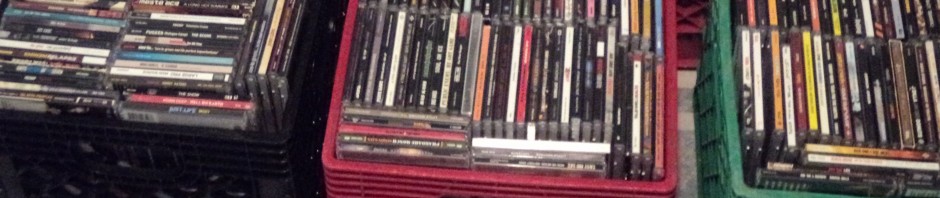
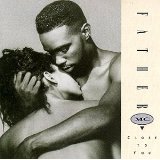
Father MC – Close To You (May, 19, 1992)

41BVYC58E8L__AA160_

While thumbing through the pages of Gang Starr’s Daily Operation liner notes, I found it pretty ironic (and probably more amusing) that in the duo’s long list of shoutouts, they gave props to an emcee who most would consider illegitimate or a cornball. Ladies and gentlemen, I present to you, Father MC.

Timothy “Father MC” Brown came on the scene in 1990, inking a deal with Andre Harrell’s, once dominate r&b label Uptown Records. Father released his debut album Father’s Day in late 1990, and created a bit of a buzz with two minor hits in “Treat Them Like They Want To Be Treated” and “I’ll Do For You” (two songs that would introduce the world to Jodeci and Mary J Blige, respectively). Both songs (and the album) were heavily influenced by the Uptown new jack swing r&b sound that many of his label mates used at the time, including Guy (which included Teddy Riley, the father of new jack swing), Al B. Sure, and to a lesser extent, Heavy D (rip). After the mild commercial success of Father’s Day, Father would return in ’92 with his sophomore effort Close To You.

Like its predecessor, Close To You would feature heavily r&b flavored production from a cast of producers that would include Eddie F (from Heavy D & The Boyz), Prince Markie Dee (formerly of the Fat Boys) and Howie Tee. It would also include lyrics written by Father MC and his team of writers (which alone should be reason enough to have the “MC” officially removed from his moniker) about love and romance. Which you probably already figured out based on the album art work.

All I Want – This is really the only reason I re-purchased Close To You (I originally bought it on tape way back in the day) a few years ago when I bumped into it in the dollar bin at one of my frequents. No, Father doesn’t sound impressive on the mic, neither do the vocals of Terri Robinson and Melissa Pierre singing on the hook. I do love the Dave “Jam” Hall produced instrumental, though. Even if it sounds a bit too r&b clean for a rap artist.

One Nite Stand – This was the first single released from Close To You, and it features a guest vocal from the then up and coming but now legendary, Mary J Blige. Over one of Eddie F’s r&b flavored instrumentals, Father drops cheesy line after line in an attempt to convince a chick he’s trying to do more than just hit it and quit it. He even goes as far as saying “sex aint my appetite I just want to treat you right”. Negro please. Even if you are trying to legitimately be her man you still want to bang it out from time to time.

Close To You – Eddie F builds this synthesized r&b laden instrumental around a sample of Alicia Meyers “I Want To Thank You”. R&b group Intro stops by to sing the hook on this one. Father’s rhymes aren’t designed to impress real heads, but I kind of like this instrumental.

Everything’s Gonna Be Alright – I believe this was the second single released from Close To You. Prince Markie Dee builds his instrumental around Chic’s “Good Times” as Father’s fellow Uptown label mates Jo-Jo and K-Ci Hailey of Jodeci, stop by to sing the hook. This was garbage.

Do The One, Two – Eddie F samples Parliament’s “Flashlight” and I’ve never heard the loop sound so clean and undesirable in my life. Mary J adds vocals to the hook, but this still was not good.

Red Lace Lingerie – Prince Markie Dee loops up the Mary Jane Girl’s “All Night Long” for the backbone of this backdrop. Father uses it to instruct his lady to put on her red laced lingerie, so he can take it if off and beat it up. I’m paraphrasing, of course. Father suggests the proposal with more finesse and tact. Wait. Was his line “you had a taste of chocolate, now come taste the fudge” aimed at Kane? Word? Father didn’t really want it with Kane, did he? Either way this was weak, and he sounds like a perve during the last-minute of the song, moaning and groaning as if he’s busting a nut.

My Body – Father hi-lariously flips the script on the ladies as he accuses them of only wanting one thing from him, which I believe is self-explanatory based on the song title. He starts the song off with probably the funniest line of the entire album: “honey check my intellect first, I know you want my body but my mind comes first”. Prince Markie Dee’s instrumental is actually pretty decent, it’s Father’s rhymes and content that bring this song down to corny status.

Ladies, I Luv ‘Em – This is Close To You‘s version of “Treat Them Like They Want To Be Treated”, only minus Jo-Jo and K-Ci. Apparently Father didn’t have enough in the budget to pay them to sing the hook on a second song, so instead an uncredited guest does his best Jodeci impersonation. You’ll forget about this one once it’s over.

Baby We Can Do It – This is a bad rap and r&b remake of the SOS Band’s “Take Your Time (Do It Right)”. Next…

Go Natalie – I believe this song was on the soundtrack for the movie Strictly Business (it was definitely played in a scene during the movie), that starred a young and gorgeous Halle Berry. This song is actually about Berry’s character in the movie. Interestingly, this song was written by Little Shawn (remember “Hickeys On Your Chest” Little Shawn?) and the production credit is given to Howie Tee, who completely rips the Brand New Heavies “People Get Ready” record and adds a couple of irrelevant sounds to it.

On The Road Again – Yes, this is a hip-hop version of Willie Nelson’s song with the same title, and it actually sounds cornier than you are currently imagining.

Look. I’m not completely opposed to heavily r&b laden synthesized hip-hop (some of hip-hop’s greatest producers have done it), but it has to be properly balanced in order for that shit to work for the entirety of an album. Unfortunately, for Father MC and even worse, the listener, Eddie F, Prince Markie Dee and company didn’t find the proper formula to pull off this difficult task on Close to You. But even if they did, the bigger problem with Close to You is its host. Father MC has a quality rapping voice, however he never gets away from his tender “love raps” or party rhymes (he’s kind of like a nineties version of Pitbull, only less successful) and tends to sound synthetic and cheesy in the process. It’s clear Father MC was created to reach the female listener. If only he had the chops he could have been an r&b singer.

-Deedub


Posted in Uncategorized | 2 Comments

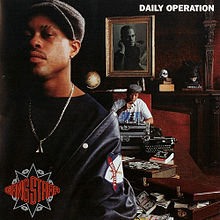
Gang Starr – Daily Operation (May 5, 1992)

220px-Gang_Starr_Daily_Operation

Hip-hop has seen a lot of faces and characters over the years. From the early eighties to now, the game has seen several dudes come in hot as white coals on a barbeque grill, only to fizzle out faster than a sparkler on the Fourth of July. Many gimmicks and trends have come and dominated the game for a season, only to blow out as swiftly as a birthday cake candle and forgotten sooner than the wish that went along with it. Only a few groups have been able to stand the test of time, not following the trends or compromising the quality of their music or integrity in an attempt to stay relevant and sell records. Gang Starr is one of those anomalies.

For those who may not know, Gang Starr was comprised of DJ Premier (who if he is not the greatest hip-hop producer of all time, he’s 1B, next to Dr. Dre; yeah I said it) and the late Guru on the mic (rip). We last heard from the legendary duo in ’91 with their well received sophomore effort Step In To The Arena, in which the duo showed progression from their mediocre debut No More Mr. Nice Guy. They would return in ’92 with their 3rd release, Daily Operation.

Like the rest of Gang Starr’s catalog, Daily Operation didn’t earn the duo any hardware for units sold, but it did garner favorable reviews from critics and more importantly, the streets. Numbers may not lie, but they don’t tell the full truth, either.

Daily Operation (Intro) – In case the song title wasn’t clear enough, this is an intro.

The Place Where We Dwell – Over a stripped down, but effective Premo instrumental, Guru big ups the borough the two New York transplants represent. Go Brooklyn!

Flip The Script – In his signature monotone voice Guru is in battle mode as he turns in decent rhymes over probably my least favorite Premo instrumental on Daily Operation. Not a bad song, just not my favorite.

Ex Girl To Next Girl – This was the second single released from Daily Operation. Premo hooks up a sick jazzy instrumental (complete with killer trumpets on the hook), which works as the perfect backdrop for Guru to reminisce about his ex-sugar momma who once had him wrapped around her finger. Classic.

Soliloquy Of Chaos – This Premo instrumental is a monster. He loops up a piece of Ahmad Jamal’s “Misdemeanor” record (which Dr. Dre also sampled a few years prior for D.O.C.’s  “Funky Enough”) as Guru discusses the senseless black on black violence that plaques the black community. By the way, I love Guru’s line “did you come to see my show or to the stupid nigga playoffs?”. This one still sounds dope and is still very relevant.

I’m The Man – Gang Starr invites two member of the Gang Starr Foundation to the studio for this cipher session: Jeru Da Damaja and Lil’ Dap from Group Home. A la “Jackin’ For Beats”, Premo changes the instrumental up for each emcee. Guru bats first, followed by Lil’ Dap, then Premo drops the best instrumental of the three (it’s a monster) for Jeru, who completely steals the show and shuts this shit down, literally and figuratively.

92 Interlude – Instrumental interlude that takes a piano loop from Aretha Franklin’s “Young, Gifted, And Black”. Premo would later add drums underneath the same sample and use it for Heavy D’s (rip) “Yes Y’all” record off his 1993 Blue Funk album.

Take It Personal – This was the lead single from Daily Operation. When this song came out back in the day, I wasn’t feeling it. A few years later and even more so now, it’s clear that I was sleeping on a classic. Premo constructs a bassy instrumental with a slightly dark and awkward piano loop that Guru spits razor sharp rhymes over, scolding his adversaries without even raising his voice. On my favorite line of this song Guru says “rap is an art you can’t own no loops, its how you hook ’em up and the rhyme style troop”. I wonder who that line was aimed at. CMW? Dr. Dre? Ed O.G? BDP? EPMD? All of these artist have at one point used the same loop for a song previously to or around the same time that Gang Starr did. But Gang Starr shouts out all of these artists in the liner note, so I’m probably way off.

2 Deep – This Premo instrumental is serious (except for the hook that includes a sample of what sounds like pouring water, which I’m still not sure what it’s supposed to represent; it’s not terrible, just not sure what value it adds to the song). Guru’s all over the place with his content on this one. He starts out talking about how complex his style is and how all contenders will “catch hell” trying to get with him on the mic, then he starts discussing his childhood, his religious beliefs, and all the division in the black community. All in all, still a solid song.

24-7/365 – The loop for this instrumental interlude was actually taken from the same record the Beasties sampled for “Pass The Mic” (Johnny Hammond’s “Big Sur Suite”). I’m surprised Premo never recycled this one for someone to spit over. It’s a monster.

No Shame In My Game – Premo hooks up a melodic mid tempo instrumental (that combines a Crusaders’ sample with a loop from Bob James’ “Nautilus”, which is arguably the most sampled record in the history of hip-hop) that Guru uses to justify his life style, vices and all. He spits one of his greatest lines on this one: “life’s a bitch, who are we to judge each other, I know I got faults I aint the only muthafucka”. Well said.

Conspiracy – This one is probably neck and neck with “Flip the Script” for my least favorite song on Daily Operation. Guru sounds solid on this one as he taps into his “conscious” side, addressing the wicked schemes set in place by the government, the church, and the music industry. The issue is Premo’s instrumental, which is barely decent.

The Illest Brother – Premo loops a portion of Bill Cosby’s “Get Out My Life, Woman” (at this rate by the time I’m done with this blog I’ll have more Bill Cosby references than he has accusers) and adds a beautiful loop from Ahmad Jamal’s “Ghetto Child” (side note: years later Kanye would sample a portion of this same record for Common’s “They Say”) in on the chorus. Guru spits so many ideas and scenarios out on this one that I’m still not sure what the overall point of the song is.

Hardcore Composer – This was cool. I love the Jungle Brothers’ vocal sample on the hook (“harder than the hardest hardest hard can get”).

B.Y.S. – Is an acronym for “bust your shit”.  The instrumental is built around a choppy slightly off kilter piano loop, that Guru uses to sends threats to anybody within earshot. This Premo instrumental is sick!

Much Too Much (Mack A Mil) – The production credit on this one goes to Guru and Louie Vega (a name that’s pop quite a few times on this blog). Overall, a decent joint.

Take Two And Pass – Guru discusses blunt smoking etiquette over a bassy laid back groove. This is perfect for midnight marauding, or if you’re just getting blunted.

Stay Tuned – Gang Starr ends Daily Operation with a super laidback, slightly eerie instrumental that Guru uses to talk up his team while letting the listener know this is it for now but they’ll be back later, so stay tuned.

Daily Operation picks up where Step Into The Arena leaves off. Premo strings together a quality collage of instrumentals built around jazz, soul, and funk loops that Guru uses as a platform to display his mic skills in his signature monotone delivery. The majority of Premo’s instrumentals will make you either bob your head, screw your face, or as Masta Ace once put it, “fuck up your head”, and sometimes a combination of all three (how funny would that look). There are a few meh points on Daily Operation, but the large quantity of bangers covers all of Daily Operation‘s minor transgressions.

-Deedub

Posted in Uncategorized | 13 Comments

Beastie Boys – Check Your Head (April 21, 1992)

220px-Beastieboys_checkyourhead

We last left the Beasties Boys in ’89 with their sophomore effort Paul’s Boutique, which initially received lukewarm reviews, but eventually fans would warm up to it. Just as there was a 3 year gap in between the release of their debut (License To Ill) and Paul’s Boutique, 3 years would pass before they would release the follow up to Paul’s Boutique, Check Your Head.

As the story goes, after Paul’s Boutique was deemed a failure by their label few months after its release, Capitol stopped promoting the album and told the boys to just start focusing on the next one. Since the label stopped promoting Paul’s Boutique and didn’t give them a deadline to turn in the next album, the Beasties begin to assume the label was giving up on them. Around the same time the Beasties fell out with the producers of Paul’s Boutique (the Dust Brothers), in a dispute over royalties. With the Dust Brother out of the equation to produce the next album and feeling like their backs were against the wall, the Beasties went back to their roots. Band jam sessions.

For those who don’t know, the Beasties started out as a punk rock band, eventually migrating into hip-hop in the early eighties, so playing instruments wasn’t new to them. At these jam session MCA (rip) played bass, Mike D was on the drums, and Adrock on guitar. The Beasties along with “Money” Mark Ramos Nishita (who played the keyboard and would also contribute some vocals) and studio engineer Mario Caldato, would produce the entirety of Check Your Head , combining live instrumentation, samples, and samples of their live instrumentation. Check Your Head was another commercial success for the Beasties as it would eventually move over 2 million units (making it their third consecutive album to top the double platinum mark) and many believe it is their best album to date.

They said the same about Paul’s Boutique, so who am I supposed to believe?

Jimmy James – The Beasties kick Check Your Head off with a decent live mash-up as they drop random rhymes with distortion on all three of their vocals, which makes it nearly impossible to understand the lyrics.

Funky Boss – Over a simple drum beat and guitar riffs, the Beasties scream in unison, requesting that their funky boss get off their backs. According to Money Mark this was written about George Bush Sr. during the Gulf War. This is nothing more than a glorified interlude.

Pass The Mic – The Beasties past the mic like a hot potato as they take turns sharing boast on this one. It starts off with a raw drum beat, before the Ron Carter bass line sample from Johnny Hammond’s “Big Sur Suite” record (which Dr. Dre would also use on “A Nigga Witta Gun” on The Chronic) comes in and is sure to leave you screw faced and bobbing your head. At the end of the song they bring in some rock guitars that kind of disturb the groove. Regardless, this would be dope to hear live at a concert.

Gratitude – Adrock gets a rare opportunity at a solo joint. Unfortunately, thanks to the rock tinged instrumental and the distortion on his vocals, I have no idea what he is said.

Lighten Up – Nice smooth groove interlude.

Finger Lickin’ Good – I like the flute sample in between the verses. The rest of the song was trash, though.

So What’cha Want – This is the only single I personally remember being released from Check Your Head. Over a bangin’ instrumental the boys continue to drop random rhymes with distortion on their vocals. The video for this one has some pretty cool effects in it.

The Biz Vs. The Nuge – Biz makes a brief cameo on this interlude as he sings Ted Nugent’s “Home Bound”. Next…

Time For Livin’ – The Beasties are really on their white boy shit for this one. Over an up-tempo drum pattern and rock guitars, the boys scream and yell all over this track. Interesting fact: if you listen to this song in mono (i.e. on your phone without headphones) the vocals disappear, thanks to a janky tape machine they used that had one track out of phase. With or without vocals, this isn’t my cup of tea.

Something’s Got To Give – What the hell was that?

The Blue Nun – Interlude

Stand Together – MCA gets a solo joint, and like Adrock on “Gratitude”, the distortion on the vocals make it nearly impossible to make out what he’s saying. This instrumental sounds better the more you listen to it, especially the slightly out of tune sax sample at the beginning and end of the song.

Pow – Decent instrumental mash-up.

The Maestro – In Brian Coleman’s book Check The Technique the Beasties said this song was originally named after the Maestro effects box, but then it morphed into Adrock and Mike D just talking their tough guy shit. This instrumental is hard. This is probably my favorite song on Check Your Head.

Groove Holmes – This is an instrumental homage to jazz organist Richard Groove Holmes, who actually died while the Beasties were recording Check Your Head. They were all fans of his work, so this tribute is fitting.

Live At P.J.’s – Over an instrumental that is supposed to sound like it was recorded live, Mike D gets a chance at his solo joint (I believe it’s just Mike D; sometimes I have a hard time distinguishing his voice from Adrock’s). I can actually make out his lyrics, but unfortunately he doesn’t saying anything worth hearing.

Mark On The Bus – Short interlude with Money Mark singing about dreaming while riding the bus.

Professor Booty – Over a simple and raw drum beat the trio take turns passing the mic as they drop what are probably their best battle rhymes (at least to this point in their catalog). MCA bats last and uses his verse to take a few swings at one of the Beasties’ long-time rival, MC Serch and lands some pretty decent blows in the process. This was decent.

In 3’s – Another live instrumental mash-up.

Namaste – The Beasties close Check Your Head with a spoken word piece over a laid back instrumental.

I’ve always felt the Beastie Boys were severely overrated and have benefited from their skin color, to no fault of their own. After listening to Check Your Head several times over the past week I have to say, it isn’t a terrible album. The pseudo live production includes some undeniable bangers, and while the majority of the instrumentals are only decent, there is a nice cohesiveness that ties each song together like a pretty little bow on a present. The biggest issue I have with Check Your Head is the lyrics/vocals. The Beasties are not great lyricists as is, but when you add vocal distortion (or cheap microphones) to the equation it makes matters that much worse. Maybe the distorted vocals was a way to distract the listener from focusing on the trio’s lyrical deficiencies. Regardless, Check Your Head is a decent listen, but the Beastie Boys are still overrated in my book.

-Deedub

Posted in Uncategorized | 4 Comments

Das Efx – Dead Serious (April 7, 1992)

220px-DasEFXDeadSeriousalbumcover

Do you riggiddy-riggiddy remember Das Efx?

Das Efx was the dreadlocked duo made up of Brooklyn native William “Skoob” Hines and Andre “Krazy Drayz” Weston, who was born in Jamaica and moved to New Jersey as a kid. Even though the two lived pretty close by each other, they didn’t meet until their college days at Virginia State University. They met, clicked up and formed Das Efx (“DAS” is an acronym for “Drayz And Skoob”, and the “Efx” is short for “effects”, which is a reference to their love of reverb on their vocals, in their early days). While performing at a local talent show in Virginia, the duo caught the attention of EPMD, who was impressed by their original style. This would eventually lead to the duo becoming a part of EPMD’s well-respected Hit Squad and a deal with East/West Records, where they would release their debut album (on my birthday) Dead Serious.

Surprisingly, Dead Serious would not include production from PMD or the Green-eyed Bandit, nor would it include any cameos from the hit squad or anybody else for that matter. Instead, Das would give Skoob’s Brooklyn homeboys, Chris Charity (rip) and Derek Lynch, who together made up the production team of Solid Scheme, a shot to produce the entire album with the exception of two songs, which Das would produce themselves.

Das’ signature stuttering style, would propel Dead Serious to platinum success, critical acclaim, and a slew of copy cats (i.e. Ice Cube and a young Common, to name a few). The duo knew their stutter style had an expiration date, so they would switch things up on the next few albums, but were never able to match the success (at least commercially) they received with Dead Serious.

I’ve always loved the album title, as it’s in complete contrast to the album’s content. It’s almost like Das knew heads would hear the album and ask “Are these dudes serious?”. The album title is their response.

Mic Checka – Now this is how you kick off your debut album. This was the second single and easily my favorite song on Dead Serious. Solid Scheme hooks up an aggressively pounding backdrop that Skoob and Krazy flip all over, introducing the world to their signature style. This is a certified banger and a classic.

Jussummen – Solid Scheme changes the mood a bit with this mid-tempo instrumental that includes some live guitar licks from Bobby Sitchran (rip). Krazy sticks with the signature stutter style, while Skoob actually plays things straight, as if to prove he is more than just a “jibby-jabber” rapper. All in all, this was solid.

They Want Efx – The first single and easily the biggest hit in the Das Efx catalog. Skoob and Krazy get the production credit (with co-production credits going to Marcus Logan and Kevin Birdsong) on this one that is built around an ill James Brown sample (the same “Blind Man Can See It” sample that Diamond D used on Lord Finesse’s “Funky Technician”). The duo’s animated style and delivery combined with the funky instrumental make this an undeniable classic.

Looseys – I guess I never really paid attention to the lyrics on this song back in the day, but as I listened to them closely today, I was taken back to discover Skoob and Krazy actually wrote a whole song dedicated to literally shittin’ their pants. I’ve had the looseys (which is slang for diarrhea), but never to the point that I couldn’t make it to the bathroom. The instrumental is built around the same Booker T & The M.G.’s sample used on Cube’s “Givin’ Up The Nappy Dug Out” and Lord Finesse’s “I Like My Girls With A Boom”. This song is pretty wild.

Dum Dum – Cleverly, Solid Scheme takes a soulful Otis Redding loop, along with some live guitar licks (courtesy of Bobby Sitchran) and turn it into a solid backdrop, as our hosts display more of their storytelling abilities. Krazy and Skoob each take two verses to share the life and times of two different chicks whose deeds have earned them the label of dumb-dumbs. This one actually sounds better today than it did 23 years ago.

East Coast – This is probably one of my least favorite songs on Dead Serious. That said, it’s still not a terrible song.

If Only – This song sticks out like a sore thumb, but in a good way. Skoob and Krazy stick with their stuttering-nimble-tongued-style, but Solid Scheme mixes things up with the instrumental that has a jazzier feel than anything else on Dead Serious. This was dope.

Brooklyn To T-Neck – The title is a reference to the duo’s hometowns (Brooklyn, NY and Teaneck, New Jersey). The mushed together funk sound of Solid Scheme’s instrumental sounds like something EPMD would have concocted. Overall, a decent listen.

Klap Ya Handz – This is probably the most underrated song on the album. Dexter (Dexx) James (another one of Skoob’s Brooklyn homeboys) gets the production credit (with a co-production credit going to Das Efx), and it’s a thing of beauty. The mid-tempo melodic groove has an almost heavenly feel, and Skoob and Krazy tippidy tip-toe all over it, nicely. This is actually the song EPMD heard Das performing at the talent show in Virginia when they discovered them.

Straight Out The Sewer – Das ends the album with another track that sounds like it could have been produced by EPMD, but of course it’s credited to Solid Scheme. They could have left this one in the sewer. Easily my least favorite song on the album.

There’s a thin line between gimmick and original, and twenty plus years after Das Efx’ debut release, it’s safe to say they straddled that line to perfection. Over hard boom bap production that hits the mark more than it misses, the stuttering dreaded duo sew together nursery rhymes, random pop culture references, nonsense and random boasts, making it all sound fun, dope and entertaining, for the most part. It was also a genius idea to leave the track count at ten, so the listener doesn’t become overwhelmed by the duo’s antics. Dead Serious may sound a bit juvenile today, but it’s still an enjoyable listen, which has me looking forward to revisiting their sophomore effort Straight Up Sewaside. I’m dead serious.

-Deedub


Posted in Uncategorized | 1 Comment

Chi-Ali – The Fabulous Chi-Ali (March 24, 1992)

220px-Fabulous_Chi_Ali

Remember ABC? Another Bad Creation? They were the little nappy knucklehead kid group that Michael Bivens put together in the early nineties. They brought the world such hits as “Iesha” and “Playground”, which helped them sing and rap themselves to a platinum plaque for their debut album Coolin’ At The Playground Ya Know! (an album that I shamefully own but will definitely not include in this blog). Michael Biven’s success with ABC would cause another up and coming Atlanta producer to jump on the kiddie bandwagon as well. Jermaine Dupri discovered his guinea pigs while at an Atlanta mall, and would eventually form the backwards dressing braided hair Atlanta-based rapping gimmick duo, Kris Kross. With JD as their puppet master, Daddy Mac and Mac Daddy would make ABC’s success look like a failure as they would move over 4 million units of their debut album Totally Krossed Out (another album that I shamefully owned in my cassette buying days…don’t know if I ever bought it on cd, though) on the strength of their mega hit “Jump”, which actually takes shots at ABC’s catch phrase “mental” and their signature style of wearing their clothes inside out. Kiddie beef. Cute. The success of these two groups opened the door for kids in hip-hop, as they proved you didn’t have to be grown to sell records.

One of the kid rappers to pop up around this time was Bronx native and Native Tongue affiliate, Chi-Ali. I first became familiar with Chi from his cameo appearance on Black Sheep’s cipher joint “Pass The 40”, and assumed he was Dres’ little brother as he looked like his mini me (there is no blood relation between the two). Based on his relationship with NT and probably more importantly his relationship with Chris Lighty co-founder of the Violator label, Chi signed a deal and released his debut album The Fabulous Chi-Ali on the Violator/Relativity label. Chris and Chi recruited then, up and coming production team the Beatnuts, to produce the entire album (with the exception of 1 song), while Chris Lighty and Fashion (from the Beatnuts) would help Chi-Ali write his rhymes.

Unfortunately the album didn’t move a ton of units and Chi-Ali was quickly gone from the music scene. Then in 2001 he was back on TV, but it wasn’t in a music video. He was on John Walsh’s America’s Most Wanted for the January 14, 2000 murder of his baby mama’s brother over a money dispute. He was eventually apprehended and sentenced to serve 12 year in prison. He was released in 2012. Sadly, he’s probably best remembered for murder rather than his music.

Intro – It plays exactly how it reads.

Maniac Psycho – A pre-puberty voiced Chi-Ali shouts empty threats over one of the weakest Beatnuts instrumental that I’ve ever heard. Did he really just say “Chi-Ali, the closest thing to God”? The LL “Mama Said Knock You Out” vocal sample on the hook was nice.

Step Up – Chi leaves the shouting at home on this one as he raps in a more relaxed tone. The Beatnuts hook up a quality backdrop that Chi uses to brag and boast about his lyrical prowess. Unfortunately, he doesn’t bless us with any memorable quotes. This was still a decent listen.

Funky Lemonade – This one features more boasting and shit talking from our host, who at one point threatens to wet his competition like a pool (early signs of his troubled future, maybe?). The Beatnuts hook up a lovely instrumental built around a Kool & The Gang sample and a sick “wah, wah, wah” sample sprinkled throughout the song. I like this version but the Beatnuts outdid themselves on the nasty remix.

In My Room – Keeping thing on the mellow side, the Beatnuts hook up a scrumptious backdrop that Chi uses to talk the girls into entering his room for a little hanky panky. Cute.

Age Ain’t Nothin’ But A # – For you youngins, the “#” in the song title is short for “number” not “hash tag”. This is the only track on The Fabulous Chi-Ali that the Beatnuts did not produce. Instead, Mista Lawnge from Black Sheep, hooks up a smooth instrumental, looping up Ben Vereen, Stanley Turrentine and Roy Ayers records with a vocal sample from BDP’s “Criminal Minded” for the hook. Chi uses this one to dis girls his age, as he claims even though they have bangin’ bodies they’re not mental mature enough to be his lady. To listen to a 14-year-old speak about such a subject is hi-larious. Still an enjoyable listen, though.

Shorty Said Nah – Ah, what would a nineties hip-hop album be without a James Brown sampled instrumental. The Beatnuts loop up JB’s “The Payback” record as Chi turns a trip to get his slong wet into an epic action packed thriller, and you best believe there is gunplay involved. At least one of Chi’s rhymes will make you laugh (or at least chuckle)during the course of this song.

Let The Horns Blow – Chi-Ali invites a few of his Native Tongue brethren (Phife Dawg, Dres, and Trugoy), to the cipher, along with Fashion from the Beatnuts. It was kind of nice to hear this collective together. Not spectacular, but still enjoyable.

Roadrunner – I never cared much for the album version of this song, but the Tribe Called Quest produced remix is a monster. Both this remix and the remix for “Funky Lemonade” were recorded after Chi-Ali’s voice begin to change, so his vocal pitch is a bit deeper than it was on any of the songs on The Fabulous Chi-Ali, hence the reason the remix for this song is called the “Puberty Remix”. Both remixes also include new and improved lyrics from Chi as well.

The Fabulous Chi – The instrumental was cool, but Chi doesn’t say anything worth noting.

Looped It – Not a fan of this one.

Check My Record – Insert comments from “The Fabulous Chi” here.

Murder Chi Wrote – Over a dark Beatnuts produced instrumental, Chi-Ali recalls an evening out on the town with his partner Chris Lighty, in search of a good time with some cuties that quickly turns into a bloody mess. No, the song has nothing to do with menstrual cycles.

Chi-Ali Vs. Vanilla Shake – The Beatnuts use the same guitar loop from the Nite-Liters’ record “Damn”, that Dr. Dre would use a few months later on his banger “Lyrical Gangbang” from the monster album that was The Chronic. Of course the good doctor would make his interpretation stand out more by laying some Led Zeppelin drums (“When The Levee Breaks”) underneath the guitar licks, but that’s just why he is arguably the greatest producer in hip-hop history; but I digress. Chi uses this one to battle the fictional rapper Vanilla Shake, which I believe you all are sharp enough to figure out who that is a jab at. Like any well scripted and recorded battle song, the album’s host gets the victory.

Jump To The Rhythm – Now this was a peculiar song to find on The Fabulous Chi-Ali. The Beatnuts hook up an instrumental that has a semi-house sound, that Chi-Ali uses to talk about how much he loves to dance when he’s note bangin’ out honeys, drinking, smoking, or wetting brothers like pools. On paper it probably sounds like a disaster but this Beatnuts instrumental is actually pretty enjoyable.

Looking back at Chi-Ali’s short-lived music career, it’s probably not fair to put him in the same category as Kris Kross, Da Youngstas, or Another Bad Creation. Yes, he was a kid rapper (who had adults writing for him), but unlike his contemporaries Chi was not trying to reach the kid demographic. Chi rolled with the well-respected Native Tongue collective and rhymed over real hip-hop beats, not contrived concepts and intentionally pop sounding instrumentals, like his peers. Unfortunately, Chi-Ali was just not that nice on the mic, so like the chick on the last verse of “Age Ain’t Nothing But A #”, the more mature listener kind of brushed Chi-Ali off with the dirt and dandruff on their shoulder. For the most part the Beatnuts (and Mista Lawnge) hook up quality production on The Fabulous Chi-Ali, but his boasts, threats, stories, and adult like content are hard to believe when delivered from the high-pitched vocal of a little fourteen year old snot nose. If you’re a fan of the Beatnuts’ production (like myself) and aren’t expecting to hear a spectacular rhyme display, then you’ll enjoy The Fabulous Chi-Ali.

-Deedub


Posted in Uncategorized | 3 Comments

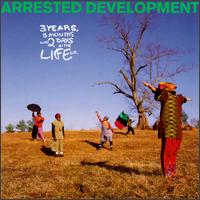
Arrested Development – 3 Years, 5 Months & 2 Days In The Life Of… (March, 16, 1992)

ArrestedDevelopment3Years,5Months&2DaysintheLifeOf

Arrested Development was a Atlanta-based collective by way of Milwaukee, which (originally) included Headliner (the group deejay), Aerle Taree, Montsho Eshe, Rasa Don, Baba Oje, and the front man and voice of the crew, Speech. Speech and Headliner, who were best friends, formed the group in ’88 as a positive alternative to the gun-totting thuggery that begin to consume hip-hop in the early nineties. After 3 years, 5 months and 2 days of trying to get a record deal, AD inked a deal with Chrysalis, thus the name of the album. 3 Years 5 Months & 2 Days in the Life of…was produced entirely by Speech and released in early ’92.

3 Years was a massive commercial success as it would move more than 4 millions units, donning some of the biggest pop hits of the nineties, and earned the collective two Grammy’s in ’93 for Best New Artist and Best Rap Performance By a Duo or Group (we’ll get to that a little later on). AD would release an MTV Unplugged album in early ’93, which would earn the collective a gold plague. By ’94 when they returned with their official sophomore effort Zingalamaduni, their 15 minutes of fame had expired, as the album was a commercial failure, the group would soon disintegrate and AD was a thing for the history books. Temporarily. They would later reunite, making quite a few changes in the roster (including the departure of the co-founder Headliner) and release several independent projects. Speech would also release a slew of independent solo albums (with the exception of his first solo album, which was released on Chrysalis in ’96) but he and the group were never able to recapture the commercial magic they found in the early nineties.

I haven’t listened to 3 Years in over 10 years, and honestly, I’m probably more familiar with their live Unplugged album then the original. I don’t remember being crazy about this album but maybe time as been kind to 3 Years.

Man’s Final Frontier – Intro.

Mama’s Always On Stage – Speech hooks up an up-tempo bluesy instrumental that he uses to show appreciation for all the black mothers who hold it down for their children, and fires a shot at all the dead beat dad’s as well. This was solid. I enjoyed the nasty harmonica sample laced throughout the song.

People Everyday – I believe this was the third single released from 3 Years. Over a mediocre instrumental and a chorus that borrows from the Sly and The Family Stone’s record with the same title, Speech spins a tale about a relaxing afternoon with his girl that turns violent when some brothers attempt to disrespect his black queen. The remix, which was actually used on the video and single version, uses an acoustic guitar which gives the song a different feel and sounds so much better behind Speech’s storyline.

Blues Happy – Briefly, Speech introduces the members of Arrested Development, while Larry Jackson plays some sick bluesy guitar licks, that lead directly into the next song…

Mr. Wendal – This was the 2nd single released from 3 Years. Speech discusses the life of a homeless man (or as Speech refers to him as, a bum) that he calls Mr. Wendal. Over the course of two verses he uses the life of Mr. Wendel to remind the listener to be thankful, that one man’s floor is another man’s ceiling, and that we all need to do a little self-evaluation from time to time to keep in perspective what’s most important in this short life we live. Back in the day I didn’t really care much for this one, mainly because of the instrumental that came across as cheesy. Twenty years later the instrumental doesn’t sound as bad and Speech’s content is pretty well thought out.

Children Play With Earth – In a slightly distorted voice Speech opens this one up telling African (African-American) kids to stop acting like European kids and put down the Nintendo (today that would be the PS4 or Xbox) remote, unplug the tv and go outside and play in the dirt. It’s kind of comical that he refers to two devices made in Asian countries as a “European thing”, but I get his point. After an extended instrumental break and a chant of “dig your hands in the dirt, children play with earth”, Speech then returns in his distorted vocal to finish up his spoken word piece in an attempt to get kids motivated to become acquainted with nature. I think this song speaks both literally and figuratively as a wake of call to the black youth to not only get off their asses and outside away from technology but also a call to snap out of the brainwashed state the black youth were and still are in. Cleverly done, Speech.

Raining Revolution – Over a slightly depressing instrumental Speech speaks about the impending revolution, but he never makes it clear as to what revolution is coming, so you can choose and apply any meaning you want, I guess. Not, a terrible song, but I’m sure it’s nobodies favorite either.

Fishin’ 4 Religion – Over a decent up-tempo instrumental Speech criticizes the black church for teaching faith but not teaching the people to act on their faith to help change their condition. Preach! Overall, the song was so-so.

Give A Man A Fish – I didn’t like this one.

U – This one starts out with Aerle Taree speaking about marriage over some funky piano keys. Then the same piano sample is sped up a bit, giving it a zany feel, and Speech commences to rhyme sing about finding the woman of his dreams, getting marriage and building a family. Some may find this song corny but I dug the message in the song and found the instrumental interesting.

Eve Of Reality – Interlude

Natural – Over deep guitar licks and two piano key strokes over the chorus, Speech speaks about meeting the perfect natural woman. Full of intellect, conversation and free of fake hair, lips, and other body parts, so he obviously didn’t meet her in California. This could be the companion piece to India Arie’s “Video” record. Decent.

Dawn Of The Dreads – Easily my least favorite song on 3 Years.

Tennessee – This was the Grammy winning monster first single that put Arrested Development on the map and helped catapult 3 Years sells to quadruple platinum status. Over rough and heavy drums, in his signature singy (new word) vocal, Speech wearily converses with God seeking his guidance, that eventually lands him in Tennessee where he revisits the disgraceful and proud past of his southern ancestors. But I’m still thirsty. If King David was a head this is probably what one of his Psalm would have sounded like. Classic.

Washed Away – Over an interestingly awkward low-key instrumental, Speech discusses the serpent (or Satan) and his plan to deceive mankind and wash him away by blinded him to the Lord and his truth. Speech ends the song by stating his purpose, which is to spread the good news so others lives can be saved. Speech tastefully shares his Christian beliefs without sounding too preachy or judgmental. The instrumental will grown on you, then win you over after a few listens.

People Everyday (Metamorphosis) – This was the remix that I mentioned early. The acoustic guitar sounds so much better than the backdrop on the original.

They say never judge a book by its cover, but sometimes a record’s artwork will tell you exactly what you can expect as far as content. 3 Years is one of those albums.

The album cover depicts Speech and company in the wilderness, decked out in a mix of African attire and hipster garb as Speech and Headliner look up to the heavens as if they’re praising God, while the rest of the crew looks to be in the mist of African dance with one waiving the African flag. Musically on 3 Years, AD combines African pride themes with hippy like philosophies and a touch of spiritual overtones, placed over backdrops that mesh traditional hip-hop with folk, blues, and African sounds. Speech (who’s style is a mix of Q-Tip and Prince B) has a lot to say and makes some strong points along the way but a large portion of the production is spotty and awkward, and will make even the most patient listener give up on listening to Speech’s, um, speeches.

-Deedub

Posted in Uncategorized | 3 Comments

Original Flavor – This Is How It Is (March 17, 1992)

220px-Original_Flavor_-_This_Is_How_It_is

Original Flavor was a New York based duo that originally consisted of Ski and Suave Lover (Suave would leave the group after the first album and was replaced with T-Strong and DJ Chubby Chub, which may be the funniest deejay moniker in the history of hip-hop), who were managed by Damon “Rock-A-Fella” Dash and his cousin, Darien Dash under Damon’s Dash Entertainment imprint. Ski’s name may sound familiar to a lot of you, as it’s the same Ski that created the backdrops for 4 songs on Jay-Z classic debut Reasonable Doubt, including “Dead Presidents II”, and has produced tracks for several other artist over the years (Ski Beatz). Ski is kind of like the Darren Sproles of hip-hop producers: very productive but consistently slept on and under appreciated.

I first became familiar with Original Flavor by hearing the lead single “Can I Get Open” off of their second album Beyond Flavor. The single featured a cameo from Jay-Z when, as Nas put it, he used to rap like the Fu-Schnickens (which makes this the second time I’ve mentioned Nas, Jay-Z and the Fu-Schnickens together in the same post in the last three posts). None of the rhymes stuck with me but the sick instrumental behind the emcees made an impact. As much music as I was buying at the time, I’m still not sure why I never bought the Beyond Flavor album. I digress.

About 6 years ago while digging through the used cd bins at one of the music store that I frequent, I came across Original Flavor’s debut album This Is How It Is. Since the price was right and my only memory from them was a cameo from one of the best to ever do it over a sick instrumental, I did what any bona fide hip-hop head would do. I downloaded it illegally from the internet. Just kidding, I bought it.

This Is How It Is was released in 1992 on Atlantic records, and with the exception of two songs, was produced entirely by Ski, with executive producer credits going to Damon Dash, Darien Dash, and the legendary DJ Clark Kent (who gets production credits on a couple of songs). This Is How It Is didn’t get a lot of publicity, which is kind of surprising being it was released on a major label and all. I personally didn’t even know it existed before I ran across it that fateful day in January of 2009 (no, I don’t record the dates that I purchase albums. I just happened to find the receipt stuck in the cd case today. There are limits to my music geekiness, folks). Needless to say, the album didn’t move a lot of units, but it did allow Original Flavor the opportunity to release one more album before they disbanded and went their separate ways.

At the end of Original Flavor’s shoutouts in the liner notes it reads “P.S. SPECIAL O-FLAVOR BIG CRUNCHY DISS GOES OUT TO… N_ _ _ _ _  AND R _ _ _ _ _!” FILL IN THE BLANKS SUCKERS!” Kind of cowardly to only give their first initial, but I’m still interested to know who the two recipients of this “crunchy diss” are. If you know hit me in the comments.

This Is How It Is – To kicks things off, Ski lays down a mid tempo beat with a smooth guitar sample, that sounds suitable for laying on the beaches of Hawaii with a lay around your neck, while sipping on a margarita and eating a bag of Lay’s potato chips. You like how I laid that out? Ski and Suave don’t sound super impressive on this title track but I’ve heard a lot worse.

When I Make It – Ski and Suave each take a verse to explain to their parents their plans to skip the traditional route of going to college or getting a job, but instead will pursue a career in music, regardless of what their parents think. The duo then splits the third verse and encourages the listener to pursue his or her dreams no matter who doesn’t believe in you. Ski uses some smooth George Benson guitar samples for the backdrop and turns them into a thing of beauty. This was nice. Props to Original Flavor for coming with an original concept for this song.

Best Friend’s Girl – Over a jazzy instrumental driven by a sick piano loop, Ski relives the time when he completely violated the bro code and banged out his best friend’s girl. Not an associate’s women. Not a co-worker’s women. Not a casual friend’s girl. His best friend’s girl. I don’t care if this chick had Halle Berry’s face on Kim Kardashian’s body, that’s a complete no-no. To make matters worse, at the end of the song he then brags about how the song is based on a true story and that he got away with it, until he decided to snitch on himself by writing this song. Asshole.

Way Wit Words – Ski hooks up another jazzy instrumental with a buttery piano loop sprinkled over the verses and a sophisticated saxophone sample over the hook. He and Suave take turns bragging about how nice they are with the lyrics, but neither of them bother to live up to their boasts. The instrumental is so yummy you won’t really care what they’re saying over it.

Kick The Butta – Ski and Suave invite a few of their dudes, Sean Wan and Big Pub (or Big Rock?), to the cipher that takes place on this one. Ski takes a break away from the boards and lets legendary deejay Clark Kent and Larry Larr handled the production duties, which wasn’t a good idea. When you combine sub par rhymes with mediocre production, you get a hot mess of a song aka “Kick The Butta”.

Waitin’ 4 My Break – Our hosts move thing back in the right direction as Ski hooks up a decent instrumental that he and Suave use to discuss industry politics and the struggle of trying to get their foot in the door of this fickle music industry while staying true to their art. This was cool.

Handle The Technique – Ski samples the same Grover Washington Jr. record ATCQ used for “Push It Along” (“Loran’s Dance”) and add a nice horn sample, making this some ole smoothness. This is probably my favorite instrumental on an album that is stacked with beautiful backdrops. Again, if you’re looking for jaw dropping lyricism, you come to the wrong spot. But if you enjoy layered jazzy instrumentals you’re in for a treat.

Give ‘Em Some Wrek – This was passable.

Gumdrops – Ski samples the sick bass line from Herbie Hancock’s “Watermelon Man” as he and Suave sing praises to the first food sources of every baby. The titties, foo!

I Like It (Freestyle) – The first 20 seconds of the song starts with a sick guitar loop that will leave your face all crunched up. Then all hell breaks loose when the beautiful guitar loop is suddenly replaced with a basic drum beat and a messy instrumental, then I looked at the liner notes and read that Clark Kent (with a co-production credit going to Sean Wan) produced the track and it all made sense. Needless to say, I wasn’t feeling this one.

Brain Storm – Ski takes his seat back behind the boards and steers this ship back in the right direction as he hooks up another beautiful jazz infused instrumental. Again, listening to Ski and Suave rhyme is equivalent to Charlie Brown’s teacher talking, so just enjoy the beautiful background noise.

Swingin’ – Original Flavor ends This Is How It Is with an up-tempo groove, complete with a nasty bass line, brought to you courtesy of yours truly, Ski. Suave and Ski both give their parting shots, and speaking of shots, I’m curious if Ski’s comment “I’m not from a Shaolin temple” was aimed at anyone in particular. Maybe not the Wu, as they weren’t quite poppin’ yet, but possibly the UMC’s? Fu-Schnickens? Hit me in the comments if you have the scoop.

If you completely remove “Kick The Butta” and “I Like It”, then remove the vocals from the remaining songs, This Is How It Is would be nearly flawless. Even back then, Ski-Beatz was a monster on the boards as he leaves plenty of prove on this album. The problem is This Is How It Is is not an instrumental album and Ski and Suave just aren’t that good with the rhymes. So, if you want to hear some quality early nineties hip-hop production (less two songs) and can block out or don’t mind listening to middle of the road emcees, This Is How It Is is the perfect album for you.

-Deedub


Posted in Uncategorized | 5 Comments

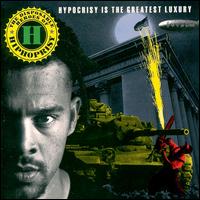
The Disposable Heroes Of Hiphoprisy – Hypocrisy Is The Greatest Luxury (March 3, 1992)

Hypocrisy_Is_the_Greatest_Luxury_-_Album_Cover

This is one of those albums that I look at and have to ask myself “why did I buy this album, again?”. I don’t mean that in a this-album-is-hot-garbage kind of way, especially considering this is the first time I’ve ever listened to Hypocrisy Is the Greatest Luxury. I say that in more of a I-don’t-reconginze-any-of-the-songs-listed-in-the-liner-notes-so-why the-hell-did-I-by-this kind of way.

The Disposable Heroes Of Hiphoprisy (who going forward I’ll only refer by the acronym TDHOH) was a Oakland based duo of Rono Tse and Michael Franti, who most of you now know as the front man for Spearhead (another group that I’ve heard about but have never listened to one of their songs, that I’m aware of). The two met while they were attending San Francisco University and with a few other cats formed a punk/spoken word band called Beatnigs. Between ’86 and ’90, the Beatnig’s would release a full length album and an EP on the indie record label Alternate Tentacles. Michael and Rono would leave the Beatnigs to form TDHOH, signed a deal with 4th & Broadway, and released their debut album Hypocrisy Is The Greatest Luxury (which I’ll refer to as HITGL from here on out) in 1992.

With the exception of some live instrumentation from a few friends, HITGL is completed produced by the duo, and would go on to receive critical claim (which is a relative term), which naturally means it didn’t move a ton of units. The album was also included in Robert Dimery’s book 1001 Albums You Must Hear Before You Die, which means I now only have 1000 more albums to listen to before I croak. Life is all about progression, son.

Satanic Reverses – Over a solid bass line and decent instrumental, Franti opens things up calling out the contradictions and inconsistencies that existed in America in 1992, and many of his thoughts are still relevant today. There is a lot of meat on this bone. You’ll have to listen to it a few times to decipher through it all. Thanks to a mediocre instrumental, I didn’t really feeling this one.

Famous And Dandy (Like Amos ‘N’ Andy) – Ah! The one song from HITGL that I do remember. Once I heard the intro it immediately brought the video for this song back to memory. For those who may not know, here’s a little episode of Kid’s Korner: Amos ‘N’ Andy was radio shows that ran from the late 20’s to the mid 50’s. The show starred two white actors who played two African-American men, and played heavily on ethnic stereotypes as the characters spoke and acted buffoonishly, aka a minstrel show. On this one Franti addresses how a large portion of black entertainers, and blacks in general, will almost sell their souls to become rich, famous, or just get noticed. Franti makes a lot of solid points in this one, but his substance gets lost in his awkward delivery that falls somewhere in between traditional hip-hop rhyme form and spoken word. Plus the terrible instrumental completely buried the song.

Television, The Drug Of The Nation – If you didn’t already figure it out based on the song title, this one is about the dangers of television that, as Franti puts it, is “breeding ignorance and feeding radiation”. Franti sounds like a poor man’s Chuck D when he recites the hook on this one. Instead of mixing delivery methods, Franti sticks with the spoken word approach, and it works for the most part. Charlie Hunter is credited for adding some live guitar licks to the enjoyable instrumental. This was solid.

Language Of Violence – Michael (I had to take a short break from referring to him as Franti) shares a tale of a teenage boy who is possibly struggling with homosexuality (it’s never made clear as I’m sure Franti left it that way on purpose), being bullied at school.  The bullies start of by calling the boy derogatory names, then things quickly escalate, when the bullies follow him home from school one day and beat the boy to death. An eye-witness catches the act, so the main conspirator is tried as an adult and after being convicted and sent to prison, becomes the recipient of what “comes around goes around”. Franti closes the song with some pretty powerful questions, leaving the listener with something to chew on. The instrumental is not spectacular, but it works, as it’s understated form allows you to focus on the content.

The Winter Of The Long Hot Summer –  In an almost whisper of a voice Franti recalls the events leading up to and through the Gulf War. This was painful to listen to. The boring instrumental mixed with Franti’s choppy delivery make this song feel like it’s 25 minutes in length.

Hypocrisy Is The Greatest Luxury – Over a mediocre up-tempo instrumental, Franti acknowledges his own hypocrisies before calling out America on its hypocrisies, which is kind of hypocrisy in itself, right? I love the violin sample that comes in during the hook, though.

Everyday Life Has Become a Health Risk – Franti rambles on about government experiments and tests that damage our air quality with toxic chemicals and animals being injected with hormones to grow faster for human consumption. I believe there is truth to his thoughts, but never have I been so bored listening to someone discuss conspiracy theories in my life. This was almost as bad as “The Winter Of The Long Hot Summer”. Furthermore, based on the song titles on HITGL, the album could have appropriately been titled “The Album With The Long Ass Song Titles”.

INS Greencard A-19 191 500 – I’m assuming this interlude was included to set up the next song…

Socio-Genetic Experiment – Over a decent instrumental and some live guitar licks from Charlie Hunter, Franti discusses his multi-ethnicity (he’s Native American, African-American, Irish, and German), how growing up this way in America makes one in his shoes feel, and despite all the challenges he faces, he’s still proud of who he is. This was a decent listen.

Music And Politics – Over some simple but pleasantly peaceful acoustic guitar licks from Charlie Hunter, Franti gets introspective as he discusses the things he would focus on if all his thoughts weren’t tied up on music and politics. Must be an Aries thing, because I can feel him on all his introspections. Easily, my favorite song on HITGL.

Financial Leprosy – Still planted firmly in his pulpit, Mike (by this point we’re acquainted well enough to be informal) uses this one to address the irresponsible spending of the American consumer as well as the misguided spending of the American taxpayer’s money by the government. The garbage instrumental mixed with Mike’s awkward delivery make this one nearly impossible to listen to.

California Uber Alles –  The song title (which when translated from German to English means “California above all others”) is taken from the late seventies song of the same title, from the rock group The Dead Kennedys, which takes shots at then California governor Jerry Brown. Like the Dead Kennedys before them, TDHOH use it to criticize then current republican governor Pete Wilson and his policy. I’d rather watch paint dry than listen to this song again.

Water Pistol Man – After listening to this one 4 times and reading the lyrics from the liner notes, I’m still not sure who the “Water Pistol Man” is or what the hell this song is really about. Thankfully, this is the final song of this 13 song sermon, because I’m starting to get a migraine listening to this.

Franti’s style can be best described as Chuck D meets Gil Scott-Heron. Like those two legends, Franti has a lot to say on HITGL, as he brings some original concepts and makes many solid points, leaving the listener with a lot to chew on. At times, maybe too much to chew on. I’m all for substance in music, but if the substance is presented in an unentertaining format, the music suffers, which results in the artist losing the listener’s attention. Unfortunately, the majority of the production on HITGL ranges from mediocre to painfully boring, while Franti struggles to find a delivery that works, and sounds uncomfortable throughout, as he crams more content in to each song than the human brain is able to consume; and more importantly, enjoy.

Not a good album but I’ll have to seek out the rest of Franti’s work as the dude definitely shows potential on this one.

-Deedub

Posted in Uncategorized | 1 Comment

Boogie Down Productions – Sex & Violence (February 25, 1992)

220px-Sex_and_Violence_BDP

BDP has always been respected for their hardcore formula of hip-hop, substance, and unlike many of their peers, the integrity to never follow the trends. I’ve always thought their first three albums were a bit inconsistent, but on the fourth album Edutainment, Kris Parker and company seemed to finally find the perfect blend of consistently quality production placed behind the blastmaster’s masterfully meaty verses. Edutainment (which has to be one of the best album titles of all time) was not only the most consistent album in BDP’s catalog, but it was also the first and last BDP album to earn the crew a gold plaque.

Still at his peak in ’92, KRS-One and company would return with their fifth album Sex And Violence. While the title may lead you to believe that BDP had succumb to the pressures of the industry to follow current trends in pursuit of record sales and the almighty dollar, that was not the case. In the liner notes (by the way, I love liner notes. All this good information doesn’t come with an iTunes purchase) Kris explains that the album title “Represents radio and television, in that order. I call the album Sex & Violence because that is what entertainment has become in ’92 thus creating a more sexist and violent youth in America via the world!”.

While BDP’s message may not have changed on Sex And Violence, the faces in the crew definitely did. In the liner notes Kris holds no punches as he clearly spells out who BDP is:”BDP in 1992 is KRS-ONE, Willie D and Kenny Parker! BDP is 1992 is not D-Nice, Jamal-ski, Harmony, Ms. Melodie and Scottie Morris. They are not down with BDP so stop frontin’. We roll tight and hard this year because too many people want something for nothing.” That’s what I call direct and to the point. Sex And Violence would include production from long time BDP member and Kris’ little brother, Kenny Parker, Pal Joey (who produced “Love Is Gonna Get’cha”), long time BDP studio engineer D-Square, and the legendary Prince Paul. The album did not move a ton of units but most of the albums that I hold in high regard didn’t, so that don’t mean shit.

This would be the final album under the Boogie Down Productions name as Kris would go onto to release a sleuth of solo albums, which is kind of funny considering BDP was pretty much KRS-One and friends, in the first place.

The Original WaySex & Violence opens with the Parker boys poking fun at the industry and deejays moving away from using vinyl for alternative methods (i.e. cds and laptops) to rock a show. Then a warm reggae tinged instrumental drops before Kris’ voice comes in slightly distorted, giving the song a live feel (which I’m sure is what he intended). The warm reggae instrumental is quickly replaced with a simply drumbeat that Kris chants over before he and Freddie Foxxx (who you may also know as Bumpy Knuckles) exchange verses with Kid Capri making a brief cameo at the end of the song. This was okay, I guess.

Duck Down – For some reason I remember this being the lead single from Sex And Violence, but apparently from everything I can find online it was the second single. Regardless, this song is bananas! From the hard drums, to the sick guitar sample, to Kris’ crisp and precise lyrics, this song is a monster and a certified banger. Easily one of the top 5 song in BDP’s catalog and KRS-ONE’s solo catalog as well. Classic.

Drug Dealer – Prince Paul concocts a mid-tempo groove with a slightly reggae feel that Kris puts his teacher’s hat on for. Today’s lesson is for the black drug dealer as Kris’ message isn’t telling them to stop but instead suggest that if their going to sell drugs at least put the money into building up the black community, like all the other races have done in the history of this country. Even if you don’t agree with Kris’ ideology, he definitely makes some strong points on this one. Solid.

Like A Throttle – Kenny Parker hooks up a sick instrumental that Kris completely obliterates, displaying why he must be in the argument for GOAT, and definitely in the top 5 dead or alive. Over the course of his two verses he drops lessons, sprinkles in a bit of dancehall (that he comically snaps himself out of at one point to get back to the hip-hop), and smacks all competitors in the face while warning them to “get the fuck out my face, I run this place, you’re lucky we’re from the same race”. Listening to this today reminded me of why I fell in love with hip-hop in the first place. Sit back and enjoy a wordsmith at work, kids.

Build And Destroy – X-Clan had fired a few shots at Kris, criticizing him for his humanist views, as they felt he should focus more on the black man and the pro-black movement that they were about. Over an average Kenny Parker instrumental, Kris defends his humanist stance and explains why he doesn’t focus solely on the pro-black movement, and even shoots down the belief that the black man is god, which was the popular thing to say amongst hip-hoppers in the early nineties. Kenny’s instrumental could use a little life but Kris’ rhymes will leave you with something to dissect.

Ruff Ruff – Freddie Foxxx makes his second appearance of the evening, as he and Kris split mic duties again, over a solid up-tempo instrumental produced by D-Square. Kris will always be in my top 5 dead or alive, but Freddie Foxxx steals the show on this one. That’s just my opinion, though. What do you think?

13 And Good – This was the lead single from Sex And Violence. Pal Joey gets his second production credit of the evening and hooks up an understated, slightly reflective backdrop that Kris uses to tell a story about a well built female that he meets at the club and takes home for a one night stand. Things get interesting the next morning, when while having pillow talk, the female reveals that she is only 13 and threatens to cry rape and get her father involved if Kris’ character doesn’t agree to turn their one night stand into a commitment. Speaking of her father, he just so happens to be a police chief. For those not familiar with the song I won’t completely spoil the ending, but the song is over 20 years old, so you might want to get on that. Heather “All Glocks Down” B makes a small cameo in between verses on this one, which I figured I’d mention since I’m an unofficial citizen of Sway In The Morning and all. But I digress. Entertaining storytelling from Kris. This is a slept on classic.

Poisonous Products – Kenny Parker samples a portion of Isaac Hayes’ “Joy”, strategically sprinkling it over a killer bass line that Kris rips the heart out of. The sample of the relaxing male vocal speaking over a melodic female harmony in between Kris’ verses was a nice added touch.

Questions And Answers – Over a mediocre Pal Joey instrumental Kris interviews himself. No, I’m serious. Over the course of two verses he literally asks himself questions and then replies. Yes, it sounds as corny as it um, sounds. To make matters worse, Kris sounds like a whiny 5 year old as he complains about not being able to get on the cover of a magazines. This one should have been left on the cutting room floor.

Say Gal – KRS-ONE puts on his dancehall hat as he chants about women who dress seductive, seek out celebrities, go back to their hotels and then cry rape. Very controversial, especially considering Kris makes it clear where he stands in the matter, which I’m sure many would perceive as judgmental and possibly masochistic. I’m shocked he didn’t receive a ton of backlash from the female fan base and feminist groups back in the day. Over twenty years later this topic couldn’t be more relevant. Two words: Bill Cosby.

We In There – Kenny Parker hooks up a grimy and bleak instrumental that makes for the perfect backdrop for Kris to dish out verbal ass whippings over. While no names are said on the record, it’s clear that he was taking shots at Ice Cube and PM Dawn. He later admitted he didn’t appreciate Cube’s line in “Rollin’ Wit The Lench Mob” where he appears to take a shot at Kris’s Stop The Violence Movement (“some rappers are heaven sent, but Self-Destruction don’t pay the fucking rent”) or PM Dawn questioning what kind teacher he is in a magazine article. You may remember in January of ’92, while PM Dawn was performing at a club in New York, Kris and his crew rushed the stage, literally throwing Prince Be and DJ Minutemix off the stage and then proceeded to rock three of his own classic records. Some of Kris’ peers saw his actions as a contradiction to his Stop The Violence Movement and called him out on it. Das EFX was one of them. On the video remix version of “We In There”, Kris adds a third verse and fires direct shots at Das, even accusing them of stealing their style from Treach (of Naughty By Nature). Eventually, Das and Kris would squash their beef and few years later work together on Kris’s second solo album, but I digress. I never cared much for the instrumental on the remix, as it sounds a bit soft. The album version is sick, though.

Sex And Violence – Prince Paul samples Booker T & The M.G.’s “Boot-Leg” record creating an infectiously bouncy backdrop. Kris is in full dancehall mode as he chants the entire song, venting about the over abundance of sex and violence on tv and radio, as well as his disdain for commercial radio and deejays. This is a feel good joint that would be fun to hear live. Which by the way, if you’ve never seen KRS-One perform live you have not truly experienced hip-hop. I’m just sayin’.

How Not To Get Jerked – Kris builds on Q-Tip unwritten industry rule# 4080, as he gives advice on how to avoid getting played in the music industry, for those interested. Prince Paul get his third production credit of the evening, at it’s decent. This definitely wasn’t one my faves.

Who Are The Pimps? – First off, I’d like to think the Blastmaster for punctuating the song title with a question mark. Pal Joey gets is 4th and final production credit of the evening and hooks up a hot up-tempo instrumental that Kris uses to equate the pimp and the hoe relationship to the IRS and the tax payer. Very clever and well done, Kris.

The Real Holy Place – Over what sounds like the soothing music they play at a massage parlor, Kris begins his 4 1/2 minute rant lecture on what the song title suggests. At this point in the ever changing philosophy of Kris Parker, he was into the whole metaphysics thing. As much as I respect KRS-One as an emcee I’ve rarely agreed with his forever evolving spiritual beliefs. I mean, the guy changes Gods as often as The View changes it’s roster.  This didn’t add anything value to the Sex And Violence experience.

It’s evident while listening to Sex And Violence that not only was KRS-One fed up with what America deemed as entertainment, but he also raps like he has a chip on his shoulder. With different crews taking shots at him and his philosophy, it’s almost like he felt he needed to defend the rep he had built for himself the previous 6 years. Luckily for  the listener, that pressure results in Kris producing some of the best records in the BDP/KRS-One catalog (i.e. “Duck Down” and “Like A Throttle”). Over the course of 15 tracks and pretty solid production, Kris sews lessons, boasts, and lyrical mouth shots together, resulting in a quality assembled quilt, I mean, album. While there are some forgettable moments on Sex And Violence and its not as consistent as it’s predecessor, it’s still dope in its own right.

-Deedub


Posted in Uncategorized | 5 Comments

Fu-Schnickens – F.U. “Don’t Take It Personal” (February 25, 1992)

220px-FUDontTakeItPersonal

In the early 00’s, Nas was in the middle of a war of words with Jay-Z. After Jay-Z released the monster dis track “Take Over”, it appeared he had ended Escobar’s career, which was seemingly on life support at the time anyway, since as Jay-Z put it, he had a “1 hot album every 10 year average” at the time. With his back against the wall and the world ready to stick a fork in him, Nas wiped the dirt off his shirt, grabbed Eric B & Rakim’s classic “Paid In Full” instrumental and recorded a song called “Stillmatic (Freestyle)” (not the intro to his album with the same name), firing shots back at his adversary and his team. This of course would set the stage for his classic dis record “Ether”, that would solidified Nas’ victory in this epic clash of titans. But I digress.

Few remember Jay-Z during his pre-Reasonable Doubt days, when he made a few cameos on other artist’s songs (i.e. Big Daddy Kane’s “Show And Prove” and Original Flavor’s “Can I Get Open”). During those days, Jay didn’t have the laid back conversational flow that we’ve all come to know and love, but instead he used to rhyme with a quick rapid fire delivery. On “Stillmatic (Freestyle)” Nas calls him out on this and says “I rule you, before you used to rhyme like the Fu-Schnickens, Nas designed your blueprint who you kidding”. This line obviously accuses Jay of being a biter, but I’ve always perceived it as an unintentional jab at the Fu-Schnickens as well. In hindsight, many viewed the Fu-Schnickens as a corny gimmick. Do you, remember the Fu?

The Fu-Schnickens were the Brooklyn trio made up of Moc-Fu, Poc-Fu, and the chief emcee of their three-man crew (and the emcee Nas’ compared Jay-Z’s early sound to), Chip-Fu. Like the UMC’s before them (and a few years before the Wu-Tang Clan) the trio was influenced by Asian culture, as they would often makes references to Chinese food and Kung-Fu movies, and could often be found rockin’ Chinese tunic suits in videos, photo shoots, and at shows. The trio created a bit of a buzz with their first single “Ring The Alarm” in ’91 and followed up on the buzz in ’92, releasing their debut album F.U. “Dont Take It Personal” on Jive.

On the strength of the groups non-threating and almost cartoonish persona, mixed with a few strong singles, the Fu-Schnickens were able to parley F.U. “Dont Take It Personal”
into a gold plaque. They would release one more album in ’94 (Nervous Breakdown) that failed commercial before the group disbanded.

Gimmick or not a gimmick, that is the question.

True Fuschnick – This was the third and final single released from F.U. “Dont Take It Personal”. A Tribe Called Quest is given the production credit for this hard-driving instrumental that Chip, Poc, and Moc (who sounds a lot like Phife) use to proclaim how true they are to the Fu-Schnicken name. It’s been said that Chip-Fu’s style is the father to Das-EFX’ early diggidy-fliggidy flow. Listen closely to Chip’s verse on this song and I’m sure you hear some similarities. None of the trio sounds great on the mic, but the hyped hook and sick instrumental will keep your head bobbing. Which should come as no surprise considered who constructed it. I’m just sayin’.

Movie Scene – This one opens with reenactments of what is supposed to be scenes from old karate flicks (hence the song title). Then the beats drops and things fall a part quicker than Kim Kardashian and Kris Humphries marriage. From the basic drum beat, to the annoying Chinese singing sample on the hook, to our hosts rhymes, nothing went right on this song.

Ring The Alarm – As I mentioned in the intro, this was the first single and the song that put the Fu-Schnickens on the map. Lyvio G samples dancehall artist Tenor Saw’s eighties hit of the same name, and turns it into a banger that Chip-Fu uses to go dolo over. Although I can’t make out half of what Chip is saying, his slightly dancehall rapid fire flow sounds nice over the backdrop. I completely slept on this song back in the day.

Back Off – The Fu-Schnickens and Lyvio G are credited for the instrumental as Chip-Fu gets his second consecutive solo joint. The backdrop samples the same haunting Lowell Fulsom (“Tramp”) bass line that EPMD used for “Rampage” and Cypress Hill borrowed for “How I Can Just Kill A Man”, with a nicely placed Grand Puba vocal sample for the hook. Chip-Fu uses it to spray his rapid fire flow every where and he even takes a shot at Rob Base, Too-Short, and every rapper’s favorite targets in the early nineties, Young MC and Vanilla Ice.  I just wish I could understand what Chip’s saying without having to read the lyrics from the liner notes.

Heavenly Father – A Tribe Called Quest gets their 2nd production credit of the evening as they borrow liberally from Alicia Myers eighties hit “I Want To Thank You”. Moc and Poc return from their short vacation and join Chip as they each get a verse to give praise to God, and they all submit pretty solid verses. If you’re looking for substance this is about all your going to get on F.U. “Dont Take It Personal”, so feel free to check out now. As unoriginal as the instrumental is, I still dig this one. I guess I’m a sucker for praise and worships raps. And A Tribe Called Quest.

La Schmoove – This is easily my favorite Fu-Schnickens song in their limited catalog. A Tribe Called Quest gets their third and final production credit of the evening for this one, which was also the second single released from F.U. “Dont Take It Personal”. Over a mid-tempo groove with an infectious bass line, the Fu-Schnickens invite Phife-Dawg to the cipher as all parties involved spit a verse. Like “True Fuschnick” none of the emcees spit life changing rhymes but the instrumental and energetic hook with get you into this one.

Props – I didn’t care much for this one back in the day. It’s still not a great song but I do dig the trumpet sample on the break during the hook.

Generals – Over a boring instrumental, our Fu brethren do their best Cold Crush Brothers rendition. Next…

Check It Out – Riding high off the success of Black Sheep’s debut A Wolf In Sheep’s Clothing, Dres cooks up a mildly interesting instrumental and spits a quick verse on this one. Brothers Fu also invite 40 Love, Kung-Fu (who is given props a few different times during the course of the album), and B5 to the cipher. Dres spits a nice verse and Chip, who closes this one out, spits another rapid fire flow that sound interesting but the lyrics for this one aren’t printed in the liner notes, so I’m left in the dark to what he was saying for most of his verse.

Bebo – Nothing like a nice warm bowl of hot garbage to close things out. I’ve never a sample of George Clinton’s “Atomic Dog” sound so unfunky.

F.U. is definitely not fine wine. Chip-Fu shows potential on the mic but his brethren come to the battle with empty guns, and as a unit their rhyme style sounds a bit dated and cartoonish. F.U. is not all bad, though. Chip-Fu’s solo songs are solid, and A Tribe Called Quest’s presence adds a nice touch as they produce probably the three strongest songs on the album, with Phife dropping a verse on one of them, and ATCQ’s Native Tongue brethren, Dres producing and rhyming on a fourth song.

Thankfully, F.U. “Dont Take It Personal” is only 10 tracks in length, so you won’t have to sit and listen through too much filler material, in case you’re doing a stunt blog like this or you own a copy of F.U. “Dont Take It Personal” in it’s 8-track format. Listening to F.U. “Dont Take It Personal” today definitely confirms the Fu-Schnickens were yesteryear’s flavor of the month, without any truly timeless quality in their music. Time is definitely illmatic.

-Deedub


Posted in Uncategorized | 4 Comments