Digital Underground – Sons Of The P (October 15, 1991)

220px-Sons_of_the_P

Though most of you may have forgotten (or were not yet born), by 1991 Digital Underground was one of the hottest up and coming groups in hip-hop. Led by the cool laid back ringleader Shock G and his alter-ego court jester Humpty Hump, DU was able to penetrate the earth’s surface and obtain a bit of commercial success with their formula of unthreatening lighthearted party rhymes over funk beats. Their 1990 debut album Sex Packets was critically acclaimed as DU would Humpty dance their way to a platinum plaque. In the summer of 1991 DU returned to drop an EP, properly titled This Is an E.P. Release, as an appetizer to keep their fans temporarily satisfied and build anticipation for the full length follow-up. Even though the reviews for This Is an E.P. Release were mixed it would go on to earn DU a gold plaque.

DU would return in the fall of 1991 with their second full length effort. Since Digital Underground was largely influenced by the P-Funk sound and as a way to pay homage to their funk forefathers they titled the album Sons of the P. Sons of the P received favorable reviews and would earn DU their second consecutive gold plaque.

DU continued to record albums throughout the nineties (and even released a few projects independently in the 00’s), but Sons of the P is really the last DU effort to garner any significant airplay or commercial success. Almost overnight Shock and company went from hip-hop relevancy to qualifying for the next artist featured on TV-One’s UnSung. Time is truly illmatic.

The DFLO Shuttle – As explained on the back of the cd jacket, the DFLO (short for Dolio-Flow) Shuttle is a small make-believe metro rail system that runs between the underground recording labs and the earth’s surface. It is the only link between the underground and the real world. Shock and some of the extended DU family spend 5 minutes or so talking about the DFLO Shuttle, including a verse from 2pac. The concept is kind of silly and the instrumental was pretty boring.

Heartbeat Props – This was a pretty clever title and unique concept. Shock and company flip Funkadelic’s “Freak Of The Week” for the backdrop as Shock, Shock Humpty, Money B, and Big Money Otis give props to the black leaders who are still breathing. Or at least were still breathing in 1991. It was kind if interesting to hear them shout out Bill Cosby and Beverly Johnson in the same song. This was decent, although at 7 and a half minutes it runs a bit too long.

No Nose Job – Over a sick stripped down instrumental Humpty rolls solo as he playfully refuses to get a nose job.  At the surface this comes off as your typical light-hearted Humpty Hump song, but if you listen closely to Humpty’s lyrics you’ll hear him raise some good points about being comfortable and loving yourself (which is pretty relevant considering some of the stories in the news lately).  This still holds up well today.

Sons Of The P – Shock and friends slow the pace down a bit to pay homage to the Fathers of P-Funk, with an assist from the most recognized forefather of the P-Funk movement, George Clinton. There is more chanting, spoken word, and singing than actual rapping on this one. It grows on you the more you listen to it, but they could have cut this one at the 4 and a half-minute mark instead of letting it roll on for over 9 minutes.

Flowin’ On The D-Line  – Over a rough instrumental Shock G spits one verse as he revisits the events he experienced while riding the train (which may or may not be another name for the DFLO shuttle) one random evening. Shock’s rhymes were pretty entertaining and the beat knocks.

Kiss You Back – This was the first single and easily the biggest hit on Sons of the P. DU loops up a piece of  Funkadelic’s “(Knot Just) Knee Deep” for the backdrop as Shock expresses his affection for his lady (even though at one point in the song he kindly reminds her that “if you hit me then I’ll hit you back“). Shock’s verses are more spoken word than raps, but this song is catchy as hell.

Tales Of The Funky – DU uses this one to reminisce and pay homage to Parliament and Funkadelic. Nice sentiment, but I wasn’t feeling this one.

The Higher Heights Of Spirituality –  Over a smooth reprise of the instrumental used on “Sons Of The P”, an uncredited poet shares a brief spoken word piece. Decent.

Family Of The Underground – This is my favorite song on Sons of the P. It opens with Treach (from Naughty By Nature) and Pac discussing the size of their respective crews (the Flava Unit and DU), to which Treach suggests that the entire DU family should come together to do a record, and ironically Pac doesn’t even spit a verse on the song. Fittingly they loop up a portion of Sly and the Family Stone’s “Family Affair” for the backdrop. None of the emcees involved contribute great verses but you can feel the love and the instrumental is dripping with good vibes and suitable to play at your summertime cookout.

The D-Flowstrumental – Instrumental version of “The DFLO Shuttle”.

Good Thing We’re Rappin’ – This one opens with Pac warning parents to put the kids to bed because the “G” part of the Sons of the P is over. The hard instrumental drops and Humpty spends the next two verses reliving his pimping days (Shock has stated in interviews that he actually was a pimp before he got into the rap game). The usually playful funnyman comes off semi-sinister, scolding hookers for being disobedient and checking players for being disrespectful. This is easily the most gangster record in DU’s catalog and it’s hi-larious.

Sons of the P has a more serious and slightly militant tone than any of DU’s prior projects. Hell, even Humpty takes off his clown nose (figuratively speaking) to get slightly serious on a few songs. Sonically, Sons of the P lives up to its name as the P-Funk influence is present throughout. Unfortunately there are a few songs that don’t work and most of the album’s songs over stay their welcome with extended run times. Sons of the P isn’t DU’s best work, but its a decent listen and an honest homage to P-Funk and it’s forefathers.

-Deedub


Posted in Uncategorized | 4 Comments

The U.M.C.’s – Fruits Of Nature (October 15, 1991)

220px-Fruits_of_Nature

Carlos “Hass G” Evans and “Kool Kim” Sharpton met while working at the Statue of Liberty in New York city, along with future Wu-Tang Clan members U-God, Method Man, and Inspectah Deck. All 5 parties would hone their skills spitting together and before long, Hass G and Kool Kim would break off from the rest as the two would form the Universal MC’s, better known to the world as The  U.M.C.’s. Even though the U.M.C.’s came up with a lot of the Wu members, their sound was completely different then what their Staten Island brethren would come with a few years down the line. While Wu had a grimy sound the U.M.C.’s were more polished and wholesome. Some have even compared them to Kid N Play and DJ Jazzy Jeff & The Fresh Prince because of their PG content.

The U.M.C.’s would eventually ink a deal with Wild Pitch and released their debut album Fruits Of Nature in 1991. Hass G and RNS (who is often credited as the man who taught the Rza how to make beats) handle all of the album’s production duties. Fruits Of Nature would go on to receive fairly solid reviews and their album cover will forever be immortalized as a poster on Martin Payne’s living room wall on the popular sitcom Martin. It must be stated that Hass and Kim were the first hip-hoppers from Staten Island to refer to their home as Shaolin and rep the Wu-Tang style on wax, a few years prior to the Wu-Tang Clan takeover (more on that later).

The U.M.C.’s would release one more album on Wild Pitch (which will get to in a bit (or a few years)) before disbanding. Hass would go on to produce hit records for the likes of Ghostface Killah, Busta Rhymes, 50 Cent, and Lil’ Kim, under the aliases of Hassan and later Carlos “Phantom on the Beat” Evans. Kool Kim would reinvent himself as semi-thug-semi-conscious rapper NY Oil, sounding or resembling nothing like his former self. There was talk of a U.M.C’s reunion a few years ago as a song was even floating around the cyber world. Nothing has come of said reunion yet, but it’s not like any one is really checking for a new U.M.C.’s album in 2015 any way.

One To Grow On – This was the second single from Fruits Of Nature, and its an undeniable banger. Hass G and RNS sample Blue Mitchell’s “Good Humor Man” record for the backdrop, throw in a zany break from Bill Cosby’s “Ursalena” and a well placed horn sample as the cherry on top. Lyrically Hass and Kim stay in the pocket and don’t do anything to mess things up as they spit insightful rhymes of encouragement. These are the moments that I cherish most about the nineties. This is a severely underrated and forgotten gem.

Kraftworks – Over a dark jazzy instrumental Kim & Haas talk their brand of intricate shit. I love this beat. RNS and Hass were nice on the boards even way back then.

Morals – Just what hip-hop could use nowadays, and ironically one of the main reasons heads weren’t really checking for the U.M.C.’s back in the day.  Kim and Hass use this somber instrumental to discuss the importance of having and living up to your morals as well as what happens to those without them. The Bill Wither’s vocal sample at the end of the song was a nice added touch.

Blue Cheese – This was the lead off single from Fruits Of Nature. Until recently I never really understood what they meant by the title, which is kind of another way to call someone a wack emcee. Hass and Kim’s rhymes come off so polite you’d think they’re complimenting the rapper the dis is aimed at. Hass & RNS hook up a mid-tempo groove that’s so sweet you could put a wrapper on it and call it skittles. This sounds better today than it did 2o plus years ago. Fine wine, baby.

Swing It To The Area –  Fruits Of Nature takes a slight step back with this one. Kim and Hass sound okay as they spit decent battle rhymes, with a twist thrown in on the instrumental at the end. But this one is forgettable.

Never Never Land – Our host along with an assist from the Berkeley Carroll Summer Choir spend approximately 4 minutes talking about Peter Pan’s stomping ground. I know, the title makes it sound cheesy, but it’s not that bad. And the instrumental is sick.

You Got My Back – Over a decent instrumental Kim and Hass take the time to shout out each other on this ode to faithful friends. Nice and positive.

Jive Talk – The U.M.C.’s discuss the reasons brothers lie and what the end results of those lies can bring. I love the instrumental work on this one. I’m starting to sound like a broken record.

Feelings – This one can be categorized as emo, as Hass and Kim are, as the kids say, all up in their feelings, as they tenderly express how they feel about a couple of prospective mates. The instrumental works well with the duo’s content and guests vocalists Tonya Wilcox and Alton Sharpton provide a warm vocal assist on the hook. Some heads may find this one too soft, but I find it mature and honest.

Any Way The Wind Blows – This is probably the hardest records on Fruits Of Nature as the duo come off like they both have chips on their shoulders. In the first verse Hass makes reference to being a master Wu-tang blower. Note: Fruits Of Nature was released two years prior to Enter The Wu-Tang (36 Chambers). Hmm. The instrumental combines an Al Green vocal sample and a Syl Johnson loop with nice results.

Pass It On – Hass and Kim invite a few of their buddies to the studio, Kwazi and Prophet, for this cipher joint. The instrumental was way too bland, lacking energy and all 4 emcees reciprocate the feeling. It was mildly interesting to hear Haas and Kim both make references to their Wu-Tang flow, but this song is garbage.

Woman Be Out – Hass and Kim temporarily take off their Mr. nice guy hats so they can tell a couple of conniving chicks to kick rocks. The instrumental is decent with a perfectly placed Wilson Pickett vocal sample on hook.

Hey Here We Go – I completely forgot about this song, and it’s a banger. The chips that were on Hass and Kim’s shoulders on “Any Way The Wind Blows” have returned as the duo throw verbal darts at all haters and doubters over a fire instrumental. During his first verse Kim says ” I hear my old adversaries, their singing my song” then begins to sing what resembled the hook of King Just’s (remember him?) mega catchy record “Warrior’s Drum” (“hey ya, hey ya, hey ya, ho!”), then goes on to talk about leaving said adversaries dead on the shores of Staten and what not . Since this song was released a few years before “Warrior’s Drum” started to buzz, maybe Just’s joint was popular locally before it was ever recorded and released to the masses. Or maybe Kim is not only a emcees but a physic and new that Just would create a buzz around the stolen song idea 4 years later. Or it could be possible I’m way off on my assessment and reading way to into Kim’s verse.  It had to be aimed at somebody, though.

It’s Gonna Last – Hass and RNS slow the pace down a few bpm’s for this smooth laid back instrumental. Hass and Kim may spit their best verses of the evening as they declare their relevance and proclaim they will be remembered when they hang up their microphones and walk away from the game. I said it sounded good, I never said it was true.

Fruits Of Nature is the most underappreciated album of 1991 and possibly the most underappreciated album in hip-hop history. Neither Hass or Kim are excellent emcees but they are both proficient behind the mic, and sound right at home over Hass and RNS’ consistently quality production. In a year stacked with classic releases, Fruits Of Nature is a forgotten gem.

-Deedub


Posted in Uncategorized | Leave a comment

Marley Marl – In Control Volume II (October 7, 1991)

MMuntitled

In 1988 hip-hop super producer Marley Marl’s released In Control Vol.I, which was a compilation album that showcased members of the legendary Juice Crew, who were all up and coming artists when it was released. Pretty much all of them would go on to become respected emcees and have fruitful careers in hip-hop. In Control Vol.I would go on to earn Marley a gold plaque, tons of critical acclaim and help elevate Marley Marl to super producer status. It also includes arguably the sickest posse joint in hip-hop history (“The Symphony”).

Fast forward 3 years to 1991. Marley would return to release the follow-up, In Control Vol. II. This time around he would showcase a new crop of artists and incorporate some of his more established friends and crew members.

I bought this cd used a few years ago and this is my first time listening to it in its entirety. The reviews from the critics upon its release was mixed. Lets see how this one goes.

Intro – An audio stewardess thanks the listener for choosing to audibly fly with Marley, before instructing them to fasten their audible seatbelts and let Marley take control of their ears for the next hour or so. Audibly. Since the cover art for In Control Vol.I donned Marley in the cockpit of an airplane this intro might have made more sense on Vol. I than 2. But, whatever.

No Bullshit – Over the years Marley can be heard on several records he’s produced doing adlibs in his “old grandpa” voice, but I don’t recall ever hearing him spit. Until I heard this. This solo Marley joint showcases not only Marley’s production but his microphone techniques as well. He definitely shouldn’t quit his day job, but at least his boasts are true. It was kind of frustrating to hear all the censored curses, especially considering the song title, which is repeated at least 6 billion times during the hook. Not my favorite Marley Marl instrumental but it was decent.

The Symphony Pt II – The sequel to arguable the greatest posse song ever created, brings back all the original participants: Master Ace, Craig G, Big Daddy Kane, and Kool G. Rap. Some how Kane managed to sneak his little brother, Little Daddy Shane (which may be the worst moniker in hip-hop history) in at the end of his verse, which I found both blasphemous and useless. All parties turn in decent efforts but no one is outstanding, so while G. Rap clearly walked away with part 1, round 2 is a toss-up. Oh yeah, Marley’s instrumental is garbage. The instrumental used in the video adds a little twist to the original, but it’s still not even in the same stratosphere as part 1. And since we’re talking about the video, why the hell is Little Daddy Shane in the video and Kane is MIA? Wtf?

Level Check – Interlude.

Buffalo Soldier – MC Amazing is the first of Marley’s new crop of emcees to get a chance to showcase their talent on In Control Vol. II. He’s not terrible, but he’s far from amazing as his delivery sounds rushed and he doesn’t say anything that will leave a lasting impression. Marley’s instrumental sample’s King Floyd’s “Groove Me” and he hooks up a decent instrumental.

Mobil Phone – Short interlude.

At The Drop Of A Dime – Next up to bat is new comer MC Cash, whom I think is one person. The liner notes post a pic of two dudes and the caption says “MC Cash”, so I’m not sure who is who. It really doesn’t matter as whoever is rhyming drops forgettable line after forgettable line over Marley’s empty instrumental. This was not good.

Scanning The Dial – Interlude

Something Funky To Listen To – The duo Nexx Phase is next (no pun intended) up to bat. I believe only one of the two members rhymes on all three verses, so maybe the other guy is the group’s deejay? Marley cooks up a decent instrumental and the emcee in turn spits some decent lyrics over it. Not bad.

America Eats The Young – Finally, some emcees we’ve heard of. Tragedy, aka Intelligent Hoodlum, but nowadays known as thug-rapper-trying-to-stay-relevant-to-the-kids-even- though-the-kids-aren’t-checkin’-for-him Tragedy Khadafi and Chuck D show up for this one. It’s more of a Tragedy solo joint as Chuck only adlibs during Tragedy’s verses and holds down the hook. Marley provides an up-tempo instrumental that isn’t great but it’s energy compliments Tragedy’s flow. Tragedy’s cadence and content sound a lot like “Arrest The President”.  Solid record.

Check The Mirror – Unlike the first edition of In Control, which was strictly hip-hop, Marley decided to mix in a little R&B on part II. Marley’s instrumental work on this one reminded me of Tragedy’s “Keep Striving”, which is a R&Bish instrumental that I dug. The problem with this song is the horrid performance by the vocalist Portia. Believe me when I say there is a reason you haven’t heard from her since this record.

I Be Gettin’ Busy – Ladies Love Cool James stops by for a few and shows the newbies how it’s really done, easily dropping the best verses on the entire album. LL raps circles around Marley’s instrumental. He’s so good he almost makes you believe Marley’s bland instrumental is really a banger. This one left me wondering how Cool James would have fared on “The Symphony”. Hmm…

Girl, I Was Wrong – What were you thinking Marley? His instrumental incorporates the beginning portion of the Jackson 5 record “One More Chance” which he blends terrible with the rest of the bad synth laden R&B track. The featured singing group The Flex, don’t fare any better as their harmonies are about as tight as the skin around Betty White’s arms. And if the bad singing wasn’t enough to make you vomit their cliché filled content is sure to make you upchuck. This was terrible on all levels.

Fools In Love – Heavy D & newbie reggae artist Eclipse come together to create a dancehall remix of The Frankie Lymon classic “Why Do Fools Fall In Love”. Decent enough, I guess.

Another Hooker – Marley uses the same horn sample that he used on the opening track “No Bullshit”, so he was either feeling lazy or didn’t think Big Money Wiz was worth his creative juices. I’ll give him a pass if it was for the latter because this dude is hot garbage.

Cheatin’ Days Are Over – This instrumental is a banger, fully equipped with a killer bass line and rough guitar loop. Mike Nice does an adequate job of riding the beat as he paints a tale about a girl who turns out to be the complete opposite of who she originally presented herself as. Solid.

Reach Out –  Female singing group Perfection are the showcased artist on this one. Marley Marl concocts a bouncy feel good R&B instrumental for the ladies to sing a song to encouraging the listen to reach out to “him”, which I interpreted the “him” to be God. Considering the rest of the songs on In Control Vol. II “Reach Out” sticks out like a sore thumb; but it was a pleasant change of pace.

Keep Control – Now this is an interested collaboration: Tragedy, King Tee, Grand Puba (the liner notes hi-lariously have it spelled  “Grand Poobah””), Def Jef, and Chubb Rock, who collectively go by RISE, an acronym for Rap Industry For Social Evolution (now that’s catchy…and shouldn’t it technically be RIFSE?). Marley’s instrumental is decent and each rapper holds their own, but I was expecting more considering the talented roster.

Sweet Tooth – I’ll keep this short. The featured artist is Pure Cane Sugar. This was any thing but sweet.

Out For The Count – For the final song of the evening Marley hooks up a decent enough instrumental for Kevy Kev and AK B (two cornball monikers, by the way) to spit over. Unfortunately, the duo’s delivery sounds like 3rd graders reading a prepared speech by their teacher.  Awful way to close In Control Vol. II.

In Control Vol. II is terrible. The fact that none of the newcomers that Marley showcases on the album spawned solo careers is a testament to that. Not only were the newbies a disappointment but with the exception of LL (and maybe Tragedy) the veterans didn’t really impress on In Control Vol. II either. Probably the biggest disappointment, the man who is supposed to be “in control” nearly totals this whip as the majority of his production is sub par.

-Deedub


Posted in Uncategorized | 1 Comment

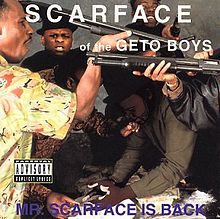
Scarface – Mr. Scarface Is Back (October 8, 1991)

220px-Scarface_-_Mr__Scarface_Is_Back

In the summer of 1991 The Geto Boys dropped, depending how you look at it, their 2nd, 3rd or 4th album We Can’t Be Stopped (read my review on it for detail explanation to what I mean), which was a commercial and critical success. Brad “Scarface” Jordan was easily the most skilled out of the trio, so it was only right that he would be next up to drop a solo album. Face would release his debut solo project Mr. Scarface Is Back in reference to his record “Scarface” from the Grip It on That Other Level album. Mr. Scarface Is Back would be more of the usual Scarface formula: drugs, murder, women, money, drugs, and more murder. A formula that your favorite rapper more than likely borrowed from.

Mr. Scarface Is Back would go on to earn Scarface a gold plague as well as receive a ton of critical acclaim. In a Rolling Stones article, Chris Rock ranked Mr. Scarface Is Back the 18th greatest hip-hop album of all time, also adding, and I quote “He (Scarface) is the most underrated rapper of all time and absolutely in the top three”. That may be the funniest joke Chris Rock has ever told.

Mr. Scarface – This one opens with Scarface singing his coke remix of the kid song “Itsy Bitsy Spider”, followed by his devious signature laugh. Then the hard funk instrumental drops and Face goes right in with his tales of coke, sex, and bloody murder. Face’s stories are pretty amusing and at times corny (sometimes both at the same time) but always guaranteed to keep your attention. The hook uses a sound bite from the classic movie Face took his moniker from: “All I have in this world…”. When I first heard this song back in the day, before I was familiar with the infamous Tony Montana,  I thought the hook was saying “by having visual”, which left me completely confused. Listen to it now and you’ll understand what I’m talking about. We move on.

The Pimp – Crazy C slows things down a bit as Face delves into verbal porn on this smooth laid back instrumental. Face goes into great detail as he describes a couple of sexual encounters, which are guaranteed to make you laugh or want to jack off.

Born Killer – Face sound like he’s starving on this one. He eats the heart out of this instrumental that sounds like a southern war chant with a rolling bass line laid underneath it. The horn loop that comes in during the hook gives the record an epic sound; and the Tony Montana sound bite was a nice added touch. This was fire.

Murder By Reason Of Insanity – This one starts off with the same drums pattern used on the Ultramagnetic MC’s record “Ego Trippin'”. Crazy C hooks up the same funk guitar loop that Dr. Dre used the year prior for the “We’re All In The Same Gang” record and adds a nice trumpet to smooth things out. Face rides the beat beautifully, painting bloody murder throughout his verses. Even through the gore Face will make you chuckle at least once with one of his witty one liners. Nice.

Your Ass Got Took –  Meh.

Diary Of A Madman – Face comes off as a psychopath verbalizing his twisted thought process and some dark truths. I wasn’t feeling the instrumental but Face’s rhymes were definitely intriguing.

Body Snatchers – Over a simple drum pattern and a funky guitar sample, Face comes off sounding more nimble than normal behind the mic. The self-proclaimed “homicidal maniac with suicidal tendencies” spazzes out as he collects more bodies on wax.

Money And The Power – I believe this was the third single released from Mr. Scarface Is Back. Face spits from the perspective of a drug dealer and what he’s willing to go through in order to obtain the two attributes mentioned in the song title. As usual he does it in a fashion that’ll keep you interested. I love the instrumental work on this.

P D Roll ‘Em – I’ve heard this bass line used on something else, but I can’t put my finger on what song it was (hit me in the comments if you know). Regardless, I love the bass line and the dark vibe it cast over the entire song. “P D Roll”, which is sling for getting shot, must be a southern thing. I’ve never heard anyone use that phrase here in the Midwest.

Good Girl Gone Bad – With intricate detail, Scarface tells the story of drug deal gone bad, which leads me back to the song title. Is the drug deal itself the “good girl” in the equation? Or is Face calling the shady character selling him the crack a girl?  Either way, the title is a bit misleading and doesn’t really tie in well with the song’s content. But I digress. The ending has an interesting twist and without spoiling the song for those who haven’t heard the song (even though it’s nearly 25 years old), its nice to know that cold-blooded murderers have morals too. The instrumental’s pace is way too slow, but on the other hand if it was any more up-tempo I don’t know if Face would have been able to get his story across as effectively. Catch 22.

A Minute To Pray And A Second To Die – This was the second single released from Mr. Scarface Is Back. Scarface and Crazy C hook up a familiar Marvin Gaye sample for the backdrop that Scarface uses to take a more somber look at death. This song exposes Face’s tendency to leave huge gaps of space in between his lines, similar to Lord Finesse, which sounds lazy and sloppy. The instrumental was nice, so overall, the song is cool.

I’m Dead – This may be the template for all of Biggie and Pac’s obsession with death. In one swift verse Face breaks down the clues that lead up to him ultimately realizing that he is dead.  Kind of a hip-hop short version of the movie Ghost. The instrumental samples the same loop Pete Rock hooked up for Heavy D’ “Gyrlz, They Love Me”, which sounds a little to up beat, considering the song’s content. Still entertaining, though.

I came in to this review only familiar with the singles from Mr. Scarface Is Back (“Mr. Scarface”, “Money And The Power”, and “A Minute To Pray”). After listening to it from beginning to end three times, there are a few mishaps but overall it’s an enjoyable listen. While many, such as Chris Rock, rank Face in their top tier emcees of all time list (an assessment even Scarface himself recently shot down on Sway In The Morning), I disagree. He’s not the greatest lyricist, doesn’t have the tightest flow, and at times he comes across sloppy. But what Brad lacks in lyricism and flow he makes up for with charisma and wit. Those two components along with Face’s country grammar and his brand of southern hip-hop soundscapes make Mr. Scarface Is Back an entertaining listen. Which is a feat that a lot of emcees who may be more talented than Face have failed to accomplished.

-Deedub


Posted in Uncategorized | 2 Comments

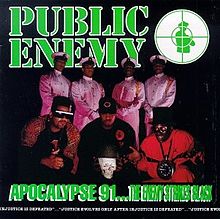
Public Enemy – Apocalypse 91…The Enemy Strikes Black (October 1, 1991)

220px-PublicEnemyApocalypse91

Fear Of A Black Planet ends with someone asking Chuck D to talk about the future of Public Enemy. As Chuck starts to respond the album abruptly ends. As you may remember the seams of the team begin to fall apart after It Takes A Nation when internal strife caused beefs amongst some members and others decided to leave the group. With all the uncertainty surrounding PE, Chuck’s silence was really the only answer he could give.

The true answer would be PE’s 4th album Apocalypse ’91…The Enemy Strikes Black . Chuck and Flavor would return taking the same militant stance as their previous work, but for the first time the Bomb Squad would not be responsible for  the sonic side of a PE record (they would receive an Executive Producer credit, though). Instead Stuart Robertz, Cerwin (C-Dawg) Depper, Gary G-Wiz, and the JBL, a collective know as the Imperial Grand Ministers Of Funk (it just rolls off the tongue, doesn’t it? ), would handle the production duties.

Apocalypse ’91 would earn PE another platinum plaque but the initial reviews were mixed. Let’s see how it sounds today.

Lost At Birth – This one opens with Chuck and Flav sounding like sound bites as they take turns repeating the same phrases over and over again, before Chuck spits one swift verse and this one is over. The Ministers Of Funk’s instrumental walks a fine line between being a head banger and an annoying bunch of noise.

Rebirth – After a brief rambling from Flav, Chuck comes in to spit one quick verse and sounds just as hungry as he did in 87′. Only sharper. Chuck single handily made this miniscule Ministers of Funk beat sound better than it really is.

Nighttrain – This was the second single released from Apocalypse ’91. The premise for this song is built around Chuck’s line from “Welcome To The Terrordome” that “every brother aint a brother”. Chuck’s content is solid but I’ve never been a fan of this song, mostly because of the uninspired instrumental. The Pete Rock’s remix (which includes an added verse from his partner in rhyme CL Smooth) is much stronger than the original.

Can’t Truss It – This was the lead off single. Chuck takes an in-depth look at the African slave trade and briefly discusses how it affects black America today. He gives a detailed description as he speaks from the perspective of a captured African recalling his 3 month trip on water as he’s “bruised on the cruise” to America. Deep shit. The Ministers of Funk back up Chuck’s bombastic performance with a banger of an instrumental.

I Don’t Wanna Be Called Yo Niga – (No that is not a typo (at least not on my behalf). That is how they spelled the “N” word on the liner notes) What would a PE album be without the comic relief of Flavor Flav? Flav is the ying to Chuck’s yang, as he kind of serves as a brief intermission between the serious sermons from the hard rhymer. Over a funky instrumental Flav declares that he does not want to be called the “N” word, minus one “g”. The song isn’t bad but the repetition and terrible singing during the hook start to grate on the ears.

How To Kill A Radio Consultant – This reminded of the Bomb Squad days. Over a hard instrumental Chuck goes for the neck of whoever is behind the wack radio programming. “Can I kick it? Who the hell is on the radio”, was that a shot at ATCQ? If anybody has the inside scoop, hit me in the comments. Regardless, this song was fire.

By The Time I Get To Arizona –  And just like that all the momentum built up on the previous song comes to a screeching halt with the dreariness of this one.  The subject is based on the controversial move by then Arizona governor Evan Mecham who refuse to recognize Martin Luther King Jr. Day as a national holiday in Arizona (which after years of boycotting by businesses, sports leagues, and musicians, the bill eventually was passed in 1992 officially making it a national holiday). The video depicts PE traveling to Arizona and killing Mecham (who in real life was impeached after being brought up on charges stemming from his mishandling of public funds). Unfortunately, I couldn’t even focus on Chuck’s lyrics because the instrumental was killing my will to live. Kudos on the intent but this is not a good song.

Move! – Chuck continues his verbal rampage on all perpetrators of injustice that get in his way. The Minister of Funk’s instrumental makes for a suitable backdrop for Chuck to get his point across.

1 Million Bottlebags – While most rappers celebrate being high and drunk, Chuck uses his microphone to address the dark truths about alcohol consumption, specifically how it affects the black community. Deep. Too bad the instrumental sucked elephant balls.

More News At 11 – Flav is back with his second solo joint of the evening with an assist from the media assassin Harry Allen on the intro, hook, and outro. Flav start this one-off by curiously repeating “I didn’t die right” (which must have been an inside joke, because I have no idea how that ties in with this song), before he spits two verses recalling criminal stories he heard on the news. The instrumental was softer than what you’re accustom to hearing on a PE record but it was a nice change of pace.

Shut Em Down – This was the third single released from Apocalypse ’91. Solid song it its own right, but the Pete Rock remix (which also includes a verse from the PR himself) is so fire it makes this mix sound like a demo.

A Letter To The New York Post – Flav gets his third and final solo record of the evening. Flav fires shots at The New York Post for reporting on stories about his personal life that he claims they didn’t get right. He owns up to smacking his baby momma, but apparently he thinks there was some justification for his actions? He saves the last verse to take a shot at JET magazine for running with the same story. Chuck D holds down the hook as he degrades and spill historically facts about both publications. This was slightly entertaining.

Get The F— Outta Dodge – This was previously released as the B side from the Fear Of A Black Planet single “Can’t Do Nuttin’ For Ya Man”. This might be the best instrumental on the entire album. It makes for the perfect backdrop for Chuck’s tale of being profiled by law enforcement while riding around with a booming system.

Bring The Noise (w/Anthrax) – Remix of the classic PE record from It Takes A Nation. Anthrax’ rock imprints are all over this one musically (they’re playing it live) and they even spit Chuck’s last verse for him. I wasn’t feeling this one, but I’m sure its inclusion helped move a few more units.

I mentioned at the end of the Fear Of A Black Planet review that it marked the pinnacle of PE’s reign. Apocalypse ’91 marks the first step headed back down the hill of supremacy. Chuck and Flavor’s King and court jester chemistry is still fully intact but the album suffers from the missing chaotic production style of the Bomb Squad. The Imperial Grand Ministers Of Funk (whose production at times sounds like a cheap Bomb Squad imitation) do a decent job on the production side, but it doesn’t quite live up to the PE standard PE fans are accustomed to.

-Deedub


Posted in Uncategorized | 1 Comment

A Tribe Called Quest – The Low End Theory (September 24, 1991)

ATribeCalledQuestTheLowEndtheory

If you read TimeIsIllmatic with in regularity you already know how much I’m in love with A Tribe Called Quest. They are easily my favorite hip-hop group of all time. But even with my deepest devotion to ATCQ, my ears weren’t fooled by love. Their debut album People’s Instinctive Travels and the Paths of Rhythm was a critical success (and a mouthful to say), as The Source even gave it a 5 mic rating. In my opinion, People’s was a solid debut that showed ATCQ’s potential, but there is no way it should have earned the 4 man crew a 5 mic rating, as there were a few too many lows along that journey to give it that high of a rating.

ATCQ would return in 1991 releasing the sophomore effort The Low End Theory. TLET picks up where People’s left off, blending jazz loops over boom-bap beats. While Phife had a limited role on People’s he would have an increased presence on TLET that would bring an added flavor missing the first time around.

TLET was a commercial (it would eventually earn Tribe a gold plaque) and critical success at is has been crowned by many reputable critics as one of the greatest hip-hop albums of all time. It also received a 5 mic rating from The Source, making ATCQ the only artist to receive a 5 mic rating on consecutive albums.

Side note: In Brian Coleman’s book Check The Technique: Liner Notes for Hip-Hop Junkies, Q-Tip explains that he originally wanted Naomi Campbell to be a painted model for TLET‘s album cover, kind of a way to pay homage to all of the sexy Ohio Players’ album covers. The label wasn’t able to get her, so they went with plan b, the virtual model that would dawn the next three ATCQ album covers.

ExcursionsTLET opens with a dusty bass line loop playing for about 10 seconds, before Q-Tip comes in and drops his first few bars. Shortly after, the rough drum beat drops to complement the sick bass line. The hook incorporates a vocal sample from the Last Poets mixed with a sorrowful yet beautiful trumpet loop. Q-Tip goes for delf as he drops two verses and comes off like a poetic sage on this one. Brilliant.

Buggin’ Out – “Excursions” end and goes right into another sick bass line that plays for a few seconds before the beat drops and Phife grabs the mic and shows the world that he actually has some spit in him. He and Q-Tip each get two verses and provide a perfect example of why they’re my favorite group and arguably one of the best emcee duos to ever bless the microphone.

Rap Promoter – Q-Tip opens this one up declaring “this is a fly love song”. Actually it’s not. It’s more so Tip letting any show promoter trying to get Tribe to perform at their venue that “the only shorts they take are the ones that they wear”, so come correct with the loot. Solid joint.

Butter – Phife gets his only solo joint of the evening and uses this one to discuss his game with the ladies. His lyrics are witty and amusing, but the instrumental is king on this one. I love the rough drums under what sounds like guitar licks falling from the sky. The cherry on top is the sick saxophone sample that feels as warm as 100 degrees in Shreveport Louisiana in the middle of June.

Verses From The Abstract – The song title pretty much sum this one up: Q-tip talks about everything from his fetishes to the importance of unity. The beautiful guitar sample is complimented by live bass, played by Ron Carter, and longtime Native Tongue collaborator, Ms. Vinia Mojica, lays down a sweet vocal during the hook.

Show Business – For years I’ve thought this bouncy feel good instrumental was produced by Diamond D, but it was actually produced by Skeff Anselm (yeah, the “produced and arranged by my 4 man crew, and oh shit, Skeff Anselm, he gets props too” Skeff Anselm). As legend has it, originally, Q-Tip, Phife, and Brand Nubian used this beat for a song they wrote called “Georgie Porgie”(Google it). The song was about a kid growing up in the hood that discovers he’s gay. The label felt the song’s content was too controversial, so they forced ATCQ to pull it from the album. Tribe decided to keep the beat, scrapped the original song idea, added Diamond D in place of Puba (who was so pissed that the label pulled the original song he didn’t want to partake in the remake) and used it instead to address the shadiness of the record industry (which can also be seen as a shot at the folks at Jive for pulling the original song). I’m curious on how “Georgie Porgie” would have been received had it made the final cut of TLET.  Without a doubt they would have been crucified if this was released in our current climate. But I digress. All in all, this makes for a solid album record.

Vibes And Stuff – I mentioned on the Cypress Hill review that ATCQ used the same Grant Green sample that Cypress used for “Stoned Is The Way Of The Walk”. This is that song. Tip and Phife share mic duties as they skate lovely over this sick instrumental.
The Infamous Date Rape – They avoided controversy by changing “Georgie Porgie” to “Show Business”, but TLET is not without its controversial moments, thanks to this song that addresses date rape. Tip hooks up a dark instrumental to set the mood for this song’s touchy (no pun intended) subject matter. Not my favorite ATCQ song but it’s still solid.

Check the Rhime – The lead single from TLET is probably the most popular song in all of ATCQ’s catalog. The bouncy bass line, tremendous trumpet sample on the break, and the back and forth chemistry of Tip and Phife had hip-hop heads stuck in the summer of 91′ and it still hold up well almost 25 years later. Classic.

Everything Is Fair – This is probably my least favorite songs on TLET, which coincidentally was produced by Skeff Anselm. Tip rides solo over this average instrumental. Thankfully, it’s pretty short and it fades right into this…

Jazz (We’ve Got) – Which is my favorite song on TLET. According to a quote from Tip the instrumental was originally produced by Pete Rock and intended for a collabo with himself, PR, and Extra P. The collaboration never happened and since the instrumental was still available, PR gave Tip permission to use it for this song. The combination of Pete Rock’s signature heavy drums mixed with the melancholy vibes and the sorrowful trumpet sample during the hook is almost heavenly. When you add Tip’s cerebral lines and Phife’s playful boasts, you’ve got a masterpiece. In my opinion, this is one of the top ten greatest hip-hop songs of all time. Yeah, I said it.

SkyPager -This is probably one of the few songs on TLET that people forget about until they go back and listen to the album. Tip and Phife use this one to address the “importance of a SkyPager”. Remember those things? The beat is harder than what you’re accustom to hearing on an ATCQ record, but it’s hot. The subject matter dates the song, but it still makes for a decent listen.

What? – Over a stripped down backdrop that reminds me of the Stanford & Son theme song, Tip spits one long verse filled with rhetorical questions that range from comical to serious, but the song maintains a light-hearted feel. This one sound just as good today as it did back in the day.

Scenario – This posse cut, which features Leaders Of The New School, will forever be remembered as the song that begin Busta Rhymes ascension into super stardom, as his undeniable energy brought the record to another level. He easily outshines Tip, Phife, Brown, and Dinco. Any true head has to include this in their top 5 posse joints of all time.

ATCQ used the time in between People’s and TLET to mature artistically. They tweaked and fine-tuned a few things just enough to create arguably the finest hip-hop album of all time. While the overall production was solid on People’s, they managed to perfect their jazz infused instrumentals on TLET. Q-Tip and Phife are rarely mentioned in the conversation of greatest emcee and there is no doubt they’re both top-notch in their own right, but when they join forces their chemistry in undeniable. If you don’t own this album please hand your hip-hop head credentials over to me, immediately.

-Deedub


Posted in Uncategorized | 3 Comments

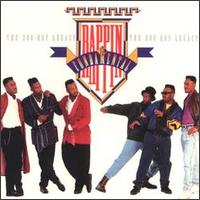
Rappin Is Fundamental – The Doo -Hop Legacy (April 2, 1991)


c355665n8r8 

*You can file this one after Redhead Kingpin’s The Album With No Name*

I first became acquainted with Rappin’ Is Fundamental aka RIF, after hearing a song called “The Doo-Bop Song”, which was a collabo with Miles Davis. As the story goes, Miles was sitting in his New York apartment with the windows open, listening to the sounds he heard on the streets. He wanted to record an album that captured these sounds, so he called up his friend, up and coming hip-hop mogul Russell Simmons, and asked him to find a young producer who could re-create the sounds he heard. Russell Simmons eventually brought him Easy Mo Bee.

For those who don’t know, Easy Mo Bee came on the scene in the later eighties and has produced tracks for the likes of Kane, Pac, Biggie, just to name a few. In my opinion he is severely underrated. In there early nineties Mo Bee and his partners AB Money and JR The Stone Cold Lover (who I’ll refer to for the rest of this review simply as JR) linked up to form the group Rappin’ Is Fundamental (RIF). They actually referred to themselves as a Doo-Hop group, mixing hip-hop sensibilities with doo-wop harmonies. Mo Bee would go onto to produce Miles Davis’ final album (Miles actually died while still recording it) Doo-Bop, which included “The Doo-Bop Song” that was released as the lead-off single off Miles’ Doo-Bop album.

I bought Rappin’ Is Fundamental’s debut (and only) album Doo Hop Legacy for two reasons: one, I’m a fan of Easy Mo Bee’s production. Secondly, I thought “The Doo-Bop Song” would be included since the single was released around the same time as Doo Hop Legacy. This is my first time listening to this album and I’m not even familiar with the singles they released from it. Hopefully Mo Bee’s production will lessen the disappointment of the missing “The Doo-Bop Song”.

Swing Of Things – AB Money, JR, and Easy Mo Bee each spit a verse on this opening track. All three emcees sound similar in tone and delivery making it hard to distinguish whose who, and all three deliver unimpressive verses. Mo Bee’s instrumental sounds like New Jack Swing meets his signature funk, which I thought was pretty nice.

Highway To Heaven – This one open with a sound bite from a man slighting the church before Mo Bee’s instrumental drops and takes the listener to chuuch. Mo Bee’s production reminds me of Pete Rock’s “Down With The Kings” instrumental mixed with a little black Pentecostal/Baptist church vibe. None of the trio say anything worth remembering but Mo Bee’s beat is funky.

Now That You Know My Name – This song is the embodiment of what I envision when I hear the term Doo-Hop. Mo Bee’s instrumental has a 1960s Motown vibe with a hip-hop twist. The trio even sing the hook in a melody reminiscent of the Temptations or 4 Tops. I had to listen to this a few times before it started to grow on me. This was decent.

Them Boys Are Getting There – This is the first complete dud of the evening. Mo Bee’s shares production duties with someone going simply by Tomie. They provide a generic and very cheesy Casio keyboard like instrumental. To add insult to injury, the unimpressive instrumental only exposes how malnourished the trio’s rhymes are. Mo Bee leads off on this one and mentions something to the effective of critics saying his beats sound like De La Soul’s? I doubt they were talking about this garbage.

You Wanna Trip – Mediocre at best.

Speak Softly – This instrumental has that vintage Mo Bee funk that he would come to perfect in the next few years. I would have liked to hear Kane rip this one to shreds.

Rapping Is Fundamental – Two words: Corn. Ball.

Ain’t No Smoke (Without Fire) –  Mo Bee’s nice mid tempo groove is built around a slightly drunken piano loop that the trio do their best to tackle. Big Daddy Kane makes a short cameo at the end of the song to shout out RIF. Really? If you’re going to get the legendary BDK to make an appearance on your album you should at least get one verse out of him. Especially when your crew is as lyrically deficient as RIF.

Whenever You Need An MC/ I’ll Be Around – Hot mess.

Figurin’ To Get Ill – The “Figurin” in the song title should be replaced with “Finna” since that is what they actually say on the hook. Mo Bee brings his hardest instrumental of the evening and turns in his best verse (and probably the collective’s best verse) of the album. AB Money made me chuckle when he proclaims to “be so bad he can pat himself on the back”. News flash AB, but any human with one good arm can do that, bruh.

I Wonder If She Thinks Of Me – The Doo-Hop Legacy ends with JR, AB Money, and RIF’s manager Sudan Lawrence each spitting a verse as they reminisce over their exes. Mo Bee’s instrumental was decent and the hook is probably the tightest doo-wop hop harmonies on the entire album.

Doo Hop Legacy lives up to its title as all 11 songs are built around soul samples blended with doo-wop type harmonies. Unfortunately, only about half of the song are worth listening to, and that’s only on the strength of Mo Bee’s production. Lyrically, AB, JR and Mo Bee leave a lot to be desired behind the mic. I’m still salt that “The Doo-Bop Song” was not included on this album.

-Deedub


Posted in Uncategorized | 2 Comments

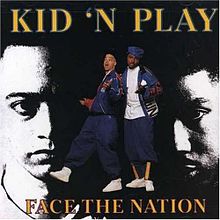
Kid N Play – Face The Nation (September 24, 1991)


220px-Face_the_Nation

We last left the Chris duo, known to the world as Kid N Play, riding high on the release of their sophomore effort Funhouse, which was strategically released the same week as their first starring movie role in House Party. The movie did pretty well and is considered by many to be a cult classic, while the album would go on to earn the duo their second consecutive gold plaque. I thought the album was garbage for the most part. You can read my review of Funhouse to get my full opinion.

1991 would be the year Kid N Play build on the moment they picked up the previous year as the sequel to House Party would  be released as well as their third album Face the Nation. The movie produced solid results but Face the Nation was considered both a critical and commercial failure as it marked the first time the duo failed to go gold. Face the Nation would also mark the end of the duo’s music career, although they would continue to make bad movies (and cartoons) for the next few years before their 15 minutes of fame would run out.

Random Thought: The inside of the liner notes posts a pick of Kid, Play, and Wiz in which Kid sporting a blue and red leather jacket which has the NBA logo but with Kid’s name next to. And if the jacket wasn’t corny enough, Kid’s also holding a basketball to add insult to injury.

IMG_0669 (6)

It’s Alright Ya’ll – This one opens will a sound bite from JJ from Good Times (Grand Puba would later use the same clip to better results on “Prodigal Son” off his solo effort Reel To Reel) that introduces the dancing duo before Eric “Quicksilver” Johnson drops a mediocre instrumental for the Chris’ to drop mediocre verses over. If this opening song is any indication on what the rest of Face the Nation sounds like, this is going to be a long listen.

Back On Wax – The self-proclaimed “light-skinned dream” and the “dark sex machine” come off a little stronger on this Mark Eastmond & Andre Chamber’s produced instrumental. The instrumental has a roughness to it that you wouldn’t expect to hear on a Kid N Play record. The horns were a nice added touch.

Got A Good Thing Going On – Pardon me, I had some bad rap and R&B. This Dana Mozie Jr. produced track samples no less that a zillion different records and throws them in one big pot of gumbo that ends up tasting like shit. Kid normally writes he and Play’s rhymes but Play penned his own lines for this one, and you can tell the difference. Not that Kid was a great lyricist but you can hear the downgrade in quality on Play’s verses.

Next Question – The Chris’ set this one up as a brief Q&A as they field questions from fans, (or media members, or haters?). Play tackles question 1 which is some dude wondering why they don’t talk about the ladies they smashed on record. Kid takes question two which is an inquiry to why Vanilla Ice and Luke Skywalker dissed Kid N Play, to which Kid response with unimpressive jabs (wait did Kid just call Vanilla Ice soft? Kettle, meet pot). Play gets the final question from a female asking if there is any truth to the rumor that they only date light-skinned women, to which he completely dances around. Pete Rock provides a solid instrumental for the backdrop, complete with signature horns. This was decent.

Face The Nation – Our hosts intent on this title song was to inspire blacks to take responsibility for their actions and to do better. Unfortunately the message comes off preachy and kind of corny. Eric “Quicksilver” Johnson gets his second production credit of the evening for the mediocre instrumental. Noble intent fellas, but this wasn’t that good.

Foreplay – Play gets his first of two production credits of the evening for this one. The Chris’ use Play’s backdrop to discuss the beauty of the fusion of hip-hop and jazz. The problem is Play’s instrumental sounds like some light jazz mess that you would hear on Muzak while you’re sitting at the dentist office waiting to get a filling.

Slippin’ – Our hosts share a tale of the life and plight of a drug dealer named Gene (who also violates Biggie’s 4th Crack Commandment) and how his tendencies to live on the edge lead to his demise. Dana Mozie Jr. gets credit for writing and producing this one. Not a great song but definitely darker than what you’re accustom to hearing on a Kid & Play record.

Aint Gonna Hurt Nobody – The sole reason I bought Face the Nation out of the dollar bin at Cheapos. Most hardcore hip-hop fans won’t approve of this one, and I completely understand. I personally have a soft spot in my heart for this synthesized R&B flavored Quicksilver produced instrumental. The hook and the instrumental borrow from the old Brick record with the same title. The production and the song’s carefree message make for a fun summertime record.

Give It Here – Play gets his second production credit of the night, and this one is actually kind of nice. The fellas use Play’s mellow mid-tempo groove (with a sick trumpet sample that comes in during the hook) to seduce the ladies into giving it up, or here. Their deejay, Wiz even attempts to rhyme on the final verse. While all three turn in pedestrian performances Play’s instrumental reigns supreme on this one.

Bill’s At The Door – This might be the most humble hip-hop song of all time. Most rappers like to brag and boast about how much money they have, but not the Chris’. They use this Pete Rock produced backdrop to discuss the never ending (until death that is) cycle of paying bills. It was interesting to hear Kid confess the only reason he continues to act, rap and tour is to pay the bills. So much for passion. I’m not realty a fan of this PR instrumental.

Toe To Toe (Fat R&B Mix) – I loved the original version of this song which was on Funhouse. This remix is a complete waste of vinyl, wax, and cassette.

I’ll keep this brief: Face the Nation is a heavy dosage of a waste of time. From the cheesy amateurish delivered rhymes to the less than spectacular production, there is not a lot to enjoy here. This album should only be purchased under one of the following conditions: you’re a fan of Pete Rock and want to have all of his production work in your collection,  or you (like me) thought “Ain’t Gonna Hurt Nobody” was a good vibe record and found it in the used cd bin for $1 and figured if all else fails their would at least be one song you liked, so you would still get your moneys worth.

-Deedub

Posted in Uncategorized | 1 Comment

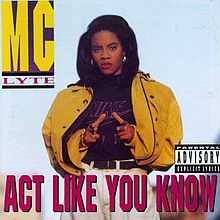
MC Lyte – Act Like You Know (September 17, 1991)


220px-Act_Like_You_Know

Act Like You Know is MC Lyte’s third studio album. I came upon it a few years ago in the dollar bin at a Pawn America around my way, and picked it up on the strength of a few of the album’s singles that I liked (which we’ll discuss in more detail a little later). And because it’s a frickin’ MC Lyte album.

If you follow my blog with any regularity you already know how I felt about her first two efforts. If not, I’ll give you a short recap: Her big brothers (Audio Two) handled the majority of the production for both albums, which happened to miss more than hit. On Act Like You Know, Audio Two does gets a few chances on the production side but the majority of the album’s production is divided and handled by a handful of other producers (that will discuss a little later).

Upon it’s release Act Like You Know was met with mixed reviews by critics, and the streets felt it was too soft, which resulted in modest record sales, meaning it didn’t even go wood.
When In Love – I believe this was the lead single from Act Like You Know. On her first two releases Lyte seemed determined to fit in with the fellas and spit hard rhymes over hard beats. “When In Love” shows a softer side of Lyte as she discusses the crazy things people do when in love over a generic R&B tinged instrumental brought to you courtesy of the production duo of Richard Wolf & Bret Mazur (who go by the moniker of Wolf & Epic, because Epic gives them more street cred than Mazur?), with vocalist Vanessa Townsell singing the hook. Not what I’m accustom to hearing on a Lyte record.

Eyes Are The Soul – This is probably my favorite song in MC Lyte catalog and one of the singles that prompted me to buy Act Like You Know. Wolf & Epic return and provide a splendidly dark instrumental that Lyte uses to discuss a careless heroin user who contracts HIV, A crackhead turned murderer/stick up kid, and a pregnant teen contemplating an abortion. Heavy shit to hear on a Lyte record (pun intended). She does a pretty good job with it. Very underrated song. Classic in my opinion.

Search For The Lyte – Lyte lightens (no pun intended) up the mood with this nonsensical joint that serves as a lazy excuse to play off of her name in a song title (kind of like I did in the previous sentence). King Of Chill samples a portion of the JB’s “More Peas” record (the same record Cypress Hill used on “The Phuncky Feel One” and that Showbiz & AG would make famous on their underground hit “Soul Clap” a few years later) for the backdrop. Not terrible, but my least favorite out of the three songs mentioned above.

Act Like You Know – The Wolf & Epic produced title song is barely decent. Lyte sounds strong on the mic. Unfortunately the instrumental could have used a little fire underneath it.

Mickey Slipper (Interlude) – Short PSA to warn you about the dangers of leaving your drink unattended. You never know when Darren Sharper or Bill Cosby may show up. Nice instrumental brought to you courtesy of Wolf & Epic.

Poor Georgie – Correction: this is probably my favorite Lyte song of all time. Lyte spins a tale about her love affair with a known ladies man and how swiftly his life would take a turn for the worst. The Dee Jay Doc instrumental makes for the perfect backdrop for Lyte’s story line. Classic.

Take It Off – Lyte gets more sleazy sensual on this one than anything I can remember from her prior two albums. Our hostess spends three verses confusing love with one night stands as she repeatedly blurs the lines between booty calls and getting wifed. Pal Joey 2 gets the production credit on this one. Lyte’s contradicting lyrics made me leave this one feeling confused.

Beyond The Hype – Lyte sounds decent on this one, but the pretty exterior on this Wolf & Epic instrumental can’t mask the track’s missing heart.

All That – Lyte’s attempt to sound hard comes off as manufactured over this bargain bin Audio Two instrumental.

Big Bad Sister –  The 45 King gets his first production credit of the evening as he borrows the bass line from the Whatnauts “Help Is On The Way” record (first made popular on De La Soul’s classic “Ring, Ring, Ring”). Lyte’s on point as she coasts over the infectious bass line and sounds as if she could go toe to toe with any emcee, male or female. This was hot.

Like That Anna (Interlude) – Lyte’s older brothers get their second production credit of the evening, providing a mediocre instrumental for a short mediocre verse from our hostess, which leads into the next track…

Kamikaze – The song title would lead one to believe that the instrumental would be an up tempo hyped monster. Instead 45 King provides a lazy subdued backdrop for Lyte to spit over, which doesn’t match the intensity she’s bringing vocally.

Can You Dig It – No.

Like A Virgin – Our hostess shares her experience of losing her virginity as 15. Don’t get too excited, because it’s really not interesting. 45 King’s boring instrumental almost put me to sleep before she finished. Her verses, that is.

Lola From The Copa – Audio Two hook up a nice instrumental that Lyte uses to share her remixed version of Barry Manilow’s classic record “Copacabana”.  Like the original someone ends up dead, but no guns are involved in Lyte’s version.

2 Young 4 What – Lyte shares with the world her freaky fetish for young meat, preferably right around the age 17 (note to reader: Lyte was 21 when Act Like You Know was released). Thanks to gender double standards this song wasn’t met with much controversy, but if a male emcee were to share the same sentiments about the opposite sex, he would have been burned at the stake in the town square, similar to what they tried to do to Luke for being “too lewd”. But I digress. DJ Master Tee borrows a portion of the Isley Brothers’ “Groove With You” for the backdrop as Lyte sounds more perverse than I’ve ever heard her. And it’s kind of sexy, which kind of discredits my whole statement about double standards.

Absolutely Positively…Practical Jokes – If the title doesn’t tip you off to where this song is going the first few lines of the first verse will. Either way, the storyline wasn’t that interesting. Neither was 45 King’s instrumental.

Another Dope Intro (Interlude) – Wolf & Epic get their finally production credit of the evening which sounds nothing like any of the other instrumentals they hooked up on Act Like You Know. Their productions are usually layered, clean and sprinkled with a touch of r&b. This one was empty and generic. Lyte kicks one quick verse and then its over, hence the reason it’s referred to as an interlude.

K-Rock’s The Man (Bonus Track) – Instead of dedicating a song to her deejay or having him cut up a record, Lyte decides to hand over the mic to K-Rock so he can spit on his own song. It’s garbage, but you have to appreciate the sentiment.

The quality of MC Lyte’s voice is undeniable. So undeniable that 25 plus years since she broke on the hip-hop scene she’s still making dollars off of her cords, as she can often be heard on BET doing voiceover work or narrating awards shows and special events. The quality of her voice also shines through in her emceeing, and in all honesty while Lyte’s always been a decent lyricist (even though she hasn’t always written them on her own) her strongest attribute is the strength of her voice. The quality of her voice can be heard throughout Act Like You Know, but unfortunately the majority of the songs don’t work. A large part of the blame can be placed on the production duo Wolf & Epic who handle about a third of the production duties. With the exception of “Eyes Are The Soul” their production is too clean and leans too much on the r&b side. The remaining two-thirds of the production (with a few exceptions) is just weak, leaving Act Like You Know less than impressive and a little Lyte on the entertaining side.

-Deedub


Posted in Uncategorized | Leave a comment

Downtown Science – Downtown Science (January ?? 1991)

220px-Downtown_Science

(For those keeping track at home, insert this one after Step In The Arena)

While, thumbing through an old copy of The Source I stumbled on the “Record Report” which is the section that one of the staff writers would review and rate the latest hip-hop albums and singles. I came across a review of a single from a group called Downtown Science. Suddenly it hit me that I own this album and when I search my flawed spreadsheet for it, I noticed I missed it. Well, I didn’t completely miss it but it was added in under the wrong column.

Downtown Science was a New York duo consisting of deejay/producer Sam Sever (who played a key role on the production side of both of 3rd Bass’ albums) and Brooklyn native and lead emcee, Bosco Money. The ebony and ivory combo released their self-titled debut on Def Jam in 1991′ and the world hasn’t heard from them since. Or at least I haven’t. If you have, get at me in the comments.

This Is A Visit – Over a very serious mid-tempo instrumental Bosco Money spits three verses welcoming the listener into the world of Downtown Science. At least I think that’s what Bosco is metaphorically talking about. He pleads with the listener in an attempt to convince them that  “you have to visit”. Bosco sounds like a poor man’s Kool Keith on this one. The instrumental was decent, so this wasn’t all bad.

Catch The Wave – The duo hook up yet another serious mid tempo instrumental. But this one is fire. Unfortunately, Bosco’s spoken word flow doesn’t compliment it well, and I’m still trying to figure out wtf he’s talking about in his verses. Coded much.

Radioactive – This was the single I was reading about in The Source’s Record Report that reminded me that I owned Downtown Science. No, this is not the original version to the Imagine Dragon’s hit. Nor does the song discuss emission of ionizing radiation or particles. The song title is more a play on words that DS’s music is active or causes activity when played on the radio. I think. I don’t know how I feel about Bosco’s flow. It feels like he’s trying too hard to sound deep, combing complex words with complicate lines but fails to connect with the listener. The instrumental was decent, but I wasn’t really feeling this one.

Out There But In There – Bosco leaves the cryptic rhymes at home for this one as he clearly boast about he and his partner in crime Sam Sever. The instrumental sounds like a poor man’s version of Run DMC’s “Beats To The Rhymes”, but still kind of works. The biggest problem I had with this one was Bosco: even when he’s speaking plain english he’s just not that impressive.

Natural People – The duo lay down a smooth groove with a sick bass line (that samples the same record Nice & Smooth would use a few years later for their mild hit “Old To The New”) that is down right infectious. Bosco rides the beat rather nicely. The instrumental is so slick William Hung could have spit on it and sounded nice.

Somethin’ Spankin’ New – This one opens with a warm sax sample before a basic drum pattern drops and Bosco goes on to boast for two verses. He kind of sounds like Sam’s 3rd Bass buddy, MC Serch on this one. It was kind of amusing to hear him lose his flow and breath control at the end of his first verse. Not sure if the intent was to make it sound raw, but I would have done a second take on this one.

If I Was – Finds Bosco proclaiming what he would do if he was: (in verse 1) a politician or a cop, (verse 2) a millionaire or an astronaut. Who I think is Sam Sever, jumps on the mic for the final verse and declares what he would do if he were a pimp or a barber. The subject and content are a little cheesy but the instrumental work is solid.

Drums Through The Wall – Interlude.

Delta Sigma – This instrumental is fire! Bosco puts back on his poor man’s Kool Keith hat and does a decent impression of the real thing. The real star on this one is the instrumental, though.

The Topic Drift – Bosco Money gets a solo production credit and provides a sick instrumental (the bass guitar sample is bananas!). He also delivers his most effective rhymes of the album thus far. Well done.

Down To A Science – Get it? Downtown Science. “Down” to a “Science”.. Cute title aside, I wasn’t feeling this one too much.

Summertime – DS’ ode to summer. This was decent, but Fresh Prince & Jazzy Jeff still hold the crown for summertime anthems.

Saw You At The Party – An interlude that will leave you scratching your head and asking yourself wtf?

Room To Breathe – This was the sole reason I bought Downtown Science back in the day. I remember the instrumental being more buttery than three baskets full of Red Lobster biscuits. Delicious. Today, the instrumental is just Parkay. It doesn’t help matters that Bosco sounds like he’s aping The D.O.C.’s flow.

Winning – Maybe Charlie Sheen was a Downtown Science fan? Kudos to Bosco for using “worse” instead of  “worser” which probably would have rhymed better with “vice-versa”, but grammatical correctness won the internal battle within the soul of our host. At least temporarily.  Later in the same verse Bosco says: “Why I’m on the subject of Presidential thinking, clock lots of Jacksons because my thoughts is linkin’ (Lincoln)”, which is not only grammatically incorrect but may be the corniest line in the history of hip-hop. Wait. Spoke too soon:”I would have went to Yale but I didn’t get accepted…know why? Because I didn’t apply”. Definitely the corniest two rhymes-in-a-verse in the history of hip-hop.

Fat Shout – This was decent.

Keep It On – This closing instrumental is hot. I would like to hear this with a better mix on it. As is, Bosco sounds like his mic is too loud and the music behind him is too soft.

I’ll start with the positive: Overall, the production on Downtown Science was pretty solid. While the majority of the instrumentals are average, there are a few certified bangers, but no terrible backdrops on the entire album. Now the negative: Bosco Money does not have the charisma it takes to carry the load as the lone emcee for the course of 15 songs (I know their are 17 tracks listed but two of them are interludes). When you couple that deficiency with his cryptic rhyme scheme it’s easy to lose interest and walk away from Downtown Science. Give the instrumentals on Downtown Science to a more engaging emcee and I think you’d have a more entertaining album.

-Deedub


Posted in Uncategorized | 3 Comments