EPMD – Unfinished Business (April 1, 1989)

Erick Sermon and Parrish Smith were a part of the class of 88′ (i.e. Public Enemy, BDP, Eric B & Rakim, and Big Daddy Kane), which all dropped stellar releases in the same year.  But unlike the other groups in that class who were backed by name brand crews, or had prior releases under their belts already, EPMD came out of nowhere to mess up heads with their own brand of east coast funk and undeniable chemistry on the microphone.  Riding high on the commercial and critical success of their debut album Strictly Business, EPMD returned in 89′, still in a business state of mind (which they have maintain through their lengthy career, when they’re not broken up), to release Unfinished Business.

While it received favorable reviews upon its release the duo are often criticize for playing it too safe and driving in the same lane they traveled on their debut.  But if that’s the only complaint you have for a hip-hop album, it must be pretty good.  Hey, if aint broke, don’t fix it.  

So Wat Cha Sayin’ – Erick and Parrish pick up where they left off on the last album and get right to business.  Staying in their comfort zone the duo spit their traditional boast over traditional EPMD funk, and sound traditionally good in the process.   

Total Kaos – I never was a fan of this song, mostly do to the boring track.  E & P spit their standard boast and sound pretty good, but it’s the beat that kills this song for me.

Get The Bozack – Now this is more like it.  Erick and Parrish are at the top of their game as they tag team the mic and completely demolish it in the process (although P’s mispronunciation of “assassination” at the end of his final verse was pretty funny).  The uptempo beat feels like a track field, and E-Double and PMD are running a 4 by 4 relay as they continue to pass the baton, and while one catches his breath the other takes off running his leg.  Yo, this is hot, son!

Jane II – The infamous Jane saga continues. While Parrish’s experience with Jane sounds a lot more interesting than Erick’s encounter in round 1, it still manages to not be interesting.  Over the same beat used on  part 1, P spits a sexapade that has no direction what so ever.  At least we get the Jane experience out the way early on, this time around.

Please Listen To My Demo – E & P show a rare glimpse of vulnerability as they relive the humbling journey on the road to getting a record deal.  Both emcees sound comfortable (although E’s line about having a “grin on his chin” was kind of funny) over this laid back track (I’ve always loved the eerie howling sound on the sample).  While most rapper who have attempted this kind of song are more boastful and celebratory, the hook mixed with the melancholy beat give the song a level-headed quality often missing in our chosen genre.  This was a nice change a pace and a very solid performance from the duo.  

It’s Time 2 Party – I’m torn.  I kind of like the track but I don’t like E & P rapping over it.  Plus it sounds like a forced effort at a pop hit… almost like something Will Smith would have done when he was still known as the Fresh Prince.

Who’s Booty – Over a very familiar James Brown sample the fellas share stories about “fishy situations” with the opposite sex.  Although I’ve never liked this song in the past it actually sounds decent today (mostly do to a solid verse turned in by PMD). 

The Big Payback – Erick and Parrish turn things back up a notch spitting solid rhymes over this efficient instrumental.  That’s all I got.

Strictly Snappin Necks – EPMD’s track sounds like a remix of the beat used on “Your A Customer” off of Strictly Business.  Both emcees sound decent enough, but this is far from their best song…but still miles away from their worst.  Although, it does seem to run on a little too long.

Knick Knack Patty Wack – Erick & Parrish invite hit squad member K-Solo (somebody put out an APB on that dude) to the proceedings for this one. E and P sound good but K-Solo the real stand out here, as he sounds like he hasn’t had a meal in a year and completely swallows the mic without stopping to chew.  Yeah, he misspells “bird” (b-r-i-d) in his rhyme and the acronym that makes up his alias is utterly ridiculous, but you can feel the dude’s hunger (if you listen closely you’ll hear his stomach growling).  This is probably the best K-Solo has ever sounded, and his inability to match this output is probably why he’s not around today.  I’ve always loved the Joe Cocker  “Woman To Woman” piano sample used on the track.  This has to be one of the better “posse cuts” from the eighties.

You Had Too Much To Drink – This is nothing more than a public service announcement over a generic rock-hop track.  This must have been a court imposed community service duty Erick or Parrish had to fulfil for one of their own DUI charges.  Either way, this was terrible. And it’s over 7 minutes long, which by the 4 minute mark had me wishing a drunk driver would drive through my living room to stop my ears from bleeding.

It Wasn’t Me, It Was The Fame – Erick and Parrish close things out by addressing all the haters who didn’t believe in them and think the duo’s success has changed them.  E & P hook up David Bowie’s “Fame”, and it actually sounds pretty dope.  Erick and Parrish stick to the subject at hand and do a great job of articulating their argument.  It would have been interesting to hear what EPMD would have sounded like doing more “thoughtful” songs like this.  Anyway, this song ends the evening on a good note.

Like their debut album Strictly Business, EPMD’s sophomore effort lives up to its title: as the “business” does sound a bit undone.  Don’t get me wrong, there are a handful of goods songs and maybe 2 great songs, but the inclusion of  “You Had To Much To Drink” alone hurts the credibility of this album.  I don’t have a problem with playing it safe, if the security is quality.  But I do struggle with the wack and mediocre, both in which Unfinished Business contains.  No, Unfinished Business is not as solid as their debut Strictly Business, but there is still enough on her to enjoy.

-Deedub

Posted in Uncategorized | 2 Comments

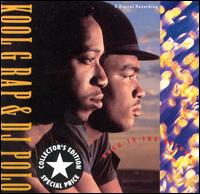
Kool G Rap & DJ Polo – Road To The Riches (March 14, 1989)

Back in the mid eighties Nathaniel Wilson, an inspiring rapper from Queens, was in search of a deejay to help jump-start his rap career.  One night while out clubbing Nathaniel stopped at a local spot, bumping  into a man carrying a crate full of records and the impact caused the records to crash from the man’s crates to the floor.  Both men bent down to gather the fallen records and their hands met while retreiving Billy Joel’s 52nd Street vinyl (insert slow music as the two gaze into each others eyes) .  The man carrying the crate was DJ Polo, and if you haven’t figured it out by now the inspiring rapper was Kool G. Rap.

Eric B actually introduced G Rap to Polo but you have to admit my Broke Back Mountain fairytale was a lot more entertaining.

Eric introduced G. Rap to Polo, who knew Marley Marl, and convinced Marley to let G. Rap and himself record at his home studio.  Legend has it that Marley was blown away by G. Rap’s skill it led to Marley adding the duo to his Juice Crew roster and eventually inking deal on his Cold Chillin imprint.

After making a stellar cameo on Marley Marl’s “The Symphony” from Marley’s 1988 release In Control Vol 1Kool G Rap & DJ Polo would release their debut album Road To The Riches in 1989.

Road To The Riches didn’t move a ton of units but it was well received on the east coast.  Lets give it a listen and see how it stacks up today.

Road To The Riches – Over a funky Marley Marl piano sample, G. Rap goes straight to work, spitting potent rhymes in his signature lisped delivery about his journey to obtain wealth (which apparently has taken a few different routes).  The intro was kind of funny as G. Rap refers to his partner (Polo) as plural, calling him “Polos”.  This was a great start to the evenings proceedings.

It’s A Demo – One of the many things I hate about hip-hop these days is the industry imposed song formatting. Everybody’s so concerned with commercial success that every song has to have that mandatory 16 bar, 3 verse (maybe 4) format.  Not G. Rap (in 89 at least).  This song is all over the place, ranging from 2 bars verses to well over 16 bar verses.  The track has a demo feel but G Rap’s vocal don’t.  He ferociously rips this track with raw lyrics matching the rawness of the instrumental.  This was sick, especially considering it’s just a demo.

Men At Work – Some of you younger cats might remember Black Thought paying homage to this song on “Thought @ Work” from the Roots Phrenology album.  Again, G. Rap throws format to the wind, and spits freestyle rhymes for what roughly works out to be 2 and a half verses, sounding great in the process. The minimal break beat (which is credited to Marley Marl but it sounds like Dr. Butcher has something to do with it since G. Rap credits him with providing the “cement” for the song) works well as the foundation for G. Rap’s skyscraper.

Truly Yours – G. Rap kicks 3 hilarious verses about his ex, who left him for a drug dealer, and even dedicates the second verse to dissin’ her new street pharmacist (who apparently wants to be a woman?).  After all the Karrine Steffans confessions (by the way the girl is still blazin’) it was kind of funny to hear G. Rap call out his ex’s new man for being a women beater.  Pot, meet Kettle.  I just listened to this song and I don’t remember much about the instrumental (take that for what it is), but the rhymes were hilariously entertaining.

Cars – This was an obvious attempt at a crossover hit.  Marley’s beat is built around a sample of a pop song from the 80’s (although I can’t put my finger on the song’s title or the artist who sang the song) for  G. Rap to spit rhymes about the benefits of having a fly car.  Did I mention G. Rap’s hooks have consistently sucked throughout the album?   Oh, well they do.  In case you didn’t guess already, the song never crossed over.  This was terrible, G. Rap.

Trilogy Of Terror – The beat, which sounds like a bunch of noise, gets so annoying by the middle of the first verse I thought about breaking the disc in half and slicing off both ears so I wouldn’t have to suffer any longer (or I could just hit the skip button, but then I’d be doing you a disservice).  What’s up with the harmonica during the refrain? Really? When has a harmonica ever provoked a feeling of terror?   Apparently, G. Rap, DJ Polo, and Dr. Butcher account for the three parts of this trilogy, so it’s safe to assume Dr. Butcher had a hand in producing this beat, even though Marley Marl gets the production credit (which was probably best for Dr. Butcher reputation).  Unfortunately, the instrumental was so bad I don’t remember much of anything G. Rap spit.  Oh, how fast the tide turns.

She Love’s Me, She Loves Me Not – One of the rare moments in G. Rap’s catalog that he shows some vulnerability. G. Rap get serious waxing poetic about his true love who has left him blue and lonely (maybe this was dedicated to Karrine Steffans?).  But this isn’t a LL Cool J sappy rap ballad. This song actually has legs, thanks largely to a sick track provided by Marley Marl.  Not bad, G. Rap.

Cold Cuts – G. Rap provides the opening (and only) verse, which works as an introduction for DJ Polo to do his thing on the wheels of steel (before he’s thrown out the studio by Marley at the end of the song while still giving his shout outs).  It is what it is, and it was what it was.  I’m just thankful it was short.

Rhyme I Express – Although the instrumental as well as G. Rap’s delivery sound dated, this song still worked for me. I love the scratched sample on the hook, and even though G. Rap’s delivery sounds a bit too old school for my taste buds, his content is still potent enough to hold your attention.

Poison – This is where Bell Biv DeVoe got the vocal sample for the hook (and bridge) of their mega hit under the same title (Roots fans will also recognize a portion of G. Rap’s second verse being recited by Black Thought as homage to G. Rap on “Boom!”, where he does a phenomenal job of not only reciting and mimicking G. Rap voice and delivery, but also does a great impersonation of Big Daddy Kane as well…check it out if you’ve never heard it).  Marley’s raw instrumental (which uses a piece of the same sample from Kane’s “Raw”) is the perfect backdrop for G Rap to go completely bananas on.  I’m curious on who (if anybody in particular) G. Rap was talking about at the end: as he accuses an unnamed “big fat sap sucka” of biting “It’s A Demo”.  If anybody have info on this, hit me up in the comments.

Butcher Shop – This is pretty much G Rap’s ode to DJ Polo. And with that, we’re done.

Road To The Riches is a good introduction to one of the most greatly underrated emcees of all time. There is no question that G. Rap is sharp with the lyrics, even with his heavily lisped vocal.  G. Rap probably would have fared well in construction as he demonstrates with his ability to build verses, with each line representing a brick for the next one to lay upon. Unfortunately, lyrics alone don’t make a great album; it only accounts for half of the equation, unless it’s an acapella album, and that would qualify it as spoken word… but I digress. Marley’s production (with help from Dr. Butcher) runs the gamut ranging from great to down right terrible, all packaged and wrapped up beautifully in the form of a 46 minute adventure. While Road To The Riches is far from a great album, more so do to the uneven production, it is worth a listen, if only to hear the foundational work of one the greatest to ever bless a microphone.

-Deedub

Posted in Uncategorized | 4 Comments

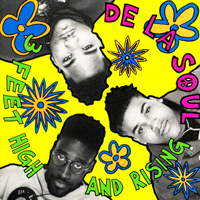
De La Soul – 3 Deep High And Rising (March 3, 1989)

Time is truly illmatic…and chronology is filled with irony.  During my last review for the Jungle Brothers debut Straight Out The Jungle, I mentioned I first heard of the JB’s on “Buddy”, a classic Native Tongue posse cut on De La Soul’s debut album 3 Feet High And Rising.  Ironically (or illmatically), 3 Deep High And Rising just so happens to be the next album in my collection. But before we get into the review, let’s go back in time, a bit.

Kelvin “Posdnous” Mercer and Dave “Trugoy” Jolicoeur first hooked up in high school back in 1985, while they were both part of a local Amityville, Long Island group, Easy Street, where Posdnuos deejayed (under the name DJ Soundsop, which is Posdnuos spelled backwards) and Trugoy beatboxed and went by the alias (which is also his middle name) of Jude.   Easy Street didn’t last, but it did cement a working relationship between Dave and Pos that would eventually lead to the two forming their own group.   A friend of their’s introduced them to Vincent “Maseo” Mason, and De La Soul as we know it was born.

Mase knew Prince Paul who was a  part of Stetsasonic, who already had a deal with Tommy Boy at the time.  Paul would be responsible for introducing the label to De La Soul’s unique flavor.  And as they say in the business, the rest is history.

In 1989 De La Soul released they debut album 3 Feet High And Rising, ushering in the D.A.I.S.Y. age (a ridiculous acronym for “da inner soul, y’all), which with a little help from the album cover, label A&R’s, and De La’s “different” style, led many to mistake the trio as a “soft hippy” group (which whould lead to some physical altercations while touring), and by the time their sophomore effort was released the trio had completely denounced the D.A.I.S.Y. age (hence the reason for the title of the second album, De La Soul Is Dead).  3 Feet High And Rising would go to earn a platinum plaque and received heaps of critical praise (including 5 mics in The Source) for its unique style.

So without further a do, let’s give her a listen.

Intro – The concept for 3 Feet High And Rising is loosely based around a game show, ironically titled 3 Feet High And Rising. The intro introduces the 4 contestant, which consists of the 3 plugs and Prince Paul (who sounds like he’s was caught in mid stroke of a masturbation session during his introduction). Then the anonymous host (played by Don Newkirk, who also did some voiceover work on 3rd Bass’ “The Gas Face”, which Prince Paul also had a hand in) hits them with 4 ridiculous questions. Trust me it works and makes more sense after you’ve listen to the entire album. 

The Magic Number – Posdnous and Trugoy tag team the mic over this hippyfied masterpiece.  Right from the jump Pos hit’s the listener with his cerebral rhymes and Trugoy sound decent as well.  The beat sounds like it was taken from a skit from an episode of Sesame Street, but still manages to work.  Right from the jump De La establishes their own brand of hip-hop, proving that a 3 man crew is the magic number.

Change In Speak – Picking right up where they left off on the previous song, Pos and Trugoy wax poetic over this mid tempo-borderline-lazy paced track.  I love the horn samples sprinkled on the hook. 

Cool Breeze On The Rocks – Mase gets to shine as he scratches up several different vocal samples that use the word “rock”.  I’m not a huge fan of deejay joints, but this was hot.  The fact that it only runs 48 seconds helps too (the last few seconds of this cuts back to the game show with contestant #1 unable to answers the questions given on the intro).

Can U Keep A Secret – Prince Paul adds his zany touch to this interlude: over a jazzy, horn drenched track, Prince Paul whispers insults about the plugs and other crew members. This was pretty funny, nice way to break things up.  Now back to our regularly scheduled program.

Jenifa Taught Me (Derwin’s Revenge) – The plugs give the female joy box a first name… Jenifa.  Jenifa meet Jimmy, Jimmy this is Jenifa.  You get where this is going. Props to Pos and Trugoy, who could have taken the easy route by being blatantly obvious but instead choose to speak in poetic code, making the listener use a little brain power to comprehend.  I love this track, which is funky in every sense of the term.  So far all is well in the land of the daisies.

Ghetto Thang – Pos and Trugoy sound like two wise philosophers discussing the troubles that burden ghetto dwellers.  The track matches both emcees lyrics, beautifully, making this show pretty much flawless up to this point.   

Transmitting Live From Mars – Prince Paul apparently got a hold of an old French class tape. In french, the lady on the recording keeps asking “What time is it?”, while the man replies “It’s midnight” (who would have known my three years of french would finally pay off in the form of me being able to translate a skit from a De La Soul album). The beat is dope, but the french vocals don’t scream aliens to me.  This was either an inside joke or it was just waaaay over my head. 

Eye Know – The hippy vibe from “The Magic Number” returns for this love rap (noticed I said love rap and not rap ballad, there is a distinct difference).  Pos and Trugoy wax poetic about falling for that special someone over this pleasant track, that’s flavored with a whistle and jazzy horns over the hook. LL take notes, this is how you make a legitimate love rap song.

Take It Off – This has Prince Paul written all over it: the fellas are in straight clown mode, instructing you to take off everything from converse to hair weave.  It wasn’t really funny, but it’s short, so before you’re able to form an opinion either way about it, it’s over.

A Little Bit Of Soap – This is a public service announcement from Posdnuos, reminding you to take care of your hygiene.  This closes with contestant number two being unable to answer the 4 questions as well.

Tread Water – Pos and Trugoy get their Dr. Doo Little on, as they share stories about conversations they’ve had with different animals who inspire the two emcees to keep pushing on (it may sound corny but I like the abstract take on this one).  The beat reminds me of “Jenifa Taught Me”, with just enough adjustments to set it a part.  I heard Prince Paul wrote a kids rap book a few years back, this probably would have fit in perfectly (that’s not an insult, by the way).

Potholes In My Lawn – The plugs use “Potholes In their Lawn” as a metaphor for emcees bitin’ their style. Yeah, it doesn’t quite worked for me either.  I’ve never liked this song, and that hasn’t changed today.

Say No Go – The plugs discuss the crack epidemic which became very prevalent during the late eighties.  Pos and Trugoy tag team and approach the subject manner from a few different perspectives: the user (and in some cases the user’s baby), the dealer, and even the powers that be, that allow it to get in to the hood.  In true Native Tounge fashion De La tight ropes this serious topic which provokes the listener to laughter and tears, all within the same 16 bar verse. I’ll add this: Posdnous is one of the most underrated emcee in hip-hop.  No, he’s doesn’t have a magnetic personality or animated delivery, but through his career, if you pay attention, he’s consistently brought thought-provoking and impressive lyrics. By the way, I love the Hall And Oates sample, Paul.

Do As De La Does – This is another clown session of utter randomness.  This is one of the many things hip-hop is missing these day: groups just having fun.  The last few seconds cut back to the game show where the third contestant can’t answer the 4 questions either.

Plug Tunin (Last Chance To Comprehend) – Plugs 1 and 2 (Posdnous and Trugoy respectively) take care of their mic checks, and while they’re not saying anything important they still sound good in the process.  I love the piano sample sprinkled throughout the course of the track.  Nice. 

De La Orgee – This was unnecessary and kind of funny (hearing Q-Tip’s high pitch vocal demanding his “buddy” to yell his name still makes me chuckle, a little bit at at least). This is forgivable since it’s a segway into this… 

Buddy – The first posse cut on the album includes Q-tip and the Jungle Brothers discussing one of the Native Tounge’s favorite topics: skinz.  The remix of  this song (which adds a ladies touch with help from Queen Latifah and Monie Love) is clearly superior to the original, but the original is still dope in its own relaxing way.  My only quarrel with this song is the director should have yelled “cut” when the beat went off.  Instead your left feeling like you’re Mel Gibson’s character in What Women Want stuck hearing the thoughts of a bunch of horny teenage boys hiding in their rooms watching Bang Brothers videos on the computer.  Didn’t need to hear all that, fellas. 

Description – Each member of the crew introduces themselves to the listening audience (why they waited to do this when the album is nearly over? I don’t know).  Q-tip even pops up to turn in another short verse, making this his second cameo in as many songs.  There’s another guy and two chicks who get short verses as well, before Prince Paul closes out this short but pleasant experience. 

Me Myself And I – This is arguably the most popular song in De La Soul’s lenghty catalog (and my first introduction to the trio).  You’ve heard this, but if not, you should.  This is a certified banger. (And if you’re keeping score, it closes by going back to the game show where Prince Paul’s unable to answer the 4 questions, as well)

This Is A Recording 4 Living In A Fulltime Era (L.I.F.E,) – Pos and Trugoy use a style similar to what Ren attempted (and later what Smooth Da Hustla would perfect) on a few songs on Straight Outta Compton.  You know: where he says a phrase and then flips the same phrase and spits it backwards.  It’s really not as interesting as it may sound. Overall this song was half a millimeter over the average mark on the ruler, making it clearly the weakest song on 3 Deep High And Rising, so far.

I Can Do Anything (Delacratic) – Prince Paul and the Plugs (though this has Prince Paul’s signature written all over it) do a parody of  one hit wonder JJ Fad’s “SuperSonic”.  No matter how many times I hear this I always laugh at Trugoy’s one liners (especially the line about holding two pieces of do-do in his hands). 

D.A.I.S.Y. Age – Everything said for “This Is A Recording” applies to this song as well. This ends by taking us back to the game show. Since none of the contestants are able to answer  the questions, you, the listener are invited to answer the questions and mail (no not email, I’m talking pony express, this was 89′ homie!) them in with a chance to win an unidentified price (which I’m sure was a De La Soul or Tommy Boy t-shirt, or something equivalent). But the catch is you had to send your answers in with the two proof of purchases found on the artwork insert, which of course means you had to buy the album (this quickly knocked out most of your crew since they all had dubbed copies which you provided from the cassette you actually purchased).  Buying the album was the easy part, finding the correct answers for those inane questions is the hard part. 

Plug Tunin – This sound like a rough draft of the version heard earlier on the album, with a few small changes to the track here and there, but the same verses (or are they?). Not sure why they need both versions…and with that we’re done.

The Jungle brothers introduced us to the Native Tongues abstract styling on Straight Out The Jungle with solid effect.  But De La’s 3 Feet High And Rising would take that abstraction to another level, far above and beyond 3 feet high, twisting abstraction into a nerdy hip-hop masterpiece that will forever reside in the clouds reclining in the heavens (I know, I went a bit too far).  Their funky slash jazz slash hippy production is matched beautifully by Pos and Dave’s thoughtfully constructed rhymes.   

Did The Source Get It Right? I’ve never liked “Potholes In My Lawn”, but the rest of the album is strong enough to warrant a “yes”.  Any hip-hop collection without 3 Feet High And Rising looses all credibility, period.

-Deedub
Posted in Uncategorized | 4 Comments

Jungle Brothers – Straight Out The Jungle (November 8, 1988)

Let me start by saying this: I am a Native Tongue Stan.   A Tribe Called Quest is my favorite hip-hop group of all-time (key word, group) with De La Soul falling somewhere in my top 10.  Black Sheep, Queen Latifah, Monie Love and others would also go on to rep the Native Tongue Posse as well, with varying success. But it’s safe to say, there would be no Native Tongue without the foundation, the Jungle Brothers.

My first introduction to the Jungle Brothers was on “Buddy” from De La Soul’s debut album 3 Feet High And Rising, later discovering they had released their debut album the previous year.  Jungle Brother members, Mike G, Afrika Baby Bam, and deejay Sammy B, released their debut Straight Out The Jungle on the independent label Warlock Records, in November of 1988.  Despite Afrika Baby Bam’s terrible alias (which is homage to the Godfather of hip-hop, Afrika Bambaata), Straight Out The Jungle was highly acclaimed, and is recognized as one of the first hip-hop albums to fuse jazz samples with hip-hop.  And like most highly acclaimed hip-hop albums, its praise didn’t translate to high records sales.  It did generate enough of a buzz to get Warner Brothers interested, which led to a deal  with the major label, where the next two JB albums would be released.

But for now, I’m only concerned with Straight Out The Jungle.  Let’s give it a listen to see if it is worthy of all the praise that has been draped upon it.

Straight Out The Jungle – The JB’s kick things off by spitting verses about life in the concrete jungle.  You’ll recognize a few hip-hop quotables from Mike G and Afrika that have been used in several other artists songs.  This was a nice way to start the show.

What’s Going On?  – The opening songs is a nice segway into this song, as Afrika and Mike G share stories about lifestyle choices (and the situations that led to said choices), which leads them to the proverbial question asked in the title. Mike G and Afrika do an excellent job covering serious subject matter while balancing the type rope that teeters between serious and playful.  The JB’s borrow from Marvin Gaye’s song of the same title, and add a jazzy horn sample on the hook, which reminds me of a time that I miss.  Two for two, nice start.

Black Is Black – Q-Tip (from the legendary A Tribe Called Quest) joins the JB’s to speak on black history and the light skin/dark skin issue that plagued the black community (and still does to a lesser degree) in the 80’s.  The Abstract Poetic (who at one point went by the alias of J-Nice, but changed it to Q-Tip after he was told it sound to similar to LL Cool J, not to mention, it’s kind of corny) lives up to his moniker as he spits not one, but two solid verses, leaving our gracious host to share the final verse. I’m a self-proclaimed ATCQ Stan, so hearing Q-Tip utter his first recorded verse was pretty cool, but overall this song was just okay.

Jimbrowski – Over a simple but dope drum beat, the JB’s are in clown mode on this ode to “Jimbrowski”, also known as Jimmy, bozack, cactus, or dick.  In classic Native Tongue fashion, Mike G and Afrika spit playful rhymes making turning this into an entertaining listen.

I’m Gonna Do You – So now that the brothers have introduced you to Jimbrowski, it’s only natural that they tell you what they plan on doing with him, right? This would be the first song, of many more to come from the Native Tongue crew, covering one of their favorite topics, skinz! Though they would go on to make some pretty memorable songs covering the same topic, this was lackluster.

I’ll House You – House music was huge in the late eighties and early nineties, and hip-hip being the prostitute that the music business made it, also attempted to cash in on it as well.  I’ve always considered this song satire, poking fun at house music (similar to De La Soul’s “Kicked Out The House”), but it would go on to be one of The Jungle Brother’s most popular songs (this song was not included on the original release of this album but was added on later pressing released in 1989).  I actually liked house music, so this song works for me.  I’d like to think the pimp that made this song possible.

On The Run – Afrika and Mike G address the struggle of balancing family and home with life on the road, in true Native Tongue fashion.  This was dope.

Behind The Bush – Another song about skinz, but unlike “I’m Gonna Do You”, this one works.  Mike G and Afrika’s rhymes match the smoothness of the track, as both emcees wax poetic in their discussion on hittin’ the bush, in the bush.  This was really good.

Because I Got It Like That – The JB’s kick back and have fun spitting rhymes filled with all types of randomness, and they also manage to talk a little shit.  This was pretty enjoyable.

Braggin & Boastin’ – Afrika and Mike G spit their version of battle rhymes, and make sure you’re aware Sammy B is on the cut.  This was pretty forgettable, but I’ll never forget who’s on the cut.

Sound Of The Safari – This is an instrumental which includes samples of sounds one my expect to hear while spending quality time in the jungle, or your local zoo.

Jimmy Bonus Track – This is a short instrumental with a vocal sample pleading with the listener not to “front on the Jimmy”…

The Promo – That turns into this. Over the same beat used on the previous song – minus the vocal sample and adding a dope horn sample – Q-Tip joins Mike G and Afrika to do exactly what the title suggest: promote the hell out of ATCQ’s debut album (he mentions Ali repeatedly, but makes no mention of Phife, what’s up with that?) while the JB’s plug their second album Done By The Forces Of Nature.  Like “I’ll House You”, this was also not included on the original pressing of Straight Out The Jungle.  All three emcees sound good over this beat making this a really good ending to the show.

Straight Out The Jungle is a great start to the career (although I’m not sure what’s happened to Afrika’s career. After joining the Pagan Society, dudes been on some other stuff) of one of the pioneering groups in hip-hop.  Coming up in an era where most hip-hop artist were politically charged, gangsters on wax or had ball grabbing bravado, the Jungle Brothers were a nice change of pace, as they covered topics that the average brother (i.e. working class tax paying citizen) in urban america could relate to. When you add the solid beats to their relatable rhymes, you get a pretty solid effort.

Did The Source Get It Right? Props to the JB’s for ushering in a new sound of hip-hop.  Props to the JB’s for giving me ATCQ and De La Soul.  But unfortunately, I have to disagree with The Source’s 5 mic rating.  For the most part, the production and rhymes on Straight Out The Jungle range from decent to solid but there are a few too many lackluster moments to give it a 5 mic rating.  I’d go with a 4, maybe a 4.5.

-Deedub

Posted in Uncategorized | Leave a comment

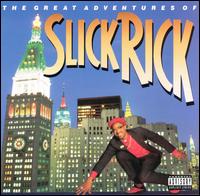
Slick Rick – The Great Adventures Of Slick Rick (November 3, 1988)

Rick “Slick Rick” Walters met Dougie Fresh back in 1984, while Dougie was judging an emcee contest that Rick was entered in.  Dougie Liked Rick’s style, which led to Rick joining Dougie’s Get Fresh Crew.  In 1985 Dougie and Rick (and the rest of the Get Fresh crew) released the single “The Show”, with the b-side “La Di Da Di”,  and both songs would go one to be hailed as hip-hop classics.  But with fame comes money, and with money comes problems, especially when mixed with a little greed and a lot of ego.  The Get Fresh Crew was no exception.  Rick didn’t feel he was getting his just due, so in the immortal words of Ice-Cube, “I saw it commin” that’s why Rick went solo.  Russell Simmons signed the free agent to Def Jam and in 1988 Slick Rick released his solo debut The Great Adventures of Slick Rick.

The Great Adventures Of Slick Rick would showcase Ricky D sticking to his strong suit and giving his fans what they wanted: more hilariously zany stories.  Def-Jam thought it would be a good idea to bring in two-thirds of the Bomb Squad (Hank Shocklee and Eric Sadler) to handle half of the albums production, while Ricky D would handle the rest (for the most part).  

The Great Adventures Of Slick Rick is hailed by many as one of the best hip-hop albums of all-time (The Source also gave it 5 mics), and its critical success was matched commercially, as The Great Adventures would go on to earn a platinum plaque.

Let’s give listen and see if it lives up to its rep.

Treat Her Like A Prostitute – Interesting way to start the album. Over his self-produced track, Rick kicks three tales about three cheating chicks in comedic fashion, like only Slick Rick can deliver. While the beat is decent it’s Rick’s razor-sharp storytelling and attention to detail that carrier this song on its shoulders.  This was a pretty entertaining intro.

The Ruler’s Back – Ricky D lets all competitors know he’s back from his hiatus to reclaim his imaginary throne.  In regal fashion, Ricky’s gives biting emcees the middle finger, but he’s not seeking revenge or to embarrass them.  He simply wants them to repent for their wicked ways.  Jam Master Jay’s beat is okay, but once again Rick’s rhymes are so well put together and delivered with such precision, its forgivable.

Children’s Story – Hip-hop classic.  If you’ve never heard this song you’re probably reading the wrong blog. While reading the liner notes I discovered Rick produced this classic beat (or maybe I just forgot…I tend to forget details on albums from 20 years ago) that Montell Jordan would later steal borrow, and turn it into a club and commercial hit a few years later.  Rick spits one long verse (has to be at least 100 bars, but whose counting) about a young kid who’s bad decision spins out of control ending fatally (with words, I know it sounds like a somber song, but it’s really not).  It’s probably the most pleasant murder on record that you’ll ever experience). I repeat, this is a certified hip-hop classic, you must become familiar with this song to get your hip-hop certification.

The Moment I Feared – Over this Bomb Squad track, which doesn’t sound very Bomb Squad-ish (it could use a cleaner mixing to bring out all the elements that might be missed with the naked ear, thank God for ear buds), Rick continues with his adventurous storylines.  This time TGIF turns into life in prison, all over the course of what should have been a relaxing weekend.  Rick’s in rare form, but the track is only mediocre, which takes away from the overall effectiveness of this song.

Let’s Get Crazy – Now this sounds a little more like a Bomb Squad beat (although, it doesn’t sound quite as busy as a PE song).  I guess this is Rick’s mandatory party song (which today would be equivalent the mandatory club song).  Rick sounds like he didn’t even enjoy recording this song, and that vibe is thrust upon the listener as well.  I guess they all can’t be strong.

Indian Girl (An Adult Story) – This time Rick relays a story about an Indian girl named Running Rabbit (Really? Talk about stereo-types) who over the course of a few verses talks her out of her draws.  The story ends with a hysterical twist.  This was clever and entertaining, but not one of the strongest songs on the album.

Teenage Love – Another certified hip-hop classic.  Over a uncharacteristicly mellow Bomb Squad track, Rick waxes poetical about a relationship that started out strong but over the course of time has lost its flame (at least for one of the parties involved).  But instead of jumping out of this crashing plane, they decide to go down in flames, ultimately exchanging one flame or another.  Rick and the Bomb Squad are on top of their game turning in a flawless effort.  Seriously, this is poetry first, rap song second.  I repeat: hip-hop classic.

Mona Lisa – Rick’s story starts off entertaining enough, as he spins a tale about a chick named Mona Lisa that he met at a Pizza Parlor.  Maybe it’s just me, but the story seems to end abruptly with Rick’s boy pulling him out of the parlor and Mona Lisa sings him “a sad good-bye” song.  It just feels incomplete, like another part of the story is missing.  I didn’t care much for Rick’s beat, so this was a pretty blah experience.

Kit (What’s The Scoop) – If you were born before 1980 you probably remember the tv series, Knight Rider, starring David Hasselhoff as Michael Knight, who drove a talking black Trans Am, named Kitt (if your were born after 1980 you’ll only remember the bad remake of the original series a couple of  years ago, that quickly crashed (pun intended) and was forgotten).  Ricky D borrows Kit (but was too lazy to make sure he was spelling his name right) to assist him on his mission to get his stolen imaginary crown back. Yeah, I know it sounds bad, but it actually sounds worse when you listen to it.  Unfortunately, even the Bomb Squad produced track couldn’t save this mess.

Hey Young World – This might be my favorite Slick Rick song of all time.  Rick comes across as the wise old man sharing his wisdom with the youth, warning them of the consequences of bad decisions (maybe he should have took some of his own advise?).  Rick’s heavy drums and piano samples create the perfect back drop for his lyrical gems, giving it a semi-dark feel.  This is a timeless masterpiece.

Teacher, Teacher – Over yet another Bomb Squad produced track (that also doesn’t sound remotely close to anything you’d here on a PE album) Rick plays the teacher, schooling all his students who are bitters and fake rhyme writers. Rick has talked an awful lot about bitters, which makes me wonder…was Ricky D taking shots at Dana Dane?  He, like Rick, also rapped with a British accent (which had to be fake since the boy was born and raised in Brooklyn) and sounds remarkable similar to Rick.  Rick sounds pretty good, talking shit regally the way only Ricky D can do, but the beat did nothing for me.

Lick The Balls – Rick drops his regalness, and just talks shit, and at times manages to sound slightly threatening. The Bomb Squad provide an effective funky track to back up Rick’s rhymes.  One minor issue I have with Rick is at times his lyrics are not clearly articulated (this would ring more true on his later work, where some of his lines sound like he’s speaking a foreign language), making for a challenging listen (if you’re of the few who actually listens to lyrics and not just the beat) .  This song is a prime example of that issue.  All in all , this was a decent way to end the adventure.

For the most part, The Great Adventures of Slick Rick lives up to its title, taking the listener on a fast paced ride, filled with fun, somber, and ridiculous stops along the way. Slick Rick is arguably the greatest storyteller hip-hop’s ever seen, and most of that can largely be credited to his work on this album alone.  While there are a few skippable moments, overall this is still a very good effort.

Did The Source Get It Right?  You probably already no answer to this question based on the usage of “for the most part” and “a few skippable song” in the last paragraph.  There are 3, maybe 4, songs that run from average to down right weak, so I have to go with a 4.5. 

-Deedub

Posted in Uncategorized | 1 Comment

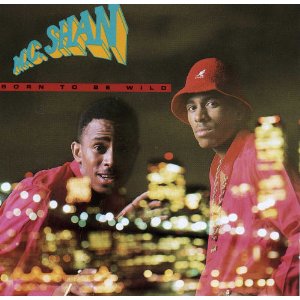
M.C. Shan – Born To Be Wild (October 25, 1988)


Shawn Moltke, better known as M.C. Shan, is best remembered for his battle with KRS-One and Boogie Down Productions back in the late eighties.  Most forget that a few years before that legendary feud begin, Shan was signed to MCA Records back in 1985, where he would release one single, ” Feed The World” (which I’m sure you never heard of), before he was dropped by the label (KRS-One also makes mention to this on BDP’s song “South Bronx”).  But Shan had determination, and a cousin who happening to be an up and coming producer with a label, named Marley Marl.  Marley signed Shan to his Cold Chillin’ imprint, linking Shan with Marley’s Juice Crew line-up, and similar to Shan rap career, the rest is history.

In 1987 , Shan released his first single on Cold Chillin’ “The Bridge”, which was Shan’s declaration that hip-hop originated in Queens (the single also had a b-side song title “Beat Biter”, but I’ll get to that later).  KRS-One disagreed with Shan’s theory and believed that the Bronx was responsible for hip-hop’s birth, which led to Kris firing shots at Shan on “South Bronx”, and the dis record that many believe stifled Shan’s career, “The Bridge”.  Before the beef was squashed, the two emcees would capitalize on the feud by inking an endorsement deal with Sprite, (I recall one commercial with the two emcees in a boxing ring with mics, metaphorically duking it out…if my memory serves me correct).

Though Shan clearly lost the battle with Kris, he still managed to release three solo albums, the last one, Play It Again, Shan, was a frisbee, but the first two, Down By Law and Born To Be Wild were pretty well received by the listening public. I don’t own nor have I ever heard Down By Law or Play It Again,  in their entirety, which means Born To Be Wild is the only MC Shan album I own.

With Marley Marl on the beats and Shan on the mic, let’s see how Born To Be Wild 20 plus years later.

I Pioneered This – Shan starts things off by silencing his naysayers who thought or excused him of falling off.  How could he fall off when he helped pioneer this? (that’s the rhetorical question Shan asks and doubles as part of the hook).  During the second verse there is a large portion of the verse that is censored.  It sounds like Shan may have referenced another emcee’s name or song (maybe Kris Parker?).  Shan’s Transformers reference was pretty funny as he mispronounces Decepticons as Deceptigons (at least it was funny when I heard it).  Other then that small mishap, Shan sound pretty good over this decent Marly Marl track.

Give Me My Freedom – This was also included on Marley Marl ‘s In Control Vol.1 (this version run’s a little longer than the mix on In Control, which means you get to hear Shan go on an explicit and very unnecessary rant at the end of the song), and the overall theme (and hook) of the song still makes no sense to me.

So Def – Over a funky Marley beat Shan takes the time, over the course of three verses, to share with us how def his rhymes are.  Shan’s probably not in anybody’s top 10 but he’s a solid emcees. Yes, the term “def” dates this song quite a bit, but it still results in a decent listen.

Back To The Basics – Shan takes this one back to the old school (as in the old school, before this old school, did I loose you?) breaking out the simple deliver  that was used by most emcees in the early 80’s (i.e. Sugerhill Gang or Kurtis Blow). Marley Marl’s track uses a bare drum pattern to match Shan basic rhyme scheme, resulting in a solid concept record, and a fairly decent listen. 

Go For Yours (‘Cause I’m Gonna Get Mine) – Most of Shan’s lyrics are what I like to call community based: you can take the lyrics from any song and put them to any beat and hook, and you would probably end up with the same results (this isn’t necessarly a dis, nor is it a compliment).  This might be one of the few songs (as well as the previous song) where this doesn’t apply.  Shan’s content is little more meatier than what we’ve heard up to this point.  He even throws in a little “5 percent theology” for good measure (the second verse sound like something Rakim or Nas would have written).  Marley’s eerie sample works well under Shan’s tight rhymes.  This was very nice.

Born To Wild – Remember when I said its a disappointment when the title song of an album sucks?  Unfortunatley, this falls into that category.  Marley Marl’s beat is all over the place, and Shan’s annoying hook (Wild! Wild!) only makes matter worse.  Shan takes a shot at The Beastie Boys and a blatant shot at  LL.  I’m not sure what started the beef he had with the Beasties (or if he really had a beef) but here’s a little history on the beef with LL: The b-side song on the”The Bridge” single, “Beat-Biter”, was a dis record aimed at LL Cool J, which excused LL of stealing Marley Marl’s beat and using it on “Rock The Bells”. LL, who was already a bona fide star in 88′,  never responded (on wax, at least), which is a good thing for Shan, because a response record might of ended Shan’s recording career after his debut. Oh yeah, the song, it sucks.

She’s Gone – Speaking of LL: Shan takes a stab at the genre LL created: the rap ballad, or in Shan’s case, spoken word ballad.  Yes, it’s cheesy.  I’m not sure if that’s Shan singing on the hook (it sounds like it could be him), but who ever it is sounds horrific (seriously, it’s that bad).  Marley’s jazzy piano sounds a lot better than the L.A. Posse’s Casio keyboard sound on “I Need Love”, but not good enough to make this worth listening to.  After hearing this I understand why she’s gone.

Juice Crew Law – Over a vintage Marley Marl beat Shan breaks down the Juice Crew Law, and what will happen if you choose to violate this unwritten law (the penalty usually results in broken jaws or some other form of violence).  Marley’s beat swallows Shan up, and his delivery sounds rushed as he tries to keep pace with the beat, making his lyrics indistinguishable (for all I know, he could have been rapping in Chinese).  

Words Of A Freestyle – Marley used his signature horn sample for this Shan “freestyle”.   During the hook Shan suffers from a slight case of amnesia, proclaiming he’s “never cursing”, completely dismissing the “F” bombs he dropped at the end of “Give Me My Freedom”.  Despite the generic song title, this was a decent listen.

They Used To Do It Out In The Park – Shan reminisces about where the hip-hop subculture was birthed, the park jams (he manages to sneak another “F” bomb in on this one, further adding to false doctrine).  Ghostface Killah recently used this song’s hook as the hook on his song “Da’ Park” (which was taken from a portion of Shan’s line from “The Bridge”).  Shan’s rhymes are okay, but they tend to jump around too much, leaving incomplete thoughts all over the place. I’m still trying to figure out why the last verse was tacked on, it has absolutely nothing to do with the topic at hand.

Never Rock A Party – Marley uses the same Otis Redding sample used on EPMD’s “Steve Martin”, for the backdrop (which sounds a whole lot better than EPMD’s take on it) on Shan’s closer cut.  Shan sounds really good on this laid back joint, unintentionally (I assume) pulling a Vanessa Williams, and saving the best for last.

Born To Be Wild plays out similar to Shan’s career: it shows potential, but never walks in it consistently.  Marley’s beats are more often than not enjoyable, and Shan, who is definitely not a top-tier emcee, is pretty decent on the mic.  One would think this equation would add up to a hot album, but instead it’s only lukewarm.  Other than 2, maybe 3, goods songs,  the rest of Born To Be Wild is chalked full of a bunch of average songs (minus the train wreck that was “She’s Gone”).  While many paint KRS-One as the source that caused Shan’s faltered rap career, it’s might be more approprieate to look at Shan’s mediocre output as the true culprit. 

-Deedub

Posted in Uncategorized | 3 Comments

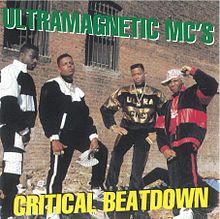
Ultramagnetic Emcees – Critical Beatdown

Cedric “Ced-Gee” Miller and “Kool” Keith Thornton met while attending the same high school in the Bronx back in the early eighties. Both Bronx native emcees had aspirations of becoming solo artists,  but in an effort to save a buck, the two started recording together. They would eventually add Ced’s cousin Maurice “Moe Luv” Smith as the deejay, and Trevor “T.R. Love” Randolph as hypeman/bodyguard/cupbearer, and called themselves the Ultramagnetic MC’s. A few years later they would sign to Salt N Pepa’s label home Next Plateau, and in 1988 released their debut album Critical Beatdown.

The majority of Critical Beatdown was recorded at the Ultra Lab, better known as Ced’s momma house. This is where Ced would loop up samples from he and Keith’s record collection and create the backdrops for he and Keith’s scatterbrain-slash-battle rhymes.

The album received much critical acclaim (including The Source, which rewarded it with a 5 mic rating years after its release) for its groundbreaking productions and Keith’s unique rhyme schemes and unusual lyrical content. But as the question always is, did The Source get it right? Let’s give her a spin and find out.

Watch Me Now – Right from the jump Kool Keith displays his abstract rhyming style and wit and effectively steals the show over this funky Ced-Gee track. Nice start.

Ease Back – You’ll recognize the break beat used during the sample from Public Enemy’s “Rebel Without A Cause” (which makes this the third consecutive write-up that is somehow connected to that same song).  Ced-Gee and Kool Keith share verses over a great Ced-Gee beat.  But the obvious star of this show is Kool Keith, who rips his verse to shreds. This is hot!

Ego Trippin’ – This is arguably the Ultramagnetic MC’s most popular song.  The drum beat reminds me of the Gangstarr/Nice N Smooth duet “Dywck”. Kool Keith is in usual form, coming off like a mad scientist turned rapper (which is a compliment), while Ced also sounds pretty solid over his simple but infectious beat.

Moe Luv’s Theme – This is an ode to Ultramagnetic’s in-house deejay, Moe Luv. Over Ced’s disco-ish beat, Kool Keith takes two verses to wax poetic about his deejay. It is what it is, not terrible but far from great.

Kool Keith’s Housing Things – Over a beat that samples the same elements used on Big Daddy Kane’s “Raw”, Mr. Thornton goes solo and completely obliterates this one! I wonder if the comment about “fish not being his favorite dish” was a shot and Big Daddy Kane or Rakim (Keith has stated in interviews that some of his lines were written to rival BDK and Rakim’s lines). I don’t have any prove, I’m just speculating. This was probably the strongest song on Critical Beatdown, to this point.

Traveling At The Speed Of Thought (Remix) – Kool Keith puts on his psychopathic persona, as he and Ced share the mic over this rock tinged track. While it’s not the best song of the night it’s still a solid effort.

Feelin’ It – By 1988 standards, Ced’s beats were way ahead of their time (he is grossly underrated as a producer). He and Keith take turns catching wreck on this one. You can tell both guys are having fun, especially Keith, since some of his rhymes are pretty comical. Another solid effort from team Ultra.

One Minute Less – Ced gets a one verse solo joint, and gets less than 1 minute to spit on “One Minute Less”. Ced’s rhymes were solid but the beat was pretty messy… but thankfully this song is less than 2 minutes, so it bearable.

Ain’t It Good To You – I forgot about this track, Ced’s beat is completely bananas!  But the real star of the show is Kool Keith, whose last verse is arguably his best verse ever.  I’m utterly amazed why Kool Keith isn’t give the respect of a Big Daddy Kane, KRS-One, or Rakim.  But I’ve never heard any of his later output, either. This is a certified banger!

Funky (Remix) – Ced might have stood toe-to-toe with Keith on this one, although Keith gets two verses to Ced’s one.  The track sounds kind of skeleton, but the duo’s lyrics sound great over the heavy drum beat, so it still works.

Give The Drummer Some – The late Paul C (Eric B and Large Professor’s mentor)provides the funky backdrop  (I love the drum solo sample added in on the hook for more effect) for Ced and Keith to talk shit over. Another hot one.

Break North – This track sounds similar to Public Enemy’s “Night Of The Living Bassheads”. Keith’s last verse manages to sound scientifically hilarious, as the mad scientist steals yet another show.

Critical Beatdown – Kool Keith is obsessed with the human brain. He makes at least 1000 references to either eating, cooking, exposing, removing, or drowning some inferior emcee’s brain on the album, including this title song. Unfortunately the beat is empty and falls a bit flat, which is always disappointing for a title song.

When I Burn – Keith gets another shot to go dolo and he doesn’t disappoint. But that squeaky siren loop becomes annoying after a few cycles through. Good thing this was short.

Ced-Gee (Delta Force One) – Ced Gee saves the best beat of the album for himself. He sounds decent over this smoothed out track, but I’m left wondering how Keith would sound over this buttery beat.

My copy of Critical Beatdown is a remastered copy that contains the following bonus tracks:

Funky (original 12″ version) – I prefer the beat on this version over the remix that’s included on the proper album, mainly because it incorporates more of the Joe Cocker “Woman To Woman” sample than on the remix. Ced and Keith use different verses than the ones on the remix.  While Keith’s verses sounds solid I prefer his verses used on the remix, and Ced sounds terrible, turning in a very amateurish performance. If you take the beat from this version and put the verses from the remix, you’d have the perfect version of “Funky”. But they didn’t, so we don’t, so it is what it is, my man.

Bait (original 12″ version) – The beat samples from, arguably one of the most sampled songs in hip-hop, Bob James “Nautilus”, which I believe was created to be a promo  for the legendary DJ Red Alert radio show (which would explain Ced and Keith’s shout outs to him, and his trademark, “yeeeeaaah”, all over the track).  Keith sound solid as usual but Ced sounds sloppy and rough around the edges.  This must have been some of their early material (which is probably also true for the original version of Funky).

A Chorus Line (featuring Tim Dog) original 12″ version – Before Tim Dog fired the first shot that would start hip-hop’s civil war, he was the Ultra crew cupbearer.  They were so pleased with his services that they let him set things off on this posse cut (he would later reuse a portion of this verse for his Compton dis record “Step To Me”).  T.R. Love finally shows up, only to turn in a very forgettable verse (which is probably why this song was excluded from the proper album, and the reason he doesn’t show up on any other song on the album).  Of course Ced-Gee and Kool Keith show up and turn in solid verses, but the beat is very meh.  It was probably a good idea to leave this one off the proper album.

Traveling At The Speed of Thought (Hip-Hop Club Mix) – Keith and Ced use the same verses as the remix, in addition to a new second verse from both emcess as well (Keith’s verse is sick, well worthy of a listen).  I’ve never been crazy about house music, but I actually like this house beat more than the beat used on the remix.  That said, the first remix fits in better with the rest of the proper album. I’m interested to hear the original version of this song.  If anybody has a link to it, hit me up in the comments.

Ego Trippin’ (Bonus Beats) – Short instrumental excerpt of the original version.

Mentally Mad (original 12″ version) – This is an early demo, which is apparent based on the quality of the mix.  Keith and Ced start the song of yelling a la Run-DMC, but once they settle down they kill this dope instrumental.  If they cleaned up the mix, this would have been a nice addition to the proper album.

Critical Beatdown may be the most underrated album of all time, which shouldn’t be a surprise when you consider Kool Keith’s rarely mentioned in discussions of elite emcees, and Ced-Gee’s name is even less heard when discussing elite hip-hop producers.  The production is consistently dope (with a few average beats here and there ) and Kool Keith’s oddball-slash-abstract rhymes are all spaciously entertaining (they’ll keep you with your finger on the rewind button: psychosis has never sound so good).   I’ve never heard the rest of their catalog, but I’m definitely going to start tracking it down.

Did The Source Get It Right? Yes! Keith’s rhyme schemes are sick on every song, and while some beats are not as great as others, there isn’t one point where you’re compelled to hit the skip button.  The Source and I finally agree on an album.

-Deedub

Posted in Uncategorized | 4 Comments

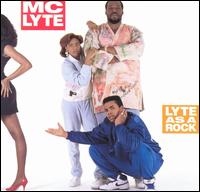
MC Lyte – Lyte As A Rock (September 17, 1988)

In the past few months I’ve noticed I can’t turn on the radio, or watch BET, MTV. or VH1, without hearing or seeing the barbie doll gimmick known as Nicki Minaj.  Seemingly overnight she has become the female equivalent of Busta Rhymes, making cameos on everybody’s song, which probably has more to do with who she rolls with opposed to talent.  Don’t get me wrong, the girl has mad energy (and personalities), but no substance. I guess they don’t make em’ like MC Lyte anymore.

MC Lyte begin rapping at the age of 12, and under the tutelage of her brother, Milk of Audio Two (remember “Top Billin”?), she honed her skills and eventually got the attention of First Priority Records (it probably helped that her big brothers were already signed to the label).  She signed with First Priority, and in 88′, at the tender age of 17, released her debut Lyte As A Rock, becoming the first female rapper to release a full length album.

Lyte kept things in the family as Audio Two would be responsible for the bulk of the production on Lyte As A Rock (Prince Paul has one production credit on the album as well).  With her brothers on the boards, DJ K-Rock on the wheels of steel, and microphone in her hand, Lyte was ready to show the world how a lady emcees. Let’s listen and see how well her blueprint holds up.

Lyte Vs. Vanna Whyte – Over a go-go-ish track, DJ K-Rock cuts vocal samples from Wheel Of Fortune’s Pat Sajack.  This was nothing more than a useless album intro…next.  

Lyte As A Rock – Over a simple Audio Two produced track Lyte explains the simile that makes up her emcee name and album title.  Lyte’s rhymes are solid but her delivery sounds a bit rushed.  This was okay, I guess.

I Am Woman – Don’t let the title fool you.  No, this is not a feminist-slash-Maya Angelou “Phenomenal Women” song.  It’s just Lyte talking shit over a bassy King Of Chill beat.  Lyte does a pretty good job of mastering the ceremony. This was cool.  

MC Lyte Likes Swingin’ – Over this Prince Paul produced track MC Lyte expresses how much she loves to swing (this is a metaphor for “swingin’ on emcees” as oppose to the other meaning of the term…get your mind out the gutter, freaks!).  I love the sample Paul uses on the intro, too bad he didn’t incorporate it throughout the song. Lyte is a solid emcee but so far the production is a bit uneven. 

10% Dis – MC Lyte, as the kids say nowadays, goes hard on this dis (10%, that is) record aimed at her arch nemesis Antoinette. Audio Two produced the track, which makes sense since the song uses the same beat from their classic “Top Billin”.  But on the other hand it makes Lyte sound like a hypocrite since her biggest beef with Antoinette was her stealing a beat. Inspite of the recycled beat this is still the strongest song of the evening up to this point.  

Paper Thin – King Of Chill gets another stab at a production credit, and this time he doesn’t disappoint.  Over a track that sounds similar to Eric B & Rakim’s “Mahogany”, Lyte discusses her philosophy and rules for dating (no kiss until the 5 or 6 date huh? Lytes sounds like a nun compared to Lil’ Kim ). Lyte’s last verse is over at about the two-minute mark, but the instrumental unnecessarily plays on for another 2 minutes.  Other than that minor mishap, this was pretty dope.

Lyte Thee MC – Over this Alliance produced track, Lyte displays why she is considered one of the best female emcees of all-time.  Alliance’s simple but effective drum beat works well underneath Lyte trash talking. 

I Cram To Understand U – Lyte uses this Audio Two track to tell a story about her man, whom she turns a blind eye to his infidelity, illegal business (street pharmacist), and deadly habits, rather than confront him on it.  Lyte stays true to her claim on “Paper Thin”, as she doesn’t get intimate with Sam until a month of dating (way to dot those I’s and cross those T’s, Lyte).  Audio two’s beat gets lost in the shuffle (I just listened to it and can’t remember anything about it), but Lyte’s rhymes are brilliant.

Kickin’ 4 Brooklyn – Lyte reps her borough over this bouncy and bassy Audio Two beat.  As usual, Lyte is in full emcee mode, telling stories of different parties and blocks she’s rep in Brooklyn.  Solid lyrics, decent beat, this was an enjoyable listen.

Don’t Cry Big Girls – No, this isn’t a Lady of Rage solo joint (although you have to admit that would have been a clever song title from the afro-puffed one).  Instead Lyte uses this Audio Two track to talk more shit.  This was not great by any means, but it’s short enough to make it tolerable.  And with that were done.

Lyte As A Rock is a decent start to what would turn out to be a solid career for MC Lyte.  Lyte, who was very much a lady, wasn’t afraid to express her sexuality without sounding sleazy (well at least early on, some of the stuff she released later on when signed to So-So Def was suspect), and could grab her balls and mix it up with the fellas as well.  Lyte was still rough around the edges, which is pretty much expected from a 17-year-old, but she shows potential, and even shows signs of greatness (specifically on “I Cram To Understand”).  My biggest issue with Lyte As A Rock is the inconsistent production, as there really isn’t one great beat, just a few good ones and the rest average to meh (I wonder what the songs would sound like with Marley Marl’s beats behind them).  The fact there are only 10 songs (9 if you exclude the useless intro) softens the blow, making Lyte As A Rock a fairly decent listen.

-Deedub

Posted in Uncategorized | Leave a comment

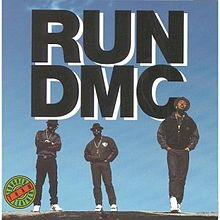
Run DMC – Tougher Than Leather (September 16, 1988)

In 1986 Run-DMC released their 3rd album Raising Hell, which would go on to be the trio’s most commercially successful album, selling over 3 million copies.  The success of Raising Hell can largely be credited to the addition of the former rocker turned hip-hop producer, Rick Rubin, who would help fine tune Run-DMC’s hip-rock formula, that they dabbled with on their second release, King Of Rock. In 1988 Rick left the Def Jam camp, and with the exception of one track, left Run-DMC to fend for themselves for beats to back their rhymes on their fourth release Tougher Than Leather.

I’ll be honest.  I respect what Run-DMC did for hip-hop (hence the reason for the purchase of this album), but I’ve never been a huge fan of their music.  This is partial do to the fact that I was a young buck when they were in their prime, but more so because neither emcee was ever a great lyricist (Run was obviously the more polished emcee so you can only imagine what I think about DMC).  Needless to say I’m not too excited about this review, but maybe a fresh listen to an old album will surprise me.

Run’s House – Those of you under 25 who are not familiar with Run-DMC catalog will probably only recognize this as the theme to MTV’s reality show of the same name, based around Run’s family.  Over an uptempo and phat drum beat, Run and D welcome the listener to tonight’s show. I loved the horns used at the end of the track, would have been interesting to hear them incorporated throughout the song.  Since the song title suggest this would be a Run solo, I’ve always wondered how D felt about rapping over a song that was pretty much dedicated to Run. It’s obvious who the main emcee is, but D (surprisingly) matches Run’s energy and this turns out to be an enjoyable listen.

Mary Mary – Run and D craft a tale, based around The Monkees song of the same name, about a crafty honey, that either they both were involved with (which could be a true story, as I’m sure they’ve shared their share of honeys in their rock star days) or two different chicks named Mary. Regardless of the logistics, both Joey and Darryl need a hug from “Mary”.  The lyrics are forgettable, but Rick Rubin’s only production credit on Tougher Than Leather is a gem that sounds better today then it did 20 years ago.

They Call Us Run-D.M.C. – This was boring and very forgettable.  I just listened to it and the only thing I can remember about it is the stuttering rhyme style (which wasn’t impressive).  But my opinion may be influenced by the fact that I’m writing this while Caribbean videos are playing on the tv in the background taking my attention away from this write-up.  Hey, it’s not my fault Jamaican girls are hot!

Beats To The Rhyme – This might be my favorite Run-DMC’s song of all time, mainly do to the bangin’ track.  Run, and even D, sound nimble on the mic (I love Run’s boast about “clockin endless ins”), and they sounds even better when Jay adds in vocal scratches throughout, making it feel like a true group effort.  This is hot!

Radio Station –  “Beats To The Rhyme” transitions seamlessly into this song, which  is Run & D’s ode to the Radio Station… well, not really but will roll with it. Interestingly, to me at least, this is the second write-up in a row to sample Chuck’s line from “Rebel Without A Pause”.  The beat is serviceable, and Run proves that this is indeed his house, rapping circles around his partner in crime (which shouldn’t be a surprise to those familiar with the group’s catalog).  Thank mainly to Run, this was a decent listen.

Papa Crazy – I have over 800 hip-hop albums in my collection, with songs that cover just about every topic (some topics covered way too often: ie money and hoes) .  It was easy for me to put together a Mother’s Day playlist on my Ipod, celebrating the love and appreciation rappers, not name Eminem, have for Mom Dukes.  But of the thousands of songs I’ve listen to, I’m still unable to compile a suitable Father’s Day playlist.  This song is a prime example of why.  Joseph and Darryl continue the hip-hop tradition of calling out their cheating, broke, deadbeat, sperm donor daddies.  The beat samples The Temptation’s “Papa Was A Rollin’ Stone”, and walks a fine line between intricate instrumental work and intentional pop appeal, meaning it works depending on which side of the bed you wake up on the day you’re listening to it.  Happy Father’s Day!

Tougher Than Leather – The boys bring their signature rock guitars to the party for this one.  While there are a few interesting licks here and there, overall the track didn’t move me, which also rings true about Run and D’s rhymes (which end up amounting to annoying yelling).  It’s always disappointing when the title track of an album’s a let down.

I’m Not Going Out Like That – One thing I’ve noticed throughout Tougher Than Leather is Joseph and Darryl’s attempts to update their rhyme schemes and deliveries to match the new jacks of the time (i.e Rakim, Big Daddy, Kane, etc.), this might be their most glaring attempt.  Run (who more often than not can pull it off) and D sound terribly uncomfortable when delivering there rhymes over this forgettable beat.

How’d Ya Do It Dee – In an effort to even the score for “Run’s House”, we get a song title that would make one assume it’s a Darryl Mack solo joint.  “But just like “Run’s House” both emcees get a shot at the mic (not sure why they didn’t just give each emcee his own song, or at least change the title of these two songs to something more group orientated).  The beat’s minimalism kind of works and this turns out to be an okay listen.

Miss Elaine – Over another rocked-out beat, Run and Darryl share a fantasy every  teenage boy can relate to: hooking up with that hot teacher you use to have wet dreams about.  Joseph and Darryl’s rhymes are entertaining enough to hold your attention, making this a fun listen (at least to the fifteen year old boy who still lives inside of me, and can still see my 8th grade french teacher Ms Berglund in all her short-skirted-double D glory…I think I need a moment).

Soul To Rock And Roll – This might be the only time I’ll ever say this: Darryl actually sounds better on the mic than Run, largely do to Run screaming his lyrics to the point you have no idea what he’s saying.  But the beat is so boring you’ll forget everything about this song.  Sorry, Darryl.

Ragtime – Over a lighthearted (and borderline cheesy) instrumental Run and Darryl deliver playful lyrics (this sound like something Fresh Prince would have done) that match the beat perfectly.  The storyline was boastfully comical, making this a fun listen and a decent way to end the show.

Tougher Than Leather is plagued by inconsistent beats and hit or miss rhymes.  There are 5, maybe 6, decent to good songs on the album, resulting in an overall average listen.  Sadly, this would be the last half decent album from the trio (their last three albums found the boys in black suffering an identity crisis, as they chose to follow the trends in an attempt to stay relevent) before they would fade into hip-hop obscurity. But thanks to the reality tv phenomenon, Run was able to resurrect his celebrity status decades later.

-Deedub

Posted in Uncategorized | 6 Comments

Ice-T – Power (September 13, 1988)

Those of you who read this blog on a regular basis already know how I feel about Ice-T’s debut album Rhyme Pays, but for those who don’t:I thought it pretty much sucked.  Despite the amateur rhymes and lackluster beats, Rhyme Pays was a commercial success (it earned a gold plaque), which helped Sire to believe in Tracy, and gave him a chance to redeem himself on his sophomore effort Power.

Power would use the same formula as its predecessor: Afrika Islam on the boards and Tracy on the mic spinning cautionary tales about the pros and cons of street life.  But this was 88′ and Tracy was a year older (which would have made him 62 at the time), so maybe he grew wiser and tighter on the mic.  Would Tracy have better success this time around?  Let’s find out.

Intro – Pretty stupid intro: dude A brags about his new Ice-T tape, so dude B who he’s bragging to get jealous of dude A’s tape.  But instead of just dropping $10 to buy his own copy, he does the logical thing: shoots dude A and takes his copy (both voices are Ice-T, so it sounds like he’s suffering from split personality disorder and just shot himself) – WTF?  Well, at least it’s a relatively short intro.

Power – Over a funky horn sample Ice-T comes out determined to make his mark, and he sort of does a good job.  I’ve always thought Ice-T had decent lyrics but his flow always sounded a bit off, and this song is no exception.  He uses this title song to illustrate the different forms of power (the verse about the power that lies between woman’s legs was pretty deep). Pretty funny to hear him refer to his own songs as just okay, in the last verse. In a genre full of macho posturing, it’s unusual to hear an emcee come off that humble (for one line, at least).  This was a nice start to the show.

Drama – Tracy plays the role of a thug involved in the underworld, and illustrates the consequences of the lifestyle.  The beat sounds similar to EPMD’s “Get Off The Bandwagon” with a little cheesy Pac-Man sound effect that nearly ruins the song. I love the detail of the final verse:Ice-T’s character reflects on the choices he’s made and the ones he should have made to avoid the traps. Ice-T gives a shuttle message without coming off preachy. This was nice, Tracy. 

Heartbreak – Why this song is called “Heartbeat”, I’m still trying to figure out.  Tracy spits two solid verses over a, simple but nice, Afrika Islam beat. Even his delivery sounds fluid on this one. My only gripe is his third verse, as he gets lazy and repeats verse one. Other than that, this was pretty dope (yeah, I said it!)

The Syndicate – Tracy invites Syndicate posse members, Donald D & Hen-Gee, to the party. This was a good idea for Tracy, since compared to his guests he sounds like Rakim. Sarcasm aside, Ice-T calls LL out on a pretty clever rhyme in the middle of this song, which to my knowledge would be the earliest recorded jab (at least blatant jab) in their verbal feud.  Afrika Islam’s beat has a funkadelic vibe to it, which was decent enough.  Overall this was okay, thinks in large part to Ice-T’s disses.

Radio Suckers – Since all he doing is spitting reality, Tracy goes after radio programs that refuse to play his joints on the air.  Ice-T (who would be on the frontlines of the freedom of speech controversy that followed a few years later) even makes a sensible suggestion: if you can bleep Dougie Fresh’s “La De Da Di” and play it on air why can’t he get a bleep on his songs?  Ice-T is not the greatest rapper by any means, but you have to give him his props when it comes to paying attention to detail and delivering soild content. Over a better beat this might have been a certified classic.

I’m Your Pusher – Afrika Islam uses Curtis Mayfield’s “Pusherman” from the Superfly soundtrack to create the funky back drop for Tracy, who creates a metaphorical classic.  Ice waxes poetical as he compares his rhymes to drugs, and does a great job bringing it all together, which shouldn’t be surprising since he “checks his lyrics close, like with a microscope”.  By the way, I love the shuttle shot he takes at LL near the end.  This is a bona fide classic. 

Personal – Tracy’s in straight battle mode for this one.  Islam brings a hot guitar sample over a hard-hitting drum beat for Ice – who sounds pissed – to spit flames on (I’m pretty sure the final verse was meant for LL).  This one lives up to its title, making it one of the best songs on Power.

Girls L.G.B.N.A.F. – Tracy uses a weak Islam beat to get his “misogyny on” (that shouldn’t come as a surprise after seeing the album cover, giving a new meaning to front and back…but I’m not complaining, though).  It sounds like it may have been recorded during the Rhyme Pays days.  For those who are curious, the acronym is an invite to all big butt girls to get butt naked and…I’ll let you fill in the rest.  Ice-T sounds like a x-rated Fresh Prince on this one. This demo should have been left on the cutting room floor, it sucked.  

High Rollers – Over a slick “pimped out” Islam beat, Tracy tackles the lifestyle of those who obtain fame and fortune the illegal way.   Ice-T always sounds at home over laid back tracks, where he can lay in the cut and ride the beat, bringing a conversational tone which holds the listener’s attention. Ice-T, who always does a great job with detail, does a great job of painting a vivid picture of the ups and downs of the criminal life, without sounding judgemental (he puts it best “I’m not here to tell you right or wrong, I don’t know which side of the law you belong”).  He comes across as a wise sage. This was brilliant!

Grand Larceny – Tracy pulls out the metaphor idea, again.  This time he compares grand larceny to his ability to steal a show.  Kudos for the concept, but it’s poorly executed, thanks to Tracy’s sloppy delivery and a weak beat.  Props for trying, Tracy.

Soul On Ice – Tracy tries his hand at spoken word, and spins another cautionary tale about living the fast life.  This would have been a solid way to end Power

Outro – But instead the two characters from the intro re-emerge on the outro, which is silly and pretty useless.  But like the intro its short, so I can live with it.

1988 saw many important hip-hop releases, but one of the most underrated albums of 1988 has to be Ice-T’s Power (and not just for the album cover: although, Darlene’s bikini is worth the price of admission).  With the exception of “L.G.B.N.A.F.”, Ice-T – as Mos Def would say – “scrutinizes his literature from the large to the miniature” – crafting witty cautionary tales while paying microscopic detail to each line. Yes, Tracy does struggle with breath control and a sloppy delivery at times (specifically over uptempo beats), but these shortcomings are forgivable, thanks to solid song ideas, lyrics, and production from Afrika Islam.  Power may not be as groundbreaking as Straight Outta Compton, but pound for pound is a much better album then the latter (yeah, I said it!).  Power is a solid effort from, in my opinion, one of hip-hop greatest minds.  What a difference a year makes.

-Deedub

Posted in Uncategorized | 2 Comments