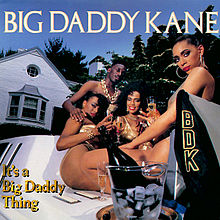
Big Daddy Kane – It’s A Big Daddy Thing (September 15, 1989)

Since its inception, hip-hop has seen many rappers come and go. Some last for a few moments, others get 15 minutes, and a few manage to extend their time to an hour.  No matter the timeframe, it’s only a matter of time before the emcee is spewed out of hip-hop mouth, left to release albums independently or better the hip-hop graveyard label, Koch.  When the artist’s time runs out they can only hope they left a legacy. 

It’s been over a decade since we last heard from Big Daddy Kane, but thankfully he left us quite a legacy.  When you talk about greatest lyricist of all time, one name that must be mentioned in the conversation is Big Daddy Kane. 

Kane’s impact was immediately felt in 88′ with the release of his debut Long Live The Kane, which mixed strong rhymes with Marley Marl’s solid production work.  The album was received with heaps of critical acclaim and went on to earn a gold plaque, leaving many to debate rather Kane had taken the imaginary crown from Rakim as King of New York.

Trying to build on the momentum from his debut, Kane came back in 89′ to release his sophomore effort It’s A Big Daddy Thing. This time around Kane handles the bulk of the production, leaving a few for Marley Marl, and a handful handled by a few hip-hop producing legends (more on that later), and Teddy Riley.  It’s A Big Daddy Thing would go on to earn Kane his second consecutive gold plague, and more critical acclaim.  They say numbers don’t lie, but I ask: do they always tell the truth?

What I really want to know is why they didn’t clean the carpet in the limo for the pic on the inside of the cd booklet.   The first album went gold, you couldn’t spend $1oo to get the thing detailed for the photo shoot?

It’s A Big Daddy Thing – Prince Paul provides the first instrumental of the evening for Kane to perform his lyrical gymnastics.  The beat sounds pretty good but Kane is the true star of this show as he completely demolishes the uneven bars.  Nice start to the show.  

Another Victory – Don’t let the title fool you: this is not a battle rap.  Instead Kane uses this dope Easy Mo Bee instrumental to address drug dealers, police harassment, unity, and squeezes in a battle rhyme or two, for good measure.  Those he looses focus, you can’t front on his lyrically ability, or Easy Mo Bee’s tight instrumental .  

Mortal Combat – First things first: this song title is and will always be sick, to me at least. Kane is credited for this instrumental work that utilizes a very familiar James Brown sample, and it actually sounds pretty good.  Kane’s in full-blown battle mode, performing his best Scorpion impressing as he lassoes the track, ordering it to “get over here” before finishing it off with his best finishing move.  This serves as a good example to why Kane should be in your top five dead or alive. 

Children R The Future – Big Daddy loves the kids, as he attempts to prove over this self-produced instrumental.  I appreciate the message, but this is inches away from making contact with corny (he even sings a portion of Whitney Houston’s “Greatest Love Of All” in a fake Jamaican voice at the end).  Correction, this was laying all over corny.

Young, Gifted & Black – Marley Marl gets his first production credit of the evening, and brother, it was worth the wait.  Kane’s baritone vocal blends beautifully with Marley’s rough instrumental, as he rips this beat to shreds, turning this one verse wonder into a masterpiece.   I repeat: Kane should be in your top five, word.    

Smooth Operator – I belief this was the first single off the album.  Kane borrows the Mary Jane Girls “All Night Long” for the back drop to this smooth groove.  Kane switches gears dismantling emcees in a gentleman like manner, and even reserves a verse for the ladies, so everybody can enjoy his smooth operation.  Nice job pleasing your entire fan base, all within the same song, Kane.  

Calling Mr. Welfare – Kane tackles the welfare system from an angle often not seen in hip-hop:  I love hip-hop.  Matter of fact, I eat, sleep, and live it.  The fiend of hip-hop still has me stuck like a crack pipe. But I’ve often struggled with the lack of responsiblity hip-hip places on the black community for the condition we’re in.  Don’t get me wrong, our ancestors past still effects are place in the U.S. (even with a black president), and I do believe there are traps set up to intentionally snag blacks (specifically black males) in America.  But we never seem to look in the mirror and take responsibility for our own actions.  Why can’t we step around the traps?  I’ll get off my soapbox…now.   Speaking of soapbox, Kane does a nice job of not stepping on his for this song, as he brings a comical touch (thinks in part to DJ Red Alert ad-libs) to a serious topic.  Kane shares three stories of welfare recipients pointing out the mistakes they’ve made to get them into the situation they’re in.  Easy Mo Bee’s instrumental is serviceable, but doesn’t hinder the overall effect of Kane’s lyrics. 

Wrath Of Kane (Live) – This plays as it reads: Kane performing “Wrath Of Kane” live at the Apollo theater. If you put your headphones on and close your eyes, you can see the lights, the crowd, Mister Cee on the turntable, Scoob and Scrap dancing, while Kane rips the mic.  Back in the day it was common to see Kane bust a move with his back up dancers, so that explains him gasping for breath like he just ran a 7 mile marathon during his performance.  But that small mishap isn’t enough to warrant an appearance from Sandman.

I Get The Job Done – Teddy Riley was definitely making his rounds on the hip-hop circuit back in the late eighties, as this is the third time in four write-ups that I’ve mentioned him for production work on a hip-hop album.  It should come as a surprise to no one that this was released as a single, as it’s easily the most commercial sounding song on the entire album.  It also helps that it’s aimed at the female audience.  Kane spins three verses trying to convince his prey to jump out of her panties and cheat on her husband with him, similar to three-fourths of the songs in LL Cool J’s catalog.  Anyway you cut it, this sucks.

Ain’t No Stoppin’ Us Now – Message!  Prince Paul steals borrows McFadden & Whitehead’s song of the same title as the backdrop for Kane to motivate (or at least attempt) the listener to keep pushing as we hold hands and sing “Kumbaya”.  Prince Paul’s instrumental sounds pretty lazy.  This wasn’t terrible, nor was it great, falling somewhere in the “bearable” range.  

Pimpin’Ain’t Easy – I’ve always hated this song.  Over his self-produced instrumental, Kane invites Nice & Smooth, Skoob, and Cliff Lover (who gets exactly one bar) to talk about banging random garden tools.  While I did find Smooth B’s verse mildly entertaining, this song still sucks as much is it did back in 89′.

Big Daddy’s Theme – A short instrumental that Kane fittingly describes as “Pimp Shit” and used to quotes a few Dolemite lines over.  It would have made more sense to place this before the previous song.  Then again, that song was terrible, so it really doesn’t matter where this was placed.

To Be Your Man – And It’s A Big Daddy Thing is taken to new lows with this crap.  Kane provides this macaroni of a beat and brings extra cheese for this sappy rap ballad.  Picking up where he left off on “The Day You’re Mine”, Kane talks his way through this one, dropping cliché after cliché, with no sincerity (especially when you consider his content in the last two songs) while trying to talk the lady in question out of her panties.  His invited guests Blue Magic provide background vocals, and should be shot, as they sound like wounded dogs begging to be put out their misery.  Why Kane?  Why?  

The House That Cee Built – Mister Cee get the spotlight and provides a pretty solid house beat that he slices to shreds.  This was actually an enjoyable deejay cut. 

On The Move – Kane invites his back up dancers, Skoob and Scrab, to share the mic on this posse cut.  All three participants verses come off like a bunch of pick up lines.  Kane comes off effortless over his simple but funky instrumental, but his back up dancers…let’s just say they shouldn’t quit their day jobs (even more so now, since Kane isn’t as in demand as he was back then).   Next…

Warm It Up, Kane – After making sure his commercial and female obligations were met, Kane the emcee returns to completely destroy this simple but effective instrumental.  Rhymefest used this a few year back on his The Manual mixtape, setting it up to come off as if he’s battling Kane, with Rhymefest finally conceding defeat at the end.  It’s an entertaining listen and a great homage to one of the best to ever do it.  

Rap Summary (Lean On Me) (Remix) – The original version of this song was included on the Lean On Me soundtrack and was also released as a single from the same soundtrack.  This song (and the movie) is about Joe Clark, the newly hired principal of Eastside High (which is was one of the toughest high school in New Jersey in the early eighties), who literally whips the school into shape.  Kane sound decent enough (with the exception of him mispronouncing the word “supremacy” for the sake of making it rhyme).  Marley Marl’s remix is decent but it doesn’t hold a flame to the original mix.

Kane starts It’s A Big Daddy Thing off with a bang, combining potent lyrics over pretty solid production.  Unfortunately, by the midway point Kane loses his focus, apparently distracted by t&a, dollars signs, and more t&a, which unfortunately doesn’t translate to quality music.  He does slightly build up momentum near the end, but there’s not enough time on the clock to complete the comeback, so the points he put’s on the board at the end are in vain.  That said, there are still  quite a few examples to help cement Kane’s spot in the top five-dead-or-alive. Legacy, baby.

-Deedub

Posted in Uncategorized | Leave a comment

Beastie Boys – Paul’s Boutique (July 25, 1989)

After releasing their ridiculously successful 1986 debut, Licensed To Kill , the Beastie Boys would take a three-year hiatus before releasing their next album, with a lot of changes taking plain the in between time.  Most notable, the boys split with the Def Jam empire they helped build, inking a deal with Capitol Records (boy I’m sure Russell is still pissed he let that money-making monster slip through his hands).  They would also leave Brooklyn and head west, leaving the congested street of New York for the sunny beaches of California.

With Def Jam and Brooklyn left behind,  they completed the wiping of the slate by parting with Rick Rubin’s sparse production in favor of the L.A. based Dust Brother’s multi-layered sample laden production for their 1989 release Paul’s Boutique.  The title comes from a (formerly) Brooklyn based shop of the same name (although the photo used on the cover is not the real Paul’s Boutique, nor was the photo taken in Brooklyn). 

Upon it’s release Paul’s Boutique record sales were slow, especially when compared to the gazillion records their debut sold.  This caused Capitol Records to call it a failure, stop promoting it, and focus on Donny Osmond’s new album (no, I’m serious).  Though it might have been a commercial failure it received heaps of critical acclaim and is considered by many to be their best work, as its praised for its innovative production and the Beastie Boys lyrical maturity.

Beastie Boys and maturity should never be used in the same sentence.  

To All The Girls – Only if this was the intro to Will.i.am’s solo debut, would this not be a weird way to start an hip-hop album.  But it’s not, so instead we’re left with a shout out to girls from different regions, countries, and continents.  The instrumental was pretty dope, so it wasn’t completely useless.

Shake Your Rump – People praise the Dust Brothers work on Paul’s Boutique for its multi-layered sampling. And while this is apparent on “Shake Your Rump” it sounds a bit scattered, jumping all over the place like a 5 year who just ate a bag of cotton candy and washed it down with a can of Red Bull.  The trio pick up where they left off on License To Ill, spilling senseless rhymes all over the place.  I wasn’t impressed.

Johnny Ryall – Over a funky instrumental the trio spin a tale about a homeless drunk claiming to be a musician, Johnny Ryall.  The line about Johnny having a platinum voice but only gold records, was pretty funny.  The story is amusing, until you realize you’re laughing at the less fortunate, then you feel guilty for laughing and realize how messed up you and society are, before the epiphany hits and you realize how genius this song is.  And that’s what good music is all about anyway, right?

Egg Man – The Dust Brothers hook up Curtis Mayfield’s “Super Fly” as the backbone for this instrumental (with loads of additional samples in true Dust Brothers fashion) that the Beasties use to spit hilarious lines about egging random passer byers.  This is the kind of immature stuff all grade school, high school, and college boys can relate to and have taken part in (along with ding-dong ditch and crank calls) while hanging with the crew.  Hey, it seems innocent when compared to drive-by shootings.  This was pretty enjoyable, juvenile but genius.

High Plains Drifter – This could have easily been titled “Paul Revere Part II”, as the boys revisit their roles as outcast criminals.  The Dust Brothers instrumental is cool, and the Beastie sound pretty nice on the mic.  But unlike “Paul Revere” which maintained a playful vibe throughout, the instrumental for “High Plains Drifter” gives the trio’s lyrics a much too serious tone.  Then you remember this is the same crew who brought you frat rap, and it becomes unbelievable… then shortly after, laughable.  

The Sounds Of Science – The Dust Brothers instrumental switches up a la Ice Cube’s “Jackin’ For Beats” with mixed results.  I actually like the mellow beat the songs starts with, but once it moves to a faster paced rock-tinged beat, the Beasties vocals get drowned out by the sounds, rendering their science as gibberish.  

3-Minute Rule – The Beasties each get a verse and all three successfully ride this Dust Brothers beat like a dress on Beyonce’s curves.  MCA provides the first f-bomb of the evening and is also responsible for the funniest line on the song as well (see his line about your mom male genitalia).  This was dope.

Hey Ladies – What would a hip-hop album be without misogyny.  Once again the Dust Brothers pull a “Jackin’ For Beats” move, with their various samples (even sampling Zapp at one point), but fails miserably.  The Beasties turn in forgettable performances, so there was no need to waste a good instrumental on this crap, anyway.  This was actually the first single off Paul’s Boutique, which might be a better explanation to the album’s slow take off as opposed to Capitol’s lack of promotion.

5-Piece Chicken Dinner – A short instrumental that sounds like something you would hear at a hoe down instead of on a hip-hop album.  Not sure what the purpose of this was.

Looking Down The Barrel Of A Gun – This sounds like something your local serial killer might use as theme music before targeting his next unfortunate victim. That is before the topic switches from acts of violence to lines about writing rhymes and some dude named Dave coordinating their chics (wtf?).  The Dust Brothers instrumental matches the song title beautifully, easily making this the darkest Beasties song I’ve ever heard.  Unfortunately the boys lack of focus in their lyrical content brings this one down faster than Rick Ross jumping from the Sears Tower draped in a million dollars worth of jewelry. If there was a hidden message in this song it went completely over my head, as this just sounds like utter randomness to me.   

Car Thief – Sometimes its hard to follow the boys lyrics, but I believe “car thief” is slang for biters?  This Dust Brothers’ beat is decent, but like some of the earlier songs on Paul’s Boutique the instrumental drowns the Beasties lyrics out.  Moving on…

What Comes Around – I think the Beasties were trying to make a point, but the message gets lost in their random lines (although, the reference to Geraldo Rivera’s chair throwing incident was kind of funny).  Random lyrics aside, this Dust Brothers instrumental was very nice, easily their best production work on Paul’s Boutique up to this point.

Shadrach – As in the biblical story of Shadrach, Meshach, and Abednego.  I guess this title was chosen to refer to themselves as three “hot” emcees?  (thank you, thank you…I’ll be here all week).  The boys spit random lines, throwing in a few biblical and religious references, probably just to better justify the song title.  The Dust Brothers instrumental work was pretty interesting, though.

Ask For Janice – This is a short advertisement for Paul’s Boutique.

B-Boy Bouillabaisse – This is actually a 12 minute collage of the following 9 short songs:

a) 59 Chrystie Street – WTF?  Useless.

b) Get On The Mic – The beat switches back and forth between a beat box and a simple drum beat for the back drop for this, lack of better term, short instrumental. 

c) Stop The Train – The Beasties spit an animated and clever rhyme about the sights and sounds on the New York transit system, over a sick Dust Brothers instrumental.  Nicely done, fellas.

d) A Year And A Day – I believe this is an Ad-Rock solo joint, but I’m not completely sure since the vocal is distorted and drowned out by the instrumental.  But that not important since the beat is so sick!

e) Hello Brooklyn – Yes, this where Jay-Z got his inspiration for his song with the same title from American Gangster.  I’ll say this: Jay does a better job of sticking to the subject on his version than the Beasties, which shouldn’t come as shock to anyone.  

f) Dropping Names – Huh? At least it was short.

g) Lay It On Me – More Beastie Randomness.

h) Mike On The Mic – Mike D’s solo joint over a simply drum beat.  Sounds like a leftover from Licensed To Ill

i) A.W.O.L – This is just footage taken from a live show of the trio getting the crowd hyped. It quickly bleeds into the same instrumental used on “To All The Girls”, bringing Paul’s Boutique full circle, and to a closure.

Many fans and critics consider Paul’s Boutique to be the Beastie Boys finest hour. I’ll be the first to admit, I’m not the biggest Beastie Boys fan, as I’m really only familiar with their debut Licensed To Ill.  I have stumbled across most of their catalog at used record shops over the past few years (thus the reason for this review) and will chronologically work my way through their library. That said, if this is indeed the Beasties finest hour I’m not sure if I’m looking forward to the remainder of their work.  Don’t get me wrong, the boys show signs of maturation as Paul’s Boutique actually tackles serious issues (even if it’s done in a not so serious tone), and even the playful songs sound more focused than on Licensed To Ill.  The Dust Brothers’ colorful production is a nice addition , that more often than not works for the fellas.  Overall, Paul’s Boutique suffers from the Beastie Boys limited lyrical ability and song ideas.  While its a decent album, its far from great, or even one of the best hip-hop releases of the eighties for that matter.  Yeah I said it!

-Deedub

Posted in Uncategorized | 2 Comments

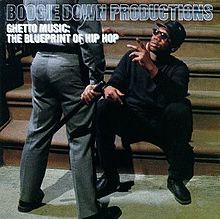
Boogie Down Productions – Ghetto Music:The Blueprint Of Hip-Hop (June 28, 1989)

After losing his partner in crime, Scott La Rock, shortly after their debut Criminal Minded, KRS-One showed resilience, coming back to carry on the BDP legacy with their sophomore effort By All Means Necessary.  By All Means received heaps of critical acclaim and eventually earned BDP its first gold plaque.  Kris’ conscious and battle ready rhymes over raw beats helped solidify his street cred and establish a solid BDP following.

Sticking to the old adage “if it aint broke don’t fix it”, BDP returned in 89′ with their self-produced third BDP album Ghetto Music: The Blueprint Of Hip-Hop (a title which Jay-Z would later use for his own release and Nas would use as ammo against him in their legendary battle).  Ghetto Music would earn BDP their second consecutive gold plaque, but the critics reviews were mixed as it would be the first BDP album The Source would not hand a 5 mic rating.

If you’ve read my post, you know I don’t always agree with The Source’s ratings, so take that last statement for what its worth.

The Style You Haven’t Done Yet – Kris opens the show with a reggae flavored instrumental that he uses to let all competitors know he’s a threat to be reckoned with.  It’s safe to say this was a message to the Juice crew, based on McBoo closing the song screaming “I’m not down with a juice crew”, or I could be reading way too far into that statement, choose your own adventure.  This was a nice way to start the proceedings.

Why Is That? – KRS-One the teacher makes his first appearance of the evening. Over a hard track Kris gives the listener a history lesson, using his first verse to go into detail on the genealogy of Shem, eventually getting to his point: black man is the original man.  Kris’ flow get a little choppy during this song but  his lyrical content will hold your attention.

The Blueprint – Kris is back in battle mode for this semi-title song.  He spits two solid verses over a serviceable beat in serious need of a better mix.  Kris’ line: “every time you bite I yell ouch”, always makes me chuckle, or at least smile.  All in all this was a decent listen.

Jack Of Spades – This song was originally included on the soundtrack for Keenan Ivory Wayan’s cult classic I’m Gonna Git You Sucka. Kris’ rhymes our an ode to Keenan Ivory Wayans’ character, Jack Spade, the ghetto war hero, who comes back home to rid his hood of crime.  There’s a video for this song, which includes the closing scene from the movie, with BDP making a cameo which leads into this song, because every good hero should have theme music.  By the way, you got change for a hundred?

Jah Rulez – The versatile Kris Parker get his chanting on over this reggae tinged instrumental dedicated to the almighty Jah.  Kris actually sounds more comfortable with his delivery on this song than anything else on Ghetto Music up to this point.   Afrika from Jungle Brothers makes a cameo on this joint, but don’t get too excited, he just add a few scratches over the funky track. BDP emcee/vocalist, Harmony lends a nice vocal that actually adds to the song instead of just feeling up space, or ruining the song all together.  Nice job, Harmony.  I never cared much for this song in the past, but today it sound really good.

Breath Control – KRS-One’s back in battle mode, and does a decent job on the mic.  The problem with this song is the instrumental: it starts off as a D-Nice beat box before a drum beat and jazzy horns are added, which isn’t all bad.  Things quickly go from tolerable to painful when what sounds like microphone feedback, is added to the instrumental making the whole beat sound like a bunch of unbearable noise.  Word of advice: do not listen to this if your currently suffering from a migraine.

Who Protects Us From You? – This public service announcement is a rhetorical question asking the police force, who protect us (black people) from police harassment/brutality?  I think the Rodney King verdict a few years later answered that one up, Kris.  This is nothing more than a spoken word piece that would have gone over better if accapella, as the cheesy instrumental brings nothing to the table.

You Must Learn – KRS-One is back in teacher mode addressing the issues with the public school curriculum, the importance of black youth knowing their history (not just their American history which is often limited to slave ships, “colored” fountains, and MLK)  and even shares a little black history.  Kris articulates his arguments beautifully, making valid points while displaying his lyrical ability that should easily put him on everyone’s “top 5 dead or alive” list.  The instrumental for the remix (the video version) adds a heavier bass line and triumphant trumpets, rendering this mix empty and bland in comparison.

Hip-Hop Rules – Kris breaks out his raggamuffin style for this ode to hip-hop and it’s dominance over other music genres.  Kris puts his teacher’s hat back on to run down the history of recorded rap music, before he uses the second verse to boast about his own dominance.  But like far too many songs on Ghetto Music, Kris’ instrumental work fails him, again.

Bo! Bo! Bo! – An early morning jog turns into police harassment, that eventually turns Kris into Rambro, blowing random police to smithereens (the line about busting the Snapple bottle off in the cop’s adams apple was hilarious!) before he’s wounded, but still manages to escape the police raid, retreating to safety where he’s given a shower by 3 sistas (because women assisted showers heal all wounds), before Chuck D and Rakim scoop him up to complete the rescue.  Kris’ reggae-tinged instrumental was pretty dope (so was his raggamuffin’ flavored hook), and when coupled with his bizarre but entertaining story, makes this song a winner.

Gimme, Dat, (Woy) – This is a song I’ve long forgotten about.  KRS-One spits two verses instructing all wack emcees to hand over their imaginary titles.  The track, which doesn’t sound remotely close to anything else Kris has spit to on Ghetto Music to this point, sound pretty good.

Ghetto Music – Really?  Kris uses the corniest track ever, as the backdrop for him to defend underground hip-hop sound, which is so bad it almost serves as a testament to why you should avoid underground hip-hop.  I hate when the title song of an album sucks.

World Peace – The instrumental work is mildly interesting, which sounds extremely layered when compare to the production on the rest of Ghetto Music and late eighties hip-hop in general.  But Kris sounds awkward on this track, turning in a flat performance.  And with that we’re done.  Peace.

There is no question KRS-One is one of the greatest emcees of all time as the depth of his catalog easily proves.  The problem I’ve always had with BDP’s early output has been with the inconsistent production, and Ghetto Music:The Blueprint Of Hip-Hop is no exception.  Kris and the crew muster up a few good instrumentals, while the bulk of them sound like economical choices, and the remainder, just hot ghetto messes.  If you’re a Kris Parker Stan, like myself, you’ll find something to enjoy on Ghetto Music, but if this is your first introduction to KRS-One/BDP, I would recommend starting with Edutainment.

-Deedub

Posted in Uncategorized | 2 Comments

The D.O.C. – No One Can Do It Better (June 16, 1989)

When you think of pioneering hip-hop artists from the south, what artist or group comes to mind?  Many will say the Geto Boys, while younger fans will probably go with Outkast (while the even less informed will say Lil’ Wayne…you foolish mortals).  But the Texas based Fila Fresh Crew is rarely ever mentioned.

And while the trio of Fresh K, Doctor Rock, and Doc-T were born in raised in Dallas, it’s fair to say that their rap career didn’t take off (if that’s what you want to call it) until they went west to California.  Dr. Rock was once a deejay for Dr. Dre’s sequence wearing, make-up sporting World Clash Wreckin’ Cru.  Eventually, Dre traded in his glitter for guns, and along with Eazy-E, Ice Cube, Ren, and Yella, formed the infamous N.W.A.  Dr. Rocks’s relationship with Dre helped the Fila Fresh Crew land a spot on N.W.A.’s, unofficial album debut, N.W.A. & The Posse.  The Fila Fresh Crew would go on to release their own album, which eventually went aluminum, causing the trio to squabble over pennies and usage of their community 72′ Ford Pinto, leading to their break up by 1988.   Even though the Fila Fresh Crew (which is a very corny name, by the way) was done, Doc-T was just getting started. 

Doc-T (whose government name is Tracey Lynn Curry) would change his alias to the D.O.C., and go one to pen lines for Dre and Eazy-E and contribute his own verse on N.W.A.’s landmark album Straight Outta Compton, and would again play Casper with a pen, writing the bulk of Eazy-E’s solo debut Eazy-Duz-It.  After paying his dues, Tracy was reward with a solo deal by Eazy-E and the good people at Ruthless Records.

Tracy released his debut album No One Can Do It Better in 1989.  His Dr. Dre produced album would go on to earn tons of critical claim, including a 5 mic rating from The Source, while earning a gold plaque three months after it’s release and eventually turning to platinum.  Shortly after No One Can Do It Better‘s release the D.O.C. suffered a car accident that left his vocal cords severely damaged, leaving his once booming voice as just a scratchy whisper.  He would go on to release two more solo albums (with rumors of a third in the ear as of this write-up), but without his once authoritative voice, both albums were ignored by the public, leaving No One Can Do It Better as Tracy’s defining moment (that is until a he later had the pleasure to father Erykah “Window Seat” Badu’s daughter… lucky bastard).

With Dr. Dre (who was already a commercial success) co-signing it should come as no surprise that No One Can Do It Better received all the praise and accolades that it garnered.  But the true question is was it worthy of all the hype?  You probably already know the answer, but if not, come follow me.

It’s Funky Enough – Without wasting time on a useless intro, the good doctor provides a banger of an instrumental for Tracy to completely annihilate.  The rough guitar sample over Dre’s beat complements the D.O.C.’s rough vocal, perfectly.  There’s no better way to start an album than with a certified hip-hop classic.  This sounds just as good today as it did twenty plus years ago.

Mind Blowin’ – I believe this was used a few years back for either Madden or NBA 2K, one of those EA Sports games (which was a pleasant surprise compared to all the crap they usually put on the soundtrack for those games).  The D.O.C. delivers another solid performance, over another solid Dr. Dre instrumental.  Nice.

Lend Me An Ear – Dre provides his best east coast impersonation of his entire career, throwing in a few extra elements along the way to give it that signature Dre touch.  Again, the rawness of the track matches D.O.C. vocal beautifully (before the accident he had one of the best rapping voices, ever).  While this isn’t as strong as the first two songs on No One Can Do It Better, it still makes for an enjoyable listen.  

Comm. Blues – Dr. Dre’s baby mama, Michel’le (now that’s a name I haven’t heard in a while) takes on the role of a juke joint singer, providing a bluesy vocal, warning all those in earshot that the D.O.C. is in the building.  Michel’le’s harassed by a few drunken fans (which sounds like the D.O.C. and Ice Cube, but I couldn’t make out the third voice) who deliver a few comical lines, making this not a complete waste of time.

Let The Bass Go – This is a song I completely forgot about.  Dre borrows a sick guitar sample from Issac Hayes’ “No Name Bar”, which makes up the heart of this laid back instrumental.  The D.O.C. relaxes his tone just enough to ride this smooth instrumental, turning in yet another nice performance.  But Dr. Dre’s instrumental is clearly the meat and potatoes of this song, as that guitar sample is mesmerizing.  Tupac would later use the same sample on “Soulja’s Story” (a song which I love) but Dre’s interpretation sounds so much better, proving that sampling is indeed an art form.

Beautiful But Deadly – This modern-day Jezebel tale is the only conceptual song on No One Can Do It Better.  The D.O.C., who had one of the strongest voices in the game, sounds like he’s fighting against Stan “the Guitarman” Jones’ live rock guitar, which renders neither party victorious.  The third first got kind of weird when the D.O.C. stops in the middle of his verse to point out (in his talking voice) to the listener which groupie at the concert he’s referring to, before he abruptly goes back to rapping the rest of his verse.  Even though this was just okay, it would have been interesting to hear Tracey do more conceptual songs.  

The D.O.C. & The Doctor – This certified hip-hop banger was the first single released from the album.  The D.O.C. turns in another superb performance over the D-R-E’s rock enthused instrumental.  You can’t help but screw your face (screwface: the look one’s face takes on when they’ve held back a crap too long, which is normally followed by a penguin trot to the nearest toilet) when the guitar lick from Funkadelic’s “Good Ole Music” comes in on the chorus.  Listening to No One Can Do It Better is actually getting me excited for Detox, even though I’m sure it will be a disappointment…but one can dream, can’t he?

No One Can Do It Better – The D.O.C. provides an exhibition on verbal gymnastics, making a strong argument to back up the album and song title (it was kind of funny to hear the D.O.C. “humbly”rate himself a 9 on the emcee scale; you’re so humble Tracy).  Dre provides yet another stellar instrumental.   It would have been nice to hear a Rakim-D.O.C. duet over a Dre instrumental (pre D.O.C. accident, of course).    

Whirlwind Pyramid – First things first: this is one of the sickest song title’s of all time (sounds like something Wu-Tang would use).  And fittingly, D.O.C. turns in one of his sickest lyrical performance of the evening.  Dre’s provides another raw instrumental, that pulls back just enough during the verses, for Tracy to shine,  and rip this Dre production to shreds.  This was sick. 

Comm. 2 – Over a funky bass heavy Sly Stone sample, D.O.C. uses this one to give his shoutouts, which sounds kind of awkward since there are still three songs to go on the album. 

The Formula – This was also released as a single and like the other singles this is a certified hip-hop classic. Courtesy of Marvin Gaye’s “Inner City Blues” Dre hooks up a smooth midtempo groove for The D.O.C. to get flip on.  Boy, hip-hop could use a little more of this formula today.  This was nice, and might be my favorite song on No One Can Do It Better.

Portrait Of A Masterpiece – The D.O.C. spits one long verse that displays his dope voice, lyrics, and deliver (providing a little comic relief when he stops mid verse near the end to catch his breath).  Dre’s beat was okay at best.  I guess you can’t expect them all to be monsters.

The Grand Finale – Picking up where they left off at on N.W.A.’s “Parental Discretion Iz Advised”, the same cast is invited back to each spit a verse (with the exception of Dre) over this live (in the figurative and literal sense of the word) instrumentation.  Cube sets thing off with a strong verse, setting the bar extremely high for the other parties involved.  Ren, and surprisingly, Eazy (whose verse I’m sure Cube penned for him, so it shouldn’t be a surprise) turn in solid verses, but Cube’s bar isn’t cleared again until our host finishes things off on the final verse.  This is how a grand finale should sound, making this a perfect ending to a nearly flawless experience.

No One Can Do It Better is often forgotten, but is hands down one of the greatest hip-hop albums of all-time.  Dr. Dre’s production takes us back to a time where he actually hand crafted his instrumentals and wasn’t just a brand name for a production team.  Dre’s production knocks from the beginning until the grand finale. And even in the rare occasion when Dre’s beats aren’t stellar, the D.O.C.’s booming vocal provide the spark. Unfortunately, the D.O.C.’s accident left his vocal cords damaged which made it impossible for him to live up to this masterpiece on his later work, sadly making this D.O.C./Dr. Dre classic collaboration a once in a lifetime experience.

Did The Source Get It Right? Hello, did you read the above paragraph? Better yet, did you read the rest of the review?  Yeah they got it right! While every song isn’t stellar there isn’t a skippable moment on No One Can Do It Better.   I’ll keep my fingers crossed for Detox, but if the first single is any indication of what we can expect as a whole, we’re in trouble.

-Deedub

Posted in Uncategorized | 3 Comments

L.L. Cool J – Walking With A Panther (June 9, 1989)

By 1989, twenty-one year old James Todd Smith had two platinum selling albums under his belt and was a bona-fide rap star.  While Radio‘s revolutionary sound was the cornerstone to building the Def Jam empire and James career, his follow-up BAD (on the strength of the rap ballad “I Need Love”) brought the crossover success and rocketed his star power into the stratosphere.  With loads of money, the world in his hands, haters in every direction, and more pussy than one man’s testosterone can handle (if that’s possible), the hip-hop world waited in great anticipation to see what the Kangol’d one would do next.  Well, maybe not the whole hip-hop world but at least New York.

In attempt to please the heads, ladies, and radio, Uncle L unleashed Walking With A Panther in 89′.  Cool James and Dwayne Simon, formerly of the LA Posse (who handled production duties on BAD) would handle the bulk of production duties with a little help from a few legendary hip-hop producers (more on that later).  Walking With A Panther did sell over a million units but received mixed reviews, largely do to his blatant pop attempts and cheesy rap ballads.

But is there enough substance to offset the fatty extras?

Droppin’ Em – Cool James comes out the gates with guns blazing, spitting battle rhyme after battle rhyme, which seems to go on for 20 verses (and that’s not a complaint).  LL & Dwayne Simon’s raw instrumental makes for a nice backdrop for Uncle L’s spitfire.  This was a nice way to start the show.

Smokin’ Dopin’ – No, this isn’t a say no to drugs message.  Instead, LL and Dwayne cook up a smooth instrumental for L to put his flow on cruise control and simply ride this track like I-94 on a Sunday afternoon.  You have to give L props when it comes to versatility: he can go from a hardcore scream, to a composed smooth tone, to a vulnerable-lover man whisper, at the drop of a dime (making his move to acting a natural transition).  In spite of the corny song title (which other than it being the first words LL utters on this song has nothing to do with the song) and matching hook, this was a pretty solid joint.

Fast Peg – Over a skeleton instrumental LL spits one verse relaying a story about Peg, would loves to speed.  Peg, who’s man is in the mob, doubling as her pimp,  eventually becomes a victim to her (and his) life in the fast lane.  Trust me, this sounds more interesting with me describing it than it does when you actually listening to it.

Clap Your Hands – Over a simple drum beat and live guitar licks provided by Billy “Spaceman” Patterson, L’s back in battle mode spitting lines to back the statement that his last album title claimed.  Apparently Cool James is a contortionists, as he claims he’s able to give himself head, which is both comical and disturbing at the same time.  All in all this was just okay.

Nitro – LL rips the heart out of this Bomb Squad (well, at least two-thirds of the Bomb Squad) produced track.  The hard beat meshes beautifully with L’s vocal as he goes into scream mode and comes off like he’s in a UFC bout with the instrumental. Uncle L comes out the victor, turning in some of his best battle rhymes to date.  This serves as a reminder to  why LL is considered one of the best to ever do it.

You’re My Heart – Wow.  How do you transition from “Nitro” into this crap?  But what would a Cool James album be without a rap ballad?  Ladies Love makes a blatant attempt to secure a female fan base (which I can’t even see ladies falling for this crap), as he throws actual rhyming to the wind, and talks (adding in an occasional psychotic scream) his way through verses trying to convince his lady to stay because she’s the only one for him, with a little “if you leave me I’ll kill you and myself” undertone.   The sappy instrumental doesn’t help matters either.  This was really bad, dude.

I’m That Type Of Guy – Cool James stays in spoken word mode, spending almost 5 minutes to, slowly, explain why he was able to bone your girl, while highlighting your shortcomings and his virtues (which include him seasoning “it” before he eats it… you’ll never look at Lawry’s the same way).  Some of L’s lines are amusing but the empty space in between their delivery is similar to Bobby Brown’s teeth when he smiles.  This was actually a single released off the album.  The instrumental is bangin’, which is really frustrating when considering Cool James would have been more than capable of ripping this beat to shreds.

Why Do You Think They Call It Dope? – Over a funky instrumental Ladies Love gets things pointed back in the right direction, turning in some pretty solid battle rhymes.  At one point L spits a portion of his lines a capella, doing his best Twista impression which fails miserably, but props for taking chances.  Other than that small misstep this was pretty enjoyable.

Going Back To Cali – This Rick Rubin produced track was another single released from Walking With A Panther.  And like “I’m That Type Of Guy” Cool James goes into spoken word mode over a dope instrumental.  The song feels like Uncle L dumbed down his lyrics exchanging his soul for worldly gain.  This is probably the most popular song on Walking With A Panther, and while the instrumental and hook are catchy, it’s far from LL’s best work.

It Gets No Rougher – This time the entire Bomb Squad chips in to concoct this effective instrumental which sounds a little empty by Bomb Squad standards, who normally have so much chaos going on within their instrumentals that if armageddon had a soundtrack they would be the perfect choice to produce it. But what the track lacks, Uncle L’s booming vocal more than makes up for, filling in the gaps and turning in a solid performance.  This was pretty dope.

Big Ole Butt – This is the third single (I believe) released from the album.  L and Dwayne Simon whip up a track that sounds like something EPMD could have produced. LL turns in three verses about his weakness: ladies with ill hind features.  While LL isn’t mentioned in the discussion of great storytelling emcees, he turns in a brilliant performance over this banger of an instrumental, painting three detailed verses that you can close your eyes and visualize the scenarios playing out (which amazingly enough look just like the video for this song in my head).  This is hot!

One Shot At Love – Bang! And just like that, Walking With A Panther‘s upward momentum is shot down.  I guess one sappy rap ballad wasn’t enough for the one the ladies love, so he waste more of the listener’s life with this crap.  Cool James shares his philosophy on love, breaking love into two categories: physical love (isn’t that lust) and mental love.  Mental love? Really?  Sounds like something you’d call an in love couple with down syndrome.  Needless to say, this was terrible.

1-900-L.L. Cool J –  Cool James is back in battle mode as he smoothly dismantles his adversaries over this dope instrumental, even taking a brief intermission to explain how he likes his skinz, before completing the task he started at the beginning of the song.  This was nice, but not nice enough to help me forget the debacle that was “One Shot At Love”.

Two Different Worlds – WTF!  Todd Smith clearly suffers from bi-polar disorder.  How else do you explain him sandwiching aggressive battle rhymes in between two soft, corny rap ballads without winking (whoever was responsible for the sequencing of Walking With A Panther should be executed ASAP).  Cool James spits elementary rhymes while a tone-deaf Cydne’ Monet turns in a painful vocal on her verse and the hook (dude, her singing made my ears bleed).  This is officially when 90 percent of his fan base became those of the heel-wearing population (I see you Canibus!).

Jealous – Cool James snaps out of his “lover man” persona and get back into emcee mode. Over his funky but smooth instrumental (that uses the same sample that Nas would later use on “Dr. Knockboots”), Uncle L lays in the cut sending a message to all those haters (i.e. MC Shan, Kool Moe Dee, Ice-T) suffering from a bad case of jealousy.  This was actually pretty nice.

Jingling Baby – The remix of this song (which contains the same lyrics as this version with a few edits to make it suitable for radio play) was released as a single (and used in the video) and included on LL’s follow-up Momma Said Knock You Out. While this version is solid, Marley Marl added just enough bells and whistles to make the remix sound worlds better than the original.

Def Jam In The Motherland – Over an instrumental that uses the same sample used on EPMD’s “It’s Time To Party” (although not to much better effect), Uncle L completely destroys this beat, turning in one his best lyrical performances of the evening.  Although the title and hook have absolutely nothing to do with the verses, this was still dope.

Change Your Ways – LL dumbs down his lyrics (again) and sacrifices his normally solid flow, in favor of this sloppy work which plays like a corny hip-hop interpretation of  “We Are The World”.  Cool James provides a naive message that if we simply change are ways the world would be perfect and we would live happily ever after.  This is one of very few songs in Cool James catalog that can loosely be categorized as “conscious”. Maybe he took heed to Ice-T’s advice and felt it was time to write at least one song with substance.  What ever the reason, this was a corny and terrible way to end this roller coaster ride of an album, which left my stomach feeling a little upset.

Walking With A Panther was clearly Cool James attempt to be all things to all people: mixing hardcore raps, soft cornball rap ballads, and a few dumbed down radio friendly joints to secure record sales.  The production on Walking With A Panther is pretty solid (even on the intentional pop attempts “I’m That Type Of Guy” and “Going Back To Cali”) and LL provides plenty of examples to prove his lyrical ability is still intact. While L’s pop attempts are bearable (depending on your mood on the day your listening to them) the painfully bad rap ballads are unforgivable, and when coupled with the other handful of mishaps, the album begins to wobble, similar to Dom Cobb’s totem at the end of Inception, ending abruptly and leaving you to draw your own conclusion on whether or not it stands up or completely topples over once the scene ends.  Thank God Cool James found his appetite and came back starving on his follow-up Momma Said Knock You, regaining the fans he lost after Walking With A Panther. Temporarily, at least.

-Deedub

Posted in Uncategorized | 3 Comments

Heavy D & The Boyz – Big Tyme (June 12, 1989)

Before Dwight Myers would become a music producer (he’s actually produced a track for Jay-Z), actor (check out his stellar work in Step It Up), and take a stab at his most recent venture, becoming a reggae artist, he was a bona-fide rap star, known to the world as Heavy D.

The Jamaican born rapper moved to Mount Vernon, NY as a kid where he eventually fell in love with hip-hop and decided to take his bid at emcee supremacy…or, get a deal so he could make some cheese to support his eating habits. Either way, Dwight, along with his deejay (DJ Eddie F), and back-up dancers (G-Whiz and the late Trouble T. Roy) would eventually become the first group signed to industry mogul, Andre Harrell’s newly formed Uptown Records imprint, under Heavy D & The Boyz.  Uptown Records, which would later become the label home to such r&b acts as Guy, Jodeci, and Mary J Blige, released Heavy D’s debut album (which I’ve never heard in its entirety) Livin’ Large in 1987.  Livin’ Large spawned two mild hit singles in “Mr. Big Stuff” and “The Overweight Lover’s In The House”,  which propelled it to earning a gold plaque, setting up high expectations for their sophomore effort Big Tyme.

Like the majority of Heavy D’s catalog, Big Tyme is light-hearted hip-hop with a twist of r&b which maintains a pop appeal.  Teddy Riley, creator of the new jack swing sound,  (who also produced the majority of Livin’ Large), provides a track, with Eddie F taking care of the majority of the production this time around (with a few contributions from a few hip-hop producing legends, more on that later).  Big Tyme was a commercial success, eventually earning the chunky one a platinum plaque.

All I really want to know is why Heavy D and Eddie F each get their own honey for the picture inside the cd booklet, leaving Trouble T. Roy and G-Whiz to share one.?  I tell ya, backup dancers get no respect.

We Got Our Own Thang – For the second consecutive write-up I’m mentioning a hip-hop track (I use the term loosely) produced by Teddy Riley…who would of thought.  This is Heavy’s letter to the world, kindly letting us know he and his Boyz got their own thang, so God bless a child.  Though I can’t stand most hip-hop/r&b blends, this one works for me since: a) it’s not a forced rap ballad b) Heavy (who is by know means a hardcore rapper) kind of fits this mold of hip-hop perfectly c) Teddy’s instrumental is pretty nice.  No this isn’t a hip-hop classic, but it is an enjoyable listen.

You Ain’t Heard Nuttin Yet –  The intro, which has a symphonic/cinematic feel, is way too dramatic of a build up for what actually happens when the real beat kicks in.  But once this mid-tempo bass heavy groove settles in, Dwight follows suit and rides this instrumental like a pony, and sounds right at home with his smooth delivery.  The lyrics were pretty random (Dwight even take the time to inform us that Harry Houdini is his favorite magician of all time; which fits in perfectly with this post, since what would have been Houdini’s 137th birthday just past yesterday.  Happy belated birthday, in the most literal sense of the term) but who listens to a Heavy D album for lyrics, anyway.  This was a nice mellow joint.

Somebody For Me – This might be the most popular song on Big Tyme (if  it’s not “We Got Our Own Thang“).  Eddie F provides Dwight with the second r&b flavored instrumental of the evening.  This is a love rap, but at least it’s not a ballad.  Heavy sounds sincere in voicing his desire to find that special lady, but since its apparent he won’t, he’ll just carry on being the overweight lover (which is simple an excuse for being a male ho).  Al B. Sure joins the proceeding to provide a very out of tune hook.  Again, this is what Dwight does, so it’s believable and enjoyable as well.

Mood For Love – Over Eddie F’s reggae tinged instrumental, Dwight goes back to his Jamaican roots with a little chanting and singing, covering one of his favorite topics: love (he doesn’t call himself the overweight lover for nothing).  This gives a glimpse into the path Heavy Dwight is currently traveling, as he comes across as a poor man’s Bob Marley (I mean that in the nicest way possible).  This wasn’t great nor was it terrible, it just…is.

Ez Duz It, Do It Ez – Dwight calls on old partner in crime, Marley Marl, to provide the beat for this one.  Marley, knowing his overweight buddy’s strengths, plays to them, providing a poor man’s new jack-swingish instrumental.  While the track isn’t bad, Heavy doesn’t sound interested  in his own verses, which causes this one to stutter a bit.

A Better Land – The liner notes say Pete Rock (also Heavy’s cousin) co-produced this one with Heavy, which explains it semi-soulful feel.  Dwight use this track to share a few uplifting verses, ultimately coming off as a hip-hop version of Michael Jackson’s “Heal The World”, only less corny.  Other than getting the chance to hear some of Pete Rock’s earliest work, there wasn’t a whole lot to see here.

Gyrlz, The Love Me – I believe this was the first single off the album.  Marley Marl returns to provide his second of three production credits on Big Tyme.  In case you cared, Dwight wanted to make sure you know: girls are crazy about him.  Personally, I didn’t care, nor do I care for Marley’s beat.  I do remember the video version of this song having a much hotter instrumental, though.

More Bounce – Eddie F borrows the beat from Roger Troutman’s song of the same title, for Dwight to make an attempt at catchin’ wreck (key word: attempt).  Heavy D has a knack for riding a track with his smooth flow, but he is not a great lyricist, by any stretch of the imagination.  He sounds overly excited on this track, which seems to throw his flow way off.  And to add insult to injury: his rhymes sound corny (how many time on one album do you have to say your height, son?).  It was kind of amusing to hear Dwight drop a “faggot” and “skeezer”, both in the same song (that’s hardcore for a Heavy D song).  Needless to say, this was weak.

Big Tyme – Dwight invites Pete Rock back to help co-produce this track.  The beat is cool, and Dwight sounds at home on this track (and just in case you missed it the other 712 times previous to this track: Dwight is 6″2), but Dwight, was it really necessary to take a shot at Debarge? Yes, I would agree that El and Chico probably aren’t the manliest of men, but Dwight, you’re marshmallow raps don’t put you too far ahead of them on the tough scale.  At the end you get to hear Pete Rock throw in (what would eventually become signature on a Pete Rock produced track) some adlibs.  All in all, this was cool (although, I prefer Brand Nubian’s usage of this same sample).

Flexin’ – Over a sparse Eddie F instrumental Heavy does his best to convince the listener (and himself) that he’s not only a lover, but a battle ready emcee.  I’m still not convinced.

Here We Go, Again – Marley Marl provides his final contribution to Big Tyme, and it’s not a memorable one, folks.  Next…

Let It Flow – Eddie F’s instrumental work would have worked if the mixing were cleaner.  As is, even with headphones on it’s a strain to hear the elements on top of Eddie’s drum beat. (I could barely make them out, only with the help of ear buds and a completely silent room, but one pin drop and its all over).  Heavy’s flow is still intact, and it was kind of nice to see it end on a unity level as he extends an invitation for his fellow rappers to join him on stage so they can sing “We Are The World” and get paid together.

I mentioned earlier in this write-up, I’m not a huge fan of r&B flavored hip-hop.  But ironically, the r&b flavored joints on Big Tyme are the strongest songs on the entire album, which eventually translates to an underwhelming listen.  There is no question Heavy D has a solid rap voice and a quality flow, but his lyrical ability and song ideas are limited.  He’s almost comical when he tries to come off as a battle emcee over harder tracks.  Maybe Big Tyme would have faired better if it consisted of all New Jack Swing r&b flavored joints for Heavy to get down on.  Oh wait, that would make it a Father MC album.  By the way, did you know Heavy D is 6 2″?

-Deedub

Posted in Uncategorized | Leave a comment

Kool Moe Dee – Knowledge Is King (May 12, 1989)

Riding high on the success of his platinum selling sophomore effort, How You Like Me Now (which I’ve never heard it in its entirety, but one I’ll definitely track down, eventually), Kool Mohandas Dewese returned in 89′ with his 3rd solo release Knowledge Is King.  I won’t cover his back catalog or his ongoing feud with LL. If you want more info on his background you can check out this link: https://timeisillmatic.wordpress.com/2010/11/18/kool-moe-dee-kool-moe-dee-1986/.

Like it’s predecessor, the majority of the production on Knowledge Is King was handled by the Star Trek-shaded one himself, with a little help from Teddy Riley and a few other collaborators.  Knowledge Is King did eventually go gold, but the true question is: is it a gold album? Because I always say: quality trumps quantity.  But since I only paid three bucks for this out of the used cd bin,  even if quanitity wins the battle, I’ve still won the war.

They Want Money – I believe this Teddy Riley produced song was the first single off of Knowledge Is King.  Since the two worked together on some of Moe Dee’s earlier work, this didn’t completely feel like a forced collaboration to simply get a beat from an up and coming and soon to be hottest producer in the industry, forged by the record label an attempt to increase record sales: that doesn’t mean it wasn’t.  Mohandas dedicates this one to all the ladies chasing his… you’re smart, I’ll let you figure it out.  I never cared much for this song in the past, and today I’m sticking to my story.

The Avenue – What starts out sounding like a dedication to the streets, quickly turns into an anti-drug message and Mohandas pleading with brothers to get their money through legitimate means.  While the message is a good one, Mohandas’ flow sounds dated and the beat sucks.  

I Go To Work – I believe this was the second single off Knowledge Is King (maybe not the second, but I know it was a single…I still remember the video).  Mohandas uses rap as a simile for different occupations, and I must say, does and excellent job translating his comparisons.  Mohandas borrows a portion of the James Bond theme music for his self-produced track, that gives the instrumental a cinematic touch, that works well.  This was pretty good.

All Night Long – This one is dedicated to the ladies.  No, this isn’t a cheap sex rap, nor an empty attempt at a love rap.  Mohandas actually shows some depth, as the qualities he’s looking for in a lady extend beyond on just her physical anatomy (but don’t get it twisted: physical features are included in his list or requirements, proving intellectuals like t&a, too), which is definitely a rarity to hear in our chosen genre.  Moe Dee’s self-produced track samples from King Floyd’s “Groove Me” providing some funk for the evening.  I didn’t realize until now, that this was released as a single, even spawning a video (here’s the link: http://www.youtube.com/watch?v=D8OS7cccbBI), which features Moe Dee donning a tight (in the literal sense of the term) purple leather suite (think Eddie Murphy in Raw) that looks like it getting ready to bust at the seams as Moe Dee attempts to bust a move.  The beat was cool but it’s Mohandas’ content that make this song a decent listen.

Knowledge Is King – Over a staple hip-hop sample, with a jazzy horn added for good measure (which I believe was played by Pete Q. Harris, whose given a production credit for this song in the insert), Mohandas drops a few jewels about, knowledge. This song reminds me of why I praised Kool Moe Dee so highly in my write-up of his debut album.  It’s always a plus when the album’s title song is a winner. 

I’m Hittin’ Hard – Mohandas “talks some shit” in an attempt to validate his emcee superiority.  While he sounds decent on the mic, his self-produced instrumental sucks (I’m starting to sound like a broken record).

Get The Picture –  Moe Dee takes the listener to church, thanks to LaVaba’s organ drenched instrumental.  Mohandas sounds good on the mic (he even takes on the greek gods in his second verse) and the instrumental is decent enough to make this a pretty solid effort.

I’m Blowing Up – Once again, Mohandas sounds decent on the mic but his instrumental is so boring you won’t even pay attention to his rhymes (will somebody pick up the needle, please!).  Moe Dee’s shuttle jab at his long-time nemesis LL Cool J, was semi-interesting. But other than that there isn’t much to see here.  By the way, don’t bother following the song lyrics printed in the insert, as they tend to go out-of-order and have extra verses added in that don’t actually appear on the songs.

The Don – This is the closest to gangsta rap that Moe Dee will ever get (even adding machine gun samples to his instrumental in an attempt to give it a “gangsta” edge, that falls flat and just ends up sounding generic), but still miles away from actually being gangsta rap. Moe Dee’s not claiming mafia boss, but more of a hip-hop boss. Oh Mohandas, you and your clever metaphors.  Mohandas adopts a flow that sounds suspiciously like Rakim’s, and ironically, uses the same sample used on Eric B & Rakim’s “Musical Massacre”.  The metaphor doesn’t quite work as this was pretty mundane.

Pump Your Fist – Mohandas reserves the final song of the evening to spit a “conscious” rap covering a load of social issues, all within the short span of three verses.  While Mohandas’s content is cool he sounds like he could use a gallon of coffee and a six-pack of red bull, as he doesn’t sound the least bit enthusiastic while delivering his lethargic lines. Oh yeah, his bland track doesn’t help, either.  I’m pumpin’ my fist in celebration that this chore of a listen is over.

If you read my write-up on Moe Dee’s solo debut Kool Moe Dee,  you will recall that I was very impressed by the man’s lyrical ability.  While Moe Dee does showcase some of that same brilliance on Knowledge Is King, the majority of his output never register above the average level, leaving me to believe that somewhere in between the release of Kool Moe Dee and Knowledge Is King, Mohandas ate a herd of cows and completely lost his hunger.  Speaking of appetites, Moe Dee, who handles the majority of the production on Knowledge Is King, apparently has a problem with his musical taste buds as well, as the majority of the beats are empty, boring, or down right terrible.  Do you think it’s a coincidence that after this album Moe Dee’s career took a downward spiral?  I think not.  

-Deedub

Posted in Uncategorized | 3 Comments

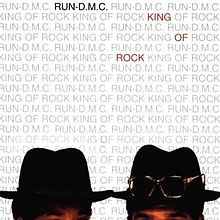
Run D.M.C. – King Of Rock (January 21, 1985)

After releasing their self-titled debut album in 1984, Run-D.M.C. was praised for ushering in a new-school (that term is relative) hardcore sound when compared to their contemporaries of the time.  While the majority of Run D.M.C. consisted of sparse drum beats (two to be exact: used over and over again) and aggressive rhymes, the most popular song on the album was the rock influenced “Rock Box”, which included live guitar licks from Eddie Martinez.  Since “Rock Box” was so well received it was only logical the next step for the trio was to create an entire hip-hop/rock fusion album, right?

Right or wrong, it’s what they did.  With the production team of Larry Smith and Russell Simmons (with a few special guests to help inject that rock-edge into the music, including Eddie Martinez and Rick Rubin), Run-D.M.C. returned in 1985 to release their sophomore effort King of Rock.  Consisting of 9 tracks, the majority of the songs on King of Rock were heavily rock influenced.  With the release of King of Rock, it can be said this is where Run-D.M.C. went from rap stars to legitimate pop-music sensations as the album would go on to sales over a million units.

So while it’s clear the hip-hop/rock fusion idea made dollars, did it make sense? (get it, sense vs cents? Oh well, I thought it was clever)

Rock The House – This is nothing more than an extended intro over a drum beat that sounds like a leftover from Run D.M.C.

King Of Rock – Eddie Martinez makes his first appearance of the evening, playing live guitar over Larry Smith’s drum beat.  Run and D get straight to work, and though most of their rhymes sound dated (which was kind of funny to hear them mention they”never sound old school”), they still manage to sound convincing over the hard instrumental.  Darryl even makes up a few more meanings for the acronym DMC (“devastating mic control”  is decent, but “never dirty and most clean” is ridonkulously laughable).  25 years later, this still bangs.

You Talk Too Much – This is the answer record to Whodini’s “Big Mouth” (or the prelude to their own “You Be Illin”, you make the call.  This is dedicated to that dude we all know who can’t stop running his mouth.  Joseph and Darryl’s flow collectively sounds terrible, which matches the beat perfectly, but makes for a corny song that runs on way too long.  Next…

Jam-Master Jammin’ – Run and D’s ode to their deejay, Jam Master Jay (RIP).  I’ve said it before and I’ll say it again: I’ve never been a fan of this type of song but I do appreciate the solidarity.  This was just okay.

Roots, Rock, Reggae – Wow! Really? Darryl & Joe invite reggae artist Yellowman (who apparently was relevant during the eighties, I don’t remember anything from the man but I’m not the biggest reggae fan, either) to help create this train wreck of a song.  From the beat to each individual involved performance: this was really bad.

Can You Rock It Like This – The instrumental actually sounds like something you might hear on pop radio today (that’s not a compliment, by the way).  Over a rock guitar-tinged track Darryl & Joe spit lyrics (which range from boasts to expressing growing tired of the superstar lifestyle) that fall all over the place, and really have nothing to do with the hook.  This wasn’t good.

You’re Blind – Over yet another rock-tinged instrumental (staying true to the album’s title), Run and D spit their version of “conscious” rhymes.  The duo share stories of individuals who make blind decisions without considering the consequences.  And while the line in the hook instructing the  “walking blind” to wear glasses like DMC, was comical, the song sucked.

It’s Not Funny – This could have easily been title “It’s Like That II” as the beat (the vocal sample on the hook is beyond annoying, by the way) and Run & D’s flow sound identical to that song.  The duo waste nearly 6 minutes painting different scenarios that would not be funny if you’re the individual involved, but are very amusing if you’re on the outside looking in, but more importantly: they don’t make for an entertaining song.  Everything about this song is severely dated, and unlike the title suggest, this was very laughable.

Darryl And Joe (Krush-Groove 3) – With a little help from DJ Red Alert (although, I’m not sure if helped produce the track or just added the scratches) Run D.M.C. complete the Krush-Groove trilogy (the first two which are on their debut album Run-D.M.C.).  Joseph and Darryl regain the chemistry that has pretty much gone MIA since “King Of Rock”, as they exchange boasts and sound really good in the process.  The track, which by 1985 standards, has a futuristic feel, possesses a triumphant quality that makes for a good way to complete the Krush-Groove trilogy, and an even better way to end the album.

You know that old saying about time and fine wine?  Well, time had the opposite effect on King of Rock.  When you combine Larry Smith’s limited production with Run & D’s limited microphone ability (if your honest with yourself,  you’ll admit neither Run or D are in your top 10 when it comes to lyricist), you get a very underwhelming album.  I love “King Of Rock” and like “Darryl and Joe”, but those songs are the exception, not the rule.  King of Rock is not fine wine, but more like an old-ass 40 oz of Old E.  Good thing they dumped Larry and brought in Rick Rubin to handle the production for their third outing.

-Deedub

Posted in Uncategorized | 1 Comment

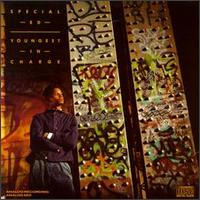
Special Ed – Youngest In Charge (May 8, 1989)

The year :1988 The scene: Brooklyn, NY.  A 14-year-old inspiring emcee Edward Archer, stumbled in to the garage based studio of up and coming producer Howard “Howie-Tee” Thompson.  The stumble was intentional, as Howie-Tee already had a pretty impressive resume, having already produced tracks for the likes of UTFO and Lisa Lisa & Cult Jam, being both Howard and Edward (or Hedward) lived in the Flatbush section of Brooklyn, Edward had a plan and knew just where to go.

Eventually, Edward, who would take on the alias Special Ed (which became a lot more fitting based on the bizarre flow he would adapt on his third release Revelations), and Howie Tee begin working on demos to shop for a deal.  Their demos caught the ear of Profile records, whom they would ink a deal with and in 1989, and the tender age of 16, Special Ed released his debut album Youngest In Charge

Youngest In Charge would go on to earn a gold plaque (based largely on the massive hit and classic “I Got It Made”) and received heaps of critical acclaim as well.  Did I mention, dude was only 16 then this was released?

Taxing – Edward doesn’t waste any time, and as if this were an EPMD album, he gets straight to business, as sounds Nimble and precise in the process.  Howie Tee’s beat was constructed around a Beatles sample (“Sgt Pepper’s Lonely Hearts”) that he wanted to use. But the Beatles catalog, which even then was untouchable (unless you like getting bitch slapped with lawsuits),  influenced Howie’s decision to get someone to replay it on guitar, and switched up the melody just a bit.  This is hot!  It sounds a lot better than I remember it.    

I Got It Made – Hip-hop classic: over a simple but infectious Howie Tee beat, Edward gets his braggadocio on, fantasizing about a life he obviously was living, being he was only 16 at the time (although, I’m sure his mom sent him to the store on occasion to pick up some Cascade so he could wash the dishes).  This song represents a time when hip-hop was innocent, which is gravely missed in this day and age (a tear, drops my eye).  This is timeless, has to be in your top 10 of all time (yeah, I said!).

I’m The Magnificent – I believe this was the second single off Youngest In Charge (or third?), but the remix version was used for the video.  Howie provides a reggae tinged beat for Edward to boast about his dominance, while simultaneously displaying his verbal dexterity, which is pretty impression when you factor in he was only 15 or 16 when this was recorded (though the line about “getting Grammies even though he’s not an actor” doesn’t make any sense, but will chalk that up to his youth).  So far we’re 3 for 3.

Club Scene – And then were hit with this mess?  Wow.  At least our host is gracious enough to warn us in his first line that this is an intentional attempt at a pop/club song.  The beat changes more times than Liz Taylor does husbands, covering house, hip-hop, r&b, and I think I even heard a little calypso in there somewhere.  Edward invites female emcee, Kazam (aka Howie Tee’s baby’s momma) to the party to spit a few lines too, and she actually sounds more comfortable over the dung beat than our host (take that for what it’s worth).  But neither parties sticks to the subject so it comes off like a 4 year with a loaded automatic weapon, recklessly spitting shots all over the place with no particular target:which at least puts the vocalists on one accord with the instrumental.

Hoedown – No, put back your cowboys boots and hats.  This isn’t that type of hoedown, silly (although, Howie’s beat made we want to promenade).  Over Howie’s Country and Western inspired beat Edward spits two verses about a couple of garden tools he’s used while gardening.  Ed’s not covering new ground here, but he does a great job of making it interesting with his witty lines (although, his misuse of the word “exception”, for the sake of making his line rhyme, was pretty funny).  I used to hate this song back in the day, but listening to it now it’s actually enjoyable.  I guess age has helped me appreciate the concept more, proving time is indeed illmatic.

Think About It – This was the third single (or second) released off the album.  Howie’s beat uses the same sample used on Eric B and Rakim’s “Microphone Fiend”, so it’s only appropriate that they used Rakim’s vocal sample from the same song.  Ed spews battle rhymes over Howie’s simple but effective beat, and sounds really good.  Another hot one!

Akshun – This is Edward’s ode to his deejay, Akshun.  I’ve never been a huge fan of this type of song but I do appreciate the team spirit.  Howie’s funky beat and Edward’s precise and smooth delivery, mad me believe it.  This was nice.

Monster Jam – Howie hooks up this go-go styled track for our host to go bananas over, as he proceeds to spit sick line after line.  Needless to say, the song lives up to its name. Next to “Got It Made” this is the 2nd best song on Youngest In Charge, in my opinion.

The Bush – Ed’s dedication to the place he represents, Brooklyn, or to be more specific: Flatbush (which is a community in the borough of Brooklyn). Howie Tee’s back drop, which samples Al Green’s “Love and Happiness”, is economically efficient. As usual, Ed sounds solid but looses focus and gets way off the subject, but manages to reel himself back in before the song ends.  This was pretty good.

Fly M.C. – What starts out as another boast fest from our host, quickly shifts gears and turns into young Edward trying to escape the clutches of a sex crazed Queen of France, who can’t get enough of under-aged, Flatbush weiner.  It sounds like something Slick Rick would have done, but only better (Ed claims this was written before Rick was out, which if you do the math means Ed penned this rhyme while still in diapers: which is really impressive, but I ain’t buying it).  When you factor in Howie’s boring beat, this is very skippable.

Heds And Dreds – Ed pays respect to his Jamaican roots and attempts a little chanting on this one.  While not great, it’s serviceable.  And that ends the regularly scheduled program.

My copy is an extended version that includes the following bonus tracks:

I Got It Made (Businesslike version) – The beat does give it a “business like” feel, which is cool, but it doesn’t measure up to the original version.

I Got It Made (UP Version) – This sounds like a remastered version of the original (it also sounds like Ed re-recorded his vocals, also).

Think About It (Instrumental) – Plays exactly how it reads.

Think About It (Howie’s Slo-Mo Party Mix) – The Jeopardy theme music mixed in between verses has no business coming near a hip-hop song, yet alone a Special Ed song.  The music during the verses switches up, a la Ice Cube’s “Jackin’ For Beats”, with mixed results.  This was okay, I guess.

One In A Million (Loose Talk In The Studio) – At Howie Tee’s request, Ed spits two of the 5,632 rhymes that he came with to Howie (it’s actually funny when Howie says it).  This is simply a one verse out take, but even in its rough draft stage, it showcases the lyrical ability young Edward possessed.

I’m The Magnificent (The Magnificent Remix) – This is the remix that was used in the video, and later released on his sophomore effort Legal.  This gives the song a harder edge compared to the original, which had more of a “happy” feel to it. 

Ready To Attack – This was also released on Legal.  Ed completely obliterates Howie’s beat (which uses the same sample that Pete Rock would later use on Run DMC’s “Down With The King”), spitting potent battle rhymes (a portion of which I believe was aimed at one of the Juice crew members) without breaking a sweat.  This is really hot!

Club Scene (Ed’s Special Mix) – Unlike the original version of this song, which mixes different music genres, this version maintains it house music theme,  and its sucking status.

Youngest In Charge is one of those albums that often gets overlooked in the discussion of  best hip-hop albums from the 80’s.  Ed spits articulately crafted rhymes with the confidence of a seasoned veteran, and in case you missed it, dude was only 16.  While most of the subject matter doesn’t move beyond boasting, his talent makes that heavily treaded ground an enjoyable listen.  And Howie Tee’s conventional beats, which aren’t ground breaking by any stretch of the imagination, complement Ed’s flow very well.  Youngest In Charge is not without a few missteps (i.e. “Club Scene” and “Fly MC”), it definitely deserves mention in the “best of” discussion.

-Deedub

Posted in Uncategorized | 1 Comment

Gang Starr – No More Mr Nice Guy (April 22, 1989)

In March of 2010, rumors that Keith “Guru” Elam had suffered a heart attack and slipped into coma, flooded the internet and other media sources.  Sadly, on April 19, 2010 the hip-hop community was saddened when the rumors were confirmed and Guru was pronounced dead.  Since this is my first Guru related write-up, it’s only right that I say: RIP Guru.  And now a brief history on the formation of Gang Starr.

After graduating with a degree in Business Administration from Morehouse, Boston native Keith Elam decided he would pursue a career in hip-hop. Somewhere between 1985 and 1987, along with a few other associates,  Keith, whose rap moniker was The Guru Keithy E, formed the original Gang Starr Foundation.  With help from legendary deejay/producer Mark 45 King (more on him later) the collective would go on to release a few 12″ singles on the now defunct Wild Pitch label.  Eventually the crew went their separate ways, leaving Guru with sole responsibility to carry on “the chain and the star” tradition.  Around the same time an up and coming deejay and producer named Waxmaster C, sent Guru a beat tape, which he was very impressed by.  Guru extended an invitation for Waxmaster C to join the foundation, and after changing his alias to DJ Premier (Thank God!  It would have been pretty hard to call a guy going by Waxmaster C the greatest hip-hop producer of all-time), the two would form the new and improved (and now legendary) Gang Starr, and in 1989 release their debut album No More Mr. Nice Guy

No More Mr. Nice Guy didn’t receive tons of critical acclaim, nor did it move a ton of units (but it did butcher Afrika Bambaataa’s name while shouting him out in the liner notes).  But it did produce a few decent singles, including “Manifest”, which is probably the most popular song on the album, but that’s not saying much.

Premier & The Guru – Over a simple but effective Premo beat, The Guru Keithy E (boy am I glad he dropped the Keithy E, that’s just way too much name for one man… not to mention, Keithy E sounds mad corny) uses three verses to introduce the world to he and his deejay. by 89′ standards Guru sounds pretty nimble on the mic.  This was a decent start to the show.

Jazz Music – This is definitely in my top 10 Gang Starr songs of all time: Guru pays tribute to jazz music by taking the listener on a journey through the history of jazz music, starting with its origin and name calling the key players who helped with its formation (a few months later Gang Starr released  “Jazz Thing” on the Mo’ Better Blues soundtrack, which pretty much covered the same territory, with a lot more detail (but conveniently failed to mention Miles Davis (who he mentions in “Jazz Music”), only the most influential trumpet player in the history of jazz music.  When asked about this omission in an old interview,  Guru said it was just a small oversight, though some speculate that someone within Branford Marsalis’ (who was heavily involved with the music for Mo’ Better Blues) family had a beef with Miles,  punking pressuring Guru into removing Miles name from the song).  Though this isn’t quite the boom-bap Premo would later become famous for, I still love the different layers and the Ramsey Lewis piano sample on this song.

Gotch U – Premo uses tribal drums for the backbone for this beat and borrows the sample Marley Marl used for Kane’s Raw (and later Kool G Rap’s “song title”).  I actually prefer Premo’s use of the sample over Marley’s (more so do to the drums).  Guru is a dope emcee,  but if Kane or G. Rap would have got a shot at Premo’s interpretation of the sample, they would have murdered him on his own shit.

Manifest – Speaking of Kane… Premo uses a Kane vocal sample for the hook to this classic Gang Starr joint. Guru’s manifestations range from boasts to lessons, over a hypnotic Premo track.  This version is cool, but Premo adds jazzy horns and a few more bells and whistles, to the remix, which  sounds 10 times better than the original.

Gusto – This is the first of two tracks that Premo would step a side and let DJ Mark 45 King handle production duties.  Guru’s first verse starts off awkward as he sounds as if he’s talking, but after a few bars you realize he’s started his verse.  Things don’t get much better, thanks to Guru’s low quality vocals which sound like they were recorded on a home karaoke machine.  This sounds like a scratch demo that should have been left on the cutting room floor.

DJ Premier In Deep Concentration – I’ve never been a huge fan of deejay songs, but this is hands down the greatest deejay song of all time!  Premier slices Kool & The Gang’s “Summer Madness” to pieces, adding in a few vocal samples that help make this the perfect gem from the title all the way through the end, where Premo’s vocal sample let’s us know it’s time to get “movin’ on”.  A little taste of heaven.

Positivity (Remix) – Album sequencing rule #1:  Never place a remix of a song before the original version appears on the album.  Like most of Vince Young’s actions, that’s just dumb.  Anyway, Guru spits “positive” rhymes over a decent Premo track.  That’s all I got.

Manifest (Remix) – See my comments up above for Manifest ( I love the extended instrumental that opens this version… Premo for President).

Conscience Be Free – Now this is a song I completely forgot about.  Over this multi-layered (remember this is 89′) smoothed out Premo beat, Guru sounds better than he’s sounded for the majority of No More Mr. Nice Guy, up to this point.  Again, this isn’t the boom bap that most Gang Starr fans would become accustom to hearing from the duo (and it may have too much of a pop/r &b feel for some of your taste buds), but it’s still enjoyable hip-hop from one of the greatest groups to ever do it.  Nice.

Cause And Effect – Premo scratches in the high-pitched whistle sample (that would become a signature of DJ Premier’s production work) over Isaac Hayes’ “Shaft Theme” sample.  I’m listening to this with my ear buds and Guru’s stacked vocals play on separate ears, so by the end of the first verse it becomes pretty annoying.  Overall this was cool…might have been a better experience without earphones.

2 Steps Ahead – Keithy E does his best Kool Keith impersonation, over a Premo track that sounds like it’s stuck in neutral.  That’s all I got.

No More Mr. Nice Guy – Hearing this now I can’t help but envision a half-naked Lil’ Kim and shiny suit Puff Daddy (pre P-Diddy, Diddy, and whatever he’s calling himself these days: not only did he (allegedly) invent the remix but he also would remix his alias, several time) dancing around in her video for “No Time”, which uses the same Vicki Anderson “Message From The Soul Sisters” sample used on that song.  Guru sounds serviceable, but nowhere near as polished as he would become in the following years.

Knowledge – Mark 45 King gets his second production credit (but I have a sneaky suspicion that Premo had his hand in this as its sounds like something he would have hooked up), with this being the superior of the two, this track is hot.  Guru and his guest Damo D-Sky (who’s not even mentioned in the liner notes) sound pretty good as they each get two verses and make the best of them.  This was hot!

Positivity – There really isn’t that much of a difference between this mix and the “remix”, other than Guru’s shoutouts at the end.  Since Guru kicks the same rhymes as the “remix” this turns into a waste of time.

No More Mr. Nice Guy is easily the weakest album in Gang Starr’s storied career, which says a lot about their output, because this is not a terrible starting point. Guru, who was clearly still finding his lane as an emcee, sounds very wet behind the ears for the majority of the album. Premo shows flashes of genius, as we get a taste of the greatest hip-hop producer of all times (yeah, I said it!) earliest works.  You wont love every song on No More Mr. Nice Guy, but you’ll like enough of it to make it a worthwhile listen.

-Deedub

Posted in Uncategorized | 2 Comments