Da Lench Mob – Guerillas In Tha Mist (September 22, 1992)

220px-Guerillaslenchmob

By 1992, Ice Cube was arguably the hottest rapper in the game. After leaving N.W.A. he released back to back critically acclaimed and platinum selling solo albums, and begin to get his feet wet in Hollywood, with his debut starring role as the L.A. gangster, Doughboy, in John Singleton’s 1991 hood classic Boyz N The Hood.  1992 would also be a good year for Cube on the music end. Near the end of the year he would release his third and most commercially successful album The Predator (more on that later), and we would see the debut album Guerillas In Tha Mist, from Da Lench Mob, released on his Street Knowledge Records distributed by East West Records.

Though Cube’s full Lench Mob crew runs a lot deeper than 3, the rap group would consist of J-Dee, T-Bone, and Shorty. Cube might as well have been the 4th member of the group as he makes several appearance throughout GITM (and penned most of the album), as well as produced the entire project, with co-production credits going to T-Bone, Rashad, Mr. Woody and Chilly Chill. And like everything else Cube touched in the nineties, GITMwould turn to gold, earning Da Lench Mob a gold plague.

In 1993, J-Dee would be sentenced to 29 years to life for the murder of his girlfriend’s male roommate. Da Lench Mob would replace him with a rapper named Maulkie, and released a second album Planet Of Da Apes in ’94, but not even Cube’s presence could help that album go wood. Needless to say, that would be then end of Cube’s short-lived vanity group, but his individual star power was just beginning.

Capital Punishment In America – The album opens with a simple drum pattern laid underneath a string of sound bites that sound like they were taken from a documentary about the history of capital punishment in America and the different execution methods used over the years. I guess the purpose of this intro was to, in around about way, explain the group’s name and introduce them to the world.

Buck Tha Devil –  Ice Cube joins his Lench Mob brethren on the first song of the evening (rightfully so, since he wrote the song as well), as they express their disdain for the white man and their desire to rid him from the face of earth for all his dastardly deeds. As menacing at they may sound, the fact that Ice Cube now makes family movies, makes their violent rhetoric sound unbelievable. The instrumental is nice, though. The siren like loop gives the song an uncomfortable feel, while the heavy tribal drums laid underneath it give the track a strong foundation.

Lost In Tha System – J-Dee gets his first solo record of the evening. Over a simple guitar loop, J-Dee recalls a Friday that starts out fine, until he takes a trip to the liquor store, decides to drink and drive, which leads to him running a red light and getting pulled over by a cop, who places him under arrest after discovering he has two warrants. From there, things get progressively worse for J-Dee, as he gets into a fight with a fellow inmate and insults a judge; both offenses that get him more time behind bars. By the end of the song J-Dee gets out of jail but states even though he’s back on the street, he’s still lost in the system. In hindsight, considering his fate, it’s almost like that last line was a cry out for help, which is pretty sad. All in all, this was a solid listen.

You And Your Heroes – Cube rejoins his boys as they take shots at quite a few different white celebrities (everyone from Marilyn Monroe to Larry Bird are targets) and fire a few more at some brothers often deemed as sellouts (i.e. Brian Gumble and Arsenio Hall). Ironically, one of the samples used in Cube’s decent instrumental is taken from The Average White Band (contradiction much). Some of their rhymes will make you chuckle a little bit, but overall this song was only average.

All On My Nut Sac – Now here’s one I completely forgot about. Ice Cube and company hook up some ol’ lovely shit with this beautiful instrumental built around a loop from Funk Inc.’s “Goodbye So Long”. Cube plays a drug dealer around the way that J-Dee has grown tired of seeing destroy his community, and seeks to rid him from his block, even if that means putting a bullet in his dome. Over the course of three verses, Cube and J-Dee go back and forth defending both of their stances. The song title really has nothing to do with the song’s content, but it makes for a catchy hook that’s guaranteed to have you singing along with it.

Guerillas In Tha Mist – This was the lead single from GITM. Cube joins his Mob brethren once again, as he and the crew take things to the (concrete) jungle, declaring themselves guerillas and expressing more of their hatred for the “devil”. And who can ever forget Cube’s classic “with the boom, ping, ping” line (and T-Bone sounds like he could have been the father of Onyx’ style on this one)? Cube and associates hook up a sick instrumental, built around a loop from The Main Ingredient’s “California My Way” (which sounds a lot like James Brown’s “The Payback” ), turning this into an enjoyable listen. The video was pretty sick too.

Lenchmob Also In The Group – Interlude

Ain’t Got No Class – J-Dee gets yet another solo joint. Over a decent instrumental, J-Dee calls out crackhead parents whose habit has caused them to neglect taking care of their kids. B-Reel stops by to assist with the hook and adds an occasional adlib. Overall, this was decent.

Freedom Got An A.K. – Cube lends another helping hand with the rhymes on this one, as he and the boys declare that the only way blacks will ever experience true freedom in America is through violence (“don’t come to me with no petition, fool come to me with ammunition”). The instrumental kind of has that blunted Muggs feel to it, and is pretty decent. The Prince vocal sampled embedded throughout, was a nice touch as well.

Ankle Blues – I forgot about this one. Cube and company build the instrumental around a loop of Lonnie Liston Smith’s “Space Lady”, and it’s a beauty. Shorty goes for self, as he raps about falling asleep while watching Cops and dreams about a reversed world, where the brothers “protect and serve” the community. It’s an interesting concept, that a more skillful emcee would have made more interesting than Shorty. But, oh well; at least you’ll enjoy the dope backdrop.

Who Ya Gonna Shoot Wit That – Not really a fan of this one. And the fact they left the question mark off the song title, really doesn’t help matters.

Lord Have Mercy – This is easily my favorite song on Guerillas In Tha Mist. Over a somber and beautiful instrumental, T-Bone has a conversation with God (completely abandoning the hyper style he used on the title track), as he seeks relief from the trials and tribulations of being black in urban America. Amongst all the violent and tough guy talk on GITM, it’s refreshing to hear heartfelt and vulnerable lyrics like this.

Inside The Head Of A Black Man – The album closes with snippets of random yelling, glass breaking, gun shots, and an occasional sound bite of a man saying “Lench Mob”, laid over a simple drum beat. As a black man, I can honestly say these aren’t things that run through my head on a daily basis, or ever.

Time has not done Guerillas In Tha Mist any favors. Ice Cube and his associates do a pretty solid job on the production side, but the once trendy overly violent pro-black themes, now hinder the album. Even more of a hindrance is Da Lench Mob’s lack of lyrical talent. Take away Cube’s presence and this decent album would quickly turn into a hot mess. Then again, if you take Cube away, Da Lench Mob wouldn’t even exist.

-Deedub


Posted in Uncategorized | 4 Comments

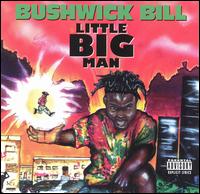
Bushwick Bill – Little Big Man (September 8, 1992)

Bushwicklbm

In the mist of listening to and working on Willie D’s IGOLS write-up, I ran into today’s subject at one of my favorite used music spots. Maybe this was not a coincidence, but more divine intervention. Maybe it was a part of God’s plan for me to write about two of the Geto Boys solo albums, back to back.  I’m fucking with you. Place this one before Public Enemy’s Greatest Misses.

Richard Stephen Shaw, better know to the world at Bushwick Bill, was the Jamaican born Houston transplant who was one of the original members of the Geto Boys. After The Geto Boys’ critically acclaimed and platinum selling album We Can’t Be Stopped, Bushwick Bill would pursue a solo career like his fellow Geto brethren, Scarface and Willie D, releasing his solo debut Little Big Man on Rap-A-Lot/Noo Trybe Records, one week prior to Willie D’s I’m still Goin’ Out Lika Soldier.

Along with Rap-A-Lot CEO and co-founder, J. Prince, Bushwick would call on longtime Rap-A-Lot in-house producer John Bido (with co-production credits going to Rap-A-Lot affiliates Crazy C, Roland, Goldfinger, and Mike Dean) to handle the production duties for the entirety of Little Big Man. The album didn’t move a ton of units, but in-between Geto Boys projects, Bill would go on to release one more solo album on the Rap-A-Lot label, and 4 more independently, including his 2010 release, My Testimony of Redemption, which showcases the former horrorcore rapper rhyming as a born again Christian. I’ve never heard MTOR, but I’d be interested to hear what a sanctified Bushwick sounds like on the mic.

Intro – This extended intro opens with a male voice making random statements about Bushwick’s ideology, rhymes, and stature, to which Bushwick has a rebuttal for each. No need to listen to this more than once.

Little Big Man – Bushwick opens the album with the title track, bragging about his skills on the mic, how tough he is, and his sexual prowess. Our host won’t leave you mesmerized with his lyrical output, but he does a well enough job not to embarrass himself on this one. The instrumental has a bluesy feel, thanks to the rough guitar licks and organ, This was actually pretty enjoyable.

Stop Lying – Bushwick takes the time to dedicate an entire song to calling out brothers who lie about how much booty they get. Yes, I’m serious. The instrumental has both a blues and country feel to it, and isn’t completely terrible. But it’s going to take a stronger backdrop than this to make Bill’s corny content memorable.

Call Me Crazy –  This one opens with a dude cracking short jokes on Bushwick (and most of them are pretty funny), before our host comes on the scene and pumps Mr. Funnyman full of lead. Bushwick proceeds to spit verses about beating and shooting everybody in sight, just to prove how crazy he really is. Not that I would believe him anyways, but the lighthearted singing on the hook and the borderline boring bluesy backdrop (tongue twister much!) don’t do anything to give credibility to our host’s claims.

Chuckwick – This is supposed to be the sequel to “Chuckie” from The Geto Boys’ We Can’t Be Stopped (which Bill makes reference to in the song’s first few bars). Like its predecessor, Bill spits horrorcore rhymes that come off sounding more comical than frightening (“the world’s smallest killer, I can’t wait ’til they bury me, every arm I chop off I give the fingers to charity” and “it’s time for breakfast but I don’t want eggs, just jelly and toast, and bacon and legs”). I’m not a fan of this song or “Chuckie”, but at least the latter’s instrumental tried to create a spooky mood.

Don’t Come To Big – J. Prince and John Bido stay true to the country and blues sound scape they’ve created up to this point on Little Big Man, and unleash this one that is fire. Little Bill uses it to let the ladies know that in spite of his small stature, he’s more than capable of breaking them off proper, while he warns the brothers not to sleep on his hand skills. This was cool.

Ever So Clear – This is easily the crown jewel of Little Big Man (and next to his verse on “Mind Playing Tricks On Me”, probably of Bill’s entire catalog). Over a slightly emotional semi-bluesy instrumental, Little Bill discusses his life, from his birth defect, to becoming a bona-fide rap star, to the pain that caused him to attempt suicide and left him missing an eye-ball (“my eye…why’d you shoot me in my eye? I would have shot you in the body”). Now I don’t have any proof, and the liner notes don’t deny or confirm it, but Bill’s rhymes sound like Face may have penned them (which would not be a surprise, as Face has said in the past that he and Willie D wrote all of Bushwick’s rhymes for the Geto Boys albums). Regardless, this is an unsung classic and one of the best autobiographical songs in hip-hop history.

Copper To Cash – Over a forgettable instrumental, Bushwick spews forgettable rhymes about getting money by any means necessary (be it robbing or rhyming).  As Charles Barkley would say, this song is turrible. And shame on Bill for desecrating The O’Jays’ classic “For The Love Of Money” by incorporating it in to this hot mess of a song.

Dollars And Sense – J. Prince and John Bido steer away from the c&b (my made up acronym for country and blues) theme and build this backdrop around a loop from the Ohio Players’ “Funky Worm” (a record that would become the source material for many artists, and an important piece in the blueprint of the G-funk sound that would dominate hip-hop in the mid nineties), and it’s dope. Bushwick’s theme on this one is simple: whatever you do, if it doesn’t make you money, it’s not worth your time. The first verse sticks to the script, but each verse after strays further and further away from the topic at hand. I love this instrumental, though.

Letter From KKK – This one starts out with Bill reading a letter from the KKK, thanking him and the rest of the black community for their contribution to African-American genocide. Not too far in, Bill loses focus and forgets about the letter as he resorts to spewing out random facts and statements, in an attempt to deter brothers from committing black on black crime. I remember back in the day their was a bogus email circulating with the same idea as this song. First off, why would the KKK sends out a letter like this? That would be like playing hide and seek and letting the person that’s it, know exactly where you’re hiding. Secondly, props for the “conscious” attempt, but this was poorly executed. The Smith/Bido backdrop is cool, but the Curtis Mayfield loop may have worked better with a cleaner mix.

Take Em’ Off – What better way to follow a conscious song than with an embarrassingly misogynistic song disrespecting the black woman you were so concerned about in the previous song? Don’t get me wrong, I can stomach a little misogyny from time to time, but at least make it creative and interesting. Everything about this song is a hot mess.

Skitso – J. Prince stops by to help Bushwick with the last song of the evening. The song opens with the Rap-A-Lot CEO going to visit Bill at a psych ward. The bleak (and kind of boring) instrumental drops and Bill spills more of his horrorcore rhymes, outlining the thoughts and demented deeds that landed him there. Bill’s rhymes on this one are a lot darker than the comedy he shared earlier on “Chuckwick”; specifically his third verse were he talks about raping and killing a woman, then having sex with her corpse before calling 9-1-1 on her behalf. This was some pretty morbid shit that will make any sound minded person feel uncomfortable; which I’m sure is what Bill was going for.

J. Prince and John Bido provide a pretty consistent country and blues infused brand of hip-hop throughout Little Big Man. But don’t confuse consistency with qualityOnly a handful of the instrumentals on Little Big Man are worthy of your time. Which leads me to the biggest problem with Little Big Man, our host himself. Bushwick is not a good rapper, and with the shelter and protection that Scarface and Willie D provided him within the Geto Boys’ camp now gone, all Bill’s short comings (no pun intended) are exposed. Little Big Man may have fared better as an EP, but that’s even a push.

-Deedub

Posted in Uncategorized | 2 Comments

Willie D – I’m Goin’ Out Lika Soldier (September 15, 1992)

Willie_D_I'm_Goin'_Out_Lika_Soldier

The Houston, TX born and bred rapper Willie James Dennis, better known to the world as Willie D, will forever be remembered as a third (and for a short period of time, half) of the Houston based rap group, the Geto Boys. After the first Ghetto Boys album flopped, Rap-A-Lot Records CEO, James Prince, decided to drop the “h” and a “t” from the spelling of the group’s name, along with two of the original members, whom he would replace with Scarface and Willie D. This revamped version of the Geto Boys would release three albums together, Grip It! On That Other Level, The Geto Boys, and We Can’t Be Stopped.

Few may remember that Willie D already had a solo deal with Rap-A-Lot Records, and one solo album under his belt, with his 1989 release, Controversy, before joining the Geto   Boys. After their 1991 platinum selling release, We Can’t Be Stopped, Willie D decided to leave the group to focus on his solo career again. Still signed to Rap-A-Lot, he would release his sophomore solo effort I’m Goin’ Out Lika Soldier in the fall of ’92.

The liner notes for I’m Goin’ Out Lika Soldier are a little weird and confusing: it’s an eight page layout, but 2 of the pages are completely blank. Furthermore, Willie randomly chooses to include the lyrics for only two of the sixteen songs in the liner notes, and instead of listing credits for each track, he lists all the producers who contributed anything to the album on the back of the jewel case (himself, Crazy C, Bido, Roland, and Goldfinger). Awkward mucher.

I’m Goin’ Out Lika Soldier stirs up a bit of nostalgia for me. Back in the day when it came out, one of my boys had this on cassette; and for a few months, between his Walkman and mine, this one was in heavy rotation as we would recite Willie’s rhymes back and forth to each other, before erupting into laughter. When I spotted it at one of the used music spots I visit for a few dollars, it was a no brainer.

Profile of a Criminal – An extend intro that re-introduces Willie D to the world, and sets up the next song.

I’m Goin’ Out Lika Soldier –  Willie D spends the title song dropping boasts, posing random threats, and strangely brings up his alleged beef with his Geto Boy brethren Scarface and Bushwick, only to neither confirm or deny that there is any truth to the claim. I’ve always found Willie D’s angry rants, in his thick Houston accent, entertaining (and extremely amusing), as he yells lines like “you aint never seen a muthafucka, kill a muthafucka, like a muthafucka named Willie D, muthafuckaaaa!”, and forces words to rhyme that don’t naturally  (i.e.”slaughter” with “reporter” and “morals” with “loyal”). Good laughs aside, the instrumental is lackluster and the song, mediocre at best.

Pass The Piote’ – Willie D and company sample the same Steel Pulse song that N2 Deep used earlier the same year for their “Shakedown” record. Willie D invites a few of his friends to join him on this posse cut: Icy Hott, Racer X, Show, and Klon Dike Kat. No one on this one is extremely amazing lyrically, but their combined energy over the dope reggae tinged instrumental makes for an enjoyable record.

Die – Over heavy drums and a piano chord played by Goldfinger (which is bad ass moniker for a pianist), Willie D wishes death on some Houston rappers who’ve gotten too big for their britches; or as Willie D puts it “actin’ like you’re universal, when you’re local”. As usual, Willie D balances clever punch lines, comic relief, some embarrassingly cheesy wordplay, a sloppy delivery, and manages to make it entertaining. I love the live instrumentation on this one.

Clean Up Man -This was the lead single from I’m Goin’ Out Lika Soldier. Willie D samples Betty Wright’s “Clean Up Woman”, and borrows her concept; but instead of being the clean up woman who stole Betty Wright man, Willie comes from the perspective of the clean man who will swoop in and steal your woman if the opportunity presents itself.  Willie’s guaranteed to keep you laughing with lines like “so if you plan on staying with your groom, don’t come around my bedroom”, or “once I get your girl alone, it’s on like a pot of neck bones”. He also gives some solid advise to those Ray Rice types: “I’m no boy next door myself neither, but if ya gotta beat her, you don’t need her”. As amusing as Willie’s rhymes are, I never cared much for this song; more so because of the cheesy instrumental and his boy Jhiame, who butchers sings on the hook, and becomes more unbearable to listen to as the song goes on.

U Ain’t No Ganksta – Willie D and company hook up a funky instrumental that Willie uses to call out all studio gangstas, or as he spells it, gankstas. Again, WD keeps the laughs coming with rhymes like “you ain’t no ganksta, punk muthafuckaaaaaaaa, you don’t wanna scuffle” and “cause when it comes to a nigga you can’t get shit, but you look like Tyson when you’re fighting a bitch”. Hi-larious.

Trenchcoats – N – Ganksta Hats – Willie and company slow things down a bit with this mellow semi-melodic backdrop. Just because the instrumental is mellow doesn’t mean our host follows suit, though. WD only has one gear, and that’s extremely loud and angry, as he hilariously warns “when Willie D is on your ass, you truly have somebody on your ass”. At times his rhymes sound a bit more sloppy than normal on this one (i.e. “my road dogs live dangerously, some in the cemetery, some in the penitentiary”, which might not sound so funny when reading it, but give it a listen and you’ll shake your head and chuckle at how ridiculous it sounds), but who listens to a Willie D album for a razor-sharp delivery and precise rhymes, anyway?

Rodney K. – For those who my have forgotten, Rodney King was the brother who after a high-speed chase with the LAPD was pulled from his car and beaten like a runaway slave by four officers. Even though the whole thing was caught on video, the four cops involved were acquitted of all charges (some things never change). After the verdict was announced on April 29, 1992, riots broke out in the streets of L.A. as the people looted and destroyed the community in response to the unjust verdict. At a press conference a few days later, a teary eyed Rodney King made a statement that would become the punch line of many a joke and change many peoples opinion of him, when he said “can we all get long?” Over frantic drums and an uneasy loop, Willie D goes in hard on King, as he deems him a sellout worthy of death for “betraying” the black community with that statement. Willie even kills him at the end of this song, 20 years before he would actually be found dead in his own swimming pool. Time is illmatic.

Campaign 92′ – Interlude

Go Back To School –  Over an instrumental with a strong east coast feel (which is kind of nice), Willie D stresses the importance of education and encourages a young drop out to go back to school. Even though his pronunciation of some words is exaggerated (like when he forces “summer” to rhyme with “diplomas” ), he makes some good points, and manages to make the song sound like a real conversation between himself and the kid, opposed to a law enforced PSA. Well done, Willie.

U Still A aggiN – I belief this was the second single released from the album. Sticking with the sellout theme, this time around Willie takes aim at bi-racial and black people who try to disassociate themselves from being African-American and assimilate to European culture. Willie specifically takes aim at Paula Abdul, calling her a “silly hoe” for surrounding herself with white people in her videos, and disses Michael Jackson for getting a nose job to make him look more European. His final rhyme of the song sums up the song’s theme in a nutshell, as he elegantly puts it: “no matter how you aim, to change the way you came, and rearrange your frame…you’re still a nigga”. I like the mid tempo reggae tinged instrumental that features K Rino chanting on the hook. This song is kind of like the cousin to Ice Cube’s “True To The Game”.

Little Hooker – Most probably don’t remember the short-lived career of the Houston female rapper, Choice (who has to be recognized as one of the pioneers of the sexcore rap style that Lil’ Kim and Foxy Brown would perfect and reap from a few years later). I’m only familiar with her for the verse she spit on Willie D’s “I Need Some Pussy” from his debut solo album Controversy (I’ll never forget her boast about her vagina being the size of Bolivia and how it made my juvenile junk react). Apparently the two fell out, as Willie D goes after her hard on this diss record, which is the lyrical equivalent to what Ray Rice did to his then fiancé in that Atlantic City elevator, that we all cringed at when watching the tape on TMZ. Over a decent instrumental, Willie delivers vicious blow after blow and finally bodies her with:”cause your granny was a hoe, and your momma was a hoe too, and then came you, and if I dug up the rest of your family roots, I find nothing but some bitches and prostitutes”. This is arguably, one of the most underrated diss songs in hip-hop history.

Yo P My D – Though the pace of the instrumental feels like it’s dragging and the repetitive “yo” vocal sample imbedded in the track begins to grate on your ear, quietly, this battle of the sexes joint (if you’ve never heard this before, I think you can figure out what the “P” and the “D” stand for in this song; if not, just listen to it once and you’ll figure it out) may contain some of Willie D’s funniest and not so politically correct, punch lines of the entire album (i.e. “pussy aint nothing but meat on a bone, niggas fuck it, dykes suck it, and faggots leave it alone”), as he punctuates the end of every verse with “your pussy aint no more important than my dick”. The only thing missing from this song is a female rapper to offer a rebuttal to Willie’s argument.

Backstage – Interlude

What’s Up aggiN – Willie D continues with another hilarious angry rant, dropping lines that will make you shake your head as you laugh at the shear corniness of them (“cause if you try to act bad, God have mercy on your ass”). It was mildly interesting to hear Willie D take an indirect shot at NWA (“I’m not with the riff raff fool, here’s a nigga with a real attitude…don’t ask me what I meant by that, when you see me on the corner, yo hoe you can take it how you wanna”). The instrumental sounds like a bunch of under mixed noise and Willie doesn’t turn in his strongest performance, either.

My Alibi – Willie D and company borrow the same Average White Band loop that Premo would use for Gang Starr’s “Gotta Get Over (Taking Loot)”, released on the Trespass Soundtrack later the same year (and of course Premo would put his Midas touch on his interpretation, which I think comes out slightly tighter than this mix; but I digress). Willie D takes a stab at storytelling, and does an okay job, I guess. The first verse ties in with the song title and concept, but the second verse strays from the theme, before ending abruptly and Willie D (or somebody) acting out what it sounds like when the haters and doubters suck his wiener (yes, it sounds just as ridiculous as it reads). I love this instrumental but the song sounds like an incomplete idea that Willie should have taken time to work the kinks out of before putting it out to the public.

I’m Goin’ Out Lika Soldier is a very entertaining listen. Not entertaining in the sense of mesmerizing rhymes over dope head nodding beats; but entertaining like listening or watching one of Chris Rock’s comedy specials as you crack up hysterically at his punch lines. And what makes Willie’s lines so hilarious, other than his high energy thick Houston accented delivery and exaggerated pronunciation of words in the name of making them rhyme, is that more often than not, he’s not intentionally trying to be funny (i.e. “Rodney K”, “Go Back To School”, and “U Still A iggaN”). IGOLS may not have top-notch production, but for the most part, Willie and his production team cook up a decent enough batch of backdrops, that will at least keep the listener from tuning out, turning off, and missing out on the comic relief Willie provides.

-Deedub


Posted in Uncategorized | 3 Comments

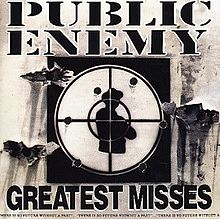
Public Enemy – Greatest Misses (September 15, 1992)

220px-Pegm

As important as the Beastie Boys and LL Cool J were to help build the Def Jam empire, just as much credit should be given to Public Enemy for helping sustain it during the late eighties to mid nineties. While going against the grain and taking on a pro-black-politically charged stance, Public Enemy was able to move large amounts of units, while not making intentionally pop records and maintaining their street cred. Their first 5 full length Def Jam releases would go on to earn PE either a gold or platinum plaque. Today’s subject, Greatest Misses, would earn our militant brethren a 6th plaque.

As the liner notes say “this is not an album”, but was intended to be a little something to hold PE fans over until the release of (what according to the liner notes was supposed to be released in 1993 but didn’t come out until 1994) their 5th full length, Muse Sick-n-Hour Mess Age. Greatest Misses was released in the fall of ’92, and consisted of six new songs from PE, along with six remixes of songs from their previous albums, and one live recording. Greatest Misses would earned PE a gold plaque and was also nominated for a Grammy for Best Rap Performance by a Duo or Group.

I found this one at a used music spot for a couple of bucks a few years back. I never listened to it until today, and I’m hoping it’s more entertaining than the lackluster experience that was Apocalypse ’91.

Tie Goes To The Runner – Chuck D opens Greatest Misses spitting politically charged rhymes over a Bomb Squad, Paul Shabazz and Kerwin (Sleek) Young, co-concocted backdrop. I’m amazed that it took so many heads to come together to create such and underwhelming record.

Hit Da Road Jack – This Imperial Grand Ministers Of Funk instrumental is so bland it could be used to treat ulcers. Chuck D’s rhymes were probably decent, but the song was so boring I stopped paying attention.

Gett Of My Back – Flavor Flav goes for self on this one, warning the listener to avoid getting involved with drugs (specifically, coke), because it’s a bitch to get that proverbial monkey off your back. This was not good. Flav spews the same nonsensical verse three times, and the dreadful hook combined with the garbage Bomb Squad instrumental are enough to push one into a snorting habit.

Gotta Do What I Gotta Do – On this one Chuck D defends his freedom of speech and vows never to bite his tongue on the mic. He sums it up best with his line “I gotta do what they don’t like, cause I gotta mic”. The Bomb Squad produced track is less busy than most Bomb Squad instrumentals, and it’s a thing of beauty (I love the organ sample sprinkled in throughout the song). Side note: this song was also included on the Trespass Soundtrack, released a few months later.

Air Hoodlum – Over a decent instrumental produced by Dr. Treble N Mr. Bass, Chuck D goes into storytelling mode. He shares a tale of a ballplayer named Mickey Mack, who because of his superior athletic ability, gets an academic pass and slips through high school and college, only to graduate, barely knowing how to read or write. After being drafted in the NBA, Mickey suffers a career ending injury, and his life takes a turn for the worst when he’s forced to rely on a back-up plan. This was executed well and very entertaining.

Hazy Shade Of Criminal – The Imperial Grand Ministers Of Funk redeem themselves from the hot mess that was “Hit The Road Jack”, and hook up a disgusting backdrop for Chuck D to spit over. Chuck gives examples of some of the criminal acts the white man and the government are guilty of since coming to North America, and asks the rhetorical question on the hook “who’s the criminal? Chuck leaves the listener with a lot to chew on. This is easily the best of the 6 new songs on Greatest Misses.

Megablast (The Mad Skillz Bass Pipe Gett Off Remix) – The original version of this song was on PE’s debut Yo! Bum Rush The Show. I didn’t care much for the original, and this Damon Dollars remix is just as unimpressive as the original.

Louder Than A Bomb (JMJ Telephone Tap Groove) – The original version of this song was on A Nation Of Millions, and I absolutely hated the instrumental. Jam Master Jay and somebody going by Chy-Skillz, hook up a nasty instrumental for the remix, giving life to Chuck’s booming voice and quality rhymes. This one is fire!

You’re Going To Get Yours (Reanimated TX Getaway Version) – The original version of this song was on Yo! Bum Rush The Show! This Jeff Trotter remix adds nothing to the original. Matter of fact, all the extra cuts and pauses added in during the verses make this mix kind of annoying.

How To Kill A Radio Consultant (The DJ Chuck Chillout Mega Murder Boom) – The original version of this song was on PE’s Apocalypse 91. DJ Chuck Chillout and a young Salami Remi, handle the remix for this one, and it’s a complete failure. The Imperial Grand Ministers of Funk instrumental on the original mix, had an urgency that matches Chuck D’s energy and content. The remix is way too calm, laid back and cute for Chuck’s rhymes.  If it aint broke, don’t fix it; or in this case, fuck it up.

Who Stole The Soul? (Sir Jinx Stolen Souled Out Reparation Mixx) – Sir Jinx takes a stab at remixing Fear Of A Black Planet’s “Who Stole The Soul?”. I love the added Eddie Murphy vocal sample taken from a SNL skit. This was equally as cool as the original, but nothing life changing.

Party For Your Right To Fight (Blak Wax Metromixx) – Greg Beasley provides the instrumental for this remix that was originally on A Nation Of Millions. I didn’t really like the original and the feeling is mutual for this remix.

Shut Em Down (Live In The UK) – After the sound man corrects some apparent technical difficulties with the track, the Pete Rock remix instrumental drops and PE does exactly what the song title suggests. Not a big fan of live recordings, and this one does nothing to change my stance.

Greatest Misses is almost a complete waste of time. Only half of the new songs are any good (“Gotta Do What I Gotta Do”, “Air Hoodlum”, and “Hazy Shade Of Criminal”), and only one of the remixes is worth your while (“Louder Than A Bomb”, which is actually really good, and the best song on the album). With a 4 out of 13 success rate (which is slightly better than DeAndre Jordan’s career free throw shooting percentage), it would have been more appropriate for PE to remove Greatest from the title and simply label this one Misses.

-Deedub


Posted in Uncategorized | 2 Comments

Chubb Rock – And The Winner Is… (1989)

71w5EpdwHqL__SY355_

This is one of a handful of new adds to my collection that were release prior to 1992. I was planning on posting on these after I finished up the rest of 1992, but since the last post was on I Gotta Get Mine Yo!, I figured it was only right to write on this one next. I see you Tony A.Wilson.

If you read my previous post, you’re already aware of my new-found admiration for the emcee abilities of Chubb Rock. I never thought he was a wack emcee, and actually enjoyed most of his singles back in the day. I just never took the time to purchase and listen to any of his albums. Thanks to my dollar purchase of his fourth album I Gotta Get Mine Yo!, though it wasn’t a great album, it opened my eyes to the Chubbster’s skills on the mic.

And The Winner Is… was released in ’89, and is Chubb Rock’s second album. Chubb’s cousin, Howie Tee (who produced Chubb’s first three albums) takes care of all the production on this one as the album cover even credits the album to Chubb Rock with Howie Tee.

Like IGGMY, this is my first time listening to And The Winner Is…, as I’m only familiar with one of the singles he released from this album. Hopefully it’s a better balanced listen than IGGMY.

Stop That Train – The Chubbster comes out the gate swinging. Howie Tee hooks up the same James Brown loop used for K-Solo’s “Solo Rocks The House”, as out host compares the industry to a train that needs to be stopped, so he can get onboard and show ’em how a real emcee holds it down. Chubb Rock is one of the most articulate (and educated) emcees to grace the mic, so it was a bit embarrassing to hear him say “badder side of town”, during his second verse. Even with that blooper, this was still a solid start to the evening.

What A Difference – Over a decent instrumental, Chubb stays in battle mode, spitting some impressive and well articulated rhymes.

Same Old Thing – Howie Tee lays down a simple beat with a sick bass line that Chubb Rock completely obliterates. A young Chubb sounds like he’s starving and spits with a hunger I’m not use to hearing from our chubby host. This was released in ’89, but Chubb’s rhymes (especially his first verse) could stand up to most cats best rhymes today. I’m serious, it’s that good.

Bump The Floor – Chubb boasts about he and his dancers moves (even taking a shot at the late great Gregory Hines) and encourages everybody to get on the floor and give it their all. You may have forgotten, but the Chubbster had some steps back in the day; Heavy D wasn’t the only big man who could move (rip); but I digress. This was kind of corny, and the underwhelming instrumental didn’t help matters.

And The Winner Is… (The Grammys) – Chubb takes a playful shot at the Grammys on this title song, as he criticizes them for not showing love to real hip-hop. In the process, Whitney Houston (too soon?) and Paul Simon catch stray verbal bullets from Chubb. Howie’s instrumental has a bit of a Jamaican vibe to it, which works well with Chubb’s rhymes. This was solid.

He’s Funky – Our host sounds nimble on the mic, and drops solid rhymes on this one. I’m still trying to figure out who his line “some artists mixed it with go-go, def lyrics but it sounds so-so” was aimed at. E.U.? Stetsasonic? Ace Juice? I’m sure he wouldn’t waste his time on Ace Juice, so I’m going to lean towards Stets. Unfortunately, Howie Tee’s drums and the James Brown sample leave a lot to be desired on the production side; or maybe my expectations are set too high for a hip-hop record released in 1989.

Blow The Whistle – Going completely against the code of the streets, Chubb lets you know that if he catches you with a gun at one of his shows, he will snitch on you. This was kind of corny and the instrumental was very uninteresting.

Caught Up (Remix) – Now this is more like it. Howie tee’s up a funky backdrop (pun intended) for Chubb Rock to knock out the park, and he comes through with a home run. Interestingly, Howie uses the same Inner Life loop on the break that Chubb and the Trackmasters would later build the instrumental for “Lost In The Storm” around. I’ve never heard the original of this song, but this remix is nice.

Bonus Beat (Dave & Rob) – Chubb invites a couple of his childhood friends to join him on this one. The Chubbster kicks things off and introduces his boys, Dave and Rob, who each spit a verse that confirms they made the right choice to leave rap alone and pursue education and corporate careers. This may be the most boring cypher song I’ve ever listened to, only rivaled by Special Ed’s “5 Men And A Mic”, which Howie Tee also produced. Speaking of Special Ed, I wonder why he and Chubb never collaborated on anything. Hmm…

She’s With Someone – Howie loops up a couple different portions of Brothers Johnson’s “Strawberry Letter 23” for this backdrop, as the Chubbster sings raps the blues after catching his woman in bed with another man. Chubb’s second verse is both sad and hilarious, as he goes into detail about the act that left him heartbroken. All in all, this was decent.

Mr. Nobody Is Somebody Now – Howie Tee hooks up a funky track, complete with a well placed organ loop that is guaranteed to make you screw your face. Chubb speaks about his come up in the game, being black and proud, and makes a pretty cool analogy during his second verse, comparing the microphone to life. Well done gentlemen.

Hi Jack – The Chubbster spits more articulate, well delivered rhymes; but like most of the previous songs, Howie Tee’s production fails him.

Ya Bad Chubbs – This is the only song I was familiar with before listening to And The Winner Is… in its entirety. Howie Tee lays down a dope piano loop over decent drums and Chubb destroys it like only a giant gentleman like himself could do.

Hip Hop Rodeo – I wasn’t feeling this one.

Gonna Do It For You – Over a simple drum beat and guitar lick, the Chubbster falls in pocket and shows off more of his underrated emcee ability.

Nothing Can Stop Us Now – Howie Tee’s instrumental sounds like something De La Soul would have hooked up during their daisy age era. Chubb doesn’t disappoint and delivers razor-sharp rhymes on this one.

Talkin’ Loud, Ain’t Sayin’ Jack – Spitting battle rhymes like “words will never hurt me, but I get sticks and stones and a piece of chrome, so leave me alone” and “You should of chilled or be forced to bleed, cause when it comes to housin’, I’m the deed, I have a title, like Tyson, he broke his thumb, he’s numb, so meanwhile I’m number one”, I’m baffled as to why the Chubbster isn’t mentioned as one of the greatest during his era. Son is nice!

Don’t Trespass – Chubb is in an unusual gangsta mode on this one, as he talks about pulling his nine and mac 10 on fools who trespass. He spends the final verse looking for a drug dealing kid named Louie, and after failing to track him down, he bumps into a chick from Louie’s crew. Then Howie’s underwhelming instrumental ends and is replaced by the Young And The Restless theme song. The female from Louie’s crew has some choice words for Chubb, before the song awkwardly fades out with Chubb threating to rip her ass to shreds. And we’re done.

If you haven’t read my previous post on I Gotta Get Mind Yo!, allow me to reiterate. Chubb Rock might be the sickest underrated emcee to ever bless a mic, and I admit I was also guilty of sleeping on him. His wordplay, articulation, delivery and voice are quality enough to at least have his named mentioned in the same breath as Rakim, Big Daddy Kane and G. Rap. The Chubbster does drop a few jewels on And The Winner Is…, but spends most of the album spitting battle rhymes with a hunger that disappeared by the time he recorded IGGMY. Similar to IGGMY, Howie Tee’s production consists of a few dope beats, but they get lost amongst the vast amount of mediocre backdrops. Apparently, Chubb doesn’t believe in the phrase, less is more, because at 16 songs in length, And The Winner Is… ends up resembling Chubb Rock’s frame: a bit too robust. And The Winner Is… is not a great album, but Chubb is talented enough to make me hunt down the rest of his catalog.

-Deedub


Posted in Uncategorized | 6 Comments

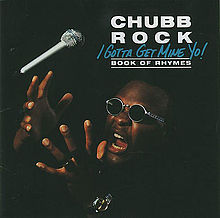
Chubb Rock – I Gotta Get Mine Yo! – September 1, 1992

220px-Igottagetmine

Richard Simpson, better know to the world as Chubb Rock, is a Kingston, Jamaica born emcee who moved to Brooklyn, NY as a kid. Chubb Rock was a pre-med student at Brown University when he received the hip-hop bug and decided to drop out and pursue his music dreams, years before Kanye would coin the action as the title for his classic debut album.

Chubb Rock would sign a deal with Select Records (which was distributed by Arista), releasing his self-titled debut album (which I don’t currently own and have never heard, but will eventually track down a copy) in 1988. He would go on to release And The Winner Is… in ’89 (more on that a bit later) and easily his most commercially successful album, The One, in 1991 which included three songs that would reach number one on the Billboard Hot Rap Singles charts (“Treat ‘Em Right”, “Just The Two Of Us”, and “The Chubbster”) and a fourth single that didn’t reach number one, but is probably my favorite song in his catalog (“The Big Man”).

Chubb’s cousin, Howie Tee, handled all the production duties for Chubb’s first three albums. But after The One, Chubb and Howie decided to go their separate ways. Chubb would turn to himself and bring in the fledgling production duo, the Trackmasters (who at this point spelled their name as Trackmasterz) to help him produce his fourth release I Gotta Get Mine Yo!

Before today, I’ve never listened to IGGMY in its entirety. I ran across it at Half Price Books store a few years ago, and since I was familiar with some of the singles, and it was on clearance for a dollar, I quickly added it to my collection. And here we are.

Some-O-Next Shit – Chubb kicks IGGMY off by going for the neck of any emcee within earshot, as he rips the shit out of this raw instrumental. For anyone who questioned if Chubb could bring it hard, he confirms that he can on this one. Great way to start the album.

I’m The Man – The Chubbster puts his grown man swag on as he brags and boasts with a sophistication not many emcees are able to pull off. The instrumental compliments Chubb’s rhymes well, and I love the sick saxophone loop brought in during the hook.

Pop ‘Nuff Shit – Chubb stays in his aggressive mode, dropping more battle rhymes over a decent backdrop. Not as strong a song as the first two, but still decent.

Don’t Drink The Milk – Our host invites Kirk Gowdy (not to be confused with the legendary sportscaster Curt Gowdy, who I’m sure influenced his moniker) and 1 half of the Trackmasters, Poke, to join him for this weird cypher session. Chubb takes verse one and raps as his alter ego, Nasal (and he rhymes just as the name suggests), and spits about racial issues (I’m still trying to understand what Chubb Nasal meant by “Bill Cosby niggas”; we all know what that would means in today’s climate, but what did it mean in ’92?). Kirk Gowdy bats second, and sticks with Chubb’s conscious theme, discussing the violence that affects the inner-city; but Tone must have missed the conscious theme memo and drops boastful lines, and at one point claims to “have more juice than the fuckin’ movie”. The instrumental was cool but no one, including the host, impresses on this one.

The Hatred – Now this instrumental sounds more like what you would expect from the Trackmasters. They borrow the overly used Lafayette Afro Rock Band saxophone loop (see “Rump Shaker” and “Back To The Hotel”) and mix it with a Sly Stone sample, creating an airy and emotional back drop for Chubb, as he addresses, once again, the racial issues that plaque North America. The instrumental is borderline cheesy, so I understand if you can’t feel it; but you should be able to appreciate Chubb’s meaty verses.

Lost In The Storm – This was the first single released from IGGMY. Chubb and the Trackmasters replay and sample a portion of Inner Life’s “I’m Caught Up (In A One Night Love Affair)”, as Chubb discusses the violence and racism that has us as a nation in turmoil. The song has a good moral and all, but the instrumental sounds like it was made to intentionally hit the pop charts.

Which Way Is Up – Chubb evaluates the ups, downs, trials, and tribulations of his journey in this rap game. He even briefly talks about the break up with his cousin and former producer Howie Tee. I like the honesty in Chubb’s rhymes, but the instrumental is the audio equivalent of watching pain dry.

Black Trek IV The Voyage Home – Chubb puts his conscious cap back on as he deals with racial inequality (which is apparently Chubb’s favorite topic) and drops a few jewels for those brothers that think being pro-black is just looking the part: “I don’t need no beads placed around my chest to be considered a black man…a picture of Malcolm is not on my wall, he’s in my heart, that’s smart”). Quality rhymes from our host, but like the previous song, the instrumental fails him.

Yabadabadoo – This was the second single released from IGGMY. The other half of the Trackmasters, Red Hot Lover Tone (who also released a solo album in ’92) and Rob Swinga (who sounds like a poor man’s Grand Puba) join the Chubbster on this cypher joint. Speaking of Grand Puba, the Trackmasters use the same loop that Pete Rock used for he and CL’s “Skinz” record, in which Puba joined them on. No one will blow your mind lyrically on this one (though it was interesting to hear Chubb take an indirect jab at Cypress Hill), but it’s still a fun and enjoyable listen.

So Much Things  To Say – Over a raw and simple instrumental, Chubb spits one long verse, throwing verbal darts at anyone in his path; he even takes a shot at his label. This was solid.

The Funky – The Chubbster invites Kirk Pone to join him on this duet dedicated to STD infected groupies. Next…

3 Men At Chung King – And yet another cypher joint. This time around our host invites Red Hot Lover Tone (again) and Grand Puba to each spit a verse a long side his. The instrumental is lackluster but Puba still manages to spit a dope verse and walk away with this one. Which has inspired me to start a new hash tag: #MOYOS (murdered on your own shit).

I Need Some Blow – Chubb summons his alter ego Nasal to the mic for this one. As you may have guessed from the song title, Nasal admits that he’s an addict and talks about the evil deeds he’s done in order to fund his fix, which includes robbing and stealing; you know, the usual crackhead stuff. The mediocre instrumental along with Chubb Rock’s Nasal’s animated delivery come off a bit too lighthearted for such a serious topic; but maybe our host didn’t want an already bleak topic to sound too dark.

I’m Too Much –  Chubb Rock smoothly and confidently coast over a slowed down reggae tinged groove. This was dope.

My Brother – This one dangles its toes over the “bad rap and r&b” pool, but Chubb Rock’s solid content and lyricism keep the foot, or song, from completely soaking itself in those forbidden water. The instrumental and the singing on the hook are for the birds.

I Don’t Want To Be Lonely – Now this one completely falls under the bad rap and r&b umbrella.

I Gotta Get Mine Yo – Decent instrumental + dope rhymes, courtesy of out host = solid title song.

A Message To The B.A.N. – Chubb relives the ups and downs of his 1991 Grilled Cheese tour, as he pokes fun at his crew, or the B.A.N., which is a hilarious acronym for “bitch ass niggas”. Hilarious acronym aside, this song didn’t add any value to IGGMY.

Enter The Dragon – This one should have been left on the cutting room floor.

The Arrival – Chubb runs down his time in the game, starting from his beginning in ’86 to IGGMY. Chubb’s rhymes are decent, but the instrumental is so dry it left me coughing.

See You In October – The Trackmasters take a loop from Kenny Loggins’ Chaddyshack theme song “I’m Alright”, and turn it into an airy, melodic, and emotional backdrop for Chubb to speak to he and his wife’s unborn seed who was due to arrive in October of 1992. Some may find it a bit corny, but being a father and all, I thought it was pretty nice.

I’ll be the first to admit that I’ve underrated and underappreciated Chubb Rock as an emcee through the years. After listening to I Gotta Get Mine Yo! in-depth for the past few weeks, there is no denying the Chubbster’s lyrically ability, delivered to the listener in his commanding, unique baritone voice. Unfortunately, with a twenty-one track count, IGGMY is way too long, and a large portion of the tracks suffer from mediocre to garbage production. By the mid way point of the album, a lot of the songs begin to run together like sentences written by a third grader. Shave it down to the strongest ten or eleven songs and IGGMY suddenly turns into a much better product. But if the Queen had balls she’d be King, so whatever.

-Deedub


Posted in Uncategorized | 2 Comments

MC Serch – Return Of The Product (August 25, 1992)

220px-MC_Serch_Return_of_the_Product_cover

What better way to start off the new year than with a New Years Day post. Happy New Year!

After two consecutive gold selling albums, trouble begin to rear its ugly head in the 3rd Bass camp. While on tour promoting their sophomore album Derelicts Of Dialect, MC Serch and Pete Nice were no longer seeing eye to eye on things, which resulted in the duo feuding and ultimately breaking up while literally still on the road. The duo would go their separate ways (with DJ Richie Rich sticking with Pete Nice) and start their solo careers. Both would stay with the Def Jam family for their solo records, with Serch being first to drop his solo debut Return of the Product, in the summer of 1992.

Serch would recruit Wolf and Epic (who I first became familiar with from their work on MC Lyte’s Act Like You Know) and T. Ray (from the Double X Posse…remember “Not Gonna Be Able To Do It”?) to handle the bulk of the production duties on ROTP.

This would be Serch’s first and last solo album (no, I don’t count his Many Young Lives Ago: The 1994 Sessions that he released in 2007 as a legitimate solo album) as he would begin to do more work behind the scenes, including being responsible for getting Nas signed to Columbia and O.C. to Wild Pitch. 3rd Bass had a short-lived reunion from ’98 to ’00 but no new music ever came out of it.

Here It Comes – The first song of the evening was also the lead single from ROTP. Wolf And Epic hook up a monster track, that sounds both soothing and heavenly (thanks to a dope loop and the angelic I.S.S.H.H.C. [which is an extremely long acronym for the International Silver String Hip Hop Chorus]), and the hard drums give it a rough feel. Serch does a serviceable job on the mic, but the true star of this one is the instrumental.

Don’t Have To Be – This song reminds me of “What” from  ATCQ’s The Low End Theory. Serch doesn’t ask rhetorical questions like Q-Tip did but he does make rhetoric statements in a similar fashion, even if their not as thought-provoking as Tip’s lines were. Wolf and Epic put together another quality instrumental for Serch to rhymes over, making this an enjoyable listen.

Back To The Grill – Over a T.Ray produced instrumental, Serch revisits “Kick ‘Em The Grill” from 3rd Bass’ Derelicts of Dialect, as this song (and second single released from the album) acts as its sequel. Chubb Rock joins Serch again, but Pete Nice is replaced by new comers, Red Hot Lover Tone (also half of the production duo, the Trackmasters) and, hot off of his song stealing verse from Main Source’s “Live From The Barbeque”, Nasty Nas blesses this song with a verse. A hungry Nas sounds more serious than his counterparts on this one and easily drops the best verse on the song, effectively living up to the phrase he would coin a decade later, murdering Serch on his own shit (which is even more impressive considering Serch gets two cracks at it on this one).

Hard But True – Wolf and Epic hook up a decent instrumental (with Reggie McBride adding some nice live bass guitar licks throughout) for Serch to get conscious on, as he discusses racism in America. This was decent.

Return Of The Product – On this title track, Serch attempts to bring things back to his hungry earlier days (the album title itself is a reference to “Product Of The Environment” from 3rd Bass’ debut album). He reminisces on his years coming up in the game and wears getting his ass kicked in the name of hip-hop like a badge of honor, as this isn’t the first time that I’ve heard him make mention of it on record. The Wolf and Epic instrumental changes up as often as Matt Barnes switches teams, but it’s still decent.

Daze In A Weak – T. Ray hooks up a nasty instrumental, complete with sick drums, deep bass line and a siren like loop to make things complete. Before taking an uninspired, uncalled for, and at this point, exhausted shot at Hammer (claiming that the shiny baggy pants wearing pop star would be his bitch if they were in jail together), Serch claims that he is the “baddest white boy to ever fuckin’ touch a mic”. A claim that may have been true in ’92, but we all know Em has that title now. Time is truly illmatic.

Can You Dig It – Wolf and Epic hook up another dope instrumental for Serch to get loose over. I absolutely love the rough and smooth loop brought in during the hook.

Social Narcotics – Serch puts his conscious cap back on and invites Fatal (whatever happen to that guy?) to join him as he discusses the teaching of racism and the wrong doings that history has tried to sweep under the proverbial rug in these United States of America. Serch gives the listener something to chew on with his line “right back to the have-nots, now in ’92 lowered to me mascots…the Redskins, the Indians, the Atlanta Braves, what if we called a team the Atlanta Slaves?” The content was cool, but the instrumental is only average and the hook (that has Serch and Fatal screaming back and forth “this is my land”) starts to grate on the ears by the end of the second verse.

Hits The Head – ATCQ affiliate Skeff Anslem gets the production credit on this one and hooks up a rugged backdrop for Serch to spit over. Serch struggles to find his footing over the instrumental’s heavy drums, and at points he sounds like he has absolutely nothing to say. Skeff’s instrumental easily walks away with this one.

Scenes From The Mind – Serch takes a trip down memory lane, reflecting on the good old days of hip-hop (which sounds hilarious, considering this was recorded right in the middle of the golden era), coming up in the game and remembering some of the legends. T. Ray’s instrumental is solid and I love the flute loop he incorporates during the hook.

Here It Comes Again – This is the remix to “Here It Comes”. Unfortunately, T. Ray’s instrumental doesn’t compare to Wolf and Epic’s masterful work on the original.

During his stint with 3rd Bass, I always thought MC Serch was a formidable emcee with a dope voice and delivery. While listening to his solo effort Return of the Product repeatedly this past week, it dawned on me that while his voice and delivery still sound dope, the absence of Pete Nice exposes Serch’s limited content and average lyrical ability. On the contrary, with a few exceptions, the production on Return of the Product is pretty dope, and leaving the track count at a short and sweet 11 songs always helps matters.

-Deedub

Posted in Uncategorized | 1 Comment

Spice 1 – Spice 1 (April 14, 1992)

220px-Spice1album

This is a new addition to the collection. I had this one on cassette back in the day, until it was eaten by my hungry tape deck. So it was a pleasant surprise to run across this one at one of the used music spots that I frequent. Place this one after The Whole Shabang Volume 1.

Robert Green Jr. better known to the world as the gun-toting drug dealing rapper Spice 1, which may be the worst moniker acronym in hip-hop history (Sex, Pistols, Indo, Cash and Entertainment and a random “1” thrown on the end). Born in Corsicana, TX Spice 1 relocated to the bay area where he honed his rapping skills and would be discovered by the Oakland legend Too Short. His relationship with Short would lead to Spice 1 inking a deal with Jive and releasing his self titled debut in 1992.

Spice 1 would be chalked full of west coast funk tracks (with the majority of the production be handled by Too Short’s partner, funk and big bass lover, Ant Banks) and violent lyrics from our host. Spice 1 would be the first of three consecutive gold selling albums for Spice, and The Source would even include it on their 1998 list of 100 Top Rap Albums of All Time. Even to date, while in his mid forties, Spice continues to release material independently, including two projects in 2015.

On a side note, Spice 1 may have one of the worst album covers in the history of hip-hop. What’s with the double exposure eighties style pic? It reminds me of my 2nd grade school pictures, rocking my tight (in the true sense of the word…my underarms were gasping for air in that thing) powder blue Dukes Of Hazzard t-shirt and tight peas covering my dome. I guess the old adage never judge a book by its cover should be applied to albums as well.

My Neighborhood –  Spice 1 kicks off the album with a funky Ant Banks produced track built around a loop of George Duke’s “Reach For It”. Our host gives the listener a slightly lighthearted account of hood happenings, which includes Spice fighting his home boy’s dope fiend dad and shooting his wife in the titty after she bust shots at Spice in defense of her husband. This was an entertaining start to the evening.

187 Proof – This was the lead single and the song that helped put Spice 1 on the map. Spice cleverly weaves together a murderous tale, incorporating different brands of liquor as characters. The instrumental (which is credited to Spice 1) has a thumping bass line and keys that give it a devious feel, setting the perfect mood for Spice’s storyline. This has to be one of the greatest storytelling raps in hip-hop history. Yeah, I said it.

East Bay Gangster (Reggae) – SKI (not to be confused with the east coast producer, Ski-Beatz) & CMT get the credit for this layered and funky instrumental that Spice uses to declare himself the alias that the title suggest. Spice 1 gives us the first hint of the evening that he reps the Bloods with his line “I like to eat crab (derogatory term for a Crip) but I prefer steak”, and proceeds to shoot up everything in sight. Spice one does recite the hook in a reggae chant style, which I’m sure is why he awkwardly added “Reggae” in parentheses to the song title. All in all, this was solid.

Money Gone – Black Jack gets the production credit on this one and he creates a monster. Spice adopts a stutter flow that sound perfect over this sick instrumental, and proceeds to rip the shit out of it. Twenty plus years later and then song still gets me amped up every time I hear it.

1-800-Spice – This one opens with Ant Banks dialing the fake number that is supposed to be a way to get a hold of Spice, if you’re looking to buy some crack. Ant Banks stays true to his bass heavy production scheme but adds a little reggae twist to this one, which causes Spice to take on a reggae style delivery, and he pulls it off. This was decent.

Peace To My Nine – Ant Banks loops up a portion of Funkadelic’s “One Nation Under A Groove” for Spice 1’s ode to his choice of weapon. Interestingly, the liner notes for this song have the following disclaimer from the Funkadelic leader himself: Because of our beliefs, expressed in “One Nation Under A Groove”, it would be hypocritical to deny use of the sample, but we are not in agreement with the thoughts and ideology expressed in “Peace To My Nine” – George Clinton. That’s the kind of info I love about liner notes, that you won’t get with your iTunes purchase, folks…but I digress. Thank you George for granting Banks permission to use it because the instrumental is dope and Spice keeps it interesting as well.

Young Nigga – Speaking of George Clinton, SKI & CMT keep things in the Clinton vain, sampling Parliament’s “Mothership Connection (Star Child)” for this mellow jazzy groove. Spice 1 uses it to reflect on the thuggery of his younger days (which must mean his teen years, considering he was only 22 when Spice 1 was released). I love his first line of the song which makes reference to a Nino Brown line I’ve always loved: “When I was young I had the lust to pull the trigger, and make change out of five dollar ass niggas”. Another quality record from Spice.

Welcome To The Ghetto – This was the second single released from Spice 1, and a song I completely forgot about before listening to it again today. Spice gets the production credit as he creates a somber instrumental and reflects on the drugs and violence that influenced and affected his life and the lives of brothers in hoods all across America. Not one of the strongest songs on Spice 1, but still decent.

Fucked In The Game – From his first line, Spice 1 lets you know exactly what this song is going to be about: “Murder, murder, murder, murder muthafuckas”. Spice 1 and Black Jack loop up an old Curtis Mayfield record and turn it into the perfect backdrop for Spice’s angry murderous threats.

Money Or Murder – Everything about this song reminds me of Scarface (of the Geto Boys). From Banks’ smooth instrumental (built around a loop of Isaac Hayes’ “Joy,” further confirming my claim that Hayes is the second most sampled artist in hip-hop history) to Spice’s detailed murderous action packed rhymes (and even his delivery on this one), screams Face. I’m not excusing Spice 1 of biting Face, but there is no denying he was influenced by the legend.

City Streets – Ant Banks build this instrumental around a loop from The Dramatics’ “Whatcha See Is Whatcha Get”, as Spice 1 spits more of his violent hood tales. Spice drops his second hint of the evening that he rolls with the Bloods with his line “I had my Nike sweatsuit on and it was red like a sparrow”. Banks’ instrumental is slick and Spice rides the groove perfectly.

1-900-Spice – Like “1-800-Spice”, this one starts with Ant Banks dialing the phony number (no pun intended) that the title suggest. This time around, Spice 1 answers and spits one quick verse over an Ant Banks slowed down funk groove (which sounds like it uses a loop from Diana Ross’ “Love Hangover”), and then gets the hell out of Dodge.

Break Yourself – Ant Banks not only produces this one but also contributes a verse for it as well. Spice 1 spits more of his gangsta rhetoric (and sounds extremely awkward when he refers to the lisped boxing great as “Michael Tyson”) and Ant Banks uses a completely different delivery than what we would hear from him a few months down the road on Too Short’s “Something To Ride.” Gone is his Oakland drawl and his rapid paced flow makes him sound like a completely different rapper. Banks bassy beat is mediocre at best and neither he or Spice say anything worthwhile.

187 Pure – “187 Proof” ended with Indo Weed killing, or as Spice cleverly puts it, smoking, all of the remaining alcohol characters in the song. SKI & CMT slightly adjust the instrumental used on “187 Proof” (adding a nice vocal sample from KRS-One [“this is your brain on drugs”] on the hook) and Spice 1 picks up Indo’s story where “187 Proof” left off, substituting alcohol characters with narcotics. This was dope, literally. Lyrically, it may even be stronger than “187 Proof”.

Spice 1 is a solid debut from Spice. He and his team of producers provide an enjoyable and cohesive funk laden soundscape, and Spice 1 proves that he is not just a gangsta with a microphone, but a more than capable emcee with a sick flow and an underrated ability to adapt his flow to fit any beat. Spice 1never strays away from its gangsta tales of violence and drug dealing, but few have made the overly used topics sound as entertaining as Spice 1 does on his debut.

-Deedub

Posted in Uncategorized | 3 Comments

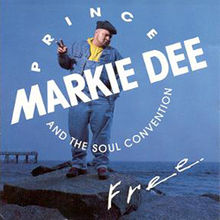
Prince Markie Dee And The Soul Convention – Free (August 11, 1992)

220px-Free_Prince_Markie_Dee_Cover

Mark Morales better know to the world as Prince Markie Dee, begin his rap career as a third of the Brooklyn based trio the Fat Boys (originally known as the Disco 3) in the mid eighties. From the jump, the Fat Boys took a comic approach to their music, often poking fun at their weight in their songs. From ’84 to ’91, Prince Markie Dee, Kool Rock-Ski and Buffy The Human Beat Box (rip) had quite a commercially successful run, releasing seven albums with three of them going gold and a 4th earning them a platinum plaque. While the earlier records were funny and lighthearted, they still held some credibility; but as time went on, their music became progressively more buffoonish (including a garbage remake of The Safaris’ hit “Wipe Out” featuring the Beach Boys and a remake of Chubby Checker’s “The Twist”, which Checker himself would make a cameo in). Their intentionally pop records helped moved units but they also led to the Fat Boys losing their true hip-hop fans, and soon the fickle pop fan base grew tired of the trio’s antics and their 15 minutes of fame was over.

Somewhere around the group’s 6th album On And On, Prince Markie Dee and the Fat Boys’ manager Charles Stettler begin to beef over creative control and how business was being handled, which resulted in Markie getting kicked out the group as he would not be a part of TFB’s final album Mack Daddy (which might have been a blessing in disguise considering the album flopped). Markie Dee would connect with then up and coming music mogul Puff Daddy, who was still at Uptown at the time. The relationship led to Markie Dee co-writing and producing Mary J Blige’s “Real Love”, songs for Father MC, and eventually, Mariah Carey (side note: a few years ago Markie Dee claimed that Puffy and Biggie stole the instrumentals for “Juicy” and “Big Poppa” from him). His production and writing work helped him establish himself as a solo artist and build relationships with industry insiders, which led to him signing a solo deal with Columbia, releasing his debut album Free, in the summer of ’92.

Technically, it’s not a solo album as its credited as Prince Markie Dee and the Soul Convention, which is basically a group of singers, rappers and musicians, that contribute their talents on Free. But for what its worth, it’s a Prince Markie Dee solo project as he is the voice of the show and handles most of the production along with his partner Mark Rooney.

Markie Dee would go one to release one more solo album before hanging up his mic and becoming a radio deejay in Florida, but will forever be remembered as the light skin dude from the Fat Boys.

So Very Happy – The album opens with an instrumental built around the same A Taste Of Honey’s “Rescue Me” sample that Positive K would use for his biggest (and only) hit, “I Got A Man”, later the same year. It never dawned on me back in the day, but Markie Dee sounds a lot like Heavy D on this one; not only with his overweight lover content but also his delivery. I’m not feeling this one.

Trippin’ Out – This was the lead single from Free. Over a heavily synthesized flavored r&b instrumental, Markie Dee recalls a girl from his junior and high school days named Shelly, who through different acts proves to be a ride or die chick and Markie eventually ends up making her his lady. Billy Lawrence, who was a part of his Soul Convention crew before going solo, sings the hook and adds a few adlibs along the way as well. Not a terrible song but a bit too r&b flavored for my liking.

Typical Reasons (Swing My Way) – This was the second single and the main reason I bought Free in the first place. Markie Dee and Company hook up a mid-temp groove (that takes on a slightly jazzy feel courtesy of Chris Botti on the trumpet) that Markie uses to hold a conversation with a woman in an abusive relationship and tries to convince her to leave her man and become one of his side pieces, or as he calls it “associates”. Markie’s line “…focus your mind on a real man, I won’t sweat you or keep stressing it, I’ll buy your clothes but pay your rent is kind of pressing it” was pretty comical. Mark Rooney adds singing adlibs throughout, including the final two minutes of the song as the soothing instrumental plays on. This one still sounds good.

Trilogy Of Love – This may be the dumbest song of all time. It opens with Markie D saying “I don’t know what to do…three women and one me”, while Trey Lorenz (remember that guy?), Anthony Rodriguez and Mark Rooney sing the song title as the hook. Each of guest vocalists sings one verse (the liner notes curiously labels the verses as  “concern”, “understanding” and “passion), which one would think would be used to shed light on the dilemma of Markie’s love triangle square. Instead they sing corny lines and clichés, never dealing with the issue at hand; and to make matters worst, the song is 7 minutes long. This was a train wreck.

Free – This title song has Markie Dee yearning for a life that is care and worry free. Good intent, but Markie and Rooney’s instrumental is kind of weak; and the singing during the hook (courtesy of Mark Rooney and Anthony Rodriguez) sounds horrendous.

Addict 4 Your Love – Markie Dee and Mark Rooney replay a portion of the instrumental from Toto’s “Georgy Porgy”, with Rooney singing the hook from the same record (for hip-hop head’s not familiar with “Georgy Porgy”, it’s the same sample MC Lyte used on her single “Poor Georgie”). I’m not a fan of this one. For the second time on Free, Markie’s content doesn’t match the song title and hook. Markie’s bad boy rhymes tell a certain female that she can either accept the fact that he’s a player or kick rocks and move on, while the hook sings about how much of an addict he is for her love. This was poorly thought out and executed.

Back To Brooklyn – In an attempt to rep his borough properly, Markie Dee tries to come off like a hardcore gun-toting thug but instead ends up sounding like a laughable studio gangster. Even if Markie Dee’s persona was believable, this instrumental sounds way too upbeat and happy for his “gangsta” rhymes.

Foreplay – Our host uses this mid tempo groove to discuss how much he loves taking part in the appetizers leading up to the main course; so much so, that he felt it necessary to cum at the end of the record. I never understood why rappers (and singers) do that. Guys are more prone to be turned on by women moaning on wax than women being turned on by a man moaning on his record. I don’t even think gay guys would be turned on by it, but I digress. The instrumental is kind of nice. It kind of reminds me of the remix to Digital Underground’s “Packet Man”, at slightly higher bpms.

I Don’t Wanna Lose Your Love – Over a new jack swing track (that features Billy Lawrence singing the hook) Markie Dee summons his compassionate puppy dog lover personality, as he begs his lady to stay with him. This was kind of cheesy.

Ghetto Bound – Markie comes from the perspective of a ghetto kid who becomes a victim of his circumstances and ends up in prison. Markie doesn’t tread any new water here, nor does he add anything to the story that has been told 1,000 times before on wax. Like “Back To Brooklyn”, the instrumental sounds way too happy-go-lucky for Markie’s content.

Something Special – Markie invites Hasan the Love Child to rap with him on this hot mess of a song. This was terrible.

I’m Gonna Be Alright – Markie Dee and company hook up a somber yet inspirational instrumental for Markie to reflect on his past, live in the present and contemplate his future. This is easily the most honest song on Free, as Markie shows vulnerability and even questions his stent with the Fat Boys, with line like “rap, comedian, stooges skits, wearing stupid pants and shirts that didn’t fit, made the big screen, the funny role hit still, but suddenly the comedy just didn’t appeal, could it be that I was playing myself?” and “becoming brand new just being myself, so put the funny fat shit on the shelf”. This was nice.

The Aftermath – The song opens with a black Pentecostal church style organ and a vocalist singing adlibs over it. Then after a quick verbal exchange between Markie and a female voice, a sick and sexy r&b groove comes in that will make the hardest gangster drop his gun and grab his girl. This kind of works as a remix to the opening track, bringing things full circle as Tanieka “Misa” Hooten, Joe Kelly and Mark Rooney sing “happy, So very happy”, while Markie D adds adlibs throughout, in his Heavy D tone.

Prince Markie Dee is a decent rapper that takes on a few different personas during the course of Free. In a blink of an eye he goes from passionate lover, to a heartless playboy, to a gun-toting gangsta and then an emo rapper. Speaking of emo rapper, the personal “I’m Gonna Be Alright” is the only song that our host truly sounds authentic on (you can sort of  include “Typical Reasons” in that category as well). Even more troubling than our host’s multiple personalities is the overly r&b saturated production throughout Free. Like I’ve said before, I’m not completely opposed to mixing r&b and hip-hop but it must be done properly for it to work well. Everything on Free has an r&b feel, and only a few songs manage to avoid that “bad rap and r&b” category.  So, feel um, free to hit the fast forward button when needed while listening to this album.

-Deedub

Posted in Uncategorized | 2 Comments

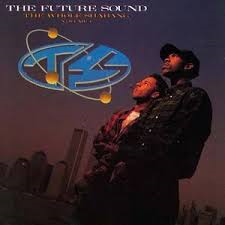
The Future Sound – The Whole Shabang Volume 1 (April 7, 1992)

TFSuntitled

This is a recent addition to the collection. File it right after Das EFX’s Dead Serious.

A few months ago I was scanning through some old issues of The Source circa 1992, because from time to time that’s what self-proclaimed hip-hop historians/music geeks do. While checking out the “Record Report” column from the February of ’92 issue, my eyes came across the name of a group and album that I had never heard of before: the subject of today’s post, The Future Sound’s The Whole Shabang Volume 1. After reading the favorable review (that compared their musical soundscape to my favorite hip-hop group of all time, A Tribe Called Quest), which gave the album 3.5 mics, my curiosity was peaked. And luckily for me there were a bunch of reasonably priced copies floating around on Amazon.

Hailing from New Rochelle, NY aka Now Rule, which Brand Nubian put on the map, Flashback the Funky Tactitioner and the Rhythm King Pin, Relay, made up the duo of The Future Sound or TFS for short. Along with Original Flavor (whose debut album I posted about a few months ago and you can read here) TFS was one of the first hip-hop acts that a young and future Roca-A-Fella Records co-founder, Damon Dash and his brother Darien Dash, would manage under their Dash Entertainment imprint. The Dashes had a relationship with DJ Clark Kent, who had connects with different labels, which eventually landed TFS a deal with East/West Records.

The Whole Shabang Volume 1 would be the first and last album from TFS, as they would fade away like LeBron’s hairline, becoming simply a footnote in Damon Dash’s interesting career.

Intro – The album opens with a Muzack type instrumental as a man with a soothing voice prepares you for the “adventure” you’re about to embark on. A little over the top, but still semi-clever.

This Is A Game – Flashback and Relay (who coincidentally sounds a lot like Ski from Original Flavor) each spit abstract rhymes over a jazzy groove that has a slightly Latin feel. Their rhyme style is very coded, so I’m not sure what the “game” is that they’re referring to (life? hip-hop?), but the instrumental needs no decoding. It’s dope, plain and simple.

The Function – Flashback and Relay hook up a sick instrumental built around a wicked bass guitar loop, sprinkled with an occasional organ and saxophone sample, to ensure that the listener will screw his or her face in audible enjoyment. The duo both spend their verses singing praises to the music. Rightfully so, since the instrumental is the true star of this one.

Flashback Relay & The Whole Shabang – Speaking of wicked guitar bass lines, TFS comes right back with another one that is rougher and has more of a soulful feel than the previous song. I can’t recall one line from Flashback or Relay, but the instrumental is a thing of beauty.

Star Struck (Caterpillar Style) – TFS dedicates this one is to all the sellouts, in their own unique abstract way. By this point it’s clear that these dudes aren’t going to blow your mind lyrically, but like the previous songs the production remains solid.

Thread – This interlude has Flashback, Relay, Darien Dash, Damon Dash and Clark Kent shootin’ the shits at a restaurant. Not sure what the purpose of this interlude was, but it’s clear that Damon Dash was an arrogant asshole even back then.

The Bop Step – The instrumental is decent but the hook starts to grate on the ears.

Lady/What’s A Bro To Do? – I actually came across a video on YouTube for this one, so it must have been released as a single, and of course it stars Damon Dash. The song opens with an ill saxophone sample from Pharoah Sanders “The Creator Has A Master Plan” (which coincidentally sounds a lot like Coltrane’s “Part 4: Psalms” from Love Supreme… or maybe not so coincidentally, considering Sanders came up under Coltrane’s tutelage…but I digress). Then TFS drops a buttery instrumental built around a nasty guitar loop, as they discuss the trials of being a brother in North America. Dope production from our hosts.

Pixie Groove – The song title describes this instrumental perfectly. Listen to it and tell me you can’t envision Tinker Bell waiving her magic wand to the beat, sprinkling pixie dust all over this beautiful track. During the hook they bring in what sounds like a violin loop, giving the already lovely instrumental a warm and soulful feel. Bravo, TFS.

Scriptic Cryptic – This song title can be used to describe TFS’ rhyme style. Clark Kent and Larry Larr get the production credit on this one, disrupting the enjoyable laid back jazzy vibe TFS created on the album to this point. I’m not feeling this one.

Primates In Stitches – They can’t all be great, but still decent.

Flashback Relay & The Whole Shabang (Wig Out Mix) – Remix of the original that appeared earlier in the sequencing. This mix has more of a reflective feel than the original, but it’s equally dope.

Sucka Set – Over a funky up-tempo guitar loop and drum beat, TFS spit their version of battle rhymes. Another quality instrumental laced with forgettable rhymes.

Jungle-O – TFS definitely had an affinity for dope guitar loops. This time they hook up an explosive rock tinged guitar sample but the drums placed underneath it are almost non-existent. Flashback and Relay sound overwhelmed by the intensity of the instrumental that ultimately drowns out their voices.

When The Ends Meet (Life Of The Futuristic B-Boy) – Our hosts revisit Pharoah Sanders’ “The Creator Has A Master Plan” and turn a sick bass line and a melodic flute sample into my favorite instrumental on The Whole Shabang. Sticking with the script, Flashback and Relay continue to speak in code, so the meaning of the interesting song title remains a mystery (at least to me). The instrumental is calming, somber, introspective, and sounds like the perfect traveling music from your next stop after death (that last part might sound a bit twisted but it was meant to be a compliment). I had to listen to this one about 6 times to quench my audible thirst. Awesome way to end the album.

Let me start by stating that on a good day Flashback and Relay are tier c emcees, so don’t go into listening to The Whole Shabang expecting to be mesmerized by their lyrical ability (if you’re lucky, or patient enough, you’ll be able to decode a portion of their overly abstract rhyme schemes). The true star of The Whole Shabang is TFS’s soulful and jazzy production. Not all of the instrumentals are stellar but a large chunk of them are wonderfully crafted hidden gems that will have you hitting the rewind button in search of repeat eargasms. I wonder what became of these guys? As producers they could have created some classic records for many dope emcees of that era.

-Deedub


Posted in Uncategorized | 6 Comments