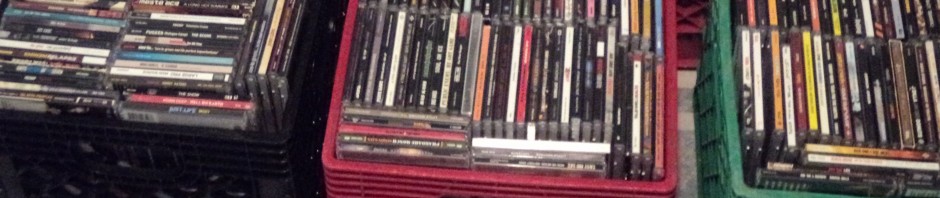
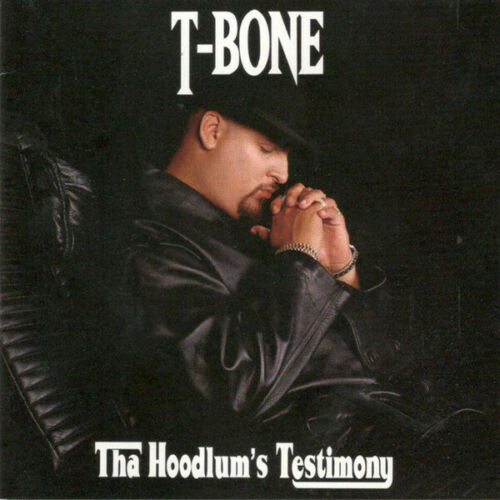
T-Bone – Tha Hoodlum’s Testimony (1996)

By 1996, T-Bone was probably the biggest name in the Christian hip-hop subculture. He was kind of the Lecrae of his era, only on a much smaller scale, monetarily, commercially, and notoriety-wise. So, really, he was no Lecrae at all. But he was one of the CHH pioneers who helped pave the way for the Lecraes of the world to walk through doors that were once closed to Christian rappers. Unlike most Christian rappers whose Pharisee-like tendencies and self-righteousness kept them from working with secular artists, T-Bone was not afraid to step outside the church and jump on tracks with secular rappers (he’s rapped on tracks with Mr. Grimm, Mack-10, Chino XL, and I’ll never forget the time he out-rhymed KRS-One on his Spiritual Minded album), which is also a testament to his rapping ability. He had two fairly well-received albums under his belt (at least by the Christian community), Redeemed Hoodlum and Tha Life Of A Hoodlum, and 1996 would find him continuing the Hoodlum album theme, releasing his third project, Tha Hoodlum’s Testimony.

On T-Bone’s first two albums, Muffla (who was the last remaining original member of the production team, L.A. Posse) was the chief producer, with his partner and the other half of the new regime of L.A. Posse, Chase, receiving mostly co-credits on a handful of records. Sometime after the making of Tha Life Of A Hoodlum, Muffla and Chase would part ways, leaving Chase solely in the production driver’s seat for Tha Hoodlum’s Testimony. I have a sneaking suspicion that Muffla and Chase’s separation was over a money dispute, as T-Bone mentions during his shoutout to Chase in the liner notes that his friend had been “payahated” on for his past work. But I digress.

It’s been well over a decade since I listened to this hoodlum testify. Hopefully, his testimony holds up well in the court of time.

The Hoodlum’s IntroTestimony begins like a biopic movie. In his amazingly soothing voice, J. Curtis gives a great opening monologue that makes T-Bone sound more like a Marvel superhero than a rapper. The intriguing narration combined with the supporting somber score makes me want to run to the concession stand for an Icee and large popcorn. “Extra butter, please. And do y’all have Ranch seasoning?”

Straighten It Out – The first song of the evening is a remake of Latimore’s seventies classic of the same name (minus the “Let’s”). Chase and company (Chase on keyboards, Grant Nicholas on Fender Rhodes, Vincent Jefferson on bass, and Mr. Monologue, J. Curtis, jumps on guitar, and shows off his singing chops on the hook) recreate the bluesy deep funk groove, while Bone adapts a tone that falls somewhere in between saddened and disgusted, as he gets into his conscious bag, addressing some of the societal ills that affect the Black and Brown communities (i.e., homelessness, gangbangin’, violence, drugs, child abuse, and domestic violence), pointing to a combination of unity and Jesus as the solution. It was kind of strange to hear the album start on such a melancholic note, but still a dope record. And the jam session at the end of the song is ridiculously yummy.

Demon Executor – One of the complaints about T-Bone’s music through the years has been his obsession with killing demons. This is one of those tracks that finds our host “jumpin’ demons like a gang initiation” and eating “demons and beans on his plate for supper.” In the midst of slashing demons’ throats, he also manages to sneak in a quick jab at Mormons (“I ain’t into set trippin’, Blood or Crippin’, instead I’m into Mormon and Satanic Bible rippin’”). Ironically, as humorous as the whole “demon killer” shtick reads, Bone really sounds angry and focused on annihilating Satan and his imps on this record, completely selling it by rapping his ass off. Chase backs Bone’s bloody exploits with a blunted banger that’s guaranteed to make you Crip Walk, or at least try to.

Hurt & Pain – Chase lays down a bleak backdrop that Bone uses as a sounding board to voice his feelings of rejection, loneliness, and depression caused by shady friends, backstabbers, and bloodthirsty sharks, while he pleads for God to take away all his agony on the hook. I love when rappers are brave enough to get vulnerable on records like this. Because we all can relate to feeling like this at one point or another. And if you haven’t already, just keep on living.

09/19/94 – T-Bone and company reenact the beating and robbery that our host lived through on the date in the title. I can’t imagine acting out such a traumatizing experience, but whatever.

Tomorrow’s Not Promised – If the previous skit wasn’t enough to give you a visual of what happened to T-Bone on that fateful night in September, he raps about the events on this record, with intricate detail. I’m still baffled as to why he would just open his door all willy-nilly after hearing the doorbell ring at three in the morning, especially knowing that he lives in what he refers to as “killer Cali.” T-Bone’s storytelling will keep you intrigued each step of the way, and Chase’s drama-filled bass line and mischievous bells and whistles, along with the ominous choir chords on the refrain, make Bone’s story sound even more compelling.

Police Call – I’m assuming this voicemail message is related to one of the perpetrators that robbed and beat T-Bone to a bloody pulp on the previous song. I’m not sure what purpose it serves on the album. Maybe a receipt to prove the beating actually took place? Feels a little clout chasey if you ask me.

Keep On Praisin’ – After all the darkness that consumed the previous five tracks, we get a glimmer of light with this one. T-Bone vows to keep pressing on and serving Jesus, despite all the trials and tribulations life throws his way (he also acknowledges 2Pac’s death, which might make him the first to do so in a rhyme). Chase places a soft and pretty instrumental behind Bone’s encouraging words, and Steven Mosley adds a melodic hook to drive Bone’s determination home.

Playa Haters Interlude – A short skit where some of T-Bone’s haters get to sound off (“Chase being accused of having “Tonka Toys beats” was hi-larious).

Kill Tha Lies – T-Bone uses this track to address his haters and those talking ill of and spreading lies about the Boney Bone. As I mentioned during the previous post, the Tunnel Rats (specifically, LPG) fired indirect shots at T-Bone on the title track of Experience. T-Bone fires back, dedicating the second verse to the So-Cal Christian collective, subtly calling them out by name: “Now I’m back to set the record straight, for all them suckas that I know that wanted to player hate, talkin’ bout I bit this style, I took they style, plus I’m wack, but little rats always talk behind your back, it seems they always talkin’ prideful, when I’m the one in a Lexus still carrying ’round a Bible, I’m on my third LP…G, and I ain’t never gonna sellout like some of the rappers in the industry, always talkin’ about keepin’ it real, glorifying hip-hop tryna find mass appeal, What’s the deal? Is that why you got in the ministry, so you could talk about me and all of God’s wack emcees?” The song title’s also a light jab and a clever play on the title of the closing track on Experience, “Truth Hurts, Lies Kill.” Who would have thought that Christian rap beef could get so spicy? Chase’s laidback groove, complete with a trunk-rattling bass line, is perfectly compatible with Bone’s composed diatribe.

Puttin’ It Down – Bone keeps the same emcee energy from the previous track, spilling boastful battle-ready bars (touring on the Greyhound is crazy), and manages to take out a few demons along the way. Chase delivers again, this time with a pristine light-funk digitized banger that I thoroughly enjoyed.

Mi Familia – Bone continues to sharpen his acting skills in this skit that finds him crying with his mother as he tries to console her, while emotional piano chords play in the background. This leads into the next song…

Growin’ Up – Chase provides a clean bop for T-Bone to reminisce about his childhood, reflecting on some of the hardships that shaped his youth (i.e., getting in trouble at school, dealing with a drug-addicted sister and an incarcerated brother, and losing the family home to a house fire) and made him into the man he is today, or was in 1996. I like T-Bone’s message, but I’m completely in love with the tender guitar licks that J. Curtis laces the track with.

Flock Together – The song title is based on the old proverb “Birds of a feather flock together,” which is a fancy way of saying be careful of whom you choose to hang with. T-Bone’s rhymes don’t necessarily stick to the subject at hand, but he does entertain your ears with a swaggy rhyming style and delivery. But even more entertaining is the instrumentation, topped off with a tantalizing jazzy keyboard solo at the end that Thelonious Monk might even have approved of.

Ministry Vs Industry – T-Bone discusses his journey and experiences in the Christian rap game/business and challenges all other Christian emcees to examine and asks themselves what their purpose for rapping is as well (which is also another subtle jab at the Tunnel Rats). Bone’s interesting content is scored by a strong bop that leans heavily on its sturdy bass line.

Organized Rhyme – T-Bone mentioned them on a few different tracks early in the album, and we finally get to hear his Organized Rhyme Crew rap on this album closing posse joint. Mayhem, Maximillion, and Bone’s cousin, E-Dog (who made his introduction on “Pushin’ Up Daises” from Tha Life Of A Hoodlum), join our host, as all four rappers spit competent battle bars (that I’m sure were inspired by the Tunnel Rats feud) over a slick Chase production. It’s no “Head Banger” or “The Symphony,” but I still enjoyed it.

During the first two installments of T-Bone’s Hoodlum trilogy, it was very apparent that the Holy Ghost-filled Frisco emcee had talent. On both albums, Bone displayed his uncanny ability to successfully spit on any beat, no matter its pace, race, creed, color, or religion. But his obsession with demons and tendency to mimic other rappers’ styles, semi-sullied his polished and versatile flow and made his rhymes feel cartoonish at times. Apparently, the third time’s a charm, or three is the lucky number, or all praises due to the Holy Trinity…whatever triad you’d like to subscribe to, Bone seemed to have found his voice on Tha Hoodlum’s Testimony.

Throughout Testimony’s sixteen tracks, T-Bone showcases his rhyming skills and keeps the listener engaged, getting personal and vulnerable on tracks like “Hurt And Pain,” “Tomorrow’s Not Promised,” and “Growin’ Up.” His beef with the Tunnel Rats also appeared to have sparked his competitive side, as he raps with a chip on his shoulder, spewing boastful bars and taking shots at his rivals while silencing his naysayers on “Kill Tha Lies,” “Puttin’ It Down,” and “Organized Rhyme.” Thankfully, T-Bone keeps the demon murders and impersonations of your favorite rappers to a minimum, only catching a few demonic bodies along the way and occasionally getting into his Snoop and 2Pac bits. Testimony also finds Bone less focused on flaunting his faith than the first two albums, but even when he’s not wearing Jesus on his sleeve, J.C. is clearly the underlying theme of the album. On the production side, Chase gracefully steps up to the challenge of filling in for the absent Muffla, backing T-Bone’s sanctified raps with polished instrumentals that sound more layered and musical than his two previous albums, thanks largely to the lively instrumentation provided by Chase and his cast of musician friends.

T-Bone’s well-rounded emceeing paired with Chase’s quality production, easily makes Tha Hoodlum’s Testimony the strongest album in T-Bone’s Hoodlum trilogy. It’s also a strong testament that all gospel rap isn’t corny, and I’d be willing to testify that it could hang with some of your favorite secular rappers’ output of that era. Yeah, I said it.

-Deedub

Follow me on Instragram@damontimeisillmatic

Posted in Uncategorized | 2 Comments

Tunnel Rats – Experience (1996)

The Tunnel Rats were a Southern California-based Christian collective of emcees and producers, whose crew name is cleverly derived from the special unit of American and allied soldiers who performed underground search and destroy missions during the Vietnam War. Led by LPG, the Tunnel Rats would make a strong impact on the Christian rap subculture, with its crew members releasing several albums from the mid-nineties through the early 2010s. And even though the Tunnel Rats walked with Jesus, I’m sure some of these dudes wouldn’t turn the other cheek when it came time to fight or battle and could bust most of your favorite rappers’ asses on the mic. The Tunnel Rats would officially kick things off in 1995 with releases from two of its founding acts, Peace 586 (The Risen Son) and LPG (The Earth Worm). After laying the TR foundation with these two quality albums, they would build on it the following year with the first Tunnel Rats collective project and the subject of today’s post, Experience.

Through the years, the Tunnel Rats’ roster has gone through several changes, removing and adding new members along the way. The Experience TR roster would include the underrated duo, LPG (Jurny and Theory aka Dax), Raphi, Zane, and the four-man group, Future Shock (Sojourn, Ajax, Redbonz, and DJ DNA). The production on Experience would be exclusively handled by Peace 586, who would stay away from the microphone and strictly behind the boards for the duration of the album.

As I’ve mentioned several times on this blog, during the late nineties and early two-thousands, I went on a spiritual pilgrimage, and along with some other things, I cut “secular music” out of my diet. The Tunnel Rats were one of the few groups I relied on heavily for authentic hip-hop to feed my soul and satisfy the craving during that period, and I’ll forever be thankful to them for that.

I’m sure most of you aren’t familiar with the Tunnel Rats or their music. So, ignore the generic album cover artwork and come…experience Experience for the first time.

Execution – The first track on Experience features Jurny, Raphi, Zane, Ajax, and Sojourn passing the mic around the cipher like a baton, as they take turns talkin’ their sanctified ish and give the listeners their first taste of “Tunnel Rats’ rhyme revolution.” Peace 586 lets his hands do the talking, serving up an ill instrumental, dressed in sparkling keys, twangy Rza-like strings, and a few different tempo changes along the way. The hook is too wordy, but other than that, this was dope.

Stripes And Stars – Raphi, who gave a decent performance on the opening track, sounds too eager on his first solo joint of the evening, as he spits solid bars (although his claim to be “a housing project for the Messiah” was kind of awkward), but his frantic-paced delivery runs ahead of the beat and comes off super sloppy. Speaking of beats, Peace’s instrumental sounds bland and Raphi’s hook is annoyingly doing too much.

Broken Life – In their own abstract way, Future Shock discusses the practice of dying daily to the flesh to walk with Jesus. FS’s spiritual suicide is backed by a sweetly solemn instrumental, so even if you don’t necessarily care for their rhyming style (like me), you’ll enjoy the soothing music that supports them.

Poetry – Redbonz from Future Shock, gets off a quick poem about death, while eerie dark chords play in the background. I’m not a big “spoken word poem” guy and this was not dope enough to change my stance.

Experience – The album’s title track matches LPG with Peace 586’s crashing drums, understated grumpy bass line, and strings that teeter between sinister and regal. Jurny handles the first verse dolo, showcasing his superior rhyming skills and healthy vocabulary, while dedicating most of the verse to TR’s fellow Chrisitan rapper and rival, T-Bone: “You can’t comprehend massive talent of this nature, you’re…still stuck in your passive Christian rap artist behavior, you’re, mediocre, caught up in folklore, what’s hardcore? But if I name names, I won’t be sold in Gospel stores, more shoveling, but I keep him shuffling, through streets of beats, you couldn’t show your face in any place where LPG competes” (I’m not sure what sparked the beef between these two talented artists, but the beef was only beginning to cook…more on that in the next post). Jurny and Theory use the second verse to display their proficient off-the-top-of-the-dome freestyle skills, before closing the song with sage-like jewels and wisdom in the third verse. LPG’s entertainingly battle-ready bars and Peace’s potent boom-bap are sown together by a gripping hook, completing this masterpiece of a record.

Got What It Takes – The lovely Zane drops in again to prove that she’s more than just a pretty face with an appealing voice. Over mystical keys and a grinding bass line, she gets off two verses filled with quality bars that will also leave you with something to chew on: “What up boys, why you trippin’ on the message sender? Talkin’ bout ‘she raps good for a girl’ like hip-hop has a gender, bump that, you best get back, my reaction’s nuclear, you push my buttons, when you be frontin’, now we sound too secular, but I can understand, since your walk is based on the testimony of another man, a hu-man or something you seen on Rap City, I pity you confused adolescent still searching for identity.” Jurny jumps on the third verse, effortlessly stealing the show as he makes outlandish claims about being such a lyrical giant that he can plant his feet in the Atlantic Ocean, bend over and wash his face in the Pacific, then stand back up to snatch stars out the sky to play catch with his Tunnel Rat family.

Sneak – Redbonz, Ajax, and Raphi wage war with Peace’s wearily triumphant backdrop that has a well-placed Nas vocal sample on the hook. The rhymes weren’t stellar, but Peace’s instrumental was pretty impressive.

Reload – The second half of Experience begins with Raphi, Theory, and Sojourn spewing battle bars over gully boom bap that includes an ill Fat Joe vocal sample scratched into the hook that DJ Premier would be proud of. This was hard.

Corner Chronicles – Future Shock gets off their second and final group record on Experience. “Broken Life” found the four-man crew killing their flesh, but this time around they’re fully embracing it, looking to battle emcees and boasting of their lyrical prowess. Peace places a drab backdrop and an amateur beatbox underneath the underwhelming bars, and this one ends up being bearably boring.

Womans Touch – The missing apostrophe in the song title is not my doing, folks. Zane gets another solo joint, but this time around Jurny doesn’t interrupt. Peace pairs a cool suppressed melodic loop with clunky drums that create a unique groove, as Zane reps for the B-girls, calling out female emcees who rely heavily on sexualized rhymes to appeal, and boasts of her “tyrannosaurus raps” and “abnormal orals.” Another dope record and the Bahamadia vocal snippet on the hook was a nice added woman’s touch.

Poetry – Zane follows “Womans Touch” with a spoken word piece that also celebrates women. It’s no “Phenomenal Woman,” but I’m slightly obsessed with Zane’s voice, so I enjoy hearing her speak even when the output is mediocre. The barely audible music playing behind her sounds terrible and was completely unnecessary.

Wake Up Boy – Raphi’s aggressively speedy-paced rhyming style sounds so much better on this track than it did on “Stripes & Stars.” And Peace’s darkly cinematic instrumental backed by tribal-like drums is also a vast improvement from his work on Raphi’s first solo record of the evening. Along with “Experience,” this is my favorite record on the album.

Chance To Meet You – LPG follows up their great title track performance with a record that finds the duo recalling when they first met. Jurny and Theory spend the majority of the track stroking each other’s egos, showering the other with compliments and respect, and an occasional penis yank. The hook is overly wordy, and Peace’s production is kind of pedestrian, but I enjoyed LPG’s slick wordplay on this one.

Truth Hurts, Lies KillExperience ends with a moody soulful backdrop and Jurny ranting about the difference between imagining, dreaming, and thinking, before going into another tirade about choices (I disagree with both of his philosophies, by the way). Then he offers an apology to Tunnel Rats fans that may have been offended by something the TRs said on the album (like on “Experience” when he perpetuated the stereotype that all old Asian people can’t drive), before closing with an invitation for the listener to become a Christian by accepting Jesus Christ as their Lord and Savior. And that’s a wrap.

On the closing track, “Truth Hurts, Lies Kill,” Jurny proclaims: “The Tunnel Rats, first and foremost, are ministers of the gospel. We fulfill the eternal mystery of Jesus Christ.” Since their inception, the Tunnel Rats were criticized, and their music brought under harsh scrutiny by church leaders, Christians, and other Christian rappers (*cough* T-Bone) who felt they were more focused on glorifying their rhyming skills than uplifting the name of Jesus and the gospel message. And after revisiting Experience these past few weeks, I’d say their naysayers’ critique was pretty accurate.

Except for the closing track and “Broken Life,” Experience finds the Tunnel Rats focused on spittin’ boastful raps and battle-ready rhymes, occasionally sprinkling in conscious couplets and touching on their spiritual beliefs, but always maintaining their moral integrity. Led by LPG, the TRs prove to be a pretty competent bunch of emcees that collectively spew moderately entertaining rhymes, but it’s Peace 586’s production that shines the brightest. Using a mixture of traditional and unorthodox boom-bap drum patterns, along with jazzy loops and eclectic string samples, the Bronx-bred rapper/producer puts together an impressive batch of East Coast-inspired instrumentals for his West Coast counterparts to sound off on, dually tantalizing the ears of the listeners in the process.

A lot of the Tunnel Rats’ later albums would be more gospel-centric and Bible-based, but that’s not the case with Experience. On the album’s title track, Dax reminisces about rap “battles where the stakes are the collection of your respect.” Experience exudes that pure and edgy hip-hop energy, and boy, do I miss it.

-Deedub

Follow me on Instragram@damontimeisillmatic

Posted in Uncategorized | 3 Comments

Redman – Muddy Waters (December 10, 1996)

After making a few colorfully impressive cameos on a couple of different EPMD records, Redman would sign a solo deal with Rush/Chaos, dropping his debut album, Whut? Thee Album, in September of 1992. The album would become a critical darling that would also earn the Newark, New Jersey rapper a gold plaque. Redman would follow up Whut? with Dare Iz A Darkside in November of ‘94. Redman and I might be the only two people on earth that felt Darkside was a bit uneven (and that’s being gentle), as it would receive very favorable reviews from the prominent publications of that era (including 4 mics from The Source and a “Favorable” stamp from Vibe). My main issue with the album was the hit-and -miss production, but regardless of anyone’s opinion of the music, Darkside would earn Red a second consecutive gold certification, doing so in just over two months of its release. After taking another two-year break between albums, Redman would return at the end of ‘96 with his third release, Muddy Waters.

Muddy Waters (which has a great pic for the album cover) would use the same formula as Red’s previous two albums, with Erick Sermon serving as the chief producer and Redman and a few other hands contributing to the music as well. Like its predecessors, Muddy Waters would go on to receive positive reviews, peaking at twelve on the Billboard 200, and earning Redman his third consecutive gold plaque.

Many consider Muddy Waters Redman’s greatest work. I haven’t listened to it in over two decades, so my memories of the album are a little…muddied. *rimshot*

Intro – The album begins with Redman’s evil alter ego, Dr. Trevis, reminding our host that this is the third album, as he tries to wake Red from his slumber, while a spell-bound group repeats an occult-like chant in the background. Then mysterious music, along with a series of weird noises and dramatic explosions occur, making the listener anxiously await a climax that never takes place. Then the next track begins.

Iz He 4 Real – Erick Sermon loops up a portion of The Roots “Section” for this slippery backdrop, while the Funk Doctor Spock loosens up for the night and gets off a short but solid verse.

Rock Da Spot – E-Double and Ty Fyffe concoct a digitized funk banger for Red, who quickly jumps into the musical Double Dutch ropes and finds his fun-spirited rhythm. This was dope.

Welcome (Interlude) – The previous track ends and this one begins with a few juvenile skits. Then Redman welcomes the listener to the album before spittin’ a few bars over E-Double’s drab and drowsy backdrop.

Case Closed – Xrossbreed (which was a duo made up of Rockwilder and Napalm) are the first guests to appear on Muddy Waters. Rockwilder is also credited for the grimy backdrop that he and his partner in crime, Napalm, sound nice rockin’ over. But Redman sounds great and right at home dismantling this gutter instrumental. My only problem with this record is it’s too short. I needed another round of bars from these three.

Pick It Up – E-Double lightens up the mood and puts some extra stank on this funk groove, while Red continues to wild out and entertain. This was a great choice for the album’s third single.

Skit – This NIN (Niggas In Newark) skit was mildly funny (I love the wholesome elevator music that plays in the background) and it works as a nice bridge to connect the previous song and the next track.

Smoke Buddah – Reggie builds this backdrop around the overly tapped Rick James “Mary Jane” loop, which he fittingly uses for this ode to weed, which also was an overly tapped hip-hop subject by 1996. This was super mid-grade.

Whateva Man – This was the second single released from Muddy Waters. Redman continues to smoke “herbals til it hurts you” and Erick Sermon jumps in to take a couple of tokes as well. The hysterical call-and-response hook, along with Erick Sermon’s cool subdued funk bop makes this joint extremely addictive and potent. Side note: The Blues Brothers-themed video for this record that paired Red with Meth was pretty hilarious.

Chicken Head Convention (Skit) – A super silly skit that you’ll only need to listen to once.

On Fire – Redman spits adequate bars to accompany E-Double’s mildly hot backdrop, making for an overall lukewarm experience.

Do What Ya Feel – This record would lay the foundation for the impressive Redman/Method Man run that would lift both rappers’ profiles and bring plenty of commercial success to both parties, culminated by the poorly received 2001 stoner flick, How High (I’m fully aware Red and Meth rapped together on 2pac’s “Got My Mind Made Up,” on All Eyez On Me, but this is the first official duet between the duo). Pras (from Fugees) and Jerry “Te-Bass” Duplessis serve up an anxiously smooth bop that Meth effortlessly lassoes with his cool flow, boasting of swimming the English Channel with a backstroke and hi-lariously claims to be the gingivitis to wack emcees’ “filthy ass gums.” Red matches Meth’s chill mood with slight aggression, gettin’ off a couple of solid verses, which includes him hysterically inviting his rivals to “suck my dick out of animosity.” The dope instrumental paired with Red and Meth’s undeniable chemistry makes for a super enjoyable record.

The Stick Up (Skit) – This skit finds Redman in thug mode robbing the occupants on a train and setting up the next song…

Creepin’ – Reggie stays in thug mode, concocting the most playfully unconvincing thievery narrative you’ll ever hear. But his self-produced grimy groove will keep your face screwed and head bobbin’ throughout.

It’s Like That (My Big Brother) – This was the lead single from Muddy Waters that finds Redman reuniting with his Hit Squad bredrin, K-Solo. Red constructs a stripped-down Brillo pad rough instrumental that he and Mr. Madison use to play a rowdy game of lyrical tug-of-war, no hook required. Nearly three decades later and this one still slaps.

Da Bump – E-Double reimagines the instrumental he produced for “Tonight’s Da Night” off the Whut? album, tweaking it just enough to make it sound breezier and more melodic than the original. Coincidentally, E also used this same instrumental for Bahamadia’s “I Confess Remix,” which also came out in ‘96 (I’m very curious how Bahamadia felt about E-Double’s double dipping, especially if she paid for the beat). With the refrain and song title also borrowing from “Tonight Da Night,” they should have just called this a “Tonight’s Da Night” remix, which sounds a lot better than the “Tonight’s Da Night Remix” CD only-bonus track on the Darkside album.

Yesh Yesh Ya’ll – Erick Sermon’s unnerving melodic backdrop will lull you into a trance, while Red continues to spew spirited stanzas full of animated bars.

What U Lookin’ 4 – This might be the closes Redman has ever gotten to making a socially conscious record, and one of the few songs on Muddy Waters that has a focused topic. Reggie uses Rockwilder’s smooth slightly funked groove to discuss police profiling of Black men and shares a couple of his own run-ins with twelve. And in true Redman fashion, he approaches the subject in a playfully lighthearted manner.

Soopaman Luva 3 Interview (Skit) – Painful foreplay that sets up the next song…

Soopaman Luva 3 – Part 1 of Redman’s zany ladies’ man superhero series found him getting down with an undisclosed transvestite. In part 2 he was seduced and tied up by a sexy something, before escaping and getting surrounded by a gang of “Martian bitches” and shooting his way out of a jam. The third installment involves oral and anal sex, police chases, and unexpected appearances from the infamous EPMD groupie, Jane, and Parrish Smith. All of Soopaman Luva’s bizarre antics are backed by a flip of the ill xylophone-driven sample from The Heath Brothers’ “Smilin’ Billy Suite Pt II” that transforms into some slow-rolling chunky funk slop midway through the song, which oddly, enhances the surprise ending. This is easily my favorite “Soopaman Luva” of the first three installments.

Rollin’ – Not essential listening, but decent filler.

Da Ill Out– Redman closes Muddy Waters with a Def Squad posse joint, inviting Keith Murray and Jamal to spar with him on this one. Red and Jamal sound decent, while Keith Murray’s verse sounds uncharacteristically sloppy, and Erick Sermon (who also gets off two bars during Jamal’s verse) places a crappy instrumental under it all, keeping his streak of horrible beat selections for Def Squad posse records intact.

The opening skit on Muddy Waters finds Redman’s alter ego, Dr. Trevis, trying to wake him up and urging him to focus, which I found telling. Redman’s on record for saying he wasn’t proud of his work on Darkside, even admitting to trippin’ on ‘shrooms during the making of the album. The opening skit sounds like Red’s playful way of acknowledging he wasn’t focused during his last outing and that Muddy Waters would mark his return to form.

Redman is not a “lyrical miracle” emcee (matter of fact, he told y’all back in ‘92 that he doesn’t “claim to be the best type of rapper”), but his charisma, animated energy, bluntness, and colorful rhymes have made him a cultural darling and a hip-hop legend. On Muddy Waters, all Redman’s emcee attributes are on display, as he slaps a quality batch of instrumentals across the face with whimsical weed references, humorous metaphors, silly one-liners, random shit talk, and oodles of horseplay. Much of the horseplay comes in the form of comical skits, placed in between almost every track. A couple of these skits are worthy of a chuckle, but most are crassly immature, and time has only made them sound like pure buffoonery. But as much as the foolish interludes try to…muddy the waters, the music and Red’s fun and free spirit make for an enjoyable listen…for all ya’ll stankin’ asses!

-Deedub

Follow me on Instragram@damontimeisillmatic
Posted in Uncategorized | 8 Comments

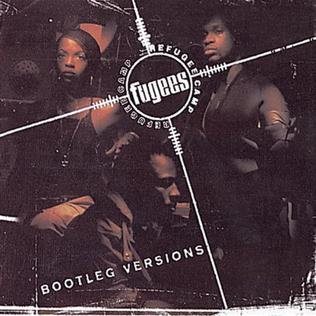
Fugees -Bootleg Version (November 26, 1996)

After releasing their 1994 dud of a debut album, Blunted On Reality (which lived up to its title, even if not the way Fugees intended), the Haitian trio would go back to the lab to do some soul-searching and refining. Two years later, they would emerge with their sophomore effort, The Score. Unforeseen to the world, The Score would go on to be a monster of an album, climbing to the top of the Billboard 200 and selling over five million copies in less than eight months after its release. The album would also earn Fugees two Grammys in 1997 (including one for Best Rap Album) and is a bonafide classic that no one in their right mind would dispute. With the world in their little refugee hands, impatiently anticipating a follow-up to The Score, Fugees would end their incredibly successful year with Bootleg Versions.

Bootleg Versions is a collection of remixes of cuts from Blunted On Reality and The Score, along with a few other random records thrown into the tracklist. I believe the album had dual intentions: to wet the throats of Fugees’ thirsty fanbase while the group worked through its inner turmoil (that would ultimately break the group up the following year) and serve as a quick year-end money grab for Columbia/Ruffhouse. I’m not sure how many units Bootleg Versions sold, but the sum wasn’t enough to earn a gold plaque, which I’m sure was a disappointment for the label.

But fuck the label. Was Bootleg Versions good enough to satisfy the parched throats of Fugees’ fans? Let’s unpack this.

Ready Or Not (Clark Kent/Django Remix) – After a short interlude that tries to rekindle the playful energy of the skits that were laced throughout The Score, the legendary Kool DJ Red Alert shares a few words, followed by a few more words/melody from Wyclef. Then Clark Kent’s pensive instrumental built around a couple of slick xylophone loops gives the somber vibes of the original monster hit single a coldly solemn facelift. Speaking of a facelift, the Fugees match the renovated instrumental with new rhymes. Clef bats first and gets off a verse riddled with witty riddles, followed by a sharp conscious verse from L-Boogie (who also sings a completely new hook, mixed with portions of the original refrain). Then Pras wraps things up with a very…Pras-like verse. This was fire and a great way to kick off the album. The track concludes with another skit to set up the next song.

Nappy Heads (Mad Spider Mix) – The Fugees recycle the melodic “Nappy Heads Remix” instrumental for this remix that features reggae artist, Mad Spider repetitively chanting about weapons and police brutality. I didn’t necessarily need this remix, but it was nice revisiting the creamy instrumental. This one ends with another interlude.

Don’t Cry Dry Your Eyes – Clef and Company build this backdrop around a pulsating bass line, simple drums, and twangy funky guitar licks. Lauryn kicks things off with another phenomenal verse, as she continues to rhyme from a completely different spiritual plane than her contemporaries. Wyclef follows L with another entertainingly abstract verse before a battle-ready Pras closes the song taking another shot (which in hindsight was also prophetic) at his arch nemesis, Jeru The Damaja: “Niggas jealous, ‘cause the shit I said in “Zealots,” well let me tell it, without Premier you couldn’t sell it”(Between his obsession with Puff, and Pras and Keith Murray taking shots at him, Jeru was beginning to stack up quite a few enemies. But I digress). Wyclef’s aggressive adlibs give the record an edgy mixtape feel and complete another fire bootleg record. This one ends with words from Funkmaster Flex to set up the next song.

Vocab (Salaam’s Remix) – Salaam Remi maintains the folksy feel from the original mix but replaces its acoustic foundation with hard drums and an understated haunting vocal loop. Wyclef, Pras, and Lauryn (in that order) all spit brand new verses that are much improved from the pedestrian rhymes they spat on the original. Clef reinterprets the refrain from Dana Dane’s “Nightmares,” turning it into a cool hook, and the creamy melodic break (that sounds like what I’d imagine a heroin addict hears once the needle floods their veins with the liquid opioid) strategically sprinkled throughout the track is the cherry on top of this audible treat. This one ends with a bunch of scratchy phone conversations about Fugees’ bootleg records, while “How Many Mics” plays in the background.

Ready Or Not (Salaam’s Ready For The Show Remix) – This remix recycles the same verses used on Clark Kent’s “Django Remix,” with a few alterations made to Pras’ verse, and Clef edits his boast of “selling five million plates” to “four million.” Salaam’s dry instrumental doesn’t hold a candle to the song’s original instrumental or Clark Kent’s phenomenal remix, but I did enjoy L-Boogie’s reggae-tinged hook. This one ends with DJ Clue shouting out the Fugees and asking to hear “Killing Me Softly.”

Killing Me Softly With His Song – As requested by DJ Clue, the Fugees give us a portion of the smash hit single that would thrust Lauryn into superstardom. The audio was taken from the Fugees performing live at The Brixton Academy In London, but unfortunately, it’s not the best vocal performance from L and the audio quality isn’t the greatest. The track ends with more scratchy phone conversation skits.

No Woman No Cry (Remix) – Wyclef tackled this Bob Marley classic alone on The Score. This time around he invites one of Bob’s sons and reggae artist in his own right, Stephen Marley, to join him on the remake. Both parties do a solid job, making for good karaoke, but not a great record. This one ends with another unnecessary phone conversation skit.

Vocab (Refugees Hip Hop Remix) – This was the single/video version from Blunted On Reality that most casual fans will remember. L, Pras, and Clef offer up a stronger performance than the album version, but it’s still a far cry from the output they would give us on The Score. This track and the album ends with the legendary New York radio duo, Stretch & Bobbito, shouting out the Fugees.

Bootleg Versions starts strong, as three of the first four tracks are powder kegs, with the “Nappy Heads (Mad Spider Mix)” only being tolerable. The second half of Bootleg Versions is nearly useless, as the only track with any redeemable value is the closing “Vocab (Refugees Hip Hop Mix),” and that was even old news by 1996. Speaking of useless, the overabundance of interludes/skits (which I’m sure were intended to playfully weave the tracks together, while the cameos from respected hip-hop deejays and radio personalities were included to show Fugees had street cred) end up hindering the flow of the album, and like Christian Laettner on the 1992 Dream Team, they should have been left off.

Bootleg Versions isn’t essential listening or a must-have to complete your music collection, but for the dollar admission I paid to get in, it was a semi-satisfying experience and a stark reminder of the Fugees’ unfulfilled promise as a group.

-Deedub

Follow me on Instragram@damontimeisillmatic
Posted in Uncategorized | Leave a comment

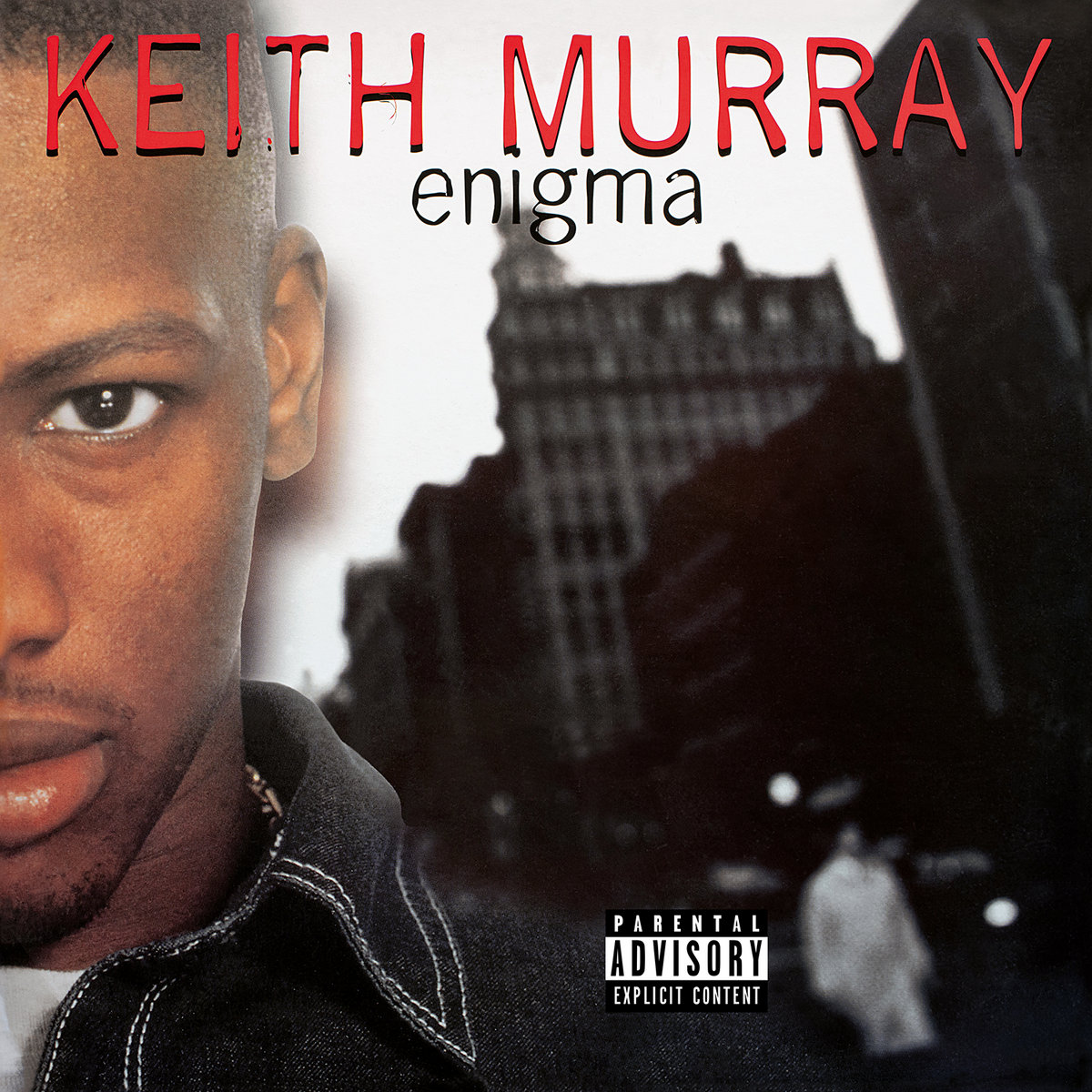
Keith Murray – Enigma (November 26, 1996)

Under his government name, Keith Murray made quite the first impression in 1993 with his scene- stealing appearance on Erick Sermon’s “Hostile” single. Using the opportunity to put his murderous poetry in motion, Keith would end the verse with a mic drop moment, giving a quick lesson in neuroscience, before telling all emcees to warn their crew of his arrival (“Damagin’ your medulla, cerebrum, and cerebellum, ya got a crew, you better tell ‘em”). That legendary verse, along with his association with the well-respected Erick Sermon, would lead to Mr. Murray signing a deal with Jive Records, releasing his 1994 debut album, The Most Beautifullest Thing In This World (taken from a line in his “Hostile” verse). The album would go on to earn a gold plaque, and while it was an overall respectable album, it would get overshadowed by a slew of classic hip-hop albums released the same year. Keith would spend the next few years making several cameos, allegedly getting into a quarrel with 2pac, and beating up Prodigy at The Tunnel, before re-emerging from the funk abyss at the tail end of 1996 to release his sophomore album, Enigma.

Keith would keep his mentor, Erick Sermon, at the production helm for Enigma, with a few co-credits being distributed, and a couple of other helping hands would be involved in shaping the sound of the album. Curiously, there was only one single released from Enigma, and though the album received mostly favorable reviews, it would fail to reach the same commercial success as The Most Beautifullest.

Enigma’s an album I actually bought when it came out way back when, but it’s been a very hot minute since I listened to it last. Random thought: Fredro Starr beating Keith Murray in that MC War battle a few years back is still an enigma in my mind.

Intro – The album opens with ominous music, while Keith reminds all rappers in earshot who he is and warns that if “Anyone wanna diss me on record, Imma get physical with you,” which is clearly a rebuttal to Prodigy’s “The Infamous Prelude” and a reference to the beatdown he and his crew would later administer to the Mobb Deep rapper. After more colorful language, Keith amusingly ends his diatribe with one last request and warning: “You can say what you want, but just spell my name right, ’cause I’m comin’ to dinner.”

Call My Name – Mr. Sermon adds drums to the ominous loop from the intro and speeds it up a bit, as this one begins with a few words from Redman’s evil alter-ego, Dr. Trevis, before Keith is let out of his cell and straight jacket to unleash his sick vocabulary and deathly breath control on all his adversaries: “I’m the grand royal, hard to wear and tear, rap specimen, pissin’ on all you mere peasants, with virtuality, poetry I successfully, bring crews agony in virtual reality.” Keith sounds hungry and razor- sharp, and the aggressively rowdy hook puts an exclamation point on his menacing message.

Manifique (Original Rules) – Keith jump starts this one with some of the most elegant thug poetry I’ve ever heard: “I make music of murder and, mayhem for all of them and, murder ballads for, sweet chariots, my second return like an unstoppable bullet with wings, my ears ring your name, when you speak of me in vain.” Keith’s verbal onslaught continues throughout the track, while E-Double’s strong drums placed underneath an irresistible warm vibrating melody (that sounds very similar to the Crusaders loop he used on Double Or Nothing’s “Boy Meets World”) create a perfect contrast to our host’s hardcore couplets. The repurposing of the opening line of L.L.‘s pioneering hip-hop ballad, “I Need Love,” on the hook was a nice added touch as well. This is easily my favorite song on Enigma, and the dope song title matches the product.

Whut’s Happnin’ – Erick Sermon lays down a dark bluesy backdrop that a locked in Keith uses to devour his rivals, leaving their clothing and Timbs as the only remains and clues of human life. This song was removed from the later pressings of Enigma and it’s not currently available on DSP’s. I’d be willing to bet it had everything to do with a sample clearance issue with the sampling of the chattering crowd noise from the beginning of Marvin Gaye’s “What’s Going On,” which is a shame, as the sample adds very little to what was a fire record.

The Rhyme – This was the lead and I believe only single released from Enigma. The self-proclaimed “mad matador of metaphor” continues to trash talk and spew potent battle-ready bars (“The most beautifulllest, vocabulist, punchin’ phony emcees dead in their esophagus, my analysis is rougher than callouses, you better practice, if you wanna challenge this”), while the Ice Spice thick bass line from Maze’s “Before I Let Go,” brilliantly bounces all over the place in the background.

Dangerous Ground – Keith invites his L.O.D. bredrin, 50 Grand (not to be confused with 50 Cent) to join him on this boast and battle record that would also be the title track for the film Ice Cube would star in the following year. 50 Grand gives it the old college try, but Keith easily raps circles around his faithful foot soldier. But even more impressive than Keith’s rhymes is The Ummah’s (which was the production team made up of J-Dilla and two-thirds of A Tribe Called Quest, Q-Tip, and Ali Shaheed Muhammad…Tribe Degrees of Separation: check) deliciously whimsical instrumental.

Rhymin’ Wit Kel – If you couldn’t figure it out based on the generic song title, this song pairs Keith with his other L.O.D. crony, Kel-Vicious. E-Double and Sugarless aka Ty Fyffe loop up the same Le Pamplemousse bass line break that Tha Alkaholiks flipped for “Damn,” as the duo takes turns talkin’ shit, which also includes Kel throwin’ a jab at Jeru The Damaja (“Nigga I’ll Jeru the Damaja, your rap style is weak and it has no stamina”), which I can only assume is related to the rumor that Jeru wasn’t happy about Keith’s line from “The Most Beautifullest Thing In This World” that referenced his name (“I’ll come cleaner than Jeru and damage an amateur”). I wasn’t crazy about this one, but it’s not a terrible record either.

What A Feelin’ – Keith continues to show off his lyrical dexterity, and it sounds like he’s calling out Jeru during his second verse (“bogus arithmetic” sounds like a coded reference to the title of Jeru’s second album, Wrath Of The Math, the “damage my career” line is a double entendre, and the threat to “Pull your dreads out your scalp” is pretty straight forward). Erick and Sugarless provide a decent backdrop that Keith easily outperforms.

Hot To Def – Mr. Sermon and Sugarless keep the chill vibes coming, as they tap the same Ohio Players loop Mary J. Blige and Grand Puba rapped and sung over on “What’s The 411?” Keith, whose been known to recycle his rhymes at times, starts this one off by reusing a portion of the opening verse he spat on the freestyle for Funkmaster Flex’s 60 Minutes Of Funk: Vol 1. Even though Keith starts the song off lazily regurgitating bars, he quickly picks up steam and gets off one of my favorite Keith Murray rhymes: “Theoretically, hypothetical, practically, actually, ain’t nobody fuckin’ with me.”

Yeah – Historically, The Def Squad has made some awful posse records, which is ironic, considering E-Double and Redman were a part of one of the greatest posse records of all-time in EPMD’s “Head Banger.” This one features Keith, Erick Sermon, Redman, Jamal, and Flipmode Squad representative and leader, Busta Rhymes. On paper, it reads like a fire cipher record, and while all five emcees spit decent to solid bars, the song never fully ignites, mostly due to The Green-eyed Bandit’s underwhelming instrumental that sounds like it came out of a yellow box with “Beat” written across the front.

Love L.O.D. – I guess it’s only right that if you’re Keith Murray and have a Def Squad posse record on your album, you have to give your Legion Of Doom crew a posse cut too. Kel and 50 Grand join Keith, as the three rappers pass the mic around like a hot potato and pledge their allegiance to the L.O.D. name. Naturally, Keith sounds leagues better than his cronies, and speaking of leagues, if rap were basketball, Kel and 50 Grand would definitely play in the D-League. The most intriguing part of this record is the jazzy piano loop-driven instrumental, which sounds like something The Ummah would have produced, but the credit is given to Rod “KP” Kirkpatrick with a co-credit going to Erick Sermon.

To My Mans – Our host takes a break away from his “rah-rah” boastful tough guy shit, using E-Double’s somber backdrop to reflect on his past and offer a solemn dedication to some of the people he’s lost through the years (shout out to Kenny Rogers). It was cool hearing the vulnerable side of Keith, and it’s completely okay if Dave Hollister singing the refrain of Simply Red’s biggest hit on the hook tugged at your heartstrings and moved you to tears.

World Be Free – Keith takes the listener on a verbal trip around the globe, listing several places on the planet that he’s traveled to and “demonstrated malicious mic beatens,” including that time he did “the Ichiban crane style in Japan” that he claims Redman witnessed. Mr. Sermon’s responsible for the warm vibrations and muffled melody placed over clapping drums that give off welcoming zen energy.

The Rhyme (Remix) – Keith wraps up Enigma with this jazzy semi-zany Ummah produced remix that gives the record a completely different sound than the O.G. mix. I like the original, but I enjoyed this remix a tab bit more, which might just be my Ummah bias speaking.

Simply put, Keith Murray is one rappin’ ass negro who doesn’t nearly get the respect he deserves as a wordsmith and emcee. Throughout Enigma, Keith twists, tangles, and bounces words off each other, flexing his healthy vocabulary mixed with aggression and poetical thuggery. And when you partner those attributes with his unique high-pitch vocal tone, his colorful rhymes jump off the page to dance, punch, and kick you square in the face. Keith sums it up best on “Manifique,” describing what he does on the mic as “Illustrating grammar in a hostile manner.” Keith doesn’t waste time chasing girls or bragging about his material possession, but except for “To My Mans,” he treats each track like a UFC octagon, living for the battle.

Led by Erick Sermon with a couple sprinkles of magic from The Ummah, the production on Enigma is pretty solid throughout. The middle of the album is burdened by one too many underwhelming cameos and a few super mid beats, but even when the production or his crew members fail, Keith carries the load, thoroughly entertaining with his lyrical hostility.

Enigma might not be a classic, but it’s a vast improvement from his debut album and a solid sophomore effort from one of hip-hop’s most underappreciated emcees.

-Deedub

Follow me on Instragram@damontimeisillmatic
Posted in Uncategorized | 1 Comment

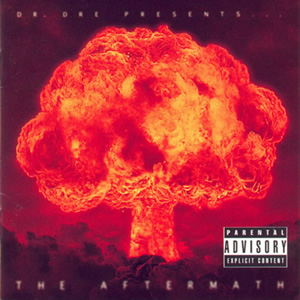
Dr. Dre Presents…The Aftermath (November 26, 1996)

After growing tired of the shady business practices of Eazy-E and Jerry Heller, Dr. Dre would soon follow Ice-Cube’s lead, removing the broomstick from his ass and parting ways with Ruthless Records and the pioneering gangsta rap group, N.W.A. He would soon join forces with the notorious Suge Knight and help found the infamous Death Row Records. But he and Suge’s partnership wouldn’t be all peaches and cream, and after four mammoth sized releases (which included The Chronic and Doggystyle) in a four-year stretch that would help establish the label as a hip-hop powerhouse, the good doctor would leave the Row in 1996, looking for a new place to practice his musical medicine. Not to be discouraged, Dre would take the bull by the horns, partnering with Interscope and starting his own label, Aftermath Entertainment, closing out ‘96 with the label’s inaugural album, Dr. Dre Presents…The Aftermath.

The Aftermath is a compilation album that features both established and new artists with most of the production coming from Dr. Dre and his “Soul Kitchen Staff Producers,” whom the album liner notes list as Dr. Dre, Bud’da, Stu-B-Doo, Glove, and Flossy P. The elaborate twenty-page liner notes booklet comes with pics and a brief bio of each of the artist featured on the album, with one full page displaying the Aftermath Entertainment logo with their mission statement hovering above it that reads: “WE DON’T SET TRIP, WE SET TRENDS.” The Aftermath would produce at least two singles and Dre’s Midas touch would remain intact, as the album would go on to earn a platinum plaque.

I didn’t buy the album when it came out in ‘96, which is strange because I loved The Chronic and just about everything else Dre had a hand in. I bought a used CD copy for three bucks at least ten years ago, and now, twenty-seven years after the fact, I’ll be experiencing The Aftermath for the first time.

Aftermath – The album opens with the sound of a ticking time bomb that explodes right as Dr. Dre dedicates the album to his day ones and welcomes the listener to The Aftermath (“Like we always do about this time”). Then darkly sinister synth chords come in and an uncredited man with an awesome voice for voice over work (he sounds a lot like Neil deGrasse Tyson) shares the definition of aftermath, before he and a computerized female voice, that sounds inspired by the tour guide from Midnight Marauders, gives the album a co-sign and endorsement. Sid McCoy gets off a quick verse, denouncing gang bangin’ and costal feuds (this song is where the “set trip/set trends” quote in the liner notes comes from) and effectively explains the purpose and mission of the project: “Cause keeping it real means moving the cash markets…and constantly building, and stop destroying everything that we touch and leave something for our children.” This extended intro ends with an unnecessary refrain sung by Ruben Cruz aka RC, who sounds a little tone deaf, if you ask me.

East Coast/West Coast Killas – This was the second single released from The Aftermath, and a song I completely forgot existed. RBX (who apparently kissed and made up with Dre since we last heard from him), KRS-One, B-Real, and Nas join forces to forge the supergroup billed as Group Therapy. Over chaotic music filled with emergency sirens and disgruntled undertones that sound like the perfect soundtrack for anarchy, all four emcees are out to out rhyme everybody, without costal bias. Speaking of out rhyme, Nas puts down the triple beam and takes off the Escobar suit, returning to Nasty Nas form, as he easily out rhymes his counterparts.

Shittin’ On The World – Mel-Man gets his own solo joint, as he and Dre are credited with producing this relaxed-paced funky little diddly. Mel-Man, whose better known as a producer than a rapper, doesn’t have the strongest flow, but some of his humorous one-liners (i.e. “Mel go back like Emmitt Smith’s hairline,” “Buying shrimp scampi with the food stamp” and “I’m a rich nigga still getting public assistance” (shout out to ODB)) will keep you entertained, while the amusing hook will make you chuckle at least once.

Blunt Time – RBX makes his second appearance of the night, but this time he’s rollin’ solo. Dre (with a co-credit going to Stu-B-Doo) combines demented jazzy piano chords with a haunting synth G-funk riff, placed over reduced bpm drums, which is the perfect pace for RBX to take his time and get into narrator mode. RBX may have made amends with Dre, but it appears he still had a problem with his cousin, Snoop: “The metaphors are meltin’, style is beltin’, I heard a dog yelpin’ but no helpin’.” Come to think of it, this whole song might be a diss record for Snoop. Either way, I enjoyed it.

Been There Done That – This was the lead single from The Aftermath. Dre and Bud’da (who was responsible for producing some bangers on Westside Connection’s Bow Down) cook up a laidback pristine groove in the soul kitchen, stirring in a dash of subdued conga drum rolls and a touch of devious Gargamel vibes. Dre’s also on the mic and denounces the hardcore posturing of some of his contemporaries (even though he once embraced the style himself), as he flosses and brags about his money and material possessions. Dre sounds decent enough, but the incredible production and mixing of this track sound absolutely incredible.

Choices – The first R&B joint of the evening features vocalist, Kim Summerson singing about a romantic relationship that’s grown unstable and finds her contemplating her next move. The instrumental (credited to Floyd Howard, Glen Mosley, and Ewart Wilson Jr.) is built around an interpolation of Isaac Hayes’ “Look Of Love,” which is a sample you can’t really go wrong with, but they don’t include the dramatic horn stabs from the original break, and I find myself waiting for it to show up every time I listen to this song. Nevertheless, Kim gives a solid performance over the soft flowing music.

As The World Keeps Turning – The liner notes for this one are kind of confusing, but I’m pretty sure Miscellaneous is a four-man group composed of Who, Where, Soul Kitchen Staff producer, Flossy P, and newest candidate for worst alias, Poon-Skoon. Flossy P’s responsible for the boring backdrop, while Where contributes three drowsy verses. The combination makes for a very mediocre musical experience.

Got Me Open – Hands-On was a female R&B trio comprised of Lia, Crystal and Kim, who all look gorgeous in their liner notes pic, by the way. Bud’da is credited with producing this one, as he builds the backdrop around a jazzy swing keyboard riff for the ladies to sing about a man who’s got them dickmatized, while Dre drops by to get off another flossy verse that has absolutely nothing to do with the subject at hand. The ladies’ vocals aren’t as beautiful as their faces, but I enjoyed Bud’da’s instrumental.

Str-8 Gone – Veteran emcee and Compton representative, King Tee makes his first appearance of the evening on this one. Bud’da hooks up a deep-fried synth trunk rattling banger (that includes discreetly placed funky organ chords during the hook), as KT finds his pocket and gets off some entertaining light-hearted bars. This was tough.

Please – Apparently, this was released as a single from The Aftermath, as there’s a whole video for it out there on the internet. Straight out of North Philly, Maurice Wilcher makes his introduction to the world over his self-produced bluesy instrumental that finds him singing the “she did me wrong” blues. Nicole Johnson plays the heartbreaker whose done Mo dirty, asking him to take her back and pleads for another chance during the hook, while he hi-lariously tells her to get down on her knees and beg for redemption. The lyrics are kind of cheesy and Mr. Lockhart doesn’t have the strongest vocalists, but it’s still a decent song.

Do 4 Love – Jheryl Lockhart keeps the R&B theme going, as Bud’da loops up the solemn xylophones and dense bass line from The Heath Brothers’ “Smilin’ Billy Suite PT II” that you’ll probably recognize from Nas’ “One Love,” produced by Q-Tip (Tribe Degrees of Separation: check). Jheryl’s heart’s been smitten by love, and he sings about it on this record that was clearly inspired by Bobby Caldwell’s classic of the same name. It makes for a decent listen, but it doesn’t hold a candle to the blue-eyed soul man’s version, who we sadly lost last week. RIP.

Sexy Dance – After a sensuous female voice asks, “Would you like a table dance?”, Dre and Bud’da keep the sensual mood going with slick seductive instrumentation. But instead of having a female vocalist get her Adina Howard on over the sexy music, RC jumps on the mic crooning for a young lady to give him a lap dance. Like the intro, RC sounds off key with his annoying nasally vocal tone, singing corny lyrics (“Your tongue…what you did with your tongue”) and nonsensical lines (“You got me open baby, cause I’m the mastermind” and what the hell is the “R&B underground”?) that sound like a freestyle. RC’s horrendous performance makes this one nearly impossible to listen to.

No Second Chance – Whoz Who is an R&B quintet that have absolutely no relation to Who and Where from Miscellaneous. Rose Griffin and Rodney Duke construct a beautifully melancholic semi-sappy G-Funk-esque groove custom made for a sad ballad. So, with the musical stage set to make a classic R&B record, Whoz Who uses the backdrop to sing about being sad and butt hurt over a chick who refused to dance when them: “I asked if she wanted to groove, she clowned me with her attitude, she found out I roll with the Who, now there’s nothing she wouldn’t do.” Not only are the lyrics and the song’s concept corny, but the fellas’ vocals are extremely hard on the ears as well.

L.A.W. (Lyrical Assault Weapon) – The spotlight shines on a Brooklyn B-Boy named Sharief, who claims to be “The beacon of light in hip-hop’s darkest hour” in his liner notes bio. Over a decent Stu-B-Doo produced backdrop, Sharief proves to be a competent emcee, but I need to hear more from him before bestowing the titles of “beacon of light” or “lyrical assault weapon” on him.

Nationowl – Christian Nowlin transforms into the emcee, Nowl, and takes center stage. His liner notes bio paints him has a reflective and spiritual young man, and his rhymes reciprocate that energy, as he effectively tiptoes with his soft-spoken voice over Bud’da’s crashing drums and tender emo-strings. This was dope, and I’d love to hear more from Nowl.

FameThe Aftermath concludes with a remake of David Bowie’s funky seventies hit that finds RC imitating Bowie’s exaggerated theatrically delivered lyrics and taking liberties to change a line here and there, while King Tee swings by to get off another quality verse. I actually enjoyed RC’s karaoke-like performance, but Dre (with a co-credit going to Glove) is the true mastermind behind this remake, as he brilliantly twists the whimsical funk chords from the O.G. version into a possessed G-Funk groove that sounds absolutely amazing.

With the official introduction of his Soul Kitchen staff producers on The Aftermath, Dre begins his shift from being a super producer to a bonafide production brand. The Aftermath also finds Dre shedding the gangsta image he embraced from his days with N.W.A. and wore with west coast pride through The Chronic era, as he and his Aftermath artists present a message of “peace, love, lust, and prosperity” through a mixture of hip-hop and R&B music. But whether he’s wearing khakis and smoking weed in his ‘64 or denounces costal beefs while flossin’ and boasting about his riches, if Dre’s name is involved, you best believe the music is going to sound good.

With a few exceptions (Group Therapy, King Tee, and Dre), The Aftermath showcases a crop of new hip-hop and R&B acts from both coasts and all points in between. Historically, Dre’s had a knack for discovering amazing emcees, bringing us such greats as The D.O.C., Ice Cube, Snoop Dogg, and Eminem. Newcomers, Sharief and Nowl show potential, but none of the freshmen emcees that appear on The Aftermath have that X factor to make them standout in the crowd. The R&B acts on the album fare even worse, ranging from bottled water plain to cringe worthy. Thankfully, the overall quality well-mixed production, along with cameos from a few legends and respected veterans, helps offset the mediocre output from the fledgling Aftermath artists.

The Aftermath is a far cry from Dre’s undisputed classic compilation, The Chronic. But it still packs enough heat to make for an overall decent album, keeping the good doctor’s name unblemished.

-Deedub

Follow me on Instragram@damontimeisillmatic

Posted in Uncategorized | 1 Comment

Foxy Brown – Ill Na Na (November 19, 1996)

The first time I ever heard Foxy Brown rhyme was on LL Cool J’s “I Shot Ya (Remix)” from the Mr. Smith album. Legend has it that while the production team, Trackmasters, were working on Mr. Smith, they saw Foxy performing at a Brooklyn talent show and were so impressed by her performance they invited her to the studio to jump on the remix that would match her up with Uncle L, Prodigy, Fat Joe, and Keith Murray. That impressive cameo would open the door to more opportunities for the Brooklyn-bred rapper, as she would appear on Case’s “Touch Me, Tease Me” from The Nutty Professor Soundtrack, the “Groove Remix” for Toni Braxton’s “You’re Makin’ Me High, Jay-Z’s “Ain’t No Nigga,” and she would join Nas, AZ, and Cormega as the First Lady of the supergroup, The Firm, making their collective debut on It Was Written’s “Affirmative Action,” where she would infamously spit some questionable drug math. With a pretty impressive cameo resume under her belt, Foxy would eventually sign with Def Jam, releasing her debut album, Ill Na Na.

Since Trackmasters were her entry point into the game, it comes as no surprise that they would be responsible for producing the majority of Ill Na Na, and along with Jay-Z, would help write a large portion of the album as well. Ill Na Na would debut at number seven on the Billboard Top 200, selling 107K its first week of release, and making Foxy the first female rapper to debut an album in the top ten. The album would produce three charting singles, one which would earn a gold plaque (more on that in a bit), and Ill Na Na would receive platinum certification less than three months after its release.

Broken record moment: I didn’t buy Ill Na Na when it came out in ‘96, but I bought a used CD copy at least a decade after its release. I’m familiar with the singles, but this will be my first time listening to Ill Na Na in its entirety. So, without further ado, let’s listen and see if Foxy’s Na Na is as ill as she claims.

Intro… Chicken CoupIll Na Na begins like a movie theater experience, as Def Jam cleverly promos a few of their upcoming projects, playing clips from Cru’s “Just Another Case” and Cormega’s “Dead Man Walking” as trailers (Cru would drop their debut album, Da Dirty 30 in ‘97, but Def Jam would shelf Cormega’s debut, The Testament, which he would release independently years later after obtaining the masters from Def Jam…but I digress), setting up Ill Na Na as the feature presentation. Apparently, Ill Na Na is a blaxploitation film, as the opening scene features a funky Isaac Hayes loop for the soundtrack and a bootleg Isaac Hayes character named Panama Slim (played by Rich Nice, who plays the narrator during the opening trailers, and was also part of Trackmasters at the time, and the first rapper ever signed to the once soul music monster label, Motown) offers Foxy advice and encouragement, which all feels like a subtle homage to Pam Grier’s super sexy seventies character that our hostess’ alias was borrowed from.

(Holy Matrimony) Letter To The Firm – Speaking of Isaac Hayes, Trackmasters build this instrumental around a beautifully somber piano loop taken from the soul singer’s record, “Ike’s Mood” (It’s been flipped several times through the years, but it’s always welcomed). Foxy uses it to pledge her loyalty to her Firm Familia and declares war on her crew’s imaginary drug dealing rivals (even though he’s not credited in the liner notes, I have a sneaking suspicion this song was ghostwritten by Nas). I wasn’t blown away by this one, but it was a decent way to start the show.

Foxy’s Bells – Foxy and the Trackmasters thought it would be a good idea to remake LL’s classic “Rock The Bells.” But even with Jay-Z’s amazing pen writing Inga’s rhymes (which includes a few clever bars), this felt blasphemous.

Get Me Home – This was the lead single from Ill Na Na. Trackmasters interpolate a portion of Eugene Wilde’s “Gotta Get You Home Tonight” and invite Blackstreet to sing the classic hook from the original. Foxy plays a girl at a club who’s spotted a guy she likes, and they spend the song’s three verses sizing each other up, flirting, and finally leave the club together. Ironically, the horny couple can’t wait to get back to his place, and our perky-breasted hostess ends up spreading her mahogany thighs open in homie’s premium petrol fueled car. This was one of many low hanging fruit shiny production hit singles that Trackmasters were able to string together in the nineties. I don’t love it, but I’ll vibe to it when it comes on during an old school mix.

The Promise – Foxy and Havoc link up for this duet that finds the two on some Bonnie and Clyde shit, exchanging murderous mafioso bars over poppin’ drums and a subdued and bleak string loop. I wasn’t crazy about this one, but I suppose it makes for decent filler.

Interlude… The Set Up – Short skit that sets up the next song…

If I… – Through Jay-Z’s pen, Foxy does a little reflecting, reminiscing, and wishing she could turn back time (shoutout to Cher). On the first verse she recalls a childhood friendship lost once she got her deal, while the second verse finds her harkening back to her first love, who was also the first to sample the ill na na and break her heart. The third verse is dedicated to her brother (I think) who lost his life to the dope game. Trackmasters loop up a Luther Vandross record to create a beautifully pensive backdrop that sounds great backing Foxy’s stories. This is definitely one the strongest records on Ill Na Na.

The Chase – The song title, Foxy’s hook, and the sound of a revving car engine laced throughout the track, imply there’s some type of high-speed chase going on, and Trackmasters provide the perfect unsettling and frantic-paced backdrop to support the song’s theme. But after several listens to this song, I have no idea what Foxy is rapping about. After she “Jumped out the ride” during the song’s opening line, all I heard was a string of brand names, a bunch of Firm references and other randomness for the next three verses. What a waste of a dope beat.

Ill Na Na – The title track finds Inga talking her shit and sex over the bass line and drums from The Commodores’ “Brick House,” while her Def Jam label mate and another contender for cameo whore of the year, Method Man, co-signs for her on the hook, boasting that she has the best pussy on the planet, as if he’s had the pleasure of sampling every living vagina. This was obviously recorded before Foxy started feuding with Lil Kim, as she shouts her Brooklyn contemporary out on the first verse (“Shakin’ my ass half-naked, lovin’ this life, waitin’ for Kim’s album to drop, knowin’ it’s tight”). It would have been nice to hear Meth get off a full verse, but it probably wouldn’t have made much sense on a song called “Ill Na Na.” Still a decent record, though.

No One’s – This record officially makes The S.O.S. Band’s “No One’s Gonna Love You” the undisputed champion of sampled records for 1996, worthy to be retired and hung in hip-hop’s rafters, as China Black and Divine Allah become the millionth producers to use it for this instrumental. Foxy doesn’t do much to make the overly used loop stand out either, as she spits mundane flossy name brand bars, while Khadijah Bass reinterprets the chorus of the original record on the hook. Next…

Fox Boogie – The legendary Kid Capri stops by to co-sign for our hostess with a few adlibs and a silly hook, while Trackmasters provide a melodic bouncy groove for Foxy, who continues to spew subpar stanzas.

I’ll Be – This was the gold-selling second single released from Ill Na Na. Trackmasters loop up another obvious eighties hit record for the backdrop (Rene & Angela’s “I’ll Be Good”), as Jay-Z assists Foxy on this one that finds her more focused on her ill na na than she’s been during the rest of the album (by the way, I love her line: “Na Na, y’all can’t touch her, my sex drive, all night like a trucker”). This is probably the best Foxy has sounded on the whole album and will forever be her biggest hit.

Outro – The album closes with the same Isaac Hayes loop from the Intro and Panama Slim sharing a few parting words, before a snippet from what sounds like a blaxploitation flick, ends the evening.

After living with Ill Na Na over the past three weeks, I’ve developed a newfound respect for rappers with writers, whom I’ve often referred to as puppets on this blog. On her debut album, Hard Core, Lil Kim was able to take Biggie’s penned bars (or reference tracks) and breathe new life into them with her personality, charisma and a welcoming voice that was very easy on the ears. On Ill Na Na, Foxy proves that all puppets aren’t created equal.

With the Trackmasters shiny and plush, commercially friendly brand of hip-hop, Jay-Z’s pen (and though he’s not credited in the liner notes, Nas’ pen as well), and the machine that was Def Jam backing her, Foxy Brown had all the pieces in place to make what could have been an incredible album. The only problem is Foxy’s performance. I like Foxy’s huskily feminine vocal tone, but much of Ill Na Na finds her spewing uninspired materialistic mafiosos raps and occasionally discussing how ill her na na is. While most rappers who were on this mafioso trend in the nineties weren’t living the life, they were able to sell it by making it sound entertaining. Most of Foxy’s bars ring hollow, sounding inauthentic and almost robotic. Speaking of mafioso, as many times as Foxy shouts out The Firm on the album, why the hell aren’t they on it?

Ill Na Na is not a horrible album, but Fox Boogie’s blah performance is far from…ill. But the album sold a shitload of records, so who cares what I think? Happy Women’s History Month!

-Deedub

Follow me on Instragram@damontimeisillmatic

Posted in Uncategorized | 5 Comments

Mobb Deep – Hell On Earth (November 19, 1996)

After their laughable 1993 debut album, Juvenile Hell, Mobb Deep would regroup (figuratively) and in 1995 released their undisputed masterpiece, The Infamous, which just might deserve a spot in the top-ten hip-hop albums of all-time discussion (feel free to agree or disagree with me in the comment section below). Not only was The Infamous a critical darling, but it would also earn the Queensbridge duo their first gold plaque. Mobb Deep wouldn’t waste much time following it up, and in November of 1996 they would return with their third release, Hell On Earth. Random thought: Why do we refer to second albums as sophomore, but we never call third albums, junior?

While Q-Tip would lend a hand to help produce a portion of the tracks on The Infamous, Hell On Earth would be completely produced by Havoc and would also feature a handful of special guest cameo appearances. Hell On Earth would produce four singles, receive favorable reviews, and would become Mobb Deep’s second consecutive gold certified album. And many consider Hell On Earth to be just as strong an album as The Infamous.

I haven’t listened to Hell On Earth in a hot minute (no pun intended), but my ears are prepared to be bombarded with mucho amounts of thuggery.

Continue to rest easy, Prodigy.

Animal Instinct – Havoc opens Hell On Earth with a wearied string loop and a bloated bass line placed over hard-hitting drums that he, P, and a few of their Mobb members, Gambino and Ty Nitty, use to warm up for the evening, exchanging violent pleasantries (which includes Havoc threatening to “bleach blind” fools, while P’s stabbing rivals in the neck with icepicks). The duo close things out with a refrain that blames their devilish deeds on their uncontrollable animal instinct. This was a decent way to kick things off and set the tone for the evening.

Drop A Gem On ‘Em – I thought this was the lead single from Hell On Earth, but after a little research (by research, I mean Google) I discovered it was actually the second single. Havoc picks up the energy a bit with this one, mixing a haunted piano loop, a soulful pain ridden female vocal sample, and drums that kick you square in the nose. P and Hav are clearly responding to Pac and the numerous shots he fired at them on “Hit ‘Em Up” and throughout the The Don Killuminati album, as P spits: “You got a gat, you better find it, and use that shit, think fast and get reminded, of robberies in Manhattan, you know what happened, sixty G’s worth of gun clappin’, who shot ya? You probably screamed louder than an opera, New York got ya, now you wanna use my Mobb as a crutch, what you think, you can’t get bucked again?” Without saying Pac’s name, it’s clear who they’re talking about, and I found it interesting that they kept the song on the album despite Pac’s untimely demise. Regardless, this record still sounds great.

Bloodsport – Let me start by saying, I love this song title. Hav and P’s content matches it very well, as they take turns verbally blooding up their rivals, which includes another icepick reference. But the true star of this record is Hav’s simple but stellar murky production that makes the threats from these self-proclaimed “pioneers of this violent nigga rap shit” sound even more threatening.

Extortion – Mobb Deep keeps the musical vibes dark, as Havoc builds this backdrop around a moody bass line and a terrifying shrieking string loop. Method Man and his magnificent flow join Hav and P to carrying on the album’s thug theme, and after all these years, Havoc’s threat to “Dead your shorty like abortion” still makes me laugh uncomfortably. This joint is hard.

More Trife Life – This one kind of picks up where “Trife Life” from The Infamous left off, hence the song title. A horny Havoc goes solo and shares the details of a trip to get some booty that turns into a whole lot of drama for our host. I have all types of issues with Havoc’s storyline: After shorty tells Havoc that her jealous ex is in the apartment building lobby, and Hav suspects that he may be a pawn to get her ex jealous, or worse, he’s being set up for a robbery, why the hell didn’t he get out of there when she went to soak in the bathtub? Then he gets so relaxed that he falls asleep before his thirsty ass wakes up to hit it. Come on, man! You deserve to get your dumb ass tied up! Along with Havoc’s storyline being completely ludicrous, his instrumental sounds empty and incomplete.

Man Down – Big Noyd (who made some strong cameos on The Infamous) makes his first appearance of the evening, sparring with his Mobb Deep bredrin, as they partake in more hoodlum shenanigans over a basic beat and an uninteresting horn loop. The song ends with a skit that finds P sonning his homie for playing around with a gun. I didn’t hate this one, but it’s average at best. Side note: P’s mention of an icepick makes this the third icepick reference in the album’s first six songs.

Can’t Get Enough Of It – Mobb Deep introduces and allows yet another crew member to join them on the mic. This time it’s General G, and he offers up a pedestrian performance that sounds just about as generic as his alias. This wasn’t Havoc or Prodigy’s best performance of the evening either, but the seductive twangy guitar loop laced throughout the track nearly got me to strip out of my boxers, and it sounds even better if you’re listening to it while driving around at two in the morning.

Nighttime Vultures – This one begins with a snippet of what I assume to be vultures based on the song title. Then Raekwon becomes the second Wu-Tang member to pop up on Hell On Earth, as he and P swap uninteresting crime tales, while Havoc provides a futile hook and a dull instrumental to back them.

G.O.D. PT III – This was the fourth and final single released from Hell On Earth. After a ridiculous opening skit that finds one of Mobb Deep’s homies bustin’ shots out their project window at one of their rivals on the basketball court, Hav places the hauntingly dark chords from the Scarface theme music over pulsating drums to create a suspensefully spooky atmosphere that makes he and P’s murderous threats hit just a little bit harder than usual. The ultra-catchy hook (that the duo gives Lime Bacardi a free endorsement on) merges the music and rhymes together, brilliantly. This shit was epic. Easily my favorite song on Hell On Earth.

Get Dealt With – MD follows up the colossalness of the previous track with a dark slightly off kilter piano loop and snapping drums that finds P threatening to “Put a hole in” his enemy’s “face so big it nearly took his whole face off,” while Havoc takes the beef beyond the mic and disses his opp’s character: “Delete those, and keep my shit discrete, niggas is trash rhymers, totally off beat, and outta sync with they life.” Definitely one of my favs on the album.

Hell On Earth (Front Lines) – This title track was also the third single released from the album. Havoc builds the backdrop around a warm and elegant string loop and our hosts continue to paint their projects as a war zone, battling rival crews and police. Dope record, and this instrumental still sounds as amazing as it did back in ’96.

Give It Up Fast – After the sound of an airplane taking off (or landing) plays, a somber string loop accompanied by heavy drums slowly fades in. Then the listener is greeted by Nas, in full Escobar mode, spittin’ what might be his weakest cameo verse to date. Big Noyd also joins Hav and P on the mic, as all three parties follow Esco’s lead and spit subpar ruffian bars over the aimless backdrop.

Still Shinin’ – As I mentioned earlier, I thought “Drop A Gem On ‘Em” was the lead single for Hell On Earth, but this was actually the lead single. I love Prodigy’s line, “We rob land, like white man” (and he makes another icepick reference), but everything else about this track was extra mid.

Apostle’s Warning – And Mobb Deep wraps the proper album with more mid.

In The Long Run – The enhanced CD version of Hell On Earth unlocks this bonus track once placed in your computer’s CD-ROM (remember those?). The instrumental has a slightly lighter feel than the rest of the production we’ve heard on the album, as Mobb Deep and their guest, Ty Nitty, stay true to their goon grammar. Ty and Havoc’s rhymes are pretty forgettable, but Prodigy’s bars get rather interesting, as he calls out a few of his rivals by name. One being Keith Murray, as he acknowledges the infamous incident (no pun intended) where Keith punched him in the face at the legendary New York City nightclub, The Tunnel. And the other being 2pac: “You seen Strapped, came outside all hyped with gats, Got juiced up, now Bishop think he thuggin’ it, Black,” and later he threatens, “I’d murder you (referring to Keith) and 2pac for two cents,” but tastefully, they censored the entire line out due to Pac passing away before the album’s release. This was far from a great record, but definitely more intriguing than the yawn inducing ending to the proper album, “Apostle’s Warning.”

Hell On Earth finds Mobb Deep picking up right where they left off at on The Infamous, with dark musical schemes decorated with bloody bully bars, killer compositions, and a newfound affinity for icepicks. Without the significant musical contribution that Q-Tip made on the previous album, Havoc’s production sounds less layered and absent are the brief glimpses of hope, as he takes a more stripped-down minimalist approach, drowning his basic drumbeats in complete hopelessness and despair, and most of it sounds great. Lyrically, Havoc continues to improve, as he sounds sharper than he did on The Infamous, while Prodigy spews decent thug stanzas, but they don’t sting with the same venom or sound as menacing and authentically bleak as they did on the previous outing.

Mobb Deep’s thug themes start to get tedious by the home stretch of Hell On Earth, and Havoc’s sparse sonic style, while mostly effective, leaves a few too many barren pockets on the album for it to be mentioned in the same breath as The Infamous. Yet, it’s still a solid album from the QB duo, who should be commended for sticking to their guns. Both figuratively and literally.

-Deedub

Follow me on Instragram@damontimeisillmatic
Posted in Uncategorized | 4 Comments

The Almighty RSO – Doomsday: Forever RSO (November 19, 1996)

The Almighty RSO was a Boston-based collective made of up DJ Deff Jeff (not to be confused with the emcee and west coast transplant, Def Jef), E-Devious, MC Rock, Tony Rhome (not to be confused with Tony Romo or Tony Roma…whatever happened to that restaurant chain?), and Ray Dog aka Benzino, who you may remember from his shady Source Magazine involvement (which included he and his crew beating up some of the publication’s writers for their unflattering critique of RSO’s music, and later becoming part owner and ruining the magazine’s credibility and reputation due to his own personal biases and beefs), his feud with Eminem, or if you watch TV with your lady sometimes, like myself, you may recognize him as one of the cast members from Love & Hip-Hop: Atlanta. RSO, which is a double meaning acronym (Rock Shit On and Real Strong Organization, depending on which day of the week you ask them), started to bubble locally in the mid-eighties, before catching the attention of Tommy Boy Records, who would sign them to a deal. No music would be released during their Tommy Boy stretch, and shortly after signing the deal, MC Rock would be stabbed to death in a night club. After leaving Tommy Boy, RSO had a brief stint as part of Queen Latifah’s Flavor Unit, which would lead to them getting a record on the 1993 Flavor Unit compilation album, Roll Wit Tha Flava. RSO would soon sign a deal with RCA, where they would drop an EP, Revenge Of Da Badd Boyz, in 1994. Like the Tommy Boy deal, the RCA one wouldn’t last long and eventually, RSO would sign with J Prince’s legendary Houston label, Rap-A-Lot Records, where they would release their debut full-length album and the subject of today’s post, Doomsday: RSO Forever.

One of the perks that comes with signing with Rap-A-Lot is having access to some of their in-house producers, and RSO would take advantage, as Crazy C (whose name you may recognize for his work with Scarface’s early output amongst others) would produce a chunk of the album’s tracks and The Hangmen 3 (which is the Boston-based production team comprised of Benzino, Jeff Two Times, and Johnny Bananas) would handle a large portion of the rest. Doomsday would also include production from a few other esteemed producers and feature a handful of special guest cameos that we’ll get into in a bit. Doomsday would produce two singles with one of them peaking at ten on the Billboard Hot Rap Songs charts, but the album failed to produce strong sells numbers. Ironically, Doomsday would mark the end of the group and RSO would be, done, forever (Benzino and E-Devious would re-emerge a few years later as part of a group called Made Men, but that experiment wouldn’t last long either).

I found a used copy of Doomsday in the dollar bins (ninety-five cents to be exact) at one of the used music spots I peruse, and when I saw some of the featured guests listed on the back of the jewel case, I figured it would be worth the gamble. Like most of my reviews in the past few months, Doomsday is another one that’ll be listening to for the first time with this post. So, let’s get into it.

Doomsday Intro – After the sound of a blunt being lit, the listener is greeted with dark cinematic chords, as Benzino welcomes us all to the album and shows love to his RSO bredrin with an overly used demonic vocal distortion placed over his voice.

Forever RSO – Benzino, Tony Rhome, and E-Devious use the first song of the evening to give a brief group bio, highlighting their ups and downs (which includes Tony getting locked up, the death of MC Rock, getting dropped from record labels, and beatin’ down writers from The Source) and pledging their allegiance to The Almighty RSO. Rap-A-Lot affiliate producer, John Bido, gets credit for the smooth southern fried instrumental (with a co-credit going to a Pee-Wee), and I absolutely love the slippery wah-wah guitar licks laced throughout the track.

The War’s On – RSO invites Mobb Deep to join them on the album’s lead single that was originally released on the Original Gangstas Soundtrack in April of the same year. Prodigy (rip) joins Benzino, E-Devious, and Tony Rhome on the mic, and of course if P is involved the record has a thug/crime theme. Havoc stays behind the boards and serves up an airy canvas with a raw melodic touch for RSO and his partner in crime to paint violent hood tales, with middling results.

Thought You Knew – After an array of guns shot ring off during the opening skit, Crazy C (with a co-production credit going to Terrance “Bearwolf” Williams) drops a smooth southern marinated groove that sounds custom made for Scarface to rhyme over (I can hear Face hittin’ it with his “I Seen A Man Die” cadence), but instead Benzino and Tony use it to exchange mediocre threats of murder.

Gotta Be A Better Way – This one finds RSO sharing more crime tales, but unlike the stories they’ve shared previously on Doomsday, this time they’re questioning their moves and contemplating finding safer and more productive means to make a living. I like the message, the shiny synthesized chords, the bangin’ bass line, and Keva’s soothing vocals on the hook make everything easier to digest.

Summer Knightz – E-Devious and his horrible-aliased guest, Tangg Da Juice, express their love and appreciation for drama free summer nights, even though the ebonicly misuse of the word “Knightz” in the song title might lead you to believe this is an ode to medieval warriors in iron body armor battling in June and August). The Hangmen 3 back up the duo’s sufficient bars with a sparkling instrumental built around a loop from The Isley Brothers’ classic, “Voyage To Atlantis” and some West Coast siren notes, making for an overly polished, but decent record.

Sanity – The SOS Band’s “No One’s Gonna Love You” had to have been the most sampled record in hip-hop in 1996, as I’ve already mentioned it at least four times in my write-ups for the year. Well, make this the fifth, as The Hangmen 3 loop it up once again to soundtrack this song. RSO uses the bubbly backdrop to discuss how mentally taxing the street life can get, years before mental health would become a sexy subject. Our hosts invite D-Ruff to drive home the struggle with his husky crooning, and I actually enjoyed this one.

You’ll Never Know – After a short snippet plays from the mob movie, Miller’s Crossing, Crazy C chefs up some dark deranged gumbo that RSO uses to let the listener, and any would be rivals know that they’re ready for and welcoming of all smoke, while Mad Lion drops in to co-sign for his “hell bound” friends with a little raspy Dancehall chant towards the end of the record. Interestingly and somewhat annoyingly, all of RSO’s curses are censored on this record, which I’m sure had to do with sample clearance. Overall, a decent album cut.

You Could Be My Boo – This was the second single from Doomsday. The song opens with a skit that finds E-Devious calling his girl, excuse me, boo, and telling her to get rid of the work he stashed under her bed the night before, as word on the street is there’s a snitch trying to get him knocked. Then a soft R&B radio friendly instrumental drops (which sounds nothing like something Crazy C would produce), accompanied by Faith Evans’ vocals on the adlibs and hook, as E goes on a dolo mission, listing a plethora of reasons why he loves and appreciates his boo: “When you around my niggas everything be like, what up? You know when to talk and you know when to shut up, you aint scared of guns, and you know how to use it, you love Rap City, and you love rap music, and when we fight, you go for yours, you don’t be duckin’, you so wild, you smoke a blunt while we fuckin’, you hate the cops with a passion, you like one of my niggas, but in a female fashion.” I’m not usually a fan of these bubble gum radio formulated records, and Faith Evans sounds like she mailed her performance in, but E-Devious’ unintentionally humorous rhymes delivered in his “dead ass serious” tone, kept me entertained.

Mix Of Action – The Hangmen 3 build this darkly tinted boom-bap production around a slick Roy Ayers loop, while DJ Deff Jeff adds Premo-esque cuts to the track, and Benzino, E, and Tony boast of their addiction to stay in the mist of hood drama. Speaking of addiction, I’m hooked on this instrumental.

Keep Alive – This one begins with a clip from A Bronx Tale, then RSO and their guest, Cool Gsus, use this one to remind all the street hustlers to move wisely while they’re out there doing their dirt. E-Devious gets off what might be the best bars on the album with: “And to my niggas doing crime in the hood, on the heels of the O.J. verdict, it don’t look good, if it don’t fit, you must acquit, but for niggas like you and me, that’s a bunch of bullshit, when we workin’ with some public counsel imitators, we can’t afford no Dream Team litigators.” The underappreciated Kay Gee from Naughty By Nature, provides a creamy reflective groove to support our hosts’ hood advice.

Illicit Activity – Now here’s an unlikely pairing. Memphis’ very own, 8Ball & MJG join forces with E, Benzino, and Tony, as each party gets a turn to talk his shit. E reps RSO the strongest, contributing solid bars, but 8Ball & MJG steal the show, sounding right at home as they flaunt their southern flavor over the West Coast G-Funkish backdrop, courtesy of Smoke One Productions. This was dope, and yet another reminder that I’ve got to check out 8Ball & MJG’s catalog.

Killin’ ‘Em – Tony Rhome gets a solo joint. Crazy C and DJ Storm throw him a sneaky bell heavy mid-tempo beat that finds our host screaming very forgettable bars. The instrumental was decent, but there’s really no reason to listen to this one more than once.

One In Tha Chamba – RSO offers up a revolutionary response to police brutality: firing back at the bastards. The Hangmen 3 build the instrumental around a familiar but always welcomed Blackbyrds loop (see Kurious’ “I’m Kurious” and Paris’ “Days Of Old”), as RSO is joined by M.O.P and Smif-N-Wessun (who were forced to change their group name to Cocoa Brovaz at the time due to trademark issues) to bust shots back at the power abusive pigs. Rest in peace to George Floyd and Tyre Nichols.

Quarter Past Nine – Like mogwai turn into gremlin if fed after midnight and Cinderella’s magical spell ends at 12am, apparently, RSO turns into blood thirsty diabolical killers as soon as the clock strikes 9:15pm (is that eastern standard time or central?). The fellas invite Cool Gsus, M3 and the reggae stylings of (what might be the greatest alias of all time) Fuckamon, while a female vocalist simply credited as Courtney, adds harmony on the hook to accompany RSO’s flying bullets. The content wasn’t riveting, but the instrumental is hard.

We’ll Remember You – RSO closes out Doomsday with a soulfully pensive Doc Doom/Mad House concoction, as Zino, E, and Tony reflect and reminisce about the comrades they’ve lost to the streets and prison, which also includes a shoutout to the late group member, MC Rock. It’s hard to mess up these types of dedication songs, and this one goes down rather smoothly.

I’ll be honest. Going into this review, I had very low expectations for Doomsday: Forever RSO. Mainly due to Benzino and all of his cornball antics through the years, plus their “Badd Boyz” record from the Roll Wit Tha Flava compilation album wasn’t all that impressive. But after several listens to the album over the past three weeks, surprisingly, Doomsday doesn’t sound nearly as bad as I expected it to.

E-Devious proves to be the strongest of the crew on the mic, while Benzino and Tony Rhome offer meager rhyming throughout Doomsday. But even with E’s efficient skills, collectively, RSO’s gangsta/street life themes ring hollow and pale in comparison with some of their more talented contemporaries who drive in the same thug lane. Thankfully, RSO was wise enough to spread around enough great guest cameos on the album to keep things flowing even when their own flows stall. More than anything, it’s the production on Doomsday that brings the album respectability. Led by Crazy C and The Hangmen 3 behind the boards, Doomsday tantalizes the listener’s ear with southern fried slaps, traditional East Coast boom bap, West Coast synth, and a little polished pop R&B flavor thrown in to appeal to the masses. Doomsday has no musical cohesion, but variety is the spice of life, and there are plenty of tasty spices sprinkled into this sonic smorgasbord.

Doomsday is not a classic and will never be found on anyone’s “Must Hear Before You Die” list, but it comes with some entertainment value. Well worth the ninety-five cents I paid for admission.

-Deedub

Follow me on Instragram@damontimeisillmatic

Posted in Uncategorized | Leave a comment

Eminem – Infinite (November 12, 1996)

Like most musical genres, hip-hop has seen several great white hope rappers through the years, whose lack of melanin and ability to rhyme over a beat (no matter how average the rhyming is) automatically garners them more attention, praise, and notoriety than their darker counterparts, even if the darker counterpart plainly displays a stronger rhyming aptitude than their Caucasian contemporaries. Some of these melanin challenged rappers randomly stumbled into the genre, while others were clearly processed and manufactured by record companies to make a dollar. Then there are those who came into the fold organically with a genuine passion for the artform and the talent to match. And one of these elite few deserves to be mentioned in the GOAT conversation. Eminem.

We’ve all heard how Marshall Mathers aka Eminem went from Detroit battle rap legend to getting his demo in the hand of Interscope founder, Jimmy Iovine, who would put the demo into the hand of Dr. Dre, and with the good doctor’s backing, he would become, arguably the biggest superstar in hip-hop’s storied history (if you’re not familiar with the story, check out the Netflix documentary, The Defiant Ones and hear it told directly from the mouths of Jimmy, Dre, and Em). But before Dr. Dre, the fame, the accolades and the crossover commercial success, Eminem was not only battle rapping in Detroit, but also creating and recording records. In November of 1996, he would release his debut album, Infinite.

Infinite features eleven tracks, all produced by Mr. Porter (aka Kon Artis, aka Denaun), who along with Eminem was a member of the Detroit collective, D12. The album was originally released on the small Detroit based label, Web Entertainment, and legend has it that Em was selling vinyl and cassette copies of the album out of his trunk, a la Too Short in the early eighties. Needless to say, few outside of the Detroit area were familiar with the Infinite album or even knew it existed before Em’s blow-up, including myself.

A few years ago, I found a used cd copy of Infinite, which included a bonus disc of the Slim Shady EP, which also happens to be the demo that would get into the hands of and impress Jimmy and Dre (I might discuss that one at a later date). The album cover is a thick super basic two-sided insert with the simple artwork that you see above on one side and the track listing with no credits on the other side. My copy doesn’t even have a back panel in the jewel case, which leaves me to believe I may have paid twenty bucks for a bootleg burned CD.

Now that’s shady.

Infinite – The first song of the evening features a drowsily melodic backdrop with a bloated bass line that reminds me of the instrumental for Nas’s “One On One” record from the Streetfighter Soundtrack. Speaking of Nas, you can definitely hear he and AZ’s influence on Em’s wordplay and flow, as he showcases his already polished emcee attributes with a more straight forward approach than we would grow accustomed to hearing from him: “My thesis’ll, smash a stereo to pieces, my acappella releases, classic masterpieces, through telekinesis, it eases you mentally, gently, sentimentally, instrumentally with entity, dementedly, meant to be, infinite.” The hooks is some overly wordy nonsense, but this was still a solid way to kick the evening off.

WEGO (Interlude) – This interlude takes a clip from a show on the Detroit radio station WEGO, hosted by MC Proof (rip) and DJ Head that introduces the next song. The background music is hard.

It’s Okay – Over a semi-melancholic jazzy groove, Em sounds like a man with a dream trying his damnedest to hold on to it while the trials and tribulations of life try to snatch it from his grasp: “Life is stressful inside this cesspool, tryin’ to wrestle, I almost bust a blood vessel, my little brother’s tryin’ to learn his mathematics, he’s asthmatic, runnin’ home from school away from crack addicts, kids attract static, children with automatics, takin’ target practice on teens for Starter jackets, I’m using smarter tactics to overcome this slum, I won’t become as dumb as some, and succumb to scum, it’s cumbersome, I’m tryna do well on this earth, but it’s been hell on this earth, since I fell on this earth.” Em joins the exclusive list on TimeIsIllmatic of emcees to use a word you’ll probably never hear another rapper use in his rhymes, when he breaks out “cumbersome;” and this might be the only record that Em has ever voiced his desire to be “a family man, happily married” and professes to have “found Christianity.” Em’s homeboy, Eye-Kyu adds a simple but effective hook, and I found myself thoroughly enjoying this one.

Tonite – Mr Porter builds this backdrop around a buoyant soulful loop, as our host continues to flaunt his witty wordplay and damn near effortless flow.

313 – I’m sure most of you know, but if you don’t, “313” is the Detroit area code from which our host represents, hence the song title. Em invites his buddy, Eye-Kyu to warm things up with the opening verse, and he does a solid job with the opportunity. Then Em takes care of the second verse, displaying some of the witty punchlines that made him a legendary battle rapper in the Detroit streets (i.e. “I’ll run your brain around the block to jog your fuckin’ memory,” “You could date a stick of dynamite and wouldn’t go out with a bang,” “He better come cleaner than Jeru jackin’ off when he showers,” and one of my favorites: “You couldn’t make the fans throw up their hands if they swallowed their fingers”), before ending the verse with a well plotted Jack & Jill riddle that I’ve literally chuckled at every time I’ve listened to this song in the past three weeks: “Cause you could be quick, jump the candlestick, burn your back, and fuck Jill on a hill, but you still aint jack.” Mr. Porter backs the witty wordsmanship with a subdued jazzy backdrop that some might find boring, but I found irresistible.

Maxine – Em is joined by Mr. Porter and Three on this one, as the trio each get off a verse sharing their perspective and experience with a promiscuous chick named Maxine. Em paints her as a dope fiend hooker, Mr. Porter frames her as an irresponsible club hoppin’ mother, and Three (who sounds like a less skilled mix of Fatlip and Imani from Pharcyde) knows her as a random freak he met at the club. But they all can agree that Maxine has AIDS. The song’s concept wasn’t fleshed out well (and Mr. Porter’s closing conversation with Maxine is completely asinine: He calls her and leads with “(Are) you thinking about suckin’ my dick?” then gets upset when she asks for compensation for the deed, and then he decides to bring up the fact that she has AIDS…why the hell did you call her to suck your dick knowing she has AIDS in the first place, ya big dummy?!!!!), but I enjoyed the super sedated soulful instrumental.

Open MicInfinite makes quite an energy shift with this track. Mr. Porter lays a slippery Curtis Mayfield guitar loop over crashing drums, while an enthusiastic Thyme (not to be confused with the herb), accompanied by a great Treach vocal snippet, boosts the energy on the hook, and our host continues to teach a clinic on wordplay and lyricisms.

Never Far – This one starts with Em and Mr. Porter trying to gather up enough change to catch the bus, before the feel good melodic instrumental drops and Em gets off two verses discussing his focus and determination to become a successful rapper. He also adds a positive hook, encouraging the listeners to chase their dreams as well. I like hearing an optimistic Eminem; and in hindsight, it’s heartwarming to hear him speak his dream into existence.

Searchin’ – This one catches Eminem sharing a rare tender moment on wax. Our host and his guest, Eye-Kyu, have both been smitten by Cupid’s arrow, as they each get off a verse professing their love for the girls of their dreams, while Angela Workman sprinkles her pretty vocals over the heartwarming instrumental. This was clearly a formulated effort to appeal to the female fanbase, but it was done tastefully, and I actually like it.

Backstabber – Em takes a comical approach to addressing backstabbers, as he plays a police sergeant looking to apprehend a green-haired mentally unstable sword yielding joker who’s escaped from the psychiatric ward: “He’ll stab you with a sword, don’t be fooled by his charm, he’s probably armed, with intent to do bodily harm, ring the alarm, look for a man with green hair, check at your girl’s house, he was last seen there, he has a mean stare, but usually cracks jokes, good luck on your mission and guard your backs, folks.” Clever concept, funky beat, and The Three Stooges inspired “Why I oughta” snippet during the hook was pretty amusing.

Jealously Woes IIInfinite wraps with an ultra-bassy backdrop that Em uses to give the reasons why his toxic relationship went sour (tapping your girl’s phone conversations through the heat vents is wild). He also sneakily uses the n-word, thanks to a clever Nas soundbite, and we also get a Tribe Degrees of Separation for this post, when he quotes one of Phife’s lines from “Butter.” Em definitely didn’t save the best for last, but it still makes for a decent record.

Infinite captures Eminem before his colorfully unhinged alter ego, Slim Shady would take over his soul and music, as we hear from an optimistic, slightly naïve Marshall, not yet jaded by the bullshit of the music industry and the world. Em takes a more poker-faced approach to rhyming on Infinite, but even without his shock jock Slim Shady antics, it’s clear from the jump that this Detroit trailer park raised emcee can rhyme his ass off. Em makes light work of Mr. Porter’s quality batch of jazz and soulful boom-bop slaps, bodying them with his incredible wordplay, witty rhymes, and overall mastery of the English language, encapsulated in his relentless flow that transcends color, race, or creed.

There are several Eminem records from the Slim Shady LP through the Encore era that I love (we’ll discuss the latter portion of his catalog on a later date), but if my memory serves me correct, none of them were phenomenal albums. Infinite has an organic, less gimmicky feel than the rest of his catalog, and pound for pound, it might be Eminem’s most entertaining album.

-Deedub

Follow me on Instragram@damontimeisillmatic

Posted in Uncategorized | 1 Comment