Above The Law – Time Will Reveal (October 22, 1996)

Over time, Above The Law has become one of my favorite underrated and underappreciated hip-hop groups of all time. I was first introduced to the Pomona, California collective on their 1993 sophomore effort, Black Mafia Life, before going back and checking out their 1990 full-length debut album, Livin’ Like Hustlers. Black Mafia Life was dope in its own right but Livin’ Like Hustlers was absolutely brilliant. I’m still not sure why I never checked for or bought ATL’s third release, Uncle Sam’s Curse, when it came out in ‘94, but last week I found a reissued CD copy and will be doing a deep dive on it just as soon as I wrap up my 1996 reviews. But today, we’ll be discussing ATL’s fourth release, Time Will Reveal.

After releasing their first four projects on Eazy-E’s Ruthless imprint (before you go and correct me in the comments, I’m including their 1991 EP, Vocally Pimpin’ in that count), ATL would begin their short-lived relationship with Tommy Boy Records (TWR and their next album, Legends, would be released on Tommy Boy before ATL would move on to their next label home). ATL would handle all of the production on TWR and would invite a few guests to jump on a few of the album’s tracks. Compared to some of their previous projects, TWR did mediocre sells numbers, peaking at 16 on the Billboard Top R&B/Hip-Hop Charts and 80 on the Billboard Top 200.

TWR is another album I bought used a few years back and (broken record alert) have never listened to until now. Hopefully, the generic album cover photo isn’t an early indication of ATL’s fall off.

Continue to rest easy, KMG.

IntroTWR begins with some dude named Gee on an angry rant about “punk ass bitch made muthafuckas” and Judgement Day, while bluesy instrumentation plays in the background, accompanied by lamenting notes from Dori’nda “Do/Re” Roberts.

Encore – The first actual song of the evening finds KMG and Cold 187 discussing their conversion from bonafide street hustlers to legitimate rappers, sharing a bit of their history and resumé along the way. Ms. Roberts from the “Intro” blesses the hook with her strong (though poorly enunciated) vocals, and combined with the pristine synth groove, gives the track a hood elegance that I enjoyed.

Evil That Men Do – Over a devious keyboard crafted instrumental, ATL lets us know that just because they’re veteran rappers, doesn’t mean they’ve completely abandoned their street ties. KMG and 187 take turns calling out the evil actions of others and admit to their own wicked deeds (Speaking of wicked, was KMG taking a shot at Ice Cube with his “wicked” bar (“Lookin’ for this other muthafucka, me and my gang, he wanna get wicked, he wanna take it there”)? I know ATL had beef with Dr. Dre for allegedly stealing their production sound, but I wasn’t aware of any beef they had with Cube. Hit me in the comments if you have the scoop). The fellas add some haunting vocals on the hook to reinforce the devilish deeds discussed in their bars. This was dope.

Table Dance (Skit) – This skit takes place at a strip joint named Draws Plus, which sounds more like the Sam’s Club of underwear than a name for a gentlemen’s club. Regardless, it adds nothing to the album and only exist to set up the next song…

Gorillapimpin’ – One of Above The Law’s street hustles was pimpin’, and they use this one to remind the listener that the pimp trait still runs strong through their veins. KMG and 187 are joined by E-Nuff and Kokane to boast about their gorilla pimp game (Kokane’s verse gets a little R-Kelly-esque when he talks about having sex with a seventeen-year-old groupie). Like most misogynistic songs, this one hasn’t aged well, but the sing songy hook is very catchy.

1996 – Over a dark menacing backdrop, 187 and KMG continue to straddle the line between street hustlin’ and rapping. I’m still trying to figure out who KMG’s line about the “skinny buster nigga might steal our fuckin’ sound” was aimed at. Initially, I thought it was directed at Dr. Dre for what I mentioned on “Evil That Men Do,” but Dre was far from skinny in ‘96. So, then I started leaning toward DJ Quik, since KMG’s very next line is “get draw down quick, like quick draw” and Quik was definitely a bean pole around that time. Feel free to hit me in the comments if you have more info…but I digress. This record is hard.

Killaz In The Park – This one begins with a skit that has law enforcement discovering a dead body. Then after they secure the crime scene a dreary semi-bluesy instrumental is brought in, and our hosts and MC Ren take turns exposing the listener to the dark underworld of the park, where Cold 187 brags about selling dope by the swings. Wtf? I could have done without this one.

100 Spokes – This was the lead single from TWR. Over a funky mid-tempo synth groove, laced, once again, with the soulful vocals of Ms. Roberts on the hook, 187 and KMG rap praises to the fancy tire rims they drive around Southern California with, discussing the benefits (attention from women) and the problems (potential jackers) that come with having them: (KMG) “When I bought my 100 Spokes, I bought a four-five, just for a nigga like the KM to stay alive, G to the muthafuckin’ three, but we call it the trey, built like a rock, but it’s made by Chevrolet…there’s something about them 100 Spokes when they be like dipped, whippin’ around delight women, freakin’ all the freaky bitches when they like spinnin’.” This is an intriguingly entertaining record, but I’ll always be baffled by the price we’re willing to pay to floss, and it has absolutely nothing to do with money.

Clinic 2000 – This one opens with silky instrumentation and Kokane oddly proclaiming, “I like R. Kelly, he cool,” which immediately made me think about his questionable verse on “Gorillapimpin’,” which left me sliding Mr. Kane a virtual side eye, while wondering if he and Mr. Kelly are of kindred spirits, if you know what I mean. KMG, Enuff and Daddy Cool (who sounds a little like W.C.) share the mic like the ladies they objectify in their rhymes, while Kokane and 187 add an animated hook to complete this pimp session.

My World – Our gracious hosts invite us all into a glimpse of their world, which includes flossin’, smokin’, flows, hoes and money. Pretty much everything they’ve already discussed in great detail on TWR to this point. Despite ATL’s regurgitated content, I enjoyed the smooth sophisticated funk groove (especially the piano solo at the end) and the soothing vocals of Dawn Monique on the hook.

Endonesia – If you didn’t figure it out based on the song title, this one is dedicated to ATL’s weed strand of choice. The fellas invite their homegirl, Pee Gee, to chime in on this ode to Endo, while Mike Holmes flexes his husky vocals, crooning the catchy hook. Not an original song idea or a great record, but passable.

Shout 2 The True – The fellas use this slippery smooth backdrop to reminisce about their hustlin’ days and pledge their allegiance to the streets. That’s all I got.

Playaz & Gangstas – The instrumental is pretty smooth, but everything else about it sounds just as generic as the song title reads.

City Of Angels (Remix) – The original version of this song was released on the platinum selling soundtrack for The Crow: City Of Angels in April of ‘96. ATL remixes the Tony G/Julio G originally produced track, replacing the duo’s jazzy G-Funk backdrop with a clean slow-rolling melancholic groove that 187, KMG and Frost (formerly known as Kid Frost, who you may remember for his “La Raza” record) use to highlight Los Angeles’ dark side, while throwing in a few token crow references along the way. The original mix wasn’t bad, but I enjoyed this remix a little more.

Apocalypse Now – ATL wraps TWR up with polished instrumentation that comes with wah-wah talk box vibes and a “serious bidness” aura. KMG (who cleverly starts his verse off with the famous opening words from President Lincoln’s Gettysburg Address) and 187 remind the listener of their accomplishments and waive the ATL banner high one last time before gettin’ the fuck out of Dodge. It ain’t the end of the world, but it was a nice way to end the album on a high note.

As I mentioned in the opening of this write-up, Above The Law will always hold a special place in my heart as one of my favorite underdog/outcast hip-hop groups. KMG’s deadpan gravelly voice, perfectly contrasting with Cold 187’s colorful flow and delivery was a pleasure to experience on their first two albums. Time Will Reveal finds the duo back to their usual antics, spitting gangsta raps, street hustler hymns and pimp propaganda. But unlike their first couple of go rounds, the bars ring a little hollow and feel stagnant, as if the underappreciation for their contribution to the game through the years finally started to affect their output. ATL captures glimpses of their former microphone magic on a few of the album’s songs, and their production, which I can best describe as a contemporary G-Funk sound, is not spectacular but still solid. TWR isn’t a terrible album, it just lacks direction and purpose.

Even with TWR being a little lackluster, I’m still looking forward to finally delving into their third release, Uncle Sam’s Curse. Hopefully, it won’t disappoint. I guess, time will reveal.

-Deedub

Following me on Instagram@ Damontimeisillmatic
Posted in Uncategorized | 3 Comments

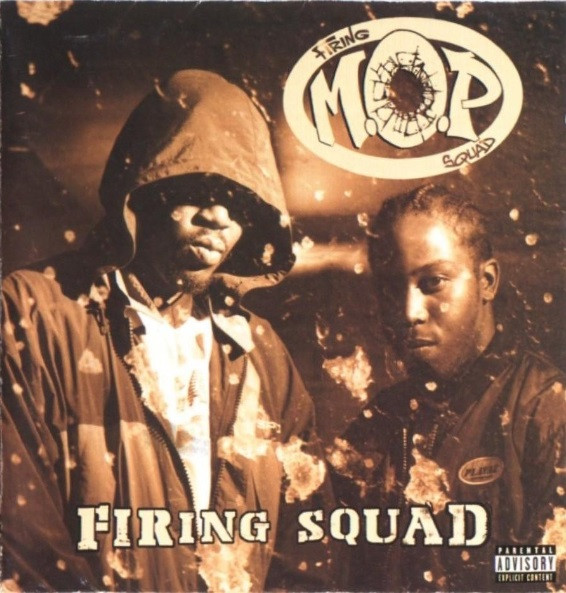
M.O.P. – Firing Squad (October 22, 1996)

Hailing from Brownsville, Brooklyn, M.O.P. is the hip-hop duo made up of Lil’ Fame and Billy Danze. They will probably always be remembered for their lively adrenaline fueled 2000 hit single, “Ante Up,” that I’m sure has been the muse for several beat downs and bullet wounds at countless parties through the years. But long before “Ante Up,” the Mash Out Posse was mashin’ out rappers and rivals on records. They released their debut single, “How About Some Hardcore,” in 1993, setting up their debut album, To The Death, released on Select Records in 1994. I think it’s safe to say To The Death wasn’t wildly successful, but it did establish a solid fanbase for the energetic duo. They would eventually leave Select, signing with Relativity Records and releasing their sophomore effort, Firing Squad in 1996.

On To The Death, M.O.P. would rely on their unsung Brownsville bredrin, DR Period to sculpt the album’s sound (the architect of the “Ante Up” instrumental was also credited with producing all but one of the tracks on To The Death). DR Period would be completely absence from Firing Squad, as DJ Premier would be responsible for about a third of the album’s tracks, with Jaz-O, Laze E Laze and M.O.P. producing the bulk of the rest. Firing Squad didn’t make a lot of noise on the charts or move a ton of units, but it did receive mostly positive reviews.

This write up marks my first time listening to Firing Squad, but I’m pretty sure I know what I’m about to experience.

Intro – Though he’s not credited for it in the liner notes, the sharp soundbites, the crisp cuts on the one and twos, and the dope xylophone loop on this Intro are clearly brought to you by the mind and hands of DJ Premier.

Firing Squad (Skit) – Over laxed drums and a drowsy bass line, some poor sap is found guilty of unspecified crimes against the home team (aka M.O.P.) and sentenced to death by firing squad; meaning they’re going to surround said sap and literally shoot the shit out of him. The last fifteen seconds of this skit find the guilty party getting lit up like a Christmas tree. Season’s Greetings!

Firing Squad – Billy and Fame come out the gates lively with guns blazing and ready for war, as Fame reminds all would be competitors that “we can bust raps or bust caps,” then later threatens to “turn a rap cipher into a muthafuckin’ homicide.” Their guest, Teflon, joins in on the bustin’ and does a decent job matching the high energy of his gracious hosts. Teflon’s mention of Saratoga Ave immediately made me think of another Brownsville bomber, Smoothe Da Hustler, and how dope it would have been to hear him get off a verse next to Billy and Fame. But no cigar. Premo, who has an uncanny knack for flippin’ the illest jazz piano loops and turning them into the perfect thugged out concertos, does it again with this one, as all parties involved help get things off to a great start.

New Jack City – Premo builds this dark marvel of a boom bap beat around a pensive xylophone loop that Fame and Billy use to address the then current new school of rappers: (Billy Danze) “Yo, what the fuck is the deal? Here comes a new generation of rap dudes (with fake attitudes!), that refuse to play by the rules, it’s a shame, how they be dissin’ the game, they fantasize, then go to the studio and tell lies… (Firing Squad!) still firing, fuckin’ with old timers with llamas, ready to come out of retirement.” This shit was hard.

Stick To Ya Gunz – Premo provides yet another riveting banger for M.O.P. to brutalize with their thug raps, as they invite the legendary Kool G. Rap to join in on their hardcore shenanigans. I’ve mentioned before that I was never really a fan of the mafioso rapper that G. Rap morphed into during the mid-nineties, but all his murderous gun talk and punchlines actually sound pretty entertaining in context with Billy and Fame’s violent antics.

Anticipation – M.O.P. (with a co-credit going to Laze E Laze) get their first production credit of the night with this one. They build the backdrop around a cool organ loop and spit more overly violent raps, looking to, as Billy Danze so viciously puts it, “kill a whole heap of you muthafuckas.”

Born 2 Kill – Fame and Billy exchange violent gun tales, leaving Jaz-O’s laidback jazzy instrumental completely blood stained.

Brownsville – Premo returns to the boards, this time concocting some unsettling grimy shit with an ill harp loop that he brings in in between the verses. Fame and Danze use Prem’s gully production to describe their Brooklyn neighborhood (Brownsville) as a modern day Wild Wild West: (Lil’ Fame) “Brownsville, the place where crews seem the livest, cops get knocked down, body counts only rising, them streets look – raw to ya, villains look – poor to ya, them niggas will – slaughter ya, for your goose Nautica, you got jewels? Stash ‘em son, ‘cause there’s a thousand niggas broke, and we all got guns.” It doesn’t sound like a great place to raise a family, but it makes for a fairly entertaining record.

Salute – Fame and Danze stomp out and shoot up Premo’s slick swing groove with high-powered hardcore raps.

World Famous – Years before Scarface would rap over a loop of Donny Hathaway’s “Be Real Black For Me,” Jaz-O would turn it into a soulful bop for M.O.P. to celebrate themselves over. I can’t help but wonder how often these dudes’ voices go hoarse.

Downtown Swinga (’96) – I’m pretty sure this was the only track I was familiar with going into this write-up. Premo gets his last production credit of the evening, as he builds this one around an irresistible loop that straddles the line between rugged and smooth. Per usual, Billy and Fame are all fired up ready to buck shots and bust some heads as they rep for their Brownsville hood.

Lifestyles Of A Ghetto Child – Jaz creates a somberly reflective mood with this beautiful backdrop that our hosts use to spew more gun bustin’ street tales.

Revolution – This is a five-and-a-half-minute mid-tempo funk instrumental with a male voice repeatedly claiming, “Revolution is here” and then asking all brothers and sisters if they’re ready for this unidentified change. I could have done without it, but it makes for great freestyle practice. I caught a few zones over it in the last few weeks.

Illside Of Town – This pretty much covers the same territory as “Brownsville.” Sub out Premo’s grimy boom bap, put in Laze E Laze and M.O.P.’s soulful bop to back it.

Nothin’ 2 Lose – Decent filler.

Dedication – This interlude pays respect to the late mothers of both Lil’ Fame and Billy Danze, with some help from a couple of clips from Premo and the legendary New York radio duo, Stretch & Bobbito.

Dead & Gone – This one begins with what sounds like a preacher preaching a eulogy, before the Staples Singers’ “Let’s Do It Again” assisted instrumental comes in and Fame and Billy reflect on their deceased loved ones and contemplate their own mortality: (Lil’ Fame) “Yo, the whole scenery is packed in, people dressed in black and, the whole place is flooded with tears, I’m surrounded by my peers, there I lay, day after day, has been a struggle for the man, but when I’m put six feet under, will my son understand?” The Mash Out boys actually censor their curses on this one (which I’m sure had everything to do with the sample clearance) and invite the R&B quartet, Battle to bring the church choir vibes as they sing the mournful hook. This is a decent record and a nice change of pace from all the hardcore beat ‘em up, shoot ‘em rah-rah we’ve gotten during the rest of the album.

Born 2 Kill (Jazz Mix) – Same as the O.G. mix, just with some ladies adding a “murder” melody and a male voice chanting “homicide” on the hook, giving Fame and Billy’s gun tales an extra bloody flavor.

I don’t think anyone would consider Lil’ Fame or Billy Danze to be a great lyricist, but on Firing Squad the duo’s chemistry, thug swagger and bully raps, delivered with enough vigor and energy to justify a Red Bull endorsement deal, make them a force to be reckoned with. Maybe even more impressive than M.O.P.’s hardcore synergy is the production on Firing Squad. DJ Premier leads the charge and sets the tone with his masterful boom bap slaps, and even the songs he’s not responsible for are backed by quality instrumentals. Yes, M.O.P.’s bully raps get redundant by the midway point and at eighteen tracks the album’s a little long in the tooth (you could easily shave four to five songs off Firing Squad and they wouldn’t be missed), but there’s still enough dope material on Firing Squad to make for an enjoyable listen and a solid sophomore album from the Brownsville Bombers.

I’m sure it took at least six months for M.O.P.’s feet, fists, trigger fingers, and vocal cords to fully recover after the album’s recording sessions.

-Deedub

Posted in Uncategorized | 4 Comments

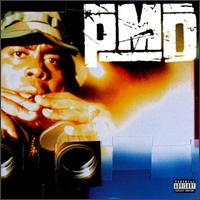
PMD – Bu$ine$$ Is Bu$ine$$ (October 22, 1996)

After releasing four consecutive critically acclaimed gold selling albums and cementing their hip-hop legacy, In 1993, EPMD decided to go their separate ways do to…we’ll just call it a bunch of fuckery (feel free to click here and get more details on said fuckery). Both Erick Sermon and Parrish Smith would pursue solo careers after the break-up. The Green-eyed bandit would strike first with his 1993 solo debut, No Pressure and Parrish aka PMD, sticking with the EPMD “Business” themed album titles, would release his in ‘94, subliminally titled Shade Business. Shade Business was nothing short of mediocre, plagued by PMD’s erratic beat selection and his less than impressive experimental slo-flow. Needless to say, Shade Business was a commercial failure and RCA would sever ties with P, but he would soon rebound, landing at Relativity/Epic, where he would release his sophomore solo effort, Bu$ine$$ Is Bu$ine$$ in 1996.

For Bu$ine$$ Is Bu$ine$$, PMD would focus strictly on the rhymes and leave the production in the hands of a few of his associates (including DJ Scratch, Charlie Marotta, Solid Scheme and 8-Off aka Agallah). Bu$ine$$ Is Bu$ine$$ would render two charting singles and barely cracked the Billboard Top 200, peaking at 180. Thankfully, P and Erick would patch things up and get back to business (no pun intended) the following year, releasing their fifth group album, aptly titled, Back In Business.

Though my memory keeps telling me the last secular hip-hop album I bought before my hip-hop sabbatical was Biggie’s Life After Death in 1997, the deeper I get into ‘96 I’m realizing I was slowly beginning my sabbatical well before March of ‘97. Bu$ine$$ is yet another album that I bought over a decade after its release and have never listened to before this write-up. So, let’s see if P learned from the mistakes he made on his previous business venture.

Intro – The first thing you hear on Bu$ine$$ is the same helicopter sample that EPMD’s “It’s My Thing” began with. Then a hard menacing instrumental clip plays with a bunch of vocals soundbites placed over it to welcome PMD back and introduce the album.

Bu$ine$$ I$ Bu$ine$$ – This one opens with P and his homie complaining about the current state of hip-hop (boy, they’d be really pissed about where the genre is today), while a snippet from hip-hop’s favorite movie, Scarface, plays in the background (this song is actually laced full of different Scarface snippets). Then 8-Off drops menacing cinematic musical stabs over steady drums and P’s homie returns to get off an energetic refrain warning any would be competitors that PMD is not to be fucked with. 8-Off’s menacing stabs seamlessly transform into a muffled melody during P’s verses, and it was nice to hear him abandon the annoying stuttering slo-flow that he bombarded us with on Shade Business.

Leave Your Style Cramped – Maybe I spoke too soon. P resurrects his slo-flow for this one, as he spits two sleepy verses and sounds like a man desperately in need of a cup of coffee. Speaking of sleepy, the combination of P’s flow and Charlie Marotta’s drab and dull instrumental nearly knocked me right out.

Rugged-N-Raw – This was the lead single from Bu$ine$$. 8-Off slides P a monster track driven by a magnificently spooky church choir loop and an eerily muddled bass line that finds a jaded but still resilient PMD in “woe is me against the world” mode: “You ask for P, I’m missionin’ to get richin’, lost my other half but I still got my fishermen, hat, it ain’t over ‘til the fat, chicken head cat, wreck, snap that bitch neck, I show and prove, niggas better move slowly, to P the mic doc, the microphone’s my only, friend, can’t even trust nobody, cause next thing you know I’m fuckin’ bustin’ somebody, my shadow got my back and that’s the way it goes, keep my eyes out for foes, and remain on my tippy toes.” P’s hurt and pain has him sounding motivated, as he gets off some of his best bars of the evening on this undeniable banger.

What Cha Gonna Do – Solid Scheme builds this instrumental around a pensive piano loop and quiet drums, and P invites his Hit Squad bredrin, Das EFX to join him on the mic, as the three emcees share a message about the importance of standing on your own and making sound decisions. It’s rare to hear PMD or Das kick knowledge on a record, but they do a serviceable job with the subject at hand.

Never Watered Down – P invites Nocturnal (not to be confused with the Long Beach emcee, Knoc-turn’al) to join him on this duet, as the two emcees exchange bars. Nocturnal, who vaguely reminds me of a sedated Redman, outshines his gracious host (which I think was by design), while 8-Off does it again, this time constructing a dark and desolate gem that both emcees sound right at home rhyming over.

It’s The Pee – This was the second single released from Bu$ine$$. P continues to spew half-hearted boastful bars that mostly fall flat, but I enjoyed Solid Scheme’s regal sounding semi-melancholic instrumental.

Kool Kat – PMD uses Charlie Marotta’s silky-smooth instrumental to practice his story telling skills. After a random first verse, the storyline gets interesting when P introduces a mysterious, sexy, long- haired “Spanish” (aka Latino) steel-packing honey named Jane Doe, which is a cute reference to the infamous female character from the “Jane” EPMD song series (“I said, ‘What’s your name?’ she said ‘Jane Doe’ Oh no, had a flashback when I was running with my man, yo.”). Things peak during the third verse, which ends with Jane Doe cornering P in an elevator and seductively sticking her finger in her G-string, while she licks her lips (yummy), then the fourth and final verse begins and completely fails to give details on what transpired in the elevator, as the song ends with the peculiar vixen giving P some random advice about guns, money, warriors and swords, before she vanishes into thin air. WTF?

Interlude – This interlude sets up the next song…

It’s The Ones – Fabian Hamilton blesses PMD with a fire backdrop that he uses to address foes that pose as friends, and I can’t help but assume that Mr. Sermon was the muse for this record. P doesn’t come alone, as M.O.P. jumps on the track and spices things up with energetic threats of bodily harm to anyone that abuses the loyalty of their family. This was hard.

Nuttin’ Move – Das EFX returns on this joint, which starts out sounding like it’s only going to feature the duo on the mic, then P shows up mid song to get off a couple of bars. It’s not a great record, but it makes for decent filler material.

I’m A B-Boy – A weary sounding PMD uses this soulfully somber DJ Scratch production to pledge his allegiance to B-Boyism: “I don’t play, I don’t drink the Alize, I’ll stay a B-boy until they take my fuckin’ mic away.” Scratch adds a dope Sticky Fingaz soundbite for the hook and the emotional tickling of the keys at the end of the record sounds absolutely amazing.

Rugged-N-Raw – Even though it’s not spelled out in the song title, this is technically a remix. P brings back the same instrumental from the O.G. mix and invites Das EFX to jump on the track with him. I didn’t necessarily need this remix, but the diggity duo bring a little extra seasoning to the fire instrumental. But you can’t still claim “the microphone is my only friend” when you have guests rhyming next to you, P.

After four critically acclaimed gold selling albums with EPMD, I’m sure the dismal sales and negative criticism of his lackluster debut solo album, Shade Business, affected PMD, causing him to re-evaluate his approach to the music. One of the major adjustments he would make with Bu$ine$$ Is Bu$ine$$ would be completely removing himself from production duties and solely focusing on his rhymes. As a result, his recruited production team craft a cohesively dark and moody musical scheme, and I enjoyed the gloom. PMD also abandons his stuttering slo-flow that he first introduced on “Scratch Bring It Back Part 2 (Mic Doc)” off the Business Never Personal album and carried into Shade Business. But even with a more conventional rhyming style and delivery, P sounds like a shell of the emcee we came to know and love during the first EPMD stent, as most of the album finds the Brentwood emcee sounding unmotivated and spewing uninspired rhymes.

Bu$ine$$ Is Bu$ine$$ is a vast improvement and a much more enjoyable listen than Shade Business, but still a far cry from the quality brand of hip-hop we came to expect from the EPMD version of Parrish Smith. On his next solo venture, Parrish would leave the business themed titles alone and call it The Awakening (I bought a used copy a few years back and God willing, I’ll get around to dissecting that album someday). Hopefully, the title’s an indication that P would finally awaken from all this monkey business and get back to serious business on the microphone.

-Deedub

Posted in Uncategorized | 3 Comments

Westside Connection – Bow Down (October 22, 1996)

Since the eighties, it’s been commonplace in hip-hop for rappers to link up with one another and make cameos on each other’s songs and projects. The cameo appearance or posse cut is a great way to break up the monotony of hearing the same voice over the course of an entire album. It also allows the listener a chance to discover new artists and/or hear some of their favorite artists matched up together on the same track. Some artists have found such great chemistry working together on these types of records that they decide to take things a step further and form supergroups. Through the years we’ve seen several supergroups at work with varying degrees of success: The Firm, HRSMN, Golden State Warriors, Crooklyn Dodgers, Black Star, Red & Meth, Watch The Throne, Run The Jewels, Slaughterhouse, and even the newly formed supergroup, Mt. Westmore. But when discussing the most influential and commercially successful supergroups of all-time, Westside Connection has to be in the conversation.

The first time I heard Ice Cube, W.C. and Cube’s mentee, Mack 10 rhyming together was on “West Up” from W.C. & The Maad Circle’s 1995 album, Curb Servin’, where Dub and Mack just seemed to be representing the West Coast, but you could taste the East Coast spite in Cube’s bars. The same year the threesome linked up for “Westside Slaughterhouse” from Mack 10’s self-titled debut album, and all three of the So-Cal emcees sounded like they had East Coast malice. Ice Cube would infamously diss Common on that record in retaliation for “I Used To Love H.E.R.,” which Cube felt was taking shots at the West Coast, and rightfully so. Common would respond with the highly underrated diss record, “The Bitch In Yoo,” and the East/West feud would continue to grow. In the meantime, Cube, Dub-C and Mack 10 would continue to build on their chemistry, officially forming Westside Connection and releasing their debut group effort, Bow Down at the tail end of 1996.

Bow Down would feature production from Ice Cube and QDIII, but the bulk of its sound would be crafted by a couple of newcomers, Bud’da and Binky. The album would go on to produce two Billboard charting singles, climb to number two on the Billboard Top 200, and it would reach platinum status less than six months after its release.

I didn’t buy Bow Down when it came out back in the day. A few months ago, I bought a CD copy on eBay as I thought it would be an important (or at least intriguing) piece to listen to from 1996. Although this is my first time listening to Bow Down in its entirety, I do remember the singles, and based on those songs, I’m anticipating a whole bunch of crip walkin and the throwin’ up of dubs.

World DominationBow Down opens with the Australian born actor, Jonathan Hyde (who you may remember for his roles in movies like Jumanji, Titanic, The Mummy and starring in Anaconda, alongside the scrumptious Jennifer Lopez and Ice Cube) elaborating on who the Westside Connection is and their mission, all delivered in his regal accent and voice, while dark ominous music plays behind him.

Bow Down – WSC starts the night off with the title track that was also the lead single. Cube, Mack 10 and Dub C each spit a verse, as they collectively rep for the West, boast about their gangsta lifestyles and demand that everyone bow down and show reverence; or as Dub-C so hoodly puts it: “All y’all can kiss my Converse like Sho’Nuff.” All three emcees get off decent verses and the hook was solid, but Bud’da’s instrumental sounds a little too soft to back up all of the Connect gang’s tough talk.

Gangstas Make The World Go Round – This was the second single released from Bow Down. Not to be confused with MC Eiht’s “Niggaz Make The Hood Go Round,” Cube (with a co-credit going to Cedric Samson) builds this instrumental around an interpolation of The Stylistics classic single, “People Make The World Go Round,” which was also interpolated on Eiht’s record. As I’m sure you figured out based on the song title, WSC continues their celebration of the West Coast gangsta lifestyle, and surprisingly, Mack 10 out raps his comrades on this one. He sounds unusually slick as he spits: “Three-sixty degrees, like my D’s the world be spinnin’, niggas been sinnin’, since the beginnin’, history’s a trip so I peep when I’m readin’, niggas probably grew weed in the garden of Eden, before big ballin’, sex, cars and loot, it’s like bitches been scandalous bitin’ forbidden fruit,” and later in his verse he gets off my favorite line: “I gave up sports to slang ki’s but blamed it on my knees.” An uncredited male vocalist sprinkles falsetto notes on the hook, adding the cherry on top of this smooth gangsta anthem.

All The Critics In New York – After a short skit, a fed up and offended Ice Cube has a few words for New York hip-hoppers. Then Binky drops a synth-heavy banger that’s guaranteed to have you c-walkin’ and twistin’ your fingers into W’s. Our hosts then take aim at New York journalists and critics (basically The Source and Vibe Magazine) calling them out for what they feel is biased critique: (Ice Cube) “Fuck all the critics in the N-Y-C, and your articles tryna rate my LP…I gotta pocket full of green bustin’ at the seams, fuck your baggy jeans, fuck your magazines.” Between the three of them, Westside Connect gets off a plethora of wise cracks and sharp disses, mostly aimed at New York-based hip-hop journalists and publications, but a couple of artists from hip-hop’s Mecca catch strays as well (Dub C dissin’ Doug E. Fresh’s “I-Ight” record was one of my personal favs). Binky weaves a jazzy horn loop into a portion of the instrumental that sounds like his way of making the music wag its tongue at the dusty jazz loops that were so prevalent in the sound of East Coast hip-hop during the nineties. This was dope.

Do You Like Criminals? – Westside Connect keeps the bangers coming. Bud’da gets his second production credit of the evening as he serves Cube, Dub, Mack, and their guest, K-Dee, an incredible G-funk groove that the foursome use to ask the ladies what kind of guys they’re into. Or specifically, if they like criminals: (Ice Cube) “How would you like to get a rough nigga rugged and raw, outlaw rollin’ down the Shaw, do you want a muthafucka that’s hard, or a bitch-made nigga cute as El DeBarge? Do you like Negroes? Him and those individuals, called criminals? How’d you figure a West Coast nigga, drinkin’ liquor, gotsta know how to dick ya.” Mack-10 and K-Dee keep their content pretty light-hearted, but Dub-C takes the “bad boy criminal” shit too far as he threatens to give a chick an eye jammy for rejecting his advances (“Bitch you best be glad I got three strikes, because back in ’85, I’d been done gave your ass a black eye”). Despite Dub-C’s ridiculousness (which I’ll chalk up to him joking), this was enjoyable in a guilty pleasure kind of way.

Gangstas Don’t Dance (Insert) – A super short interlude that Cube uses to let you know what gangstas do on the dance floor and he reminds you all to bring your…cookies?

The Gangsta, The Killa And The Dope Dealer – Cube assumes the role of the gangsta, Dub C’s the killa, and Mack 10’s the dope dealer. Bud’da slides the threesome a dark twangy backdrop with an eerie howl that falls somewhere in between a gangbanger’s and wolf’s call to action. This isn’t one of the album’s standout tracks, but it’s still decent.

Cross ‘Em Out And Put A ‘K – I’ve never heard of this Bud’da guy before listening to Bow Down, but I have to admit, this dude’s got some heat and this one might be his most fire instrumental of the evening. Over angry synth stabs and a furious bass line, Cube, Mack 10 and Dub C load the clips and let loose on all opposition, and for the first time on the album, they call out a few of their adversaries by name. Cube and Mack 10 fire direct shots at Cypress Hill (who you may remember dissed Ice Cube on “No Rest For The Wicked” from Temples Of Boom for what they felt was thievery of their hook) and Dub C does a drive-by on, of all people, Q-Tip. Well, it’s not really a drive-by, as he claims to kidnap Tip, puts an apple in his mouth before sodomizing him, then murders him and leaves his body in a garbage bag with a cucumber stuck in his ass for good measure (Tribe Degrees of Separation: check). Even though the lead emcee of my favorite group of all-time was a target, I found this one highly entertaining.

King Of The Hill – Dub C sits this one out and let’s Cube and Mack 10 finish the job they started on the previous track, as the duo dedicate the entire song to Cypress Hill. Over a decent QDIII production, Cube’s in “No Vaseline” form (which he also suggests that Cypress go listen to before they address him on record again), delivering quality blows and hi-larious punchlines (the “B-Real soundin’ like he got baby nuts” bit was hysterical), while Mack 10 proves to be a decent accomplice.

3 Time Felons – Our hosts use this one to brag and boast about the criminal lifestyle and being decorated felons (Cube claims that Westside Connect, collectively, has “eleven strikes” between the three of them). I didn’t necessarily care much for their content, but the hook is catchy, and I really like Bud’da’s slick G-funk slap, punctuated by an audacious buzzing synth clip that sounds like the audio equivalent of mashing on the gas in a six-fo’ just to peel out so the fumes and exhaust can blow fiercely in the face of your haters and naysayers as they stand on the curb.

Westward Ho – QDIII gets his second and final production credit of the evening, providing a smooth seductive synth groove for WSC to spit some good old fashion misogyny over. Of course, this record is filled with an overabundance of bitches, hoes and objectification, but there’s also some romantic moments, like when Ice Cube fantasies about running his “trigger finger all through her extensions” and buying he and his lady “his and her nines.” But it’s Dub-C who gets off the best bars of the song as he describes his dream woman: a 5’10”, two-hundred-and-twenty-pound chick with thigh and c-section scarring, tattoos, stretch marks, and a few bullet wounds. Ya’ll laughing, but I wouldn’t mind meeting this sexy beast in the flesh.

The Pledge (Insert) – WSC remixes and puts a gangsta twist on The Pledge of Allegiance.

Hoo-Bangin’ (WSCG Style) – Westside Connect Gang is in full effect, as K-Dee, Tha Comrades and All Frum Tha l join Cube, Mack 10 and Dub-C for this album ending cipher session. Cube takes another feeble swipe at Common (“I’m bombin’, on Common Sense, Chicago is mine, nigga hit the fence”), but it’s a swing at the wind compared to the missile Common launched at Cube in the form of “The Bitch In Yoo.” Along with Cube’s underwhelming instrumental, none of the parties involved on this one impress, ending Bow Down on a low note.

Bow Down finds a butt hurt Ice Cube all the way pissed off and offended by the disrespect he felt the East Coast (and Common) were showing to West Coast hip-hop, specifically the gangsta sub-genre that he and his N.W.A. bredrin helped pioneer and make commercially successful in the late eighties. By 1996, Cube’s street cred was in shambles (as Common so poignantly pointed out on “The Bitch In Yoo,” Cube went from “gangsta, to Muslim, to the dick of Das EFX,” within the span of five years), so it made perfect sense for the Amerikkka’s Most Wanted rapper to recruit a couple of his comrades with legitimate gangsta backgrounds to accompany him on an East Coast hoo-ride, while proudly waiving the Westside banner.

Over the course of Bow Down’s thirteen tracks, Westside Connection defends its coast, declares war, and verbally assaults anything and anyone even remotely associated with East Coast hip-hop, while brashly flaunting and promoting the criminal/gangbangin’ lifestyle; and of course, they had to sprinkle a little misogyny into the mix. Bow Down’s tracks are scored with synth-heavy G-Funkish production (a few of them are incredible bangers), which makes perfect sense for this West Coast celebration and serves as the perfect accomplice to WSC’s verbal drive-bys. There are a few dull and unnecessary moments on Bow Down, but the majority of it (evoking my west coast slang) sounds hella dope.

In the mist of firing shots and making violent threats on “All The Critics In New York,” Cube pauses for a second and says, “I hope blood ain’t got to spill.” Unfortunately, as the frivolous coastal feud continued, both coast’s biggest stars, 2pac and Biggie, would lose their lives. I’m sure Westside Connection had nothing directly to do with either of their murders, but it could be argued that some of Bow Down’s content helped water the seeds of hate that led to their tragic deaths. So, while Bow Down is indeed an entertaining listen, the violent events that followed what some of its content perpetuated will forever loom over it.

-Deedub

Posted in Uncategorized | 3 Comments

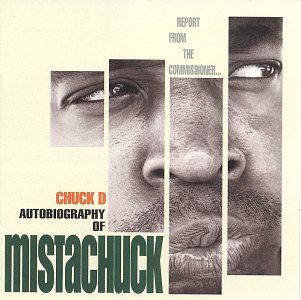
Chuck D – Autobiography Of MistaChuck (October 22. 1996)

From 1987 until 1991, Public Enemy was arguably the biggest and most respected group in all of hip-hop. Led by the booming voice of Chuck D and his politically charged conscious themes, along with a muted deejay (Terminator X), a steppin’ Black army (The S1Ws), and the resident court jester and yin to Chuck’s yang, Flavor Flav, the Long Island collective were able to touch the masses with their music, obtaining tons of commercial success (their first five albums all sold gold or better), while never compromising their Black militant stance. But like all good things, PE’s reign on top begin to come to a close after their dismal 1994 release, Muse Sick-N-Hour Mess Age, which still earned PE a gold plaque, but it was clearly subpar for PE standards, and both the streets and critics would attest to that. PE would take a five-year break after Muse Sick, but during their hiatus, Chuck D would start his solo career, releasing his debut solo album on Mercury Records, The Autobiography Of Mistachuck.

Chuck D would handle most of the production duties on Mistachuck (rightfully so based on the album title) with a slew of co-production credits handed out, including a few going to some of his old Bomb Squad bredrin. Chuck would release one single from Mistachuck (though I’ve never heard it before) and the album would be the first Chuck D involved project to fail commercially.

To be honest, I didn’t even know Mistachuck existed until about seven or so years ago when I found a copy staring at me as I shuffled through the used CD bins at one of my favorite record stores. Yet again, another album that I haven’t listened to since I bought it and will be experiencing it with you all for the first time. The further we get into ‘96 and begin 1997, I’m sure this scenario will be a reoccurring theme.

Mistachuck – The album opens with a clip from the Spike Lee Joint, Clockers, where a few brothers are debating whether Chuck D is dope or not, and one of the guys (played by Fredro Starr from Onyx) emphatically thinks Chuck sucks as a rapper and goes as far as to call him a bitch ass nigga. Then after a few adlibs from our host, a diabolical soulful groove drops and Chuck addresses his haters, boasts about his frugalness (“I don’t care for Range Rovers, cause the price is too high and I feel ‘em gettin’ over”), and humbly reminds us that his track “record speaks for itself.” I like the sonically big energy of the track (the futuristic laser beam like breaks in between the second and third verses are sick) and “the voice that got muscles in it” actually sounds nice rhyming over this soulful dish.

No – Chuck sticks with the soulful vibes from the previous track, as he and Mark “Mr. Elite” Harrison cook up a mid-tempo bop that he uses to list all the things the world would be a better place without (which in his opinion includes the whole DeBarge family…damn, Chuck). I like the instrumental, but Chuck’s flow sounds a little disjointed, and his bars were underwhelming.

Generation Wrekkked – Chuck continues to defend his name and legacy on this one: “Now I’m the one who flew over the Cuckoo’s nest and tested, and wasn’t ever bulletproof vested, resurrection of the one-man vocal section, spirit in your dark ass direction, for your mind, body and soul protection.” I like Chuck’s refrain (“If I can’t change the people around me, I change the people around me,” which would later become the title for one of his solo albums) and the stripped-down James Brown-esque break beat paired with Kyle “Ice” Jason’s very Curtis Mayfield influenced hook was decent, but Chuck once again sounds uncomfortable rhyming over this beat.

Niggativity…Do I Dare Disturb The Universe? – Chuck definitely sounds more comfy rhyming on this unnerving and scarce backdrop that finds him declaring “The rhyme animal has resurfaced, wreckin’ all elements, destroyin’ all irrelevance,” as he uses the next three verses to awaken his people from their mental slumber. This one end with a snippet of the Flip Squad (not to be confused with Busta Rhymes’ Flip Mode Squad, the Flip Squad, comprised of K.K. Holiday, Bootleg and Lady Gi, hosted the 6-10pm drive time show for the pioneering Atlanta Hip-hop station, 97.5 FM) showing love to Chuck D and the album.

Free Big Willie – Chuck and ‘em loop up a little Isley Brothers to create this soulful set that finds our legendary host, still very confident but a little salty (a portion of the hook says: “Although I’m feelin’ alright, it’s feelin’ funny feeling left out”), and the salt has seeped in his wounds enough to once again make him address his naysayers and defend his legacy: “Got more hits then Pete Rose when he played for the Reds, now they be on anything Deion intercepts…Back like Rock ‘Em Sock ‘Em Robots, who forgot it was him, who parlayed the styles of KRS and Rakim, and brought it to different level, against the so-called devil, who had the nerve to throw a bell curve and test me, arrest me.” Talk your shit, Chuck.

Horizontal Heroin – Whatever rift Professor Griff (bars!) and Chuck D had after Griff left Public Enemy (or got kicked out) was apparently squashed by 1996, as he stars on this track and gets off a conscious spoken word poem.

Talk Show Created The Fool – Some off y’all might be too young to remember, but years before Reality TV shows (which in reality are just as fictional as scripted TV shows) took over television programming, there was a time when salacious daytime talk shows were all the rave. Over a drearily moody backdrop, Chuck and his guests, Abnormal (who’s also credit for the instrumental) and C. Brewser call out talk show hosts that they feel were exploiting people (shoutout to Jenny Jones, Ricki Lake and Montel Williams) and reprimand the clowns who go on these shows seeking fifteen minutes of fame. An uncredited male vocalist does his best Curtis Mayfield impersonation on the hook (I don’t think it’s Mr. Jason from “Generation Wrekkked,” though) and the sarcastic refrain (“laziness is in the house, slobs with no jobs is in the house”) is hi-larious. The song is followed by another Flip Squad skit, where Da Brat makes a brief appearance.

Underdog – Over a gray understatedly jazzy backdrop, Chuck goes from once being hip-hop royalty to assuming the role of an elder statesman underdog with his back against the wall, defending his rep but still feeding us thought food: “Ashes to ashes, blunts to blunts, some of these G’s ain’t real, I seen ‘em once, upon a time, so many rhymers and not enough rhymes, I hope they around next year, but I fear, I’m all-time, and I’m down for the roughness, but what good is a rhyme without substance?” By the way, I think French Montana got his signature “Hah” adlib from the intro of this song.

But Can You Kill The Nigger In You? – This one starts with a movie snippet of a couple of white men talking about the difference between indentured bond servants and Black slaves, before the song starts and in his own pessimistic roundabout way, Mr. Chuck calls for Black unity in the community. The legendary Isaac Hayes (rip) pops in and adds a few words, notes and a little instrumentation to reinforce our host’s sentiments. Kudos for the uplifting message, but this wasn’t it.

Endonesia – Chuck introduces and invites a couple of guests to join him on this cipher session: B-Wyze and Dow Jonz (whose delivery vaguely reminds me of DMX). The trio take a break away from conscious content and get into some good old fashion boastful freestyles (which includes a clever verse from B-Wyze that references no less than twenty-one different movie titles). All though hes’ obviously isn’t our host’s strong point, and his guests rap circles around him, but Chuck’s hook and hard instrumental (with a co-credit going to Gerald “Soul G” Stevens) are the true star of this one. This is followed by another Flip Squad skit.

The Pride – Over more soulful instrumentation, Mr. Chuck reminisces about his childhood, recalling different Black historical figures, organizations and events that helped mold him into who he is today, because as he so simply puts it: “There is no IS without a WAS.” To hear Chuck D say he was in third grade when MLK was assassinated is stark reminder that the civil rights movement wasn’t that long ago. Time is truly, illmatic.

Paid – After one final Flip Squad skit, the last song of the evening features more guest cameos, as Mr. Chuck invites Kendu and Melquan to join him on this one. His guests (who sound like standard backpack rappers) must have missed the memo about the song’s concept, as they both spit random freestyles, while Chuck stays on task, advocating for rappers to get paid by the record companies for their music. Chuck’s bars were noble, but this record was completely unnecessary. If you stick around until the nine minute-twenty second mark (or fast forward to it) you can hear Chuck get off what he calls “The Ten Resentments of the Industry” delivered in two different demonically distorted voices over the most lazy and random organ chords, which added absolutely nothing to the album.

The album title would lead you to believe that Chuck D is going to open up and get personal, sharing details about his upbringing and getting vulnerable about different parts of his life. Chuck does briefly touch on his childhood and some of the events that shaped and molded him (i.e., “The Pride”), but most of Autobiography Of Mistachuck finds our host rapping with a newfound chip on his shoulder, forged by Father Time and the natural changing of the guard that comes with a new crop of rappers and hip-hop fans.

Mistachuck is definitely the most we’ve ever heard Chuck D participate in boasting, as that chip has him defending himself and reminding listeners of his cemented legacy. But don’t get it twisted. Mr. P.E. also shows up and serves a healthy portion of substance and consciousness. Chuck does struggle to find his pocket on a few tracks, and a few of the songs toward the end of the album could have been scrapped, but overall, Chuck does a solid job navigating the more simplified soulful stripped-down batch of beats than the busier production scheme we’ve grown accustomed to hearing him rhyme over during the prime P.E. years. Proof that you can teach an old dog new tricks.

The last Public Enemy album I listened to was Muse Sick, but over the past ten years, I’ve collected most of the latter side of PE’s catalog. God willing, I’ll get to thoroughly listen to them all someday. Hopefully, Mistachuck is an indication that Chuck and the crew would refocus and at minimum, churn out decent material on those projects. Stay tuned…

-Deedub

Posted in Uncategorized | 4 Comments

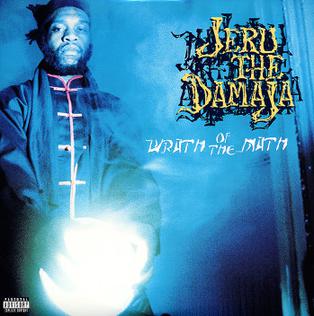
Jeru The Damaja – Wrath Of The Math (October 15, 1996)

After making a few impactful cameos on a couple of Gang Starr records, The Gang Starr Foundation member, Jeru The Damaja would sign a solo deal with Payday Records and in 1994 released his debut album, The Sun Rises In The East. Fueled by its monster first single that paired Jeru’s articulately conscious battle rhymes with Premo’s abstract banger (which is absolutely one of the greatest hip-hop beats of all-time), The Sun Rises received pounds of praise, and many considered the Jeru/DJ Premier collab effort to be a classic album, and I’m not mad at that sentiment. After a two-year break, Jeru would return with his sophomore effort, Wrath Of The Math.

In Wrath’s liner notes, Jeru makes his vision for the album clear, as it reads: “This album was created to SAVE hip-hop and the minds of people who listen to it.” And Mr. Damaja obviously subscribes to the old adage of “If it ain’t broke don’t fix it,” as he once again tasks the legendary DJ Premier to exclusively sculpt the sound of the album. When you’re an emcee releasing an album with such a righteous motive during a time when gangsta/thug rap was dominating the genre and charts, the chances for commercial success were slim to none. Wrath would fall on the none side of the spectrum, but it did receive mostly positive reviews upon its release.

It’s been a hot minute since I last listened to Wrath but come on guys. Can you really make a bad album when arguably the greatest hip-hop producer of all-time is the maestro and your album cover is sky blue?

Wrath Of The Math – Jeru kicks things off with a lecture on the “mental attitude,” delivered in his Earl Ray Jonesish voice over an ominously dark loop and mid-tempo drums. I don’t agree with his philosophy on “mental attitude,” as it completely neglects the emotional aspect of things, but that’s a discussion for another day. Whether you agree with his theory or not, I think we all can agree that Jeru would make a great professor at somebody’s university. Preferably an HBCU.

Tha Frustrated Nigga – This was originally released on the Pump Ya Fist compilation album (the project that was “inspired by The Black Panthers,” but not to be confused with the Panther Soundtrack, which “coincidentally” was a movie about the Black Panthers that came out around the same time as the Pump Ya Fist project). Premo slices up and places what sounds like a weeping string (maybe a fiddle?) loop over a bouncy bass line and choppy drums and adds well-placed vocal snippets on the hook (I love the Richard Pryor one) to form the perfect soundscape for Jeru to share his perspective on America through the eyes of a frustrated nigga. Powerful and meaty way to start the evening.

Black Cowboys – Jeru follows up the conscious message from the previous song by firing back at the Fugees (who seemed to fire the first shot when Pras spat “No matter who you damage, you’re still a false prophet” on “Zealots” from The Score) and spits one of the illest opening lines of any battle record (“I heard some emcees wanna bring it, but a female is one of their strongest men, when I step to you don’t seek refuge, make it happen, fuck the rappin’”) and later gets off a hilarious rhyme aimed at Wyclef: “Once I met up with this Bandolero, why’d he make me bust him in his head with his banjo?” Premo’s slightly animated backdrop decorated with clever soundbites and a zany cartoonish gun sample, leads you to believe that whatever beef Jeru had with the Fugees wasn’t too serious.

Tha Bullshit – Jeru takes a jab at all the gangsta/mafioso/materialistic bullshit that started flooding hip-hop in the mid-nineties. Over Premo’s bright good-spirited piano loop driven instrumental, J shares his dream of being a drug dealing kingpin, selling death to his community, but living prosperous off his uncivilized lifestyle with glistening diamonds, bad hookers in bikinis, a million-dollar jet, a million-dollar yacht, a squad of killer bitches that all carry Uzis and a Rolls Royce to show for it. It all sounds amazing until rivals come after him with gunfire, abruptly awakening him from his dream…or should I call it a nightmare?

Whatever – I’ve always wondered who Jeru was talking about during the song’s intro where he says, “There’s a lotta muthafuckas out here with a style similar to mine, nowadays.” The first person to come to mind was Outloud from Blahzay Blahzay, but being they sampled Jeru’s voice on their biggest hit, “Danger” and J even appeared in the video, I’d assume the two Brooklyn emcees were cool and the biting accusation wasn’t aimed at the Blah’s front man. Then again, “Danger” did come out almost a full year before Wrath, so J and Outloud could have fell out in the in between time. For shits and giggles, we’ll assume Jeru was talking about Outloud and we’ll add Pras to give us two of the “a lotta’s” referenced in the song’s intro, but who were the rest accused of infiltrating the camp and claiming our host’s style? Anyhoo…Jeru uses Premo’s smoothly subdued slightly blunted track (built around the same Esther Phillips sample Q-Tip used for Mobb Deep’s “Give Up The Goods” from The Infamous album -Tribe Degrees of Separation: check) to flaunt his “strategically mathematical” style and verbally damage his imitators and rivals, and he sounds elegantly convincing in the process. I love the enthusiastic Onyx vocal sample on the hook and the “fuck ya mind up like Joe Jackson kids” line was superb.

Physical Stamina – In ‘94, Jeru and his apprentice, Afu-Ra displayed their “Mental Stamina.” This time around they’re bringing it to you physically. Premo mixes futuristic computerized sounds with rock-tinged-guitars to back the duo’s refined verbal assault. I’ll admit, back in the day I didn’t care for Premo’s instrumental, as it sounded like a bunch of clunky noise, but today the unorthodox groove sounds amazing. I still prefer Mental Stamina, though.

One Day – Prem builds this instrumental around an eerie classical violin loop that serves as the accomplice for Jeru’s “Who dunnit?” mystery. Reminiscent of Common’s classic, “I Used To Love H.E.R.,” Jeru paints hip-hop as a man who’s been kidnapped and he, Afu-Ra and Premo are on the case to bring him back home safely. The fellas do complete the mission, but Puffy, Suge Knight, Jay Black (who was Bad Boy’s head of Marketing & Promotions at the time) and Foxy Brown and her fake alligator boots, all catch shots along the way.

Revenge Of The Prophet (Part 5) – On The Sun Rises, Jeru introduced us to The Prophet, a superhero whose mission was to rid the world of his arch nemesis, Ignorance and his ignorant band of henchmen. Premo scores this episode with a pompous string loop over boom bap drums, as Jeru, I mean, The Prophet, is focused on bringing down Ignorance’s right-hand man, Tricknology and his flunky, Greedy Lou. Other than Greedy Lou dying early in the story and later randomly resurrecting, only for The Prophet to kill him again, Jeru’s storyline was pretty decent. I am curious when and where The Prophet episodes two through four were released, though.

Scientifical Madness – This one starts with a cool jazzy break that sounds like the perfect theme music for a nice evening pimp stroll. Then Premo drops an urgent sounding instrumental, while Jeru stands firmly on his soapbox, mainly addressing man intentionally and unintentionally tinkering with the natural scientifical order of things (i.e., the hole in the ozone layer, bioengineered mutated chickens, man-made diseases, chemical warfare/population control and artificial insemination), but he also touches on conspiracy theories and throws a few more jabs at all these superficial rappers running rampant. This is definitely one of my least favorite records on Wrath, but it’s still decent.

Not Tha Average – This is one of my personal favorite Jeru records. Our host, who can’t help but sound serious with a voice like his, gets as playful as you’ll hear him get, spinning three humorous stories about three different women (Yolanda, Tamika and Sabrina) who didn’t realize who they were fuckin’ with, literally and figuratively. Premo’s grimy instrumental is just as entertaining as Jeru’s rhymes. I’ve never heard a jazz piano loop sound so thuggish.

Me Or The Papes – This one kind of picks up where “Da Bichez” left off. Premo flips a beautiful twinkling jazz piano loop and Jeru comes off like a man in search of love, but his paranoia and frugalness are barriers that keep him from finding his true Queen. Honestly, calling Jeru frugal is being nice, this dude sounds like a certified cheapskate. He doesn’t even want to buy a drink at the bar for a woman he just had a nice conversation with; and just because a woman likes nice things and asks you what you do for a living doesn’t necessarily make her a gold digger. Oh, and Puffy catches another arbitrary shot on this one. I enjoyed hearing from jaded Jeru and seeing the usually guarded emcee show a little vulnerability was nice.

How I’m Livin’ – Premo pairs a seductive piano loop with a grumpy bass line that sounds like it was abruptly awaken from a deep sleep, as Jeru makes outlandish but entertaining boasts, like: being conceived in the center of an inferno, out running a jaguar, sleeping in a lion’s den and escaping without a scar, and having the uncanny ability to “Stroke all night and not bust a nut,” and honestly, I’m not sure if that last one’s a gift or a curse.

Too Perverted – Jeru must be one of the smartest and most articulate emcees to ever grace the mic. I mean, what other rapper do you know that would rhyme “Curse Caligula, but graceful like calligraphy”? Premo matches J’s lyrical dexterity with a bleakly blunted backdrop (tongue twist that!) that has a hypnotic quality, and it sounds even better while driving in the middle of the night in the middle of nowhere. I speak from experience.

Ya Playin’ Yaself – This was the lead single from Wrath. Jeru gets back on his soapbox to call out all the rappers who promote violence and drugs and worship money and materialism: “Now, I don’t push a Lex, others had their turn to flex, Jeru is up next, all these so-called players up in the rap game, got brothers on the corner selling cooked cocaine, it used to be Latoya and Jim hats, but now it’s Uzis, Macs and G-packs of crack, everybody’s psycho or some type of good fellow, but me I keep it real that’s on swine like Jello.” Jeru momentarily takes his foot off the necks of these “so-called players” and uses the second verse to address the ladies whom he thinks dress too promiscuous and hi-lariously instructs them to “put some clothes on that ass if you respect yourself.” Premo’s bouncy backdrop is guaranteed to keep you vibin’ while you listen to Jeru’s judgment and reprimanding.

Invasion – This one begins with a short skit that finds Jeru in a heated exchange with a couple of overly aggressive cops during a routine traffic stop that ends with Jeru speeding away and the cops firing shots at him. Then Premo showers the listener’s ears with a sweetly melodic boom bap groove that Jeru uses to examine the tumultuous relationship between young Black men and police, accented by a dope Nas snippet on the hook. This was originally released on The New Jersey Drive Vol. 2 Soundtrack in ‘95, but it works as a nice tacked on bonus joint. The album ends briefly revisiting the instrumental from the opening track.

On Wrath Of The Math, Jeru splits his time between two separate roles. By day, he’s a mild-mannered emcee out to proof that he’s lyrically nice, down for verbal pugilism and can bust your ass with well-articulated scientifical rhyme schemes. By night, he’s a Black superhero, protected with a breastplate of righteousness and armed with wisdom and knowledge of self, out to save hip-hop and the Black community from the clutches of ignorance. And Puffy.

Jeru plays both roles well, consistently spewing razor sharp bars full of consciousness and intellect, delivered in his Shakespearean-like cadence and authoritative vocal tone. And of course, Premo delivers on the production end, scoring Math with an ill batch of boom bap slaps that will keep your head bobbin’ while you revisit and dissect Jeru’s well-thought-out rhymes. Wrath’s content doesn’t expand beyond anything Jeru didn’t previously cover on The Sun Rises (and with all off its sequel records, it could have easily been titled The Sun Rises In The East 2), nor does it come with a high-powered single like “Come Clean,” but it’s still a really good album from the dynamic duo.

For years, Nas has teased us with whispers of a collab album with Premo (he even recently rapped about it on “30” from King’s Disease III), and I’m completely here for that. And now that Premo and Jeru have patched things up, I’d be just as eager to get one more collab effort from them as well.

-Deedub

Posted in Uncategorized | 7 Comments

Poor Righteous Teachers – The New World Order (October 15, 1996)

By 1996, the Poor Righteous Teachers were already wily veterans in the game with three group albums under their belt, all chalked full of conscious content. Their first two releases, Holy Intellect and Pure Poverty, were both uneven listens with a few dope records on them, and while their 1993 release, Black Business, didn’t have any big records on it, in my opinion, it was their most quality of the first three. 1996 would see Wise Intelligent venturing off into his solo career, releasing his first solo album, Killin’ U…For Fun in March, before reuniting with his PRT bredrin to release the group’s fourth album and subject of today’s post, New World Order, in October.

New World Order would be the first PRT album to not include production work from their longtime collaborative partner, Tony D (rip), the white boy who always managed to serve the Black militant trio some heat (he produced the biggest hit in the PRT catalog, “Rock Dis Funky Joint”). This time around, PRT would keep the production mostly in-house with Father Shaheed (rip) and Culture Freedom receiving credit for most of the album’s music and a few other special guests would lend helping hands and beats. NWO would also include more cameos than any of PRT’s prior three albums, and it would be the Trenton trio’s first album to not crack the Billboard Top 200.

NWO would be the last album released under the PRT umbrella, as Wise Intelligent would continue to release music independently as a solo artist. I didn’t buy NWO when it came out in ‘96, and it would be well over a decade before I’d find and buy a used copy on eBay. I’m sure I’ve listened to the album at least once since I bought it, but I can’t remember much about it. So, without further ado…

Who Shot The President? (Intro) – The album opens with a snippet from President Daddy Bush’s 1991 State of The Union Address speech where he infamously mentions a “New World Order.” The speech is suddenly interrupted by the sound of helicopter propellers and gunshots, hinting at Daddy Bush gettin’ smoked.

Miss Ghetto – Father Shaheed serves up soulfully tickled piano keys with an old negro spiritual moaning female vocal sample, all placed over poppin’ drums that Wise uses to declare his separation from the ghetto and the hood state of mind that enslaves so many brothers and sisters: “Miss Ghetto got ‘em dreamin’ of loot and Swiss bankers, the finest weapons, packin’ tri-action Smith & Wessons, unlike the eighties, ladies packin’ Sigma 380s, the shit is crazy, but it’s life to ghetto babies, they gotta eat, so the streets provide the gravy.” Shaheed adds a vocal snippet of Havoc professing “No matter how much loot I get I’m staying in the projects, from “Survival Of The Fittest,” which works as an interesting contrast to Wise’s message and feels like a subtle shot at Mobb Deep’s musical thuggery. Regardless, this was a powerful record and a great way to kick off the album.

Word Iz Life – Wise gets his sober minded (“Their ain’t no reefer in me, one swig of malt liquor, end a nigga”) knowledge of self (“I spat the spit fact the chick gave birth, to Black gods on earth, cause I be cream of the planet, G.”) flex on over a feel good wah-wah guitar loop, backed by a funky bass line and laced with a sick organ break that’s brought in during the hook.

Allies – PRT invites the Fugees to join them for this New Jersey cipher session. Culture Freedom lays down the slightly empty but still decent instrumental, as he, Wise, Wyclef, Pras and L-Boogie each get off a verse. Ms. Hill’s easily the star of this record, as she effortlessly sons her fellow New Jerseyites, while also harmonizing on the hook to give the track a boost of energy.

New World News (Interlude) – This is nothing more than a silly skit that you wouldn’t expect to hear on a PRT album. Shout out to Ted Koppel, though.

Gods, Earths And 85ers – Wise uses Shaheed’s pretty piano loop derived backdrop to teach and civilize the Black nation. Nine drops by, and while I was hoping to get a verse from the underappreciated gravelly voiced emcee, he only contributes the hook and shares a few closing words at the tail end of the record. I was a little disappointed in the under usage of Nine, but it’s still a solid record as is.

My Three Wives (Shakyla Pt III) – For those unaware, “Shakyla” was a reoccurring PRT love/appreciation series dedicated to Wise’s (fictional?) Black Queen. As the parenthesized title suggests, this is the third installment of the “Shakyla” trilogy, and to celebrate, Wise kicks Shakyla to the curb and raps praises to his three newfound wives: Miss Bangladesh (who doesn’t give head, but her “wet body and punani drip the sweetest smell”), Miss Africa (who Wise claims has the softest body his arms have ever embraced and kicks it with her on the dock of the Red Sea”) and Miss India (she listens to Billie Holiday and Nina Simone and is down to do the deed in the back of the Jeep, if necessary). Wise’s bars are pretty superficial, as his emphasis is on sex and the three ladies’ physical appearance, but even his surface content sounds nice over the smooth airy sounds of Shaheed’s production work, and Miss Jones complements the track, nicely with her vocals on the hook that borrows and remixes a portion of Sade’s classic record, “Stronger Than Pride.”

Wicked Everytime – Wise displays his silky dancehall chanting style on this one and choses to boast and brag rather than teach and educate. At one point he claims to have five hundred and ten wives and two hundred concubines, which might only be second to King Solomon’s staggeringly impressive harem. By the way, how the hell is one man able to handle that many women? I get emotionally and physically exhausted just thinking about. Culture’s instrumental feels a little flat, but Wise’s swag and style breathe life to it. 

N.A.T.O. (Global Cops) (Interlude) – Short interlude that mixes sirens, marching and a couple of ominous music snippets taken from Mort Stevens’ “The Long Wait” off the Hawaii Five-O TV Soundtrack.

Conscious Style – Now here’s a pairing that makes perfect sense. The Teacher, KRS-One and teacher, Wise Intelligent join forces to form what KRS-One dubs “BDPRT,” as the duo sound like conscious superheroes out to slaughter their arch nemesis, ignorance: (Wise) “See, I remember yesterday when y’all was Gods and Earths, Egyptians and metaphysicsts on the verge of giving birth, to understanding and planting seeds to grow, now everybody’s on that bullshit about killing and so, “eat my pussy, suck my dick,” well, that’s the size of the shit, so in the head of ignorance, I rip some conscious clips.” Kris is credited with producing the decent backdrop that matches their meaty verses rather well.

Culture Freestyles (Interlude) – After expressing his frustration with the repetitive unoriginal bullshit most rappers had been regurgitating during PRT’s three-year hiatus, Culture Freedom does exactly what the song title suggest. As far as authentic freestyles go, he sounds pretty good.

They Turned Gangsta – Wise and X-Clan lead emcee, Brother J (who ironically had beef with Wise’s special guest from just two tracks ago, KRS-One…I wonder if they ever cleared things up) use this blunted banger to call out the real and studio gangstas who promote violence, while Sluggy Ranks delivers a catchy reggae seasoned plea, begging brothers to put down the guns and knives. With the recent murders of PnB Rock and Migos member, Takeoff, this message couldn’t be more relevant.

We Dat Nice – Shaheed hooks up a threatening bass line and snappy drums for Wise to talk his elegantly intelligent shit over: “I shine the light, that knowledge ignites, excite Blacks and Whites, through the things that I write, See, I could extend your days, send a spectrum of rays, in a westerly direction, God is worthy of praise, or I could capsize the planet, deprive you of life, take flight, make ice, of any emcees you like, I’m that nice.” This was…nice.

Hear Me Out (Interlude) – A chipmunk voiced male (I’m pretty sure its Culture Freedom) vents about “dick ridin’ niggas” over a warm and creamy groove that sounds so yummy, I wouldn’t mind hearing it a little longer. I guess that’s what the rewind button is for.

Fo Da Love Of Dis – Culture Freedom provides a trunk rattling West Coastish banger that Wise uses to talk his shit, express his love for the art form and continues to show his versatility and ability to flow over damn near anything you throw at him. This was fire.

Dreadful Day – Wise addresses the prison system, it’s flaws and the poor choices some brothers make to end up in the institution that’s designed to keep them enslaved. The legendary DJ Clark Kent provides the somber soundscape, while Junior Reid laments on the hook, giving the track a bluesy reggae feel that helps drive home Wise’s message.

Sistuh – Mr. Intelligent uses this one to address the Black women that he feels have lost their way and need correction. Wise criticizes everything from the way they dress (even though he admits to liking the scorts and Daisy Duke shorts that accentuate their curves and cakes) to the way they address each other (Wise just can’t make sense of why a woman would get upset when a man calls her “bitch,” but is completely okay with her girlfriend calling her one). On the second verse, he calls out the Black men who disrespect, use and manipulate the sisters, so even if you don’t necessarily agree with everything Wise has to say (like myself), you can sense the good intent in his words. Wise should have taken some time to correct Turiya Mason’s horrendous singing on the hook, as she completely butchers “Miss Celie’s Blues (Sister)” (form The Color Purple movie and soundtrack), almost derailing Wise’s smooth flow and Shaheed’s slick instrumental.

Hidden Track – The album ends with a hidden track that finds Wise explaining how the Powers that be (in this case, the Office of Emergency Planning) can suspend our constitutional rights through executive orders if some “unforeseen” national emergency or crisis were to occur, which according to Wise, would make “niggas slaves all over again.” I’m not sure how accurate this is, but since I’m a Black man with Black babies, it might be worth checking into. In the meantime, it makes for an interesting closing statement.

Hip-hop has given us several Black conscious artists through the years. Many of them started off with a strong Black conscious message, but over time, whether do to label pressure or just wanting to stay relevant, the message became tainted, and the once righteous stance became laxed, then later consumed by ratchetness. You’d be hard pressed to find a group that has stayed truer to their conscious/Black militant stance than the Poor Righteous Teachers.

New World Order finds PRT sticking to their guns with songs about Black unity, peace, righteousness and 5 Percent mathematics, all rooted in pure love and appreciation for hip-hop. As per usual, Wise Intelligent carries the lyrical load, flaunting his flexible flow that allows him to effortlessly navigate the scale from rapid fire bars down to a smooth reggae styled chant without missing a beat. His conscious content may get repetitive at times, but his versatility and dynamic delivery makes it all sound entertaining, while standing his ground rhyming next some of hip-hop’s elite emcees (i.e., KRS-One, Lauryn Hill and Brother J). On the production end, NWO is more consistent than any of their previous projects, as Culture Freedom, Father Shaheed and their guest producers provide a diverse quality batch of instrumentals to keep your head bobbin’ while you chew and get full off their food for thought.

I recently saw Wise Intelligent post a statement on one of the social media platforms about how “politically conscious rap voices DID NOT fall off” but were systematically “pulled off and replaced with a steady rotation of self-hating, anti-Black content that aligns with racist stereotypes historically used to justify injustices against Black people.” Maybe the New World Order is being ushered in even as we speak.

-Deedub

Posted in Uncategorized | 1 Comment

Bush Babees – Gravity (October 15, 1996)

Da Bush Babees were a three-man crew based in Brooklyn, New York by way of Jamaica and Trinidad. We last checked in with Da Babees from the Bush back in 2020 and walked through their 1994 debut album, Ambushed. I thought the album had pretty solid production but lacked substance and direction, and Mr. Man and Bae-B-Face Kaos’ Gilbert Gottfried (rip) impersonation on most of the album’s tracks was annoying as hell. I wasn’t alone with my sentiments on Ambushed, as it was not only a critical failure for the trio, but commercially disappointing as well. Da Bush Babees would get a chance at redemption with their 1996 sophomore effort, Gravity.

Along with changing labels from Reprise to Warner Bros. (which was all in the family, since Warner Bros. owns Reprise), Bae-B-Face Kaos would change his alias to Lee Majors (shoutout to The Six Million Dollar Man) and Y-Tee would change his to Light (maybe because he’s light skinned?), while the group would drop the “Da” and simply go by Bush Babees. Mr. Man would take care of a chunk of the album’s production and the fellas would bring in a few other hands to help with the music, behind the boards and on the mic (more on that in a bit). Like its predecessor, Gravity didn’t do big sells numbers, but it received better reception from the critics and streets than their debut effort.

Gravity would be the final album released by the Bush Babees, as the group would disband after its release. Mr. Man would change his alias to Mr. Khaliyl and started producing for other artists, and Lee and Light would disappear into obscurity, only appearing as mere footnotes in the annuls of our chosen genre. But today we’re focused on Gravity and how it’s held up, or down, through the years.

Intro – The album opens with Mos Def saying a quick Islamic prayer in Arabic (the same one that he begins all his solo albums with it; it translates to “In the name of God, The Most Merciful, The Most Compassionate.”), before the bangin’ mid-tempo drums drop along with warm vibrating synth chords that Mos uses the next two and a half minutes to rap and speak on the many different definitions of the word gravity. I mean, he even provides a whole New Negro Definition segment on its meaning (i.e., your mother’s hand and your father’s voice). And don’t forget: “Submit to the law (of gravity) cause it’s a must for you.”

Gravity – The Ummah gets their first production credit of the evening as they build this chill backdrop around a creamy piano loop, while Nicole Johnson provides a soothing airy melody in between the verses. The Bush Babees use the plush groove to discuss self-doubt, coveting thy neighbor, the deteriorating state of hip-hop and self-determination. Well, at least Mr. Man and Lee do. I have no idea what Light is talking about.

Wax – Mr. Man is credited for this wobbly vibrating high-energy instrumental that finds the BBs in battle mode talking their shit: (Mr. Man) “I see through plastic, so prepare to get melted, I spoke once and the whole world felt it, I come thorough, the non-ether vibration, I offset the whole world’s calibration, most be faking moves and acting fictionary, I make ‘em eat their words and shit the whole dictionary.” Lee Majors resurrects the Gilbert Gottfried energy from Ambushed when he screams “Wax!” throughout the song, which quickly grows annoying, but other than that small mishap, this was great.

The Beat Down – Representing The Roots Crew, Rahzel drops by to make the music with his mouth and turns this interlude into a funky little jazzy mashup.

Maybe – Mr. Man goes completely dolo on this one, as he not only holds down all three verses single handedly, but also hooks up the dope backdrop built around a relaxed xylophone melody. He also gets off what might be the strongest verse of the entire album when he addresses people not wanting to take responsibility for their actions: “They be complaining about this and that, talkin’ bout, they bring the drugs in and they bring the gats, but yo, who are they? And why do you always place the blame on somebody who don’t even have no name? It seems to me like all these cats claim to be the victim, acting like the whole entire world is out to get them, stand up on your own, and prove that you are grown, cause the life that you safe may be your own.” *Mic drop*

3 MCs – Q-Tip gets credit as part of The Ummah for this warm jazzy instrumental, but he also steps from behind the boards and is one of the three emcees referenced in the song title (Tribe Degrees of Separation: check). Tip joins Mr. Man and Lee Majors to lyrically spar with the duo on this fun feel good cipher session that also pays homage to the old school. Oddly, Light is brought in to chant on the hook, which was kind of awkward, considering they pretty much wrote him out of the record with the song title and all, but whatever.

S.O.S – Mos Def joins the BBs on this one to share a message on persevering through all the adversity life throws your way, and it’s all brought together by a solid backdrop and a humorously humbling hook. This was dope.

God Complex – With a nonconfrontational slightly animated approach, the BBs take jabs at Christianity, pagan holidays and covertly spill five percenter teachings over a chipper instrumental.

The Ruler – Lee Majors uses his solo joint to loosely remake Kurtis Blow’s “If I Ruled The World,” as he plots for a global takeover that includes taking out the U.S. government and rival emcees. Mr. Man provides a breezy backdrop laced with an addictively bouncy bass line that serves as King Major’s theme music.

The Ninth Presentation – Mr. Man gets off a short verse over mischievously dark piano chords. I’m not sure why this exists, but I’m also not mad that does.

The Love Song – Apparently, this was the lead and lone single released from Gravity and I don’t remember ever hearing it on radio or TV back in ‘96, which is even more perplexing considering it rose to number 15 on the Billboard Top Rap Singles Charts. Posdnuos (aka Plug Won from De La Soul) builds the instrumental around an ill bass line and a loop from Kool & The Gang’s “Summertime Madness” that the trio use to kick back and get loose over. Mos Def drops in again and gives an extra boost of soul to an already dope record with his cool vocals on the catchy hook and adlibs. This is a super dope record, and I’m shocked it wasn’t a bigger hit for the Bush Babees.

Rock Roots – A warm Caribbean groove (courtesy of Charles Harrison), reminiscent of Bob Marley’s “One Love” comes on, and I was sure this was going to be Light’s solo joint. But instead, we get to enjoy the lovely instrumental, bucky naked, for about forty-five seconds.

In Meh Dreams – Light uses Mr. Man’s gritty dancehall mash up to back his token reggae solo joint. Well, it’s not really a solo joint, as Light is joined by Muntcho Leo for what turns into a chanting duet, but it still feels token. I have no idea what these gentlemen are saying and I’m not crazy about the record either, but I’m sure if this came on at a Dancehall party, I’d be ready to grind on a big botty girl while she whines.

Melting Plastic – Shawn J. Period slides the BBs a beautiful dreamy groove that the trio use to address plastic men (and women) living fake lives: “So I sit around and watch these fools act less than equal to themselves, tryin’ to be like everybody else, duplicatin’ images on TV, tryin’ to be the very people that they see, living their whole entire lives in 3D, you are who you are, so be what you’ve got to be.” This joint fires on all cylinders, as even Light’s unintelligible chant on the hook sounds great. Easily one of the strongest records on the album.

Outro – The Bush Babees bring back the instrumental from the “Intro” and each of them share a few closing words to wrap things up for the evening.

Oh, what a difference a couple of years and a few name changes can make. On Gravity, the Bush Babees shed the gimmicky animated energy and dumbed down rhymes they gave us their first go round, as Mr. Man and Lee Majors find their voices and balance the boasting with substance, and it still feels like they were holding back a little in the depth department. On the other hand, Light’s placement in the group seems a little awkward, as the chemistry between his reggae vibes and Lee and Mr. Man’s lyricism feels off, forced and unnecessary for most of the album. The Native Tongue’s presence is felt throughout Gravity, with The Ummah and Posdnuos providing dope production work and Mos Def sprinkles his magic over a handful of the album’s tracks, which ends up being an overall entertaining listen.

Based on a few different rhymes and statements made throughout Gravity, it feels like the Bush Babees knew the writing was on the wall regarding being able to share their music with the world on the huge platform that a major label can provide. It would have been nice to get at least one more album from the Bush Babees and hear them continue to evolve and grow. But the laws of gravity also apply to music careers, and even emcees must submit to it.

-Deedub

Posted in Uncategorized | 2 Comments

Xzibit – At The Speed Of Life (October 15, 1996)

Before becoming the face of the once super popular MTV show, Pimp My Ride and making several movie appearances (including 8 Mile and The Wash just to name a few), Xzibit made a name for himself as a platinum selling rapper, thanks largely to the Midas touch of the legendary Dr. Dre. But years before the good doctor would help turn Xzibit’s career to platinum status, I first heard the Southern California transplant and self-proclaimed dysfunctional member of the Alkaholik family (aka The Likwit crew, which included Tha Alkaholiks and King Tee) rhyme on Tha Alkaholiks’ “Hit & Run” from their Coast II Coast album, and he would also get off some bars on the Likwit cipher joint, “Free Style Ghetto,” from King Tee’s IV Life album. It would only be a matter of time before Xzibit would sign a deal with Loud/RCA and release his debut album, At The Speed Of Life.

Xzibit would lean on E-Swift, Diamond D and a few others to sonically sculpt ATSOL, which produced two Billboard charting singles and the album itself would peak at number 74 on the Billboard Top 200 and 22 on the Top R&B/Hip-Hop Album Charts. Upon its release, ATSOL received decent reviews from the popular publications of that era and favorable reception overall.

Although I didn’t buy ATSOL when it came out back in the day, I did like two of the album’s singles (that will discuss in a bit). There was so much new music coming out on a weekly basis back then that naturally, even an avid hip-hip fan like myself was bound to miss a few albums. I found a copy ATSOL in the used CD bins years after its release and this write-up will be my first time listening to the album in its entirety…I think. If not, I’m sure my memory will be jogged once we dive into it.

Grand Opening (Interlude)ATSOL opens with a short instrumental that sounds like elevator music, which is pleasant enough, but strange to hear as an intro on a Xzibit album.

At The Speed Of Life – This one starts with a short soundbite taken from the 1976 Robert De Niro flick, Taxi Driver, then Thayod Ausar serves up some dusty boom-bap with a touch of gloom for Xzibt to warm up for the evening and claims to go from “underrated to most anticipated,” which the underrated part I found to be an interesting take, considering this is his debut album. On the third verse, X rhymes: “Before hip-hop was all about drama, anything for a dollar, before Kane fucked Madonna.” Even though we’ve seen the pics of Kane and Madonna naked and tangled up in the pages of her 1992 book, simply titled, Sex (if you haven’t seen the pics, they’re readily available on the net), Kane has always maintained that he didn’t have sex with Madonna, though he has admitted to slipping a finger or two inside her vagina. Look, I understand that Kane was once associated with the Nation of Islam and sleeping with white women was strictly forbidden by the Nation, but Madonna was a sexy chick in ‘92, so I completely understand how Kane fell into her clutches…if he did. I wonder how Kane felt about X’s line, and would X have said that bar five years prior when Kane was still on the throne? Hmm…

Just Maintain – Def Squad affiliate, Hurricane G, and one-third of Tha Alkaholiks, J-Ro, join X over an instrumental that’s loaded with good energy for a good old fashion trash talking session. Hurricane G has always been a bit of an enigma to me: her lackadaisical flow is annoying, but I’m secretly in love with her thick Puerto Rican accent and voice…but I digress. This is a fun record that makes for quality filler material, but I don’t know if that’s a good sign, considering this is only the second song on the album.

Eyes May Shine – This was the second single released from ATSOL. E-Swift crafts a dark backdrop accented by a ridged guitar loop, eerie wah-wah guitar chords and bellowing violins that match the raw quality of Xzibit’s voice, as he continues to spew strong battle-ready bars (I love his “Teflon, napalm, homicide scenes, these are a few of my favorite things” line). This version is cool, but the Mobb Deep assisted remix is stellar.

Positively Negative – King Tee swings by to join X on this drunken duet. As much as I love King Tee, everything about this song was positively mid.

Don’t Hate Me (Interlude) – Over a snobbishly mellow instrumental, X gives shoutouts and then…claims not to have anyone to give shoutouts too??

Paparazzi – This was the lead single from ATSOL. X uses the symphonic canvas, laced with soothing opera notes from a female voice to bark at and call out all rappers who get in the rap game for fame and money instead of for the love of the art: “That’s why Xzibit only roll with a chosen few, you ain’t really real, I can tell when I look at you, so ease off the killer talk you ain’t killin’ shit, it’s not affecting me or the niggas that I’m chillin’ with, I don’t believe the hype or buy wolf tickets, nigga, you make a gang of noise and never seen, like crickets.” I love the darkly sophisticated feel of Thayod Ausar’s production paired with Xzibit’s raspy voice. This is an underground classic.

The Foundation – This was the third and final single released from ATSOL. DJ Muggs gets his sole production credit of the evening, as he steps away from his signature dusty blunted bag and breaks X off with somber vibes built around an ill piano loop and a sample of a female voice hitting high haunted notes. Xzibit uses the touching instrumental to feed his son knowledge and words of wisdom: “Take heed when it’s your turn to bring new life, make sure it’s the woman you gonna make your wife, be prepared for the worst but expect the best, no matter where life take you come home to the west, survival takes more than just gats and guns, that’s words to live by from a father to a son.” This is another great record that I’d classify as an unheralded classic.

Mrs. Crabtree – A Hurricane G assisted interlude that after several listens, I still have no idea what purpose it serves.

Bird’s Eye View – Tha Liks stop by to join X and turn this one into an intoxicated cipher session, while Hurricane G assists with the hook, blessing us with her wonderful voice one last time. Diamond D gets credit for the dark backdrop that matches X’s gruff and bully bars but doesn’t quite suit the light-hearted content from J-Ro and Tash, nevertheless, all three emcees entertain. And of course, I have to pick a winner: Tash by a landslide.

Hit & Run (Part II) – As I mentioned in the opening, Part 1 was on Tha Alkaholiks’ sophomore project, Coast II Coast, which paired Xzibit with all three legs of the Liks: Tash, J-Ro and E-Swift, all looking to find a chick to…you know where I’m going with it. This time around, X rolls solo, as a lazy Sunday night quickly turns into an amazing adventure in ass, thanks to a generous man named Ron Hightower, who must run a brothel or something. I wasn’t crazy about the song, but it does provide a hell of a fantasy.

Carry The Weight – Thayod Ausar’s instrumental sets the melancholic mood for our host to share the traumatizing events from his childhood (i.e., his mother’s death at the age of nine and dealing with his physically abusive preaching father and stepmom), which eventually led to him running the streets with thugs and involved in a life of crime. Xzibit adds a heartfelt hook (“Niggas wonder why I sit up in the club and drink, say “what up” to Xzibit and I still don’t speak, I’m tryna contemplate, the next move to make, gotta find some way, to release the hate”) that serves as the perfect framework for his vulnerable verses, and I always find vulnerable hip-hop songs compelling.

Plastic Surgery – The Golden State Warriors (not to be confused with the reigning NBA Champions) were a short-lived super group made up of Xzibit, Ras Kass and Saafir (who will always be Caine’s cousin Harold in my mind). The trio turn their microphones into scalpels and metaphorically perform surgery on fake emcees that bite the next man’s style. They stray off the path a few times (like when X recommends one wack emcee to bring his girl in to get her C cup enhanced to a Double D, or when Ras Kass says he only has sex with girls that weigh 215 pounds, because their low self-esteem makes it easier to get the pussy (a statement that might have gotten him canceled in today’s climate)), but overall the fellas complete the mission and entertain with witty and humorous bars.

Enemies & Friends – The final song of the evening finds Xzibit sounding like a man who’s been burned by so-called friends one too many times, to the point he now can’t separate his foes from his bros. DJ Pen One’s dark and grimy backdrop sounds like the big brother to the instrumental for the title track and works well enough underneath Xzibit’s bitter and callous verses.

Last Words (Interlude) – Contrary to the title, there are no words on this Outro. Just the same random elevator music from the Intro.

The album title would lead you to believe that Xzibit is going to give you an album full of insightful life lessons and sage like wisdom. And he does drop off a few jewels (see “The Foundation” and “Carry The Weight”), but the bulk of At The Speed Of Life finds Xzibit in hungry emcee mode trying to prove to the world that he deserves to be here. X does prove to be a more than capable emcee with a great rapping voice, an adequate deliver and lyrically proficient. And the album’s host of producers provide a quality batch of cohesive dusty boom bap scores, yet after the two stellar singles, the rest of ATSOL sounds pedestrian.

Maybe pedestrian is s a bit harsh, because ATSOL is a respectable debut album from Xzibit. But what better way is there to sum up an album with two strong singles sandwiched in between a bunch of decent filler material? Wait…that’s it. A single sandwich.

-Deedub

Posted in Uncategorized | 1 Comment

Ras Kass – Soul On Ice (October 1, 1996)

John R. Austin II, better known to the world as Ras Kass is an emcee out of Carson, CA who started making a name for himself in the early nineties. His rap alias was inspired by the 18th Century Ethiopian Emperor, Yohannes IV, whose government name was Ras Kassa prior to him becoming ruler. In 1994 Ras Kass independently released a single called “Remain Anonymous,” which would help garner his first national attention and earn a spot in the once highly touted Hip-Hop Quotable column in The Source. My first time hearing Ras Kass rhyme was also in ‘94, when he rhymed alongside Ahmad and Saafir on the single, “Come Widdit” from the Street Fighter Soundtrack. He would go on to make more cameos (see Sway & King Tech’s “Wake Up Show Anthem ‘94” and “Riiiot” from Chino XL’s debut album) and spit impressive freestyles on several different radio station appearances, which would eventually lead to him signing a deal with Priority, where he would release his debut album (on Patchwerk/Priority), Soul On Ice.

Ras Kass would recruit relatively unknown producers to construct the music for Soul On Ice, and he as well would lend a helping hand with the production, as he’s credited with several co-production credits in the album liner notes. Soul On Ice would produce three singles and cracked the Billboard Top 200, peaking at 169, while the critics’ reviews on the album ranged from decent to great. Over the years Soul On Ice (and Ras Kass) has developed a cult like following, as many hail it as a classic.

The album title was influenced by and borrowed from the former Black Panther, Eldridge Cleaver’s classic book of conscious Black militant essays. Would Ras Kass’ Soul On Ice live up to the classicness and consciousness of its inspiration? Let’s discuss.

On Earth As It Is… – The first song of the evening finds Ras Kass paralleling God and religion with hip-hop and other earthly things: “It’s a blessing just to live another day they say, ‘cause the Lord giveth and the Lord taketh away, so my niggas pray five times a day, and still carry a trey-five-seven…I’ll be walking through the pearly gates with an infrared scope ten millimeter heater, ‘cause if my name ain’t in The Book of Life, I’m snuffin’ St. Peter.” Props to Ras for the unique concept, and he does get off some clever couplets, but his choppy flow and the atrocious instrumental malign what had potential to be a great record. Oh, and that terrible mishap with the drums at the beginning of the third verse is unforgivable. I can’t believe no one in his camp caught that in the mixing and mastering of the album.

Anything Goes – This was the second single released SOI. Ras and Lamont “Bird” Holdby (or “Holbdy” depending on which song credit you read in the liner notes…I’ll just call him Bird from here on out) loop up Al B. Sure’s “Oooh, This Love Is So” to create an airy melodic groove that our host uses to discuss the never ending pursuit of money, by any means necessary: “I rock beats without bakin’ soda, and money gets washed, it’s only illegal if you get caught, thought you knew, ‘cause the DEA do it too, keep separate books for the internal revenue, capitalism is pimps and hoes, in ‘96 I suppose, anything goes.” I love this instrumental. I’m pretty sure I stole the cassette single back in the day so my crew could freestyle over the instrumental. This one ends with a misogynistic but funny interlude to set up the next song…

Marinatin’ – This is another instrumental we used to freestyle over back in the day (I thought it was the B-side to the “Anything Goes” single, but I guess it wasn’t…anyhoo…). Bobcat hooks up a relaxed and smooth backdrop that sounds submerged in haunted synthesized water, as Ras Kass details a night filled with intoxicated debauchery. Oh, and don’t forget, it’s BYOB: Bring your own bud, brew and bitches. Not the most original song idea, but still enjoyable.

Reelishymn – Ras and Bird hook up a beautiful laidback instrumental that finds Ras jaded by the politics of the music industry and voicing his frustrations: “Fools be on my dick like foreskin, but what before then? Now when niggas prop me, I’m skeptical, because this rap shit is extremely unethical, and with slight notoriety, comes anxiety, Now I’m supposed to play celebrity, when nobody celebrated me at my D.O.B.? And label reps wanna play me, but I’m familiar with record company rule# 4080, fuck Luther and Sade, for takin’ food out my baby’s, mouth denying sample clearance, I’m losing my mind, outer body experience.” Gypsy adds bluesy notes on the hook to enhance the melancholic beauty of the track. This is easily one of my favorite records on SOI.

Nature Of The Threat – Ras Kass takes nearly eight minutes to breakdown the evolution of the white man and all his devilish deeds since the beginning of mankind. Our host shares some pretty interesting information (some that’s factual and some that’s debatable, but it’s all interesting), but this is way too much complex content to squeeze into one song and expect the listener to be able to digest it all in one sitting. Ras’ choppy delivery and the horrible instrumental don’t help matters, either. This would make for great text for a book or a lecture at a university, but it doesn’t translate well as a record.

Etc. – Super mid.

Sonset – Some rapper from the East Coast done pissed Ras Kass all the way off, as he uses this one to fire shots back at any New York emcee dissin’ his coast, purely off “geographic prejudice”: “So why these niggas actin’ like since they live in the state, that rap originates, they automatically all-time greats? It takes, classic material to make phat shit, not proof of New York residence and an accent.” Ras’s battle bars are sharp, but this instrumental is “watching paint dry” boring. This one ends with one of Ras’ guys spittin’ a hi-larious freestyle before the next song comes in.

Drama – Coolio joins Ras Kass on this pimp duet, as the two take turns painting game all over this sneaky slippery smooth musical canvas. We can also mark Tribe Degrees of Separation off for this post, thanks to Ras’ reference of The Abstract’s government name: “The bitch saw me in the Lex and didn’t know it came from Avis, now she’s on the tip like my name was John Davis.” I still can’t believe Coolio is gone…and shoutout to the short-lived Sega CD gaming system.

The Evil That Men Do – Ras Kass sounds like he’s at a therapy session sharing some of the traumatic experiences that scarred him and eventually led to him becoming a convicted felon (the baby powder incident back in ’81 was kind of crazy, though). Ras’ honest bars combined with the emotional instrumental make for a powerfully compelling song, and it’s the second consecutive song that jacks a line from an Ice Cube record for the hook (see “Color Blind” and “Who’s The Mack?” for the previous song). After all that heavy content, Ras follows it up with a lighthearted interlude to break up the tension and make you chuckle a bit.

If/Then – Ras keeps the playful energy from the previous skit alive with this one, as he spits clever bars, witty punchlines, and sounds a little like his buddy, Chino XL, when he takes heartless jabs at a few of hip-hop’s fallen soldiers (Trouble T Roy and Eazy-E) for the sake of shock value and a laugh, which I’m sure he got out of me back in my immature teenage years, so who am I to judge? For the hook, Ras puts a humorous twist on the refrain from the misogynistic masterpiece that was “Bitches Ain’t Shit” off The Chronic, and the thick hypnotic bass line, accompanied by the mystic horn loop makes for an addictively dope instrumental.

Miami Life – This was the lead single off SOI, which was originally released on The Substitute Soundtrack in April of ‘96. The track opens with beautiful harp led chords that make you feel like you’re entering heaven’s pearly gates, then your ascension is suddenly interrupted by police sirens that bring you crashing back to earth, before the beautifully breezy backdrop comes in conjuring up visions of bangin’ bathing suited bodies relaxing on South Beach in the middle of June (damn, I gotta get back to Miami soon). The Substitute was a movie starring Tom Berenger who plays a substitute teacher at a Miami High School, hence the song title, and Ras builds his rhymes around Miami pop-culture (I love his opening line: “I’m launchin’ rockets and scuds at Crockett and Tubbs,” and the bar that starts the second verse: ”Walk these streets, with more heat than Alonzo Mourning”), politics (i.e.; Senator Bob Dole and C. Delores Tucker’s “war on hip-hop”) and other random rhymes that occasionally reference the movie. I’ve always loved this song. Easily my favorite record in Ras Kass’ catalog.

Soul On Ice – This was the title track and the third single off SOI. Ras gets off more witty bars, but his offbeat delivery and the below average instrumental distract his clever rhymes from fully shining.

Ordo Abchao (Order Out Of Chaos) – Vooodu (with a co-credit going to Ras Kass) takes the listener on an airy and mysterious odyssey, while Ras weaves facts and conspiracy theories together, providing a heapin’ helpin’ of food for thought placed over great music to end the show.

They say it’s not what you say but how you say it, and that “how” might be even more important when it comes to emceeing. On Soul On Ice, Ras Kass proves to be an intelligent emcee with wit and great ideas, but at times his execution gets stifled by his unorthodox choppy delivery. Most of SOI sounds like Ras Kass laid the verses and hooks a cappella, then later placed instrumentals to fit underneath his vocals. Sometimes the instrumentals work well with Ras’ unique delivery, but a handful of them don’t and the bewildered bars morph into a bunch of words that sound like awkward spoken word poems over hip-hop beats. And things become excruciatingly hard to listen to when the instrumentals are horrible (i.e., “On Earth As It Is…” and “Nature Of The Threat”). Like fingers on chalkboard excruciating.

Soul On Ice is a decent album (I enjoyed more than half of it), but considering the anticipation and hype built around it when it came out, I was expecting more. Maybe Ras should have taken the Soul off Ice and let it thaw all the way out.

-Deedub

Posted in Uncategorized | 3 Comments