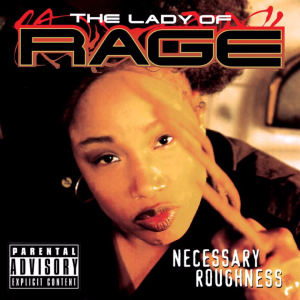
The Lady Of Rage – Necessary Roughness (June 24, 1997)

In December of 1992, Dr. Dre released one of the best hip-hop albums of all time, The Chronic (top five, in my opinion). Before ‘92, Dr. Dre was already a platinum-selling producer and the sonic brains behind The D.O.C.’s classic album, No One Can Do It Better), and N.W.A.’s landmark album, Straight Outta Compton. None of his prior work could compare to the pristine synth G-Funk sound he would slap the world in the face with on The Chronic, which was also the cornerstone for his and Suge Knight’s new label, Death Row Records. Along with his new musical sound and label, Dre would introduce the world to a new crop of emcees: Snoop Doggy Dogg, RBX, Tha Dogg Pound (Kurupt and Daz), and The Lady of Rage. Snoop would get the most shine on The Chronic and quickly became the breakout star of the bunch. RBX’s elegant gangsta sound was interesting, and Kurupt was dope, though not nearly as nice with the pen as he would soon become. But The Chronic was Rage’s platform to show and prove she was a true spitter (her contributions to “Lyrical Gangbang” and “Stranded On Death Row” made me a believer). In ‘93, she would continue to impress as the opening act on Snoop’s undisputed classic Doggystyle, where she swiftly and sturdily dismantled Dre’s Funkadelic-inspired “G-Funk Intro.” In ‘94, the Above The Rim Soundtrack was released on Death Row, which eventually went double platinum and featured Rage’s debut single, “Afro Puffs.” The song became a hit, and the anticipation for a Rage solo project grew. Then everything began to fall apart.

Rage has said in interviews that after The Chronic and Snoop’s Doggystyle, she was supposed to be next up to bat in the Death Row line-up. But she would get shoved aside for Tha Dogg Pound, who released their debut album Dogg Food in 1995. Then, in October of ‘95, Suge bailed Pac out of prison and signed him to Death Row, making him the label’s main focus. Shortly after the release of Pac’s mega-successful All Eyez On Me, Dre and Suge were no longer on good terms. In March of ‘96, Dre left Death Row and its roster of talent to start Aftermath Entertainment. Before his departure, Dre and Rage had begun to work on her debut album, Eargasm, but with Dre gone, the album would be permanently shelved. Six months later, Pac was murdered in Vegas, which would shake up the entire hip-hop culture and spell the start of the ending for Death Row. With Dre gone, Pac dead, Suge locked up, and Snoop and Kurupt unhappy, Rage still managed to release her debut album, Necessary Roughness, on the crumbling label, nearly five years removed from her debut on The Chronic, and over three years after her “Afro Puff” buzz.

With Dre gone from the team, Rage would rely mainly on Daz to give Necessary Roughness its West Coast sound, but staying true to her Virginian roots, she would call on some East Coast legends and vets to help shape the sound of the album as well (Premo, Easy Mo Bee, and Kenny Parker). The album received favorable reviews from critics (including 3.5 mics from The Source), but it was a commercial failure compared to the Death Row albums that came before it.

Necessary Roughness would be the only album we’d get from The Lady of Rage, as she’d get lost in the sauce as the Death Row empire folded. She transitioned into acting and has been in a handful of movies, including Next Friday, Judas and The Black Messiah, and most recently, as Miss Cleo on the Lifetime movie Miss Cleo: Her Rise and Fall. I’ll always remember her role as Coretta “The Ox” Cox on The Steve Harvey Show, but I digress.

I haven’t listened to Necessary Roughness in well over a decade. Let’s see if time has been kinder to Rage’s debut album than Death Row was.

Riot Intro – This may be the worst/driest intro/skit in the history of hip-hop albums. Or at least of any Death Row release.

Necessary Roughness – Without looking at the liner notes, I could tell the title track was produced by Easy Mo Bee. His blunted bass line, crisp drums, and blaring horn stabs proceed him, and the crystallized keys, sprinkled in just the right places, sound amazing. Speaking of sounding amazing, Rage comes in spitting venom and verbal darts at male and female emcees alike (she’s an equal opportunist, and her “Quarterbacks at Grambling State” bar was incredible”). This feels like a warm-up track for our hostess, but she still shreds Mo Bee’s dope production.

Big Bad Lady – Rage becomes one of the first artists to use a posthumous Pac cameo (Scarface was the first with “Smile” a few months prior). Pac’s melodic baritone chant turns into a dope hook paired with Daz’s smooth, ominous synth keys and choppy drums. Robin transforms into Rage, aka the Lyrical Murder, and relentlessly devours the instrumental and all “pigeon shit” emcees with it. She also manages to shout out A Tribe Called Quest via a “Bonita Applebum” reference during the massacre (Tribe Degrees of Separation: check). Kevin Vernado drops in at the end of the song to rightfully bow and sing of Rage’s greatness on the song’s closing adlibs. If Pac calls you “the baddest lyricist born,” you must be pretty badass.

Sho Shot – This was the album’s lead single. Sean “Barney” Thomas’ backdrop sounds like a mad scientist concocted a diabolical instrumental to destroy the world, and even though you know its evil intent, you can’t stop bobbing your head to the exhilarating music. Speaking of destroy, Rage continues with the verbal destruction she caused on the previous two tracks. The callback to her “Hadouken” line from “Afro Puffs” at the end of the song seemed forced, but other than that, this shit was bomb, just short of nuclear.

No Shorts – Daz brings the intensity down a bit with this backdrop, but it’s still a solid instrumental. Rage proves that even when the bpms slow down, she can kick back and rap her ass off.

Get With Da Wickedness (Flow Like That) Remix – I said it before, and I’ll say it again: I hate when the remix of a song appears in the sequencing before the original mix. Regardless, Daz puts his foot in this remix that reminded me a little of the instrumental for Pac’s “Against All Odds.” Rage continues to shred shit and clears up the rumor (or assumption) that she’s lesbian: “Cause I ain’t nothin’ nice, turnin’ men to mice, women are fallin’ all over me like I’m some kind of dyke, but uh, you can take that bull and miss me, because when it comes to sex, I’m strictly dickly.” Yet another enjoyable Rage/Daz concoction.

Raw Deal – Daz slows things down, serving up a pristine and smooth bop for our hostesses to do her thing while the female R&B group, B.G.O.T.I. (who were also signed to Death Row), sings of her lyrical prowess on the hook. Rage gives a strong performance, but her line about her unborn son, Zykee, left me with a lot of questions.

Breakdown – Easy Mo Bee gets his second and final production credit of the night. The booming horn loop and vocal scratch made me double-check the liner notes to make sure it wasn’t Premo’s work. As usual, Rage handles Mo Bee’s fire instrumental like Shadrach, Meshach, and Abednego.

Rough Rugged & Raw – Rage is joined by a couple of her Dogg Pound brothers, Snoop and Daz, for this somewhat of a cipher session. I say somewhat because Snoop spits about six bars but mainly supplies the refrain. Daz spits a passable verse while Rage gets off two formidable verses over Reg Flair’s gully backdrop. It’s too bad Kurupt had already left Death Row, as it would have been nice to hear him attack the track next to Rage’s razor-sharp bars.

Super Supreme – For those who don’t know, Kenny Parker is KRS-One’s younger brother, who has produced tracks for BDP and KRS-One. For this record, Kenny recycles the sample he used for “Like A Throttle” off BDP’s Sex And Violence album. Like she’s done with every beat up to this point, Rage forces it into submission, and I love her Black Pentecostal preacher-sounding adlib (“Heeey!”) that’s sprinkled throughout the song. By the way, there is something very sexy about a woman revealing her weight on record.

Some Shit – Premier gets his first of back-to-back production credits with this one. He loops up a dramatic Quincy Jones sample that sounds like Big Foot and King Kong are about to square up. Rage spits a monster “freestyle” (pun intended) with no hook or breaks. It’s three minutes of Rage’s brutal bars wrestling Premo’s bangin’ boom-bap. The results: another fire record.

Microphone Pon Cok – Premo digs up grim violins and places them over choppy boom-bap drums for Rage and her guest, Madd 1, to rhyme over. Edi Ameng also joins the duo, providing the hook, delivered with a stern orator’s voice that makes him sound like he’s reciting Shakespearean reggae. I liked the first Premo track more, but this was still solid.

Get With The Wickedness (Flow Like That) – Rage is credited for producing this O.G. mix. The instrumental is decent but not nearly as fire as Daz’s work on the remix.

Confessions – Rage takes a break from murdering emcees and uses the last track on Necessary Roughness to get introspective. Over her and Daz’s desolate G-funk backdrop, she converses with God and grapples with her faith and her demons: “Because I like good lovin’ will I burn in an oven? Fiery furnace, cause sometimes the yearn gets tempting, so I yield into temptation, intoxication mixed with fornication, face the nation, face the revelation, the ending. Will I be caught up in the rapture? Or will I be left behind because what I’m caught up in got me captured?” It was nice to see the lyrical murder show some vulnerability, but the empty instrumental could have used a little more soul, and the mini-female choir’s contribution (B.G.O.T.I.) was miscalculated and almost laughable.

When I dug my copy of Necessary Roughness out of the crates for this review, I looked at the tracklist on the back CD panel and forgot that “Afro Puffs” wasn’t included on the album. It was Rage’s signature record, and though it was three years old by 1997, it would have been a nice addition for die-hard fans to have, even if tacked on as a bonus track. Its inclusion may have also helped with album sales. But after living with Necessary Roughness for the past few weeks and revisiting “Afro Puffs” as well, Rage made the right choice by leaving it off. During the three years in between, Rage’s skill set advanced tremendously, to the point her rhymes and flow on “Afro Puffs” sound almost rudimentary compared to her work on her debut album. On the opening lines of “Afro Puffs,” Rage begins: “Let me loosin’ up my bra strap, and um, let me boost ya with my raw rap.” On Necessary Roughness, the bra is completely off, and her raw raps matured into well-drafted, swaggering essays.

Rage doesn’t waste any time trying to be seductive, brag about her material possessions, claim to be a gangsta-bitch, or force contrived conscious messages down the listener’s throat. Her only goal is to prove she can out-rhyme and annihilate any emcee, male or female, delivering potent boastful/battle raps and strong hooks with her commanding voice. Along the path of lyrical homicide, Rage fully embraces her femininity and 175-pound full-figure frame without sounding sleazy or slutty but done with a confidence that gives the big-body girl an understated sexy aura without even trying.

Led by Daz, Necessary Roughness upholds the traditional G-Funk sound found on Death Row’s previous releases, but it also includes a handful of boom-bap slaps (courtesy of Premo, Easy Mo Bee, and Kenny Parker). The album may not have a cohesive musical sound, but the well-balanced soundscape keeps things entertaining, and Rage’s ability to rap comfortably over any beat is the attribute that unifies the music.

One could knock Necessary Roughness for its lack of diverse content and Rage’s serial usage of “lyrical murder” and “emcee cold killer” throughout the album. She’s also a much better rapper than a producer. But I thoroughly enjoyed Necessary Roughness. It’s an incredible debut album from an abundantly talented emcee that I wish gave the world more music. Because, as she profoundly puts it on “Breakdown,” ‘Chicks like this come in short supply.”

-Deedub
Follow me on Instagram @damontimeisillmatic
Posted in Uncategorized | Tagged , , , | 1 Comment

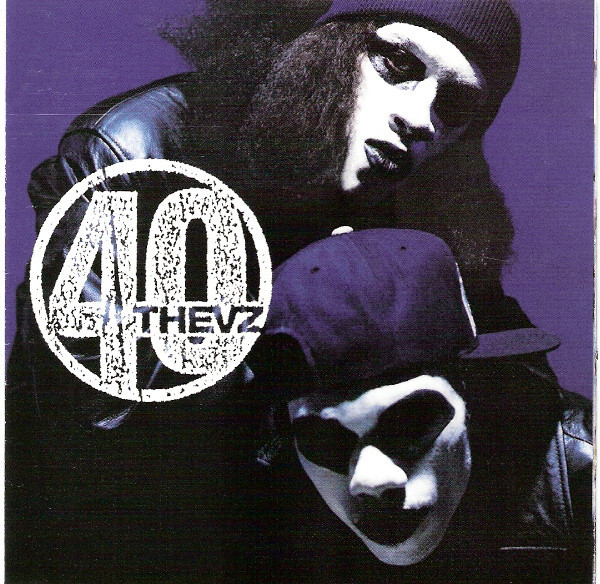
40 Thevz – Honor Amongst Thevz (June 24, 1997)

I don’t know a whole lot about 40 Thevz. I do know (despite the group name) that they were a two-man group from Compton, California, comprised of the brothers Henry and Malieek Straughter, who went under the rap aliases of P.S. and Leek Ratt (worst moniker candidate), respectively. I also know they had a song with Coolio (rip) on the The Jerky Boys Movie Soundtrack in 1995 (“Dial A Jam”). They would later make a handful of appearances on Coolio’s third solo album, My Soul, released in August of ‘97. But before all that, Brothers Straughter would get a deal with Mercury, releasing their debut album, Honor Amongst Thevz, in June of 1997.

In the liner notes, 40 Thevz attempt to explain the meaning behind the group name and album title: “There are multiple types of Thevz that date back to B.C. Man has been stealing other people’s property and possessions for centuries. We are the elite of all criminals. A group with individual specialties with an honor amongst us. We’ve stolen our minds back from the corrupt way of thinking because ‘Joe Blow’ has been programmed. True Thevz will never surrender or submit to society, for society is transparent. Thevz practice deception. The greatest trick the devil ever pulled on the world was to make the world think he didn’t exist. Most Thevz are forced into this way of life, while others are born kleptos. Eventually, it manifested into a profession. Some thevz can be violent, but most rather go unnoticed. There’s a thief in every family. We come in all shades, sizes, and colors. Taking from the greedy, and breaking bread with the needy. From Compton to Tahiti…”

After reading that scatteredbrained soliloquy, I have no idea what to expect from this album. Coolio serves as Honor Amongst Thevz executive producer, and the legendary Stan The Guitar Man lends his musicianship to a handful of songs. Hopefully, those are positive signs.

It’s Alright – After a quick snippet of a military march chant, the listener’s earlobes are greeted by live James Brown “Living In America” style horns, slippery guitar licks, and a thick bass line for Brothers Straughter to give their first affirmation of the album, which you get to hear during the hook (“It’s alright…alright yeah…’cause Imma get mine…when it’s my time”). The patient duo encourages the listener to dream, discuss avoiding hood traps laid for black men, and talk about why they chose rap over crime (“Cause they passin’ out time” and “sittin’ niggas down and they ain’t never gettin’ out”). The grand instrumentation was cool, but it overpowers 40 Thevz vocals, making them sound small.

Mad Doggin – “Mad Doggin” is what we called ice grillin’ in the Midwest in the nineties. It’s basically when someone stares someone else down with aggression. 40 Thevz addresses those who practice the habit and issue a warning to perpetrators with bad intentions: “I don’t really wanna have to blast nobody, so don’t be staring at me like you’re planning to rob me.” P.S. and Leek Ratt’s rhymes were decent, but the hook is cheesy, and the instrumentation (that loosely interpolates a portion of One Way’s funk classic “Cutie Pie”) sounds like a stock DJ Quik instrumental.

Tennis Shoe Pimpin – Our hosts use this record to pledge their allegiance to rockin’ tennis shoes and shit on those who chose to wear hard bottoms: “Now what you gon’ do/when they come to get you/when your ass is stuck in a suit and dress shoes?/You just might slip/catch one to the lip/cause there ain’t no traction in those Stacey (Adams) wing tips.” The hook and the instrumentation borrow from Kurtis Blow’s “Christmas Rappin’.” Stan The Guitar Man makes his first of several contributions to HAT, but even his marvelous musicianship can’t save this corny remake of a song that hasn’t aged well in its own right.

One For The Money – Coolio lends his platinum voice and joins P.S. and Leek for this cautionary tale about gold-digging women. They use their homeboy Ronald as the example in this story of lust, deception, and double murder. That last sentence makes the story sound pretty dark, but 40 Thevz and Coolio make the violent content sound more lighthearted than it should (probably because some of their bars leading up to the climax made me chuckle). I dug the semi-somber instrumentation (Stan’s understated licks sound wet) and the well-played Ras Kass vocal sample for the hook.

Never Gonna Get Nowhere – P.S. and Leek use this song to speak on the importance of unity in the Black community. Cool message and passable bars, but Stan’s slick wah-wah guitar licks are the highlight of this record.

Let My Mind Be Free – Vic C’s credited for the breezy backdrop, and Stan The Guitar Man laces it with discreet wah-wahs and a subduedly funky bassline. 40 Thevz are joined by Shorte as the trio discuss punk ass niggas, petty hoes, and using mics like scepters in their search for peace of mind (Shoutout to Shorte for the “scepter” line. It’s a word you haven’t heard too many rappers use in songs). Well done, fellas.

Thank God For The Children – P.S. and Leek are joined by Spidaman on this heartwarming dedication to our future. Over beautifully solemn instrumentation, the three fathers show appreciation for their seeds and vow to give them everything they didn’t have growing up as kids. 40 Thevz guest, Spidaman, delivers the song’s most insightful bars: “I done been to prison, and my pops done been to prison, and his pops done been to prison, so where that leave my children? I’m tryna break the cycle that can break up my families, all these kids growin’ up in homes without no daddies. I had to stop…and take a look at what I helped give life to and thank God.” What a powerful record.

All I Wanna Do – P.S. teams up with Malika for this battle of the sexes duet. P keeps it real by letting her know he’s just looking for a bed buddy, and she lets him know she needs his time and something more serious. At some point in life, most guys have shared P.S.’s perspective, and most girls have probably been in Malika’s shoes. The verses and hook were effective and relatable, and Hank and Sleepy score the back and forth with an irresistible funk groove punctuated by stank funk guitar licks. This completes a fire two-piece combo.

Crazy Love – Sleepy filler that left me feeling crazy empty.

Get Away – Our hosts live up to their group name on this one. P.S., Leek Ratt, and Spidaman go on a robbery spree over semi-ominous instrumentation while Johnnae Edwards and an uncredited male voice co-sign the threesome’s thievery on the hook. So much for reform and breaking the criminal cycle that has plagued their families for generations.

What Would I Be – P.S. sits this one out and lets his bro go dolo. Leek reminisces about his rough upbringing and past life of crime in hopes of keeping someone else from going down the same road. But the hook (crooned by Kenneth Blue) sounds like it’s celebrating his gangsterism, which kind of contradicts Leek’s message. The song was mid, but I dug Chris Fletcher’s rock guitar riffs.

I Like It – Did these negroes really sample KC & The Sunshine Band’s “That’s The Way (I Like It)”? Next…

Fly Away – This was interesting. Ernest and David Straughter (I’d be willing to bet they’re related to 40 Thevz) interpolate the Commodores’ “Zoom” for the backdrop, then bring in The Dramatics to sing the Commodores’ hook from the same song. It’s weird hearing a legendary group sing another legendary group’s song, especially when they’re from the same era. They would have been better off letting an unestablished singer, like Kenneth Blue (who joins The Dramatics on the chorus), sing it with other nobodies. But even if Kenneth Blue and The Nobodies sang the hook, this song would still sound cheap and cheezy.

Group Therapy – Cute song title for a cipher session. 40 Thevz bring back Malika and Spidaman to join them on this crew joint. No one embarrassed themselves, but none of the emcees wowed me with their performances either. I wonder why Coolio didn’t get on this one. It would have been nice to hear him rhyming over Wino’s cool instrumental and Stan The Guitar Man’s funky g-licks.

All I Wanna Do (P.S. Version) – 40 Thevz ends the evening by bringing back the album’s strongest track, which, according to the back of the CD panel, is only available on CD. This mix deletes Malika’s verse and replaces it with a new verse from P.S. Other than that, it plays just like the original.

I mentioned during the opening of this write-up that I wasn’t familiar with 40 Thevz or their music before this review. So, as we all do, I inadvertently judged the book (or the album) by its cover (long before I read the ridiculous explanation for their group name in the liner notes). The group name and the white “I’m bout to do a bank heist” face paint they’re adorned in on the album cover led me to believe this would be your typical gangsta rap album. But I should have paid closer attention to the album title.

On Honor Amongst Thevz, P.S. and Leek Ratt do show remanence of their gangsta/criminal side, but it’s mostly looking back as reformed hoodlums. But don’t get it twisted. The hood remains in the lum. They share old scars and war stories (some of their war stories were current), celebrate their gangsta attire (creased khakis and air ones), aren’t ready to commit to one woman, and if you test them, they might convert back to their old gangsta ways. On the flip side, they’re also doting fathers with a conscious side, and most of their content is filled with cautionary tales, calls to action, and positive messaging, making Brothers Straughter well-rounded, likable dudes.

Likable as 40 Thevz may be, there are still limits to their rhyming abilities. P.S. is the more charismatic and polished of the two, but neither are super lyrical, and at times on HAT, they sound sloppy and get lost in the musical sauce. Much stronger than the emceeing is the production that maintains a cohesive West Coast nineties sound with plenty of live instrumentation that adds an extra layer of musicality. But even with the magnificent guitar play from the legendary Stan The Guitar Man on a chunk of the album, less than half of the records are worth going back to.

Honor Amongst Thevz isn’t a horrible album, but it would have worked better as an EP. With that said, thank you, 40 Thevz, for the musical jewels I discovered in “Thank God For The Children” and “All I Wanna Do.”

-Deedub
Follow me on Instagram @damontimeisillmatic

Posted in Uncategorized | Tagged , , , , | 3 Comments

Wyclef Jean – The Carnival (June 24, 1997)

The last time we heard from Wyclef Jean was earlier in 1997 with his featured record on DJ Muggs’ Soul Assassins project. That record came on the heels of the Fugees’ landmark 1996 album The Score, which not only is a Grammy-winning certified classic but would go on to move a staggering seven million units. But as the story goes, Wyclef and Lauryn Hill’s affair began to get messy, putting a rift in the group and stifling their musical production. Unfortunately, we would never get a proper follow-up to The Score. Meanwhile, Wyclef would sign a solo deal with Columbia Records (which was also the label home to Fugees). Since Fugees weren’t working on new music, Clef would look to build on The Score’s momentum as a solo artist, releasing The Carnival in June of ‘97.

Wyclef would be the main conductor of The Carnival with his partner, Jerry “Wonda” Duplessis, receiving production co-credit for most of the album’s twenty-four tracks (you may recognize his name as co-producer for most of The Score). Even though Clef and Ms. Hill were in the midst of a tumultuous relationship, she still lends her voice to a handful of the album’s tracks. Wyclef’s Refugee Camp bredrin, Pras, and John Forte also make a couple of appearances, along with a few other unexpected guests that will get into later. The Carnival wasn’t as commercially successful as The Score, which would be a nearly impossible feat to achieve. Still, double platinum for your debut solo album is nothing to sneeze at. The Carnival also received two Grammy nominations and would become a critical darling, receiving positive reviews from most critics and major publications.

Ladies and gentlemen, boys and girls. Without further ado, let The Carnival begin!

Intro/Court/Clef/Intro (Skit/Interlude) – Continuing with the movie theme from The Score, The Carnival begins with Blaxploitation style music (courtesy of Manu Dibango’s “Soul Makossa”) and a narrator introducing the movie’s, I mean, the album’s cast of characters. Things then move to a courtroom scene, where Wyclef is on trial for being a player and a bad influence (I didn’t know those were criminal offenses), and we meet the prosecutor and Clef’s animated Haitian defense lawyer. After the court skit, our host welcomes the listener to the album, and now we can get on with the rest of the show.

Apocalypse – In true Wyclef eclectic form, he builds the backdrop around an obscure loop of the Opera-style vocals of a French female singer (Danielle Licari) that will surely put you in a trance and open up a few endorphins in your mind. During the first verse, Clef talks his abstract shit before sharing the deeds of a mele at The Tunnel in Manhattan that somehow leads to mistaken identity and Clef in a high-speed chase with an undercover detective. Does it end tragically? Qui, qui, y’all. Qui, qui.

Guantanamera – This was the third single released from The Carnival, which also earned a Grammy nomination for Best Rap Performance by a Duo or Group in 1998. Clef remakes Cuban singer Celia Cruz’s song of the same title, giving it a soulful, hip-hop facelift (that includes some clean, well-placed cuts from Funkmaster Flex) without abandoning its original Cuban feel, and he kindly invites Ms. Cruz to join him on the track. He also invites Jeni Fujita to sing from the perspective of Guantanamera while he and L-Boogie rap about the Cuban Mexican seductress, whose beauty and body are bad enough to bring broke niggas, businessmen, and politicians to their knees. With that said, I’d love to meet her.

Pablo Diablo (Interlude) – Back to Wyclef’s trial. The prosecutor calls his first witness to the stand: the Spanish-speaking Pablo Diablo. Unfortunately, things don’t go quite the way Mr. Prosecutor thought they would.

Bubblegoose – After a quick jingle over a tender guitar riff, our host makes it seem as if he’s going to kick a kids’ story, calling for them to gather around. Instead, he kicks two playful mafioso-style verses centered around a street hustler getting shot through his Bubble Goose jacket. Salaam Remi gets his sole production credit of the evening, concocting a dreamy melodic instrumental that sounds like the perfect score for floating on a cloud. The doo-wop melody and guitar riff at the end of the record was cute and clever.

Prelude To “To All The Girls” (Interlude) – A clip from a sixties record called “Only A Fool” by (here are some interesting group names for you) Mighty Sparrow and Byron Lee and The Dragonaries (from a collab album cleverly titled Sparrow Meets The Dragon) plays to set up the next track.

To All The Girls – Clef dedicates this record to all the girls he’s cheated on in his lifetime. It almost plays as an explanation letter that attempts to justify his dirty deeds (“Here’s what happened/it wasn’t my intention/to fall into seduction while playing in temptation/I thought I had it figured out/but games don’t last/the hourglass ran out/I got sprayed with the teargas”). Wait. Does this mean he’s admitting guilt to the allegations brought against him in the intro? Regardless, I wasn’t crazy about this record, but if it came on at the kickback, you could get off a nice little two-step.

Down Lo Ho (Interlude) – The prosecutor calls his second witness to the stand: the Asian martial artist Down Lo Ho. I’m pretty sure he and the Chinese restaurant owner from The Score skit, Chang Wang, are first cousins.

Anything Can Happen – This was the second single. Clef’s random rhymes and the drowsy instrumental did nothing for me. By the way, this song was recorded almost thirty years ago, and the Knicks still haven’t won a championship. That may never happen again.

Gone Till November – This was the album’s fourth single. Wyclef’s acoustic guitar teams up with an elaborate string orchestration for this theme song for hustlers trying to provide for their families via rocks or raps. It took me a few listens, but I really like this record.

Words Of Wisdom (Interlude) – Before the next song begins, Clef gives a quick PSA on how men can avoid rape accusations.

Year Of The Dragon – Clef and Ms. Hill exchange stories about things they’ve seen that have shaped and molded them in this cautionary street tale. Clef scores the record with a dark, stripped-down backdrop that matches the content to a tee. I wish this dynamic duo would have never fallen out. There’s no telling how much great music they may have made together. *Sigh*

Sang Fezi – I took two years of high school French and one semester in college. At one point, I could speak it and write papers in French. But if you don’t use it, you lose it, so I have no idea what Clef is saying on this record (I’m pretty sure he’s rhyming in Haitian Creole, a French-based language, but you get my drift). Regardless of language, L-Boogie’s warm vocals sound amazing over the scorching hot and soulful church organ chords.

Fresh Interlude – Wyclef kicks a little freestyle rhyme while DJ Skribble lets his hands do the talking. This was a nice, organic hip-hop moment.

Mona Lisa – I’ve heard of The Neville Brothers, but I’ve never listened to their music. Come to think of it, the only Neville records I’m familiar with are Aaron Neville’s “Everybody Plays The Fool” and his duet with Linda Ronstadt, “Don’t Know Much.” Wyclef maestros up a fire soul joint that the Neville boys absolutely smoke. If this is how the rest of their catalog sounds, I might have to start digging into it. ASAP.

Street Jeopardy – The track begins with Wyclef playing a music exec encouraging his artist to make more hardcore gangsta music. Then the Jeopardy game show jingle comes in. Thankfully, Clef dresses it up with emo-acoustic guitar chords and rough drums. He, John Forte, and R.O.C. (not to be confused with Jay-Z’s Roc-A-Fella team) use it as an audible deterrent for those considering taking street chances. Another solid record.

Killer M.C. (Interlude) – This interlude/skit serves as a bridge between the previous record and the next.

We Trying To Stay Alive – This was the album’s lead single and the yang to “Street Jeopardy’s” yin. Wyclef, Pras, and John Forte playfully celebrate life and the joys that come with living it. The Bee Gees’ “Stayin’ Alive” loop felt a little cheap, but Clef manages to verbally dance with it during the opening verse, making it feel a little less low-hanging fruit-esque. The record’s lighthearted energy and pop vibes make it an obvious choice for the lead single.

Gunpowder – Clef breaks out the guitar once again to hit somber acoustic notes as he sings about senseless gun violence. L-Boogie and the I Threes (Rita Marley, Judy Mowatt, and Marcia Griffiths) sing background vocals for our host’s powerful lament. If this song doesn’t touch you, you might be soulless.

Closing Arguments (Interlude/Skit) – I didn’t find most of the skits and interludes on The Carnival amusing, but this one actually made me laugh. The “bishop” bit is hi-larious.

Enter The Carnival (Interlude) – While Caribbean vibes play in the background, Wyclef shouts out the world and welcomes the listener to The Carnival’s “change phase,” which basically means the next three tracks will be Haitian-Creole based.

Jaspora – According to a translation I found, Clef chants about Haitian heritage and pride on this one. Musically, he merges reggae with rock, and that nasty guitar riff is vibrantly electric.

Yele – Our host grabs his guitar and L-Boogie for this somber, acoustic-folk-reggae blend that supports his message of social upliftment. This is another record that took a little time but eventually won me over.

Carnival – Clef saves the title track for last. He’s joined by Sweet Mickey, Jacob Desvarieux, and Jocelyn Berouard as the four come together for what is easily the worst track on the album. The lyrics are all sung in Haitian-Creole/French, but randomly, you hear our host singing about Kentucky Fried Chicken, six-piece nuggets, and Chinese food over PBS Kids-style music. What in the Caribbean CoComelon was this?

The Carnival is a prime example of why it’s important to listen to an album more than once before forming a final opinion. Due to my hip-hop hiatus, I missed The Carnival when it came out back in ‘97, but I bought a used CD copy about ten years later and listened to it once, maybe twice. There were a couple of records that stood out, but for the most part, I remember it being mid. On my first listen to it for this review, I was very underwhelmed, might I say disappointed. But after a couple of weeks in rotation, my view of The Carnival began to change drastically.

Part of Wyclef’s tagline for The Carnival is “Anything can happen,” and just about everything does on the album. Clef takes the “everything but the kitchen sink approach,” stewing together traditional hip-hop with classical, Cuban vibes, acoustic, folk, soul, gospel, rock, reggae, orchestra, champeta, raps, chants, singing, bellowing, English, French, Haitian Creole, and usually, at least three of these elements show up on each record. Just as eclectic as the music is on The Carnival is the content, which will make you laugh, cry, think, dance, nod your head, and, a few times, take a bathroom break. Clef also invites a diverse guest list, from DJ Skribble to his Refugee Camp to The Neville Brothers, even reaching overseas to bring in Celia Cruz and members of the French Caribbean group Kassav to join in on the fun. On paper, it may read as too many different musical flavors and far too much going on, and while there are a few intermission-worthy moments, this wild audible circus ends up being a nearly flawless event that is sure to entertain.

Like The Score before it, The Carnival is another cornerstone that serves as a testament to Wyclef’s musical genius. It’s not a great hip-hop album, but instead, a masterful musical adventure orchestrated by a brilliant yet severely underappreciated Ringmaster.

-Deedub
Follow me on Instagram @damontimeisillmatic

Posted in Uncategorized | Tagged , , , , | 1 Comment

Capone-N-Noreaga – War Report (June 17, 1997)

Years before N.O.R.E. would become a bonafide podcaster with Drink Champs or help make Reggaeton a popular musical genre in the states, Victor Santiago Jr. was half of the Queens-based rap duo Capone-N-Noreaga. Though both rappers were from Queens (different neighborhoods), they didn’t meet until 1992 while serving time at Greenhaven Prison in New York. The two bonded over their Queens connection, a shared love for hip-hop, and illegal activity. After being released on parole and encouraged by Intelligent Hoodlum, aka Tragedy Khadafi, the duo recorded a demo that eventually led to their deal with Penalty/Tommy Boy, where they’d release their 1997 debut album War Report.

During the War Report recording sessions, Capone would get sent back to prison for violating his parole, leaving N.O.R.E. to pick up the pieces and finish the album without his partner in crime. This might explain all the guest appearances that pop up on War Report. Along with the guest appearances, a slew of hands would receive production credits, including Marley Marl, Buckwild, Havoc, Lord Finesse, and Tragedy Khadafi (who also served as the album’s executive producer). Though War Report’s sales weren’t impressive, it did peak at number four on the US R&B/Hip-Hop Charts and twenty-one on the US Billboard 200, and it received positive reviews from the critics (The Source gave it four mics at a time when the publication still had some credibility). But more importantly, the streets approved, as many consider it a seminal body of work, aka a classic.

I haven’t listened to War Report in almost twenty years, and other than “L.A. L.A.,” I don’t remember much about the album. Hopefully, this will be a pleasant rejogging of my memory.

Intro – Most hip-hop album intros are useless, and War Report’s isn’t much different. Capone-N-Noreaga, aka the last of the Mohicans (Capone is so dramatic), kick things off by listing all their homies that “Jake” has snatched off the streets and locked up, which has N.O.R.E. looking to “revolt the revolution” (what does that mean? Your guess is as good as mine). Uselessness aside, I did enjoy the dusty, grey-tinted piano riff that supports the duo’s nonsense.

Bloody Money – Noreaga finds himself rolling dolo for the first song of the evening. EZ Elpee places a frigid piano loop over sleepy drums for N.O.R.E. to puff out his chest and celebrate the illegal thug life that he so proudly embraces (his “I don’t even drink like that, I sell crack” line is hysterical to me for some reason). I love the piano chords in the backdrop, but the drums don’t mesh well, and N.O.R.E.’s vocals sound like they’re warring with the music.

Driver’s Seat – N.O.R.E. invites Imam T.H.U.G. to stand in for Capone as the two thug-out over the slow-rolling, funky, organ-based production of Nashiem Myrick and Carlos “6 July” Broady. Oddly, Busta Rhymes shows up at the end of the record to add a few energetic adlibs, which left me thinking: why didn’t he just have Busta spit a verse in place of his amateurish crony?

Stick You – The record begins with N.O.R.E. and Tragedy Khadafi discussing the weak coke they recently got from their supplier and planning their get back while rain pours in the background. After about a minute and a half of this rain rant, a lively jazz piano loop and poppin’ drums come in for N.O.R.E. and Tragedy to rap about their revenge. Capone makes his first appearance since the intro, joining his partners in crime on the payback rhyme. I’m curious why they chose to self-censor some curses and let others fly freely (i.e., a bunch of “shits” are replaced with “ssshhh,” but F-bombs get to land without restraint). The song left me with one question: If your supplier sold you garbage product, why would you rob him and take more trash coke?

Parole Violators – Havoc (of Mobb Deep) and Tragedy join N.O.R.E. on this criminal celebration. Havoc’s responsible for the hook, and Tragedy’s credited for the cool, reserved instrumental. Trag takes the revenge on his enemies thing too far when he repeatedly claims to videotape raping his foe’s girl (it’s censored, but you can easily deduce what he’s saying). This record has a very incomplete/demo-esque feel to it. It definitely needed a little more time in the oven.

Iraq (See The World) – N.O.R.E. invites four more of his hood soldiers to report on the street war he and his troops are engaged in with Jake: Castro, Musaliny, Mendoza, and Troy Outlaw. None of the five rappers’ bars end up being newsworthy or memorable, and the whiny violin loop in the instrumental is annoying enough to hit the skip button after a minute in.

Live On Live Long – N.O.R.E. dedicates this one to Capone and the rest of his incarcerated crew as he grapples with missing them and encourages them to stay strong while on lockdown. N.O.R.E.’s rhymes sound heartfelt and authentic, and I absolutely love G-Money’s flip of a soulful Smokey Robinson and the Miracles loop.

Neva Die Alone – Buckwild gets his sole production credit of the album, building the instrumental around an energetic, hard-keyed Herbie Hancock loop as CNN and Tragedy continue to thug their way through the album. Not that he sounded bad in his previous cameos on War Report, but Tragedy sounds extra sharp on this one. And why didn’t they title the record “Gorilla Rap Song,” as Trag suggests at the end of his verse?

T.O.N.Y. (Top Of New York) – This was the third single released from War Report. N.O.R.E., Capone, and Tragedy continue to rap about Jake, drugs, crime, and their enemies. Speaking of enemies, Tragedy spits one of my favorite lines of the entire album towards his: “I’m mad iller, organized thug killer, now you little monkey niggas wanna play gorilla.” War Report’s vast cast of producers score again (this time, it’s Nashiem Myrick and Carlos “6 July” Broady) with a slick cinematic instrumental to back the threesome’s thuggery.

Channel 10 – N.O.R.E., Capone, and Tragedy celebrate the album’s midway point with more thuggery, and can someone please tell me what the hell an Arab Nazi is? Lord Finesse combines muddy drums with a darkly airy melody, making for a phenomenal instrumental and one of the best records on War Report.

Capone Phone Home (Interlude) – It plays just as it reads. Shoutout to ET.

Thug Paradise – My pressing of War Report has this song mistakenly listed as “Stay Tuned (Interlude).” This record was also on the Nothing To Lose Soundtrack under the correct song title. D-Moet takes a break from the “S.W.A.T.” theme song and turns it into a funky head noddable groove. Once again, Tragedy joins our hosts, spitting a verse that sounds like it could have been written by Mr. It Was Written (aka Nas). This was dope.

Capone Bone – Capone goes dolo and sounds as horny as an inmate who just finished serving a twenty-year bid (Shoutout to Capone for admitting he’ll go down on a chick during an era where most rappers acted too tough to admit they did). Marley Marl builds the backdrop around a funky jazz piano loop, turning it into an irresistible groove for Cunnilingus Capone, who finds his pocket and sounds right at home, seducing the object of his erection and gets a little dirty mackin’ in during the process.

Halfway Thugs – N.O.R.E goes dolo again. This time, it’s one long verse over an instrumental that sounds like a sedated skeleton version of the backdrop for Mobb Deep’s “Drop A Gem On ‘Em.” Very mid.

L.A., L.A. – This is CNN’s response to Tha Dogg Pound’s 1995 joint, “New York, New York.” Much like Kurupt and Snoop did with their disses, CNN, Mobb Deep, and Tragedy don’t take direct shots at their West Coast counterparts but instead fire a bunch of lines that could be perceived as subliminals. Marley Marl scores the affair with a rigid instrumental that sounds great behind the team’s stone-faced rah-rah. My only issue with this record is all the censoring. Why would you bleep up a diss track? And for the record, none of these dudes is fuckin’ with the lyrical wizardry Kurupt whipped up on “New York, New York.”

Capone-N-Noreage Live (Interlude) – Capone and N.O.R.E. do an almost three-minute call-and-response bit, which may entertain at a live show but not so much recorded and sequenced in the middle of an album.

Illegal Live – This is the record that introduced the world to Capone-N-Noreaga. A Middle Eastern-tinged loop meets dark spiraling chords and grimy drums. The production credit is given to Tragedy and Havoc, who also handles hook duties (If I were a betting man, the Middle Eastern loop was Tragedy’s idea, and everything else was Havoc). Based on the song title, I think you can figure out what the subject matter is about, but the raw and gritty backdrop takes the ease off the duo’s monotonous content.

Black Gangstas – This is fat that should have been trimmed and left off the album.

Closer – The original pressing of War Report has the DJ Clark Kent-produced version that samples Surface’s “Closer Than Friends” and features Nneka singing the hook. My copy of War Report has the Sam Sneed-produced version (even though the liner notes credit the Clark Kent mix). Sam builds the instrumental around a chill Luther Vandross piano loop, and some guy who sounds a lot like Tony Sunshine sings a completely different hook than the original mix. The record captures N.O.R.E. looking back at his life as a hustler before he and Capone got a deal (“Last year, around the time this year, if I would have got locked yo, I wouldn’t even care”). Rest in peace to the legend DJ Clark Kent, but Sam Sneed’s version is galaxies more appealing than the O.G. mix and more cohesive with the rest of the album.

Capone Phone Home OutroWar Report ends with Capone talking to Jungle, Nas, and E. Money Bags via phone from prison. This interlude adds nothing to the album, but it did leave me wondering why Nas didn’t spit a verse at some point on War Report.

If Al Capone and Manuel Noriega were ever to meet at Bar Afterlife and discuss their infamous careers over a few beers, I would love to be a fly on the wall. Or even better, a patron taking down a couple of Crown cranberries while ear-hustling. I’m sure they’d relive their glory days and reminisce about the power they both yielded during their lifetimes. They’d share their regrets and secrets, and a few drinks in, cry as they look back on their downfalls. The conversation would be filled with amazing stories and intriguing tidbits. Vastly different from the content that Capone-N-Noreaga deliver on War Report.

Capone-N-Noreaga are direct descendants of the Queens mafioso/thug rap tree that produced Mobb Deep and Nas’ alter-ego, Esco, and on War Report, the apple doesn’t fall far from it. Most of the album’s content revolves around crime, drugs, money, and so much talk about Jake I thought the album was part of a State Farm commercial. Tragedy Khadafi emerges as the third unofficial member of CNN, appearing on almost half of War Report’s tracks. His drastic style change from conscious content/inspirational speaker, Intelligent Hoodlum, to the thug drug lord, Tragedy Khadafi, was shocking and a little disappointing. But regardless of what rap image Tragedy embraces, the man can rap and effectively leans into his new persona, sounding better than his gracious hosts for most of the album.

That’s not to say that Capone-N-Noreaga aren’t skilled rappers. The first half of War Report plays like a Nore and Friends project, as Capone’s incarceration has him missing in action, leaving their inept homeboys, not named Tragedy Khadafi, to fill in the gaps. But when Capone does consistently show up for the second half, it starts to feel more like a Capone-N-Noreaga project. Their content is not riveting or original (and some of their QB homies have covered the same territory and done it better, i.e., Nas and Prodigy), but you can feel and appreciate the chemistry between the duo and their big O.G. Tragedy Khadafi. And when our hosts’ thug rhetoric gets monotonous, the raw and rugged production (which at times flirts with sounding amazing) keeps things interesting.

War Report is a bit bloated, and the “Capone locked up” running theme is kind of confusing, especially when the intro makes it sound like CNN are the last two free ones in their crew. They could have easily shaved four songs off the final cut, along with the Capone skits, to make it a more well-balanced CNN project. As is, War Report is a solid debut from the duo (or trio), but calling it a classic is a stretch.

-Deedub
Follow me on Instagram @damontimeisillmatic
Posted in Uncategorized | Tagged , , , , | 3 Comments

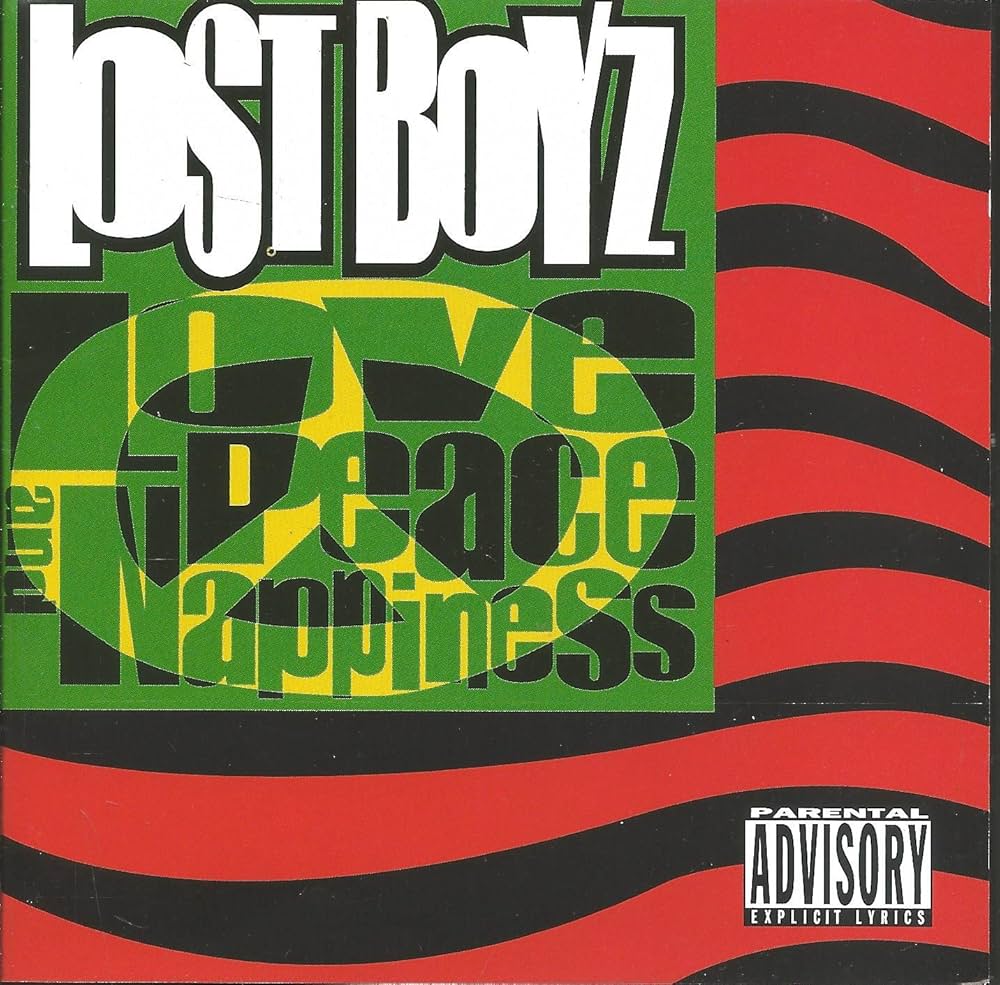
Lost Boyz – Love, Peace & Nappiness (June 17, 1997)

1996 was a good year for the Lost Boyz. The Queens collective would see five singles reach the Billboard Hot 100 Charts, and their debut album, Legal Drug Money, would peak at number six on the Billboard 200 and receive a gold certification just sixty days after its release. The commercial success of LDM would lead to a handful of cameos appearances from Mr. Cheeks, which, in turn, would help raise the Lost Boyz’s profile. Almost a year to the date of LDM‘s release, Lost Boyz would look to build on their freshmen momentum with the release of their sophomore effort, Love, Peace & Nappiness.

Like its predecessor, LP&N would use a production-by-committee approach, enlisting some of the same producers that worked on the debut (Charles Suitt, Mr. Sexxx, Buttnaked Tim Dawg, and Easy Mo Bee). It would also include work from Ron G, and fresh off the success of co-producing Black Street’s hit “Don’t Leave” with Teddy Riley, Bink would also supply a handful of instrumentals for the album. The producer selection was a winning combination for LB as LP&N would earn them their second consecutive gold plaque. But even though the sales for LP&N matched those of their debut, the reviews for the former weren’t quite as flattering.

LP&N is another album new to my ears. I’m not sure how this will go, but at minimum, they came up with a clever album title.

Continue to rest in peace, Freaky Tah.

Intro – The album begins with an ominous slow-rolling instrumental (credited to Bink and Charles Suitt) and Mr. Cheeks greeting the listeners with a few super rough draft freestyle bars that are headed nowhere fast. And, of course, Freaky Tah’s signature ad-libs are hardwired into the track.

Summer Time – Who doesn’t like summertime in the city? Cheeks paints a picture of warm weather, hot chicks, blunts, brews, and hangin’ out with the homies. Tah supplies ad-libs, and an uncredited female vocalist (I use the term “vocalist” loosely) sings the hook. Cheeks’ take isn’t groundbreaking material, and the record is not as good as DJ Jazzy Jeff & The Fresh Prince’s 1991 rendition, but it’s a decent, mildly funky bop.

Me & My Crazy World – This was the lead single from LP&N. Mr. Cheeks sounds like he’s on the therapist’s couch, sharing the details of his complex love life that has him smitten by two women. The first two verses were intriguing, but by verse three, the story loses its legs, and I was over it. Ron G’s “happy-go-lucky” backdrop was a little dry for my tastebuds, and the background singing from an anonymous man was unwarranted.

Beasts From The East – After a quick weather forecast, Bink drops an epically fire instrumental with pensive undertones for this Group Home/Def Squad cipher session. Cheeks is joined by A+, Redman, and introduces the world to the lyrical dexterity of Canibus. Cheeks, A+, and Redman spit decent to solid verses before Canibus transforms into a lyrical hyena and completely devours his co-workers and Bink’s backdrop with an incredible fifty bars. To say Canibus stole the show would be a severe understatement. His verse might be the best verse spat in 1997.

Love, Peace & Nappiness – The title track (which was also the album’s second single) finds Mr. Sexxx (horrible moniker, by the way) revamping the instrumental to Slick Rick’s “Hey Young World.” Mr. Cheeks’ rhymes are all over the place, Freaky Tah returns to sprinkle more of his ad-libs throughout the song, and King Keiwanee and Da Blak Pharoah add a little reggae flavor at the end of the record. It’s not a great or horrible record. I guess that would make it mediocre, but I’m trying to stop using that word so much.

Black Hoodies (Interlude) – Aarian Pope shares a short-spoken word poem that speaks from the perspective of hood cats. It’s a nice start, but it needs more meat on its bones.

So Love – Mr. Cheeks is in the mood for love, or at least he pretends to be during this record. Ike Lee III (not to be confused with Spike) hooks up a radio-friendly bop for Mr. Cheeks to spew fluffy cliches to express his love and affection for the apple of his eye, while another unnamed male singer sings the hook, accompanied by off-key singing from Cheeks and the crew. I like the warm, feel-good vibes this record radiates.

My Crew – Easy Mo Bee gets his only production credit of the album, and he makes sure to make it a good one. Mr. Cheeks, once again, is joined by A+ and Canibus as the three use the handsomely rugged and raw backdrop to celebrate their Group Home click. Canibus doesn’t match the fiery performance he astounded with on “Beasts From The East,” but he still sounds impressive. It’s a solid record with a catchy hook.

What’s Wrong – Buttnaked Tim Dawg and Terence Dudley build the backdrop around a funky Quincy Jones loop as Cheeks addresses those who have a problem with his lifestyle. The head noddable instrumental and catchy hook make this one a winner, even with the missing question mark at the end of the song title.

Certain Things We Do – Cheeks shares the deeds of a night out with the crew at a new spot, where the liquor is flowing, the blunts are blowing, and the fly ladies are abundant and ready to be chosen (sounds like a great time to me). Ron G’s slick backdrop fares much better than his work on “Me And My Crazy World,” giving meaning to Cheeks’ superficial commentary.

Games – Mr. Cheeks opens up and gives the listener a glimpse into his tumultuous upbringing, and I’m the biggest sap for vulnerable raps (bars!). Mr. Sexxx soundtracks Cheeks truncated bio by interpolating Sweet G’s 1983 record “Games People Play” (I feel like I’ve mentioned that song before on the blog), which features an interpolation of Issac Hayes’ “Ike’s Mood I” (a sample you can’t really go wrong with). Shoutout to Lost Boyz for giving the pioneering emcee, Luv Bug Starski, a cameo on this track.

Get Your Hustle On – Mr. Cheeks takes a rare break and hands the mic to Freaky Tah to hold things down solo. Tah definitely had one of the most unique voices in hip-hop, but this track reconfirms why Mr. Cheeks was the mouthpiece for the group. I like the dark, laidback instrumental, though.

Tight Situations – Cheeks jumps back into his storytelling bag for this one. Bink sets the tone with a cinematically suspenseful backdrop that Cheeks uses to share a tale of “pussy traps” and retaliation. It’s the equivalent of a hood flick I’d watch on Tubi.

Day 1 – Though he raps three verses, Cheeks doesn’t have much to say, but I’m a sucker for drowsy melodic grooves like this. Thanks, Bink.

Why – This one starts with a faux news reporter discussing Allen Iverson and his issues with the media during his rookie season before going into a report about Lost Boyz inciting riots at their shows. It’s a super random skit, but it tripped me out to think AI’s rookie year was almost thirty years ago. Then, as A Tribe Called Quest did with “What?” and Common and Mos Def (excuse me, Yasin Bey) would later do with “The Questions,” Cheeks and Freaky Tah ask a series of rhetorical questions. The only difference is Cheeks and Tah’s questions come with no insight, depth, or wit, making for embarrassingly bad content over a decent instrumental.

From My Family To Yours (Dedication) – The LB, along with Queens Most Wanted, close out the album with a record dedicated to those who crossed over to the other side, with a strong emphasis on Biggie and Pac. Bink’s sorrowful chords put you at the scene of a Black Pentecostal Church funeral, and when paired with the sad content, it’s enough to move one to tears. The “Baby bay-bay/holler if ya hear me!” chant at the beginning and closing of the track was another heartwarming homage to the two fallen icons. A powerful record built around some very sad shit.

From the little that I knew about Lost Boyz, I went into Legal Drug Money thinking it was going to be a legal crock of shit. From the few singles I’d heard, I didn’t believe Mr. Cheeks had the presence or lyrical ability to carry an entire album, and I most certainly didn’t think the production would be strong enough to entertain. Surprisingly, the shit was alright. Cheeks didn’t sound as bad as I thought he would, and I was pleasantly surprised by the solid hooks and quality production. Much of the same applies to Love, Peace And Nappiness.

Someone must have told the Lost Boyz that Freaky Tah’s ad-libs on LDM were too much as they sound scaled back on LP&N, and when they do appear, they’re turned down and more contained, which I appreciated. Mr. Cheeks will never be mistaken for a wordsmith, yet his raspy, high-pitched vocal tone and simple rhyming style start to grow on you. Or maybe he just becomes more tolerable. Or it could be the catchy hooks and enjoyable production that make Cheek’s rudimentary rhymes easier to digest.

Whatever the case, Lost Boyz manage to pull it off again. They introduce the world to one of the most masterful emcees to ever grace a mic (Canibus) and give the hip-hop nation another solid album.

-Deedub
Follow me on Instagram @damontimeisillmatic
Posted in Uncategorized | Tagged , , , , | 2 Comments

Cru – Da Dirty 30 (June 17, 1997)

CRU was the Bronx-based trio comprised of Yogi, Chadeeo, and The Mighty Ha. As legend has it, CRU spotted Chris Lighty (who had recently left Def Jam to start Violator Management) going into a club and were able to slide him their demo tape. Lighty was impressed by the tape, leading to CRU (who were then going by the group name Rhythm Blunt Crew) signing a deal with his former employer, Def Jam. CRU would release their debut album, Da Dirty 30, on the label in June of ‘97.

According to a Chadeeo interview I found on YouTube, the album title was inspired by a corrupt Harlem Police Department, often called the Dirty 30. They also chose the title to describe the album’s thirty tracks as dirty and grimy. Yogi would produce the entire album, which included a handful of special guest appearances. Despite favorable reviews, the album was a commercial failure, especially considering it was a Def Jam release. Da Dirty 30 would be the first and last time the world would hear from CRU as a group. Yogi would join the Bad Boy production collective, The Hitmen, producing tracks for Diddy, Busta Rhymes, Terror Squad, G.Dep, and Method Man. Chadeeo would release a few solo and joint independent projects, and there’s still an APB out on The Mighty Ha.

As I’ve mentioned probably too many times during this blog, 1997 was the year I began my four-year and change separation from secular hip-hop. There were a lot of new artists that came out during that timeframe that I knew about but never listened to their projects. CRU and Da Dirty 30 completely went under my radar. That was until I finally listened to Foxy Brown’s Ill Na Na and heard a snippet of their lead single (“Just Another Case”) that I then remembered hearing years ago on an XM Radio hip-hop mix. Thanks to the plug on Ill Na Na, I finally had the name of the group responsible for the audible treat that I had completely forgotten about. I tracked down a used CD copy, and here we are today.

I bought Da Dirty 30 seven months ago but have patiently waited until now to listen to it. This is one I’m actually excited to get into.

DJ Footlong (Intro)Da Dirty 30 is hosted by DJ Footlong, who is clearly a knockoff character/clone of DJ EZ Dicc from Doggystyle. Over a smooth West Coast-esque groove, Footlong introduces the CRU to the listener, gives some shoutouts (including a RIP to Notorious BIG), and dabbles in his misogyny bag before summoning the bass line for the next record to drop. Unlike DJ EZ Dicc, I found none of Footlong’s buffoonery even remotely amusing.

Bluntz & Bakakeemis – Yogi, The Mighty Ha (though he contributes less than one bar), and Chadeeo invite a few members of their extended Rhythm Blunt Crew to join them on the opening track. Tracey Lee gets off a solid verse, and someone named Jim Hydro delivers a proficient performance. But it’s MC Lyte’s former arch nemesis and self-proclaimed Queen of the CRU, Antoinette, who sounds sharper than all the parties without a vagina that rhyme on this track. She wittingly addresses her beef with Lyte, summarizes her rap career, and talks her shit convincingly. The bass line sounds a little monotonous and stale, but the rugged drums and verbal vitality of the emcees rhyming over it make it feel harder than it really is.

That Shit – This time around, Yogi, Chadeeo, and The Mighty Ha display their skills without help from outside sources, and they sound pretty nice bouncing off each other. Yogi makes a tongue-in-cheek reference to sounding like Q-Tip during his last verse, which is a comparison you can’t deny (Tribe Degrees of Separation: check). The trio kept me engaged, and the crispy, steady drums rescued the aimless bells in the instrumental.

Just Another Case – This was the lead single from Da Dirty 30 that was partially played during the Ill Na Na intro/Def Jam artist promo. Yogi and Chadeeo share a cautionary tale that references the life and times of a drug dealer named L. They incorporate pieces of Slick Rick’s “Children’s Story” into their rhymes and hook before yielding and letting the storytelling guru himself spit a verse about Sid (home on “work release after doing a three to life bid”). Ironically, the pupils’ (CRU) storyline was more intriguing than the teacher’s, but more enjoyable than both was the wonderfully tender guitar licks and melodic strings sampled in the instrumental.

Hoe 2 Society – This short skit pays a carnal homage to the hood classic scene from Menace II Society, where Bill Duke’s character interrogates the main character in the film, Caine. There is no need to listen to this more than once.

Nuthin’ But – Black Rob, who I became familiar with through his hit record “Whoa,” joins the Rhythm Blunt Boys and goes back and forth like Aaliyah with Yogi and Chadeeo on the mic. The Mighty Ha only rears his head for hook duties. The trio’s playful banter was semi-interesting, but the gully Scooby Doo mystery bass line was enchanting.

Straight From L.I.P. – Yogi samples the elegant and irresistible strings and bass from Portishead’s “Sour Times” for the backdrop as CRU represents for their Bronx hood. This was pretty dope.

Goin’ Down – All three parts of CRU play roles in this theatrical hood tale that features Petey (played by Yogi) going to a Bronx project to get some ass before running into the antagonist, played by Chadeeo. I followed the storyline up to when Petey calls his man, Shah (played by The Mighty Ha). After that, everything gets fuzzy until the episode ends in gunfire. The story was poorly executed, and the instrumental was a snooze fest.

Shoot Out – A minute-long skit that plays exactly as it reads.

Ten To Run – Yogi gets the first solo joint of the evening, and it’s one verse over an off-kilter piano loop and smackin’ drums. The ten-numerical group countdown that he closes with was pretty clever.

Wreckgonize – Black Rob returns to lead off this record with a sharp and murderous verse. Yogi follows, rhyming about the neighborhood drug addicts and their drugs of choice, while Chadeeo uses his time to touch on a little bit of everything. The warmly warped vibes and quiet drums make for great late-night chill music.

Bulletproof Vest – A dude selling bulletproof vests gets shot by a potential customer on this skit. That’s all I got.

The Ebonic Plague – CRU adds to Da Dirty 30 guest list. Ras Kass pops up to rub shoulders and share the mic with Yogi and Chad. According to one of Yogi’s lines, this song was going to be titled “Da Dirty Understanding Cipher.” Instead, they settled on “The Ebonic Plaque” (sounds like something Ras Kass came up with). Yogi’s verse sounds uninspired, Ras continues to rhyme with the same underwhelming, choppy, unorthodox style he used on Soul On Ice, and Chad closes things out with a decent verse (his use of “adorable” as an adjective to describe a dime chick sounded creepy). Yogi’s instrumental is sturdy but not spectacular.

Up North – Since “Up North” was a common term East Coast rappers used to describe people in prison in the nineties, I assumed this song would be about the CRU’s incarcerated homeboys. It’s not. Yogi and Chadeeo spit all kinds of randomness, and Mighty Ha adds an energetic hook (that resembles something Fatman Scoop would do (rip)). I love the seductive bass line and the “Pastime Paradise” sample inserted into the instrumental.

R.I.P. – DJ Footlong sends a rest in peace to his homeboy, TreQuan, who must be the same joker that got smoked on the “Bulletproof Vest” interlude.

Live At The Tunnel – The CRU gets a little three-on-three action going on as they go head-to-head with The Lox. I enjoyed the chemistry between the two squads, and CRU more than holds their own against the revered Yonkers threesome. This record is hard, and that intermittent trunk-rattling bass is a monster.

Pronto – Yogi hooks up a mid-tempo West Coast-esque G-Funk groove for himself and Chadeeo to tag team the mic, and The Mighty Ha delivers a hard hook magnified by his raw vocal tone. This is one of my favorite records on the album.

You Used To – An uncredited female vocalist performs an emasculating parody of Faith Evans’ “You Used To Love Me.” Yet another useless interlude. Thankfully, it’s super short.

Fresh, Wild And Bold – Yogi’s instrumental sounds like the big cousin to his work on “Wreckgonize.” He, Chad, and The Mighty Ha vibe out over the chill backdrop that gives early Slum Village Dilla Years energy while the sista from the previous interlude harmonizes on the hook. The Mighty Ha closes the record that bleeds into the next interlude (no pun).

O.J. – As much as I love nineties hip-hop, some of the things the genre made fun of and laughed at back in the day are appalling today. This domestic violence skit is a prime example.

Lisa Lipps – Mighty Ha gets a solo joint, and it’s dripping with fabricated “Brooklyn Zoo” energy. Next…

Bubblin’ – This was the album’s second single. Question: Since the lyrics on this track are censored, should the album still be titled Da Dirty 30? The instrumental sounds very Ummah-esque, and Yogi sounds more like Q-Tip than usual on this track (it doesn’t help matters that he borrows one of Tip’s lines). This was a fun record that only sounds better with each listen, minus the censoring.

Goines Tale – Yogi and The Mighty Ha got their shot at solo joints, so it’s only right that Chadeeo gets one, too. Chad uses it to pay homage to Donald Goines by stringing together his own hood tale referencing some of Goines’ book titles and characters. I’ll give Chad an A for the original concept and a C for the execution.

The Illz – Filler material that left me a bit empty.

Footlong – DJ Footlong introduces, “The label made us do it part of the tape.”

My Everlovin’ – This is a fly love song with slightly disrespectful undertones (mainly during the hook). Yogi and Chadeeo both rap praises to the ladies they love over a very Zen Sade sample, sexy horns, and heavy drums (Mighty Ha pops up for a quick and useless second, but the record remains unharmed). This is one record I’m glad the label made them do, as it’s one of my favorite joints on the album.

Pay Attention – This record definitely had pop aspirations. Yogi loops up The System’s (remember them?) “Don’t Disturb This Groove,” and a young Anthony Hamilton remixes some of the lyrics from the same song, making for an embarrassingly corny hook. Despite the horrible hook and the unimaginative Caption Obvious sample, Yogi and Chadeeo sound nice rapping over it.

Loungin’ Wit My Cru – This is one the label shouldn’t have made them do.

Dirty 29 – I thought my CD skipped the first few times I listened to this. Then I discovered CRU was playing a dirty trick on me. They got me!

Armaggedon – The grand finale finds Yogi and Chadeeo spinning a bizarre tale that name-drops a slew of your favorite East Coast rappers (including Biggie) fighting and ultimately killing each other at a nightclub (The Mighty Ha adds a colorfully violent hook to it). Coming on the heels of the Tupac/Biggie murders, the CRU’s calculated shock value might have been poorly timed, but my dark sense of humor makes me laugh every time I hear Chadeeo rhyme “Wonder where Yogi’s at in this piece/LL slumped over the bar, deceased/Redman a dead man, essence forever/Latifah in the corner with her fuckin’ head severed” (I warned you that my sense of humor was dark). And just in case someone may have been offended by the song’s content (which probably includes all the rappers mentioned in the song), DJ Footlong ends the track with a few words that make it sound like this song was a PSA for the Stop The Violence Movement. He also gives some parting shoutouts and farewells before signing off.

Sometimes, I wonder how different The United States would be today if Martin Luther King Jr. lived through the new millennium. Sometimes I wonder how many rings Jordan would have gotten had he not retired for a year and a half in between his three-peats and stayed with the Bulls for the remainder of the nineties. Da Dirty 30 left me wondering what CRU would have evolved into if Yogi had turned down Puffy’s invitation to join the Hitmen and remained the glue that held the trio together.

For much of the album, CRU seems to aimlessly occupy the microphone space without clear direction. The Mighty Ha’s contrived copycat animation works for a few hooks, but most of his contribution feels forced and just weird. Then there’s Yogi, whose rap voice might naturally resemble Q-Tip’s, but on a few songs, he leans into the comparison and ends up sounding like he’s doing Tribe karaoke. There are too many skits (none of which are funny) on the album, and I never need to hear from DJ Footlong again. Despite The Mighty Ha’s weirdness, the trio’s identity crisis, and the overabundance of senseless interludes, I enjoyed Da Dirty 30.

Throughout the album’s thirty tracks, Yogi and Chadeeo prove to be competent emcees with tons of potential, bouncing off each other with a blossoming chemistry that’s easy to spot. All the guest appearances on Da Dirty 30 are well-placed, and nearly all put their best foot (or bars) forward with their contributions. But Yogi’s production is more impressive than CRU and its guests. Yogi embraces his East Coast roots, hooking up raw boom-bap slaps, and proves he’s just as capable of making dope beats with soul and jazz samples. On the album’s intro and tracks like “Pronto,” he shows more musical diversity, hooking up smooth G-Funk style grooves that feel authentic. All of Yogi’s instrumentals aren’t winners, but most are fire, making the bulk of the album an enjoyable listen.

The hood poet Keith Murray once said: “If your “if” was a spliff, we’d be all fucked up.” And If Da Dirty 30 were the Da Dirty 18, it would probably be a classic. And if CRU would have stayed and grown together, there’s no telling where their potential could have taken them.

Damn you, Puffy.

-Deedub
Follow me on Instagram @damontimeisillmatic
Posted in Uncategorized | Tagged , , , , | 3 Comments

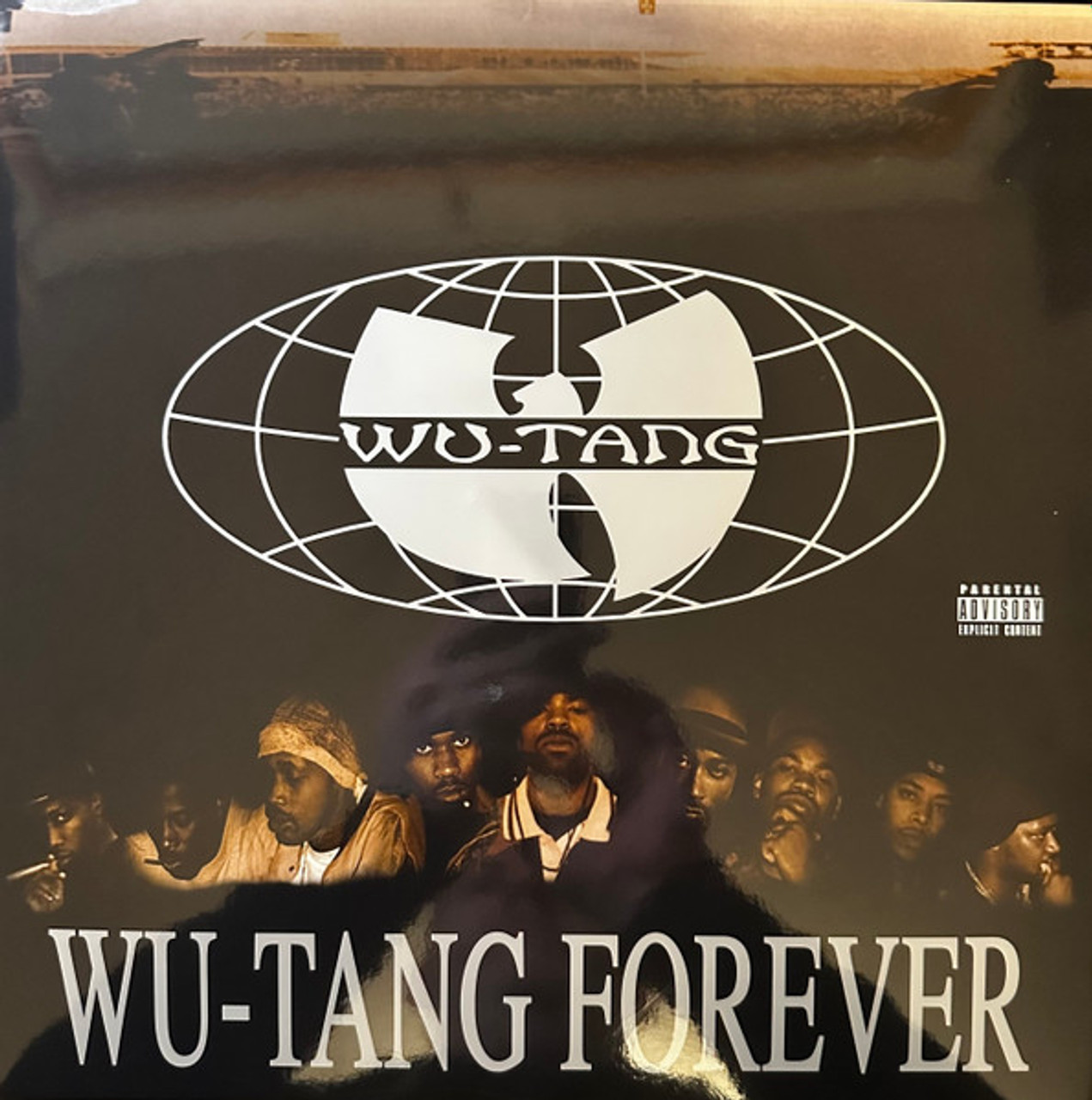
Wu-Tang Clan – Wu-Tang Forever (June 3,1997)

Once Upon a time in 1993, a group of lyrical ninjas descended on the hip-hop world, firing lyrical darts into the ears of those who dared to Enter their 36 Chambers. Reigning from Shaolin, the capital of an Island called Staten, the nine-man militia, better known as the Wu-Tang Clan, slowly began attacking the hip-hop world until it surrendered into their clutches by the end of 1994.

The greatness of the Wu lay in the fact that all nine members were individual artists with the ability to form like Voltron and wreak havoc as one. After Enter The Wu-Tang reached platinum success (as of 2025, it’s three times platinum), it was time for the team to shine individually. Meth would strike first in ‘94 with Tical, followed by solo releases from Old Dirty Bastard (Return To The 36 Chambers), Raekwon (Only Built 4 Cuban Linx), and GZA (Liquid Swords) in ‘95, and Ghostface (Ironman) in ‘96 (I’m fully aware that RZA, as part of Gravediggaz, released 6 Feet Deep in August of ’94, but I’m only talking about solo albums, so no need to correct me in the comments, folks). These solo releases would help the legend of Wu-Tang grow as a few would become bonafide classics, and all would earn platinum certifications. But their solo successes couldn’t trump the synergy the collective generated with Enter The Wu-Tang. Wu-Tron would reassemble, releasing Wu-Tang Forever in June or ‘97.

Following the path that All Eyez On Me and Life After Death lay before it, Forever would be a double album featuring twenty-seven tracks. Naturally, RZA would be responsible for the bulk of the album’s production, occasionally letting 4th Disciple, True Master, and Inspectah Deck contribute to the project’s soundscape. The album was instantly praised by critics and fans alike. It would sell more than two million units, and since it’s a double album, that’s four times platinum, but y’all already know how I feel about that numbers game.

I haven’t listened to Forever in, um, forever, but I’m looking forward to this revisit. For shits and giggles, I’ll keep a running tally of all the aliases Method Man uses on the album.

Without further ado, let’s jump into it.

Wu-Revolution – Poppa Wu picks up where he left off on “Black Jesus” and “All That I Got Is You”(Ironman), spewing Five Percent teachings and all kinds of other randomness over a subdued and very uneventful RZA production. Uncle Pete joins Poppa Wu and sounds like an old uncle attempting to croon adlibs behind Poppa’s rambling soliloquy. Unc’s performance is embarrassingly bad but simultaneously extremely amusing (his gravelly, poor man’s James Brown tone screaming “Malcolm X!” was the part that had me dying). An uncredited female vocalist adds a little feminine touch to some of Unc’s adlibs, but if you sneeze at the wrong time, you’ll miss her contribution. As amusing as this intro was, its absence from the album wouldn’t be missed.

Reunited – GZA, ODB, RZA, and Meth get their Peaches & Herb on for the album’s first real song. All four emcees sound refreshed and locked in as they shine as bright as the elegant classical violin play underneath their vocals. The strings are accompanied by RZA’s rugged drums, and Roxanne (who might be the same female voice adlibbing on the opening track) adds a simple but potent lyric to the hook. Since the record is titled “Reunited,” it would have been nice to hear the whole team on it, but as is, it’s a great track that has aged very well. Meth begins his alias count: Iron Lung (1) and Twisted Metal (2).

For Heavens Sake – Inspectah Deck, Masta Killa, and Cappadonna wage war against RZA’s horror movie-ready instrumental. If the eerie chords and the possessed strings that come in during the hook weren’t chilling enough, the tempo change halfway into the refrain sounds downright spooky, and I loved every second of it.

Cash Still Rules/Scary Hours – Raekwon spins one of his signature hard-to-follow street chronicles, and Meth (recycling his Iron Lung alias) sounds razor sharp, but it’s Ghostface who bodies 4th Disciple’s light-in-the-ass beat and out raps his Wu bredrin.

Visionz – Meth issues one thousand lashes to those who walk into his “dead zone,” while Rae’s out to cleanse the game with his pussy Massengill rap. Masta Killa slaps up the comp with Allah’s mathematics, then Inspectah Deck transforms into the “mind arson” and gets wild like mechanical bulls. Ghostface, starring as Thurston Howell III, plays the closer and gets off another entertainingly erratic verse: “Coconut juice, walnut colored shoe, ninth annual, Moses lost his sandal, hiding the manual, blowing evangel, buggin’ off of Bon Jovi hits, Grandma Lowvey’s famous murder weapon was a trophy.” Inspectah Deck scores the track with dark chords and brilliantly ominous keys, and Meth adds a couple more to his alias count: Tical (3) and Meth Candyman (4).

As High As Wu-Tang Get – RZA hooks up a conservative offspring of his work on “Liquid Swords.” GZA and Meth’s raps and ODB’s colorful and catchy hook help loosen up the backdrop’s tie, turning this into a funky little album cut. Add another one to Meth’s alias list: John John (5).

Severe Punishment – After a Kung-Fu movie snippet plays, U-God, GZA, Raekwon, RZA, and Masta Killa spar over a bland RZA-produced backdrop, followed by karate kicks and more Kung-Fu flick soundbites. Other than Masta Killa’s “fiend for the capo regimes of the Wu-Tang Academy, to fuck up your anatomy, with assault and battery” line, everything else about this record was mediocre.

Older Gods – Ghost, Rae, and GZA team up for this one, and surprisingly, none of their rhymes moved me. The drab drums and puny piano chords didn’t help matters, either.

Maria – Wu-Tang is always good for a little misogyny music, and we get our first dosage of the evening with this record. ODB takes two stabs at it (verses one and three) and lives up to every ounce of the Dirty in his acronym. Cappadonna bats second and spits an intriguing verse of infatuation that includes some questionable bars about the object of his erection (“You walked by smelling like watermelon, you might make me a felon, my eyes balls swellin’, my nuts start yellin’”). RZA finishes this X-rated affair with a vivid tale about a promiscuous and very seductive Maria. The slightly demented string loop and pulsating drums work well with the threesome’s debauchery. This one ends with another Kung-Fu movie snippet to set up the next song.

A Better Tomorrow – This song would later be the muse for the title of Wu-Tang’s sixth group album. Over sorrowful strings and piano taps, Inspectah Deck, Masta Killa, U-God, RZA, and Meth speak on the troubles in the inner cities across America, with a hook aimed to change the minds and actions of the hood inhabitants, so their kids can do and be better. All parties involved deliver, but it’s Meth who spits one of the most substantive verses of the whole album. This is easily one of my favorite records on Forever and proof that Wu-Tang is for the kids. Sometimes.

It’s Yourz – RZA brings back the horrorcore vibes from early in the sequencing with a diabolical organ loop placed over head noddable drums for Rae, U-God, himself, Rebel INS, and Ghost to clutch the globe and motivate the listener to do the same. It’s not a spectacular record, but a decent way to end disc one of Forever.

Intro – Disc Two of Wu-Tang Forever begins with shimmering cymbals, wavering vibraphone chords, and RZA venting about the current state of hip-hop. GZA adds a couple of words to the rant as well.

Triumph – This is the only record on Wu-Tang Forever, and the first record in their catalog to this point, that features all nine clan members (Cappadonna also jumps on it). RZA unleashes rigid violins to wage war against each member, while angelic chords, a soulful chipmunked female voice, and ODB periodically drop in to celebrate each emcee’s victory. It’s a great record that will forever be remembered as the time Rebel INS “bombed atomically” and outrapped his entire crew. Meth also adds to his alias count: He reuses Iron Lung and adds Ghost Rider to the list (6).

Impossible – RZA opens this one up with a few words, while 4th Disciple’s unsettling backdrop makes you feel like something terrible is on the verge of happening. Tekitha adds to the anxious dramatics with soulful opera-style singing during the intro, between the verses, and at the track’s end. RZA spits an exceptional verse filled with theories on the earth’s creation, societal ills, and conspiracy, and U-God adds on, warning the listener to prepare before “the fuckin’ Illuminati hit.” But Ghostface steals the show with a brilliantly vivid verse about watching his homeboy Jamie die in his arms (so brilliant that I’ve forgiven him for his mispronunciation of “photogenic”). The track ends with Raekwon giving a quick PSA on gun violence. This may be an unpopular opinion, but I think Ghost’s verse on this record trumps Inspectah Deck’s verse on “Triumph” for best verse on Wu-Tang Forever. Feel free to agree or disagree with me in the comments.

Little Ghetto Boys – This one begins with a skit that finds the Clan in conflict with the po-po. Then, the soulfully warm voice of Donny Hathaway, along with Middle Eastern-flavored flutes and exuberant drums, set the musical tone for Rae and Cappadonna to rhyme. In his own roundabout way, Rae sticks to the subject at hand, while Cappa completely abandons the topic, going into full-blown battle mode, easily outrapping the chef on this track.

Deadly Melody – RZA brings the energy down with this instrumental, giving the listeners a chance to gather themselves after the emotional ride the previous two tracks took us on. Masta Killa, U-God, RZA, Meth, GZA, Ghostface, and Meth’s mans, Street Life, take turns verbally punching the understated backdrop. Meth adds two more aliases to the list: Mr. Mef (7) and my personal favorite, Hot Nickels (8).

The City – The emotional rollercoaster continues. A quick verbal exchange takes place, followed by gunfire and a brief mele. Then, 4th Disciple makes weeping violin strings dance over a depressed bass line and inconspicuous drums for Inspectah Deck’s solo street commentary. It’s not as strong a record as “Better Tomorrow,” “Impossible,” or “Little Ghetto Boys,” but still a solid effort.

The Projects – The track begins with a quick phone conversation between Rae and Shyheim. Then Rae and Meth discuss the antics and criminal side of life in the projects, respectively. Ghost uses the final verse to describe a sexual encounter with a project chick, and in true Ghostface fashion, he keeps it blunt and graphic. I like RZA’s dazed piano loop and the quirky buzzing sound in the instrumental. Meth adds Johnny Dangerous to his alias count (9).

Bells Of War – This is easily my favorite instrumental on Wu-Tang Forever and one of the dopest song titles in Wu’s lengthy catalog. RZA places soft but sneaky bells in between U-God, Meth, his, Masta Killa, and Ghostface’s verses and unleashes beautifully tender strings that sound like they morph into organ chords by the end of the track. Ghost and Rae randomly get into a little boxing commentary right in the middle of the song, which I found hilarious, and it made me think of how entertaining it would be to hear these two host their own sports podcast. Meth adds two more aliases to the list: Johnny B. Good (10) and Meth-Tical (11).

The M.G.M. – Rae and Ghost return to the boxing conversation they so rudely interrupted the dopest instrumental of the album with on the previous track. The duo share the specifics of the September 10, 1994 fight between Julio Cesar Chavez and Pernell Whitaker, held at the MGM Grand Hotel and Casino in Las Vegas, hence the song title (shoutout to Chante Moore, one of the most underappreciated beauties of the nineties). I found True Master’s backdrop more appealing than Rae and Ghost’s recap of the star-studded event.

Dog Shit – ODB becomes the second recipient of a solo joint on Wu-Tang Forever, and I’m always down to hear Old Dirty wild-out. RZA provides a brilliantly bizarre screeching string-laden backdrop that winds up being the perfect match for ODB’s outrageous misogyny. The track ends with some unidentified dude snappin’, aka roasting his homies, and it’s funny as hell.

Duck Seazon – RZA takes Rae, himself, and Meth through the gutter via slivering bells with a splash of suspense. Even though Rae gets two cracks at the beat (and RZA makes a ballsy and memorable reference to Loud Records co-founder and CEO Steve Rifkin and then Tommy Boy Records President Monica Lynch), Meth metamorphoses into a snake and out raps both his counterparts (I’m still trying to make sense of his Tempestt Bledsoe line. Did he have beef with her? Did Vanessa Huxtable do porn after her Cosby days?). Add one more to Meth’s alias count: Ticalon (12).

Hellz Wind Staff – Signature Wu Kung-Fu movie snippets and kicks accompany True Life, Ghost, Inspectah Deck, Meth, RZA, and Rae through this exhilarating Wu experience. Meth also gives us his final alias of the night: Johnny Unitas (13).

Heaterz – Based on True Master’s instrumental, this song has the right title. The gully orchestra break paired with the soulful female voice was straight fire. Raekwon, Rebel INS, ODB, and U-God sound solid rapping over it, but Cappa delivers another show-stealing performance (one of these days, I gotta dive into his solo catalog). The track ends with a conversation skit featuring Killarmy and Wu-affiliate Dom Pachino and Tekitha, which sets up the next record.

Black Shampoo – U-God gets the third dolo record of the night, and he’s in the mood for love, showering his lady with lots of affection throughout one extended poetical verse. And, of course, Meth tries to ruin Golden Arms’ romantic rhetoric with a little male chauvinism at the end of the record.

Second Coming – A short skit plays to set up the next record, a solo joint that Wu graciously grants to Tekitha. RZA gives her an instrumental full of despair, and she gets into her theatrical bag, painting the world and hip-hop as hopeless spaces in need of a savior. Then, “The Wu-Tang sign appears in the sky,” and they fill the world and hip-hop’s voids with Wu-Tang Forever. It’s a bit dramatic, but I enjoy Tekitha’s singing. This would have made more sense as the intro on disc one.

The ClosingWu-Tang Forever ends with a Raekwon rambling, which is always entertaining (I’m still amused by the part when he says, “Them niggas is really, really, really, really, really, thinking it’s their shit”), punctuated by a random helicopter flying over. I have two questions: What the hell was the meaning of the helicopter, and how many of you took Rae’s advice and bought a uniform when you purchased Wu-Tang Forever?

I’m a strong proponent that less is more, and I would gladly take quality over quantity, which is why I will always be pessimistic when it comes to double album releases. Through the years, many have tried to pull off this feat. Kendrick Lamar (Mr. Morale & The Big Steppers), Jay-Z (Blueprint 2), Nas (Streets Disciple), Outkast (Speakerboxxx/The Love Below), Bone Thugs-N-Harmony (The Art Of War), and, as I mentioned during the intro, Pac (All Eyez On Me) and Biggie (Life After Death). Some of these bloated projects fared better than others, but all included excess blubber that could have been trimmed off and disregarded. Wu-Tang Forever almost becomes the exception to that rule.

The time in between Enter The Wu-Tang and Forever served the whole team well. Most of the main characters (RZA, GZA, Method Man, ODB, Raekwon, Ghostface, and Inspectah Deck) had the opportunity to hone their skills on cameo appearances and solo projects during the in-between time, as they all sound more polished on the mic than they did on the Wu debut. Even Masta Killa and U-God (who felt like extras on Enter The Wu-Tang) find their voices on Forever. While collectively, all nine emcees sound sharper this go round, Method Man (and all thirteen of his aliases) and Ghostface Killah are the undeniable standouts on Forever, delivering the most entertaining verses on the album. Cappadonna also makes a lasting impression with his handful of guest appearances, making a strong argument for why he should be the official tenth member of Wu.

RZA and his production understudies lean heavily on string samples and interpolations on Forever, giving the album a more refined feel than any of the previous Wu albums, but it still maintains the rugged and raw elements that defined the Wu-Tang sound through the years. I enjoyed most of the production, but when it’s churned at this capacity (twenty-seven tracks), you’re bound to miss at least a few times, and they do.

More so than a solo artist, a double album makes sense for a group as large as Wu-Tang Clan. It allows space for each emcee to display their unique style and distinct personality. But even a talented super group like the Wu can’t completely justify a twenty-seven-track album. There are a few instrumentals that fall flat (mostly on disc one), some lyrical redundancy, and a few meaningless ramblings that slow the album’s momentum at times, but the number of great joints far outweighs those moments. At twenty-two tracks, Forever might have been perfection. As is, it’s pretty damn close.

-Deedub
Follow me on Instagram @damontimeisillmatic
Posted in Uncategorized | Tagged , , , , | Leave a comment

Jungle Brothers – Raw Deluxe (June 3, 1997)

If you’re a faithful reader of TimeIsIllmatic, you’re already fully aware of my deep admiration for the Native Tongue collective. From the ladies: Queen Latifah, Monie Love, Shortie No Mas, and the beautiful Ms. Vinia Mojica (if you don’t know who she is, do the knowledge aka Google her). To the fellas: Leaders Of The New School, Black Sheep, the legendary De La Soul, and my favorite hip-hop group of all time, Rock-N-Roll Hall of Famers, A Tribe Called Quest. The Native Tongue has had a big influence on my musical taste, and I’d go as far as to say their music has made a lasting impression on my life. Oh yeah. I couldn’t finish this paragraph without mentioning the patriarchs of the movement. Jungle Brothers.

As much as I adore the Native Tongue collective, I have never been fond of the founders, Jungle Brothers. Plain and simple, their music has never appealed to me. Before starting this blog, I was only familiar with a couple of their singles and their cameo on De La’s classic joint, “Buddy.” I loved “Buddy” (the song and the act) and the extended collective remix, but that love really had nothing to do with the JBs’ contribution to the record. I eventually bought and listened to their first three albums, Straight Out The Jungle, Done By The Forces Of Nature, and J Beez Wit The Remedy. I wasn’t impressed by any of them. They all had a few bright moments, but ultimately, Afrika, Mike Gee, and Sammy B’s rhymes were underwhelming, and their production didn’t pack a potent enough punch to win me over. But when I follow an artist’s catalog, I see it through to the end. In cases like the Jungle Brothers, who didn’t woo me with their first three joints, I don’t necessarily search for the rest of the catalog, but if it finds me during a random search through the used bins and the price is right, I’ll continue my trip through their musical journey. So, when the JB’s fourth release, Raw Deluxe showed up for the low price of one dollar, I had to add it to my collection.

After releasing their previous two albums on Warner Bros., Raw Deluxe would begin the JBs’ new relationship with the London-based label Gee Street (also once the home to PM Dawn and Gravediggaz). This relationship would last as many albums as their stent with Warner Bros. (two). Like their previous three albums, Jungle Brothers would keep most of the production in-house, only occasionally asking for outside help. Raw Deluxe would peak at thirty-seven on the Billboard Top R&B/Hip-Hop Albums Charts and received poor reviews from the critics.

Raw Deluxe is another first listen for me, and I can’t say I’m excited to go into this deep dive. But for the sake of Native Tongue, I will get through it.

Jungle Brother (True Blue) – The JBs loop up, distort, and bass out the opening frame of The O’Jays “Family Reunion” for the opening track’s instrumental. Mike Gee, Afrika, and Sammy B sound like mature hip-hop veterans, sharing their insight on life, hip-hop, and everything else that comes with being a Jungle Brother in urban North America. This is grown-man hip-hop, and I enjoyed every second of this record.

Changes – Our hosts discuss the inevitable fate of change, which we all will have to deal with at some point: (Mike Gee) “Schooling when we’re all live performing/keep the cats all roaring/throughout the towns that we’re touring/comps that once stood are now heading for the door and/don’t want to see you no more, no more/first I’m hot then cold, first I’m new than old/but still pull out the mic and make the jam explode.” The trio’s rhymes were cool, but I really dug the uber-chill, rainy-day vibes in the instrumental. The liner notes don’t say, but is Vinia Mojica singing the hook?

Black Man On Track – The JBs use this one to speak on staying true to themselves in hip-hop and everyday life: (Afrika) “X-files, I check styles/wreck rappers for miles/detect conspiracies to clear me out the industry files/and it goes deeper/when the world starts to treat you like an obsolete creature/and expect you to come back perpetrating the main feature.” The lively instrumental matches the fellas’ message, and the ill horn break is dripping with perseverance and integrity.

Toe To Toe – Afrika and Mike Gee take turns talking their shit over a vanilla mid-tempo backdrop. This sounds like a leftover from the J. Beez Wit The Remedy sessions and the kind of mediocrity that has placed the JBs so low on my Native Tongue totem pole.

Moving Along – Despite the distractions of shady people and the corrupted music industry, our hosts vow to keep pressing forward. Nice message and I dug the soothingly soulful mid-tempo groove.

Gettin Money – As the song title suggests, Mike Gee and Afrika discuss…I don’t think I need to finish that sentence. Mike approaches the topic from more of a necessity point of view, while Afrika sounds more like some of their flamboyant younger contemporaries with lines like “Money quench my thirst like Dr. Pepper soda” and “People acting shitty when they see me counting fifties.” Their rhymes weren’t riveting, but I was entertained by the dreamy Quincy Jones loop the instrumental was built around. Rest in peace to the legend.

Where You Wanna Go – Love is in the air over this laidback, bluesy jazz instrumental that finds Afrika and Mike Gee sounding like teenagers freshly in love (so much in love they forgot to put the question mark at the end of the song title). It was nice to hear the lovebirds express their affection without making a bunch of cliche physical/sexual references.

Brain – I believe this was the lead single from Deluxe Raw that I completely forgot existed until this review. The Roots break the JB’s off with one of their signature mid-nineties neo-hip-hop soul grooves that Mike Gee, Afrika, and Sammy B use to attempt to explain some of the funky shit that goes on inside their brains. It would have been nice to hear Black Thought (who adds additional verbal additives to the hook) spit a verse over this smooth backdrop that was custom-made for his flow, but even without a sixteen from the top-tier emcee, this was dope and has aged very well. By the way, the chord progression during Sammy B’s verse was insanely fire.

Handle My Business – As men, we must all handle our B.I. The JBs wrote a song about it. You wanna hear it? Here it goes. By the way, I love the shimmering piano loop used in the backdrop.

How Ya Want It We Got It (Native Tongues Remix) – Afrika and Mike Gee invite Posdnuous, Trugoy, and Q-Tip (Tribe Degrees of Separation: check) to join them on the mic, turning this into a Native Tongue cipher session. All five emcees sound lively and attentive, and while Mike Gee gets off the cleverest line of the entire song (“Don’t front, now I’mma play you like the government and give ya what I think ya want”), it’s Trugoy who sounds looser than usual and outshines his NT bredren. The instrumental is a little dry for my taste buds, but I enjoyed the fun energy exuded by the reunited collective. My only wish is that Phife would have been on the record (continue to rest in peace, Phife and Trugoy). By the way, did they ever release the original mix of this record?

Bring It On – The JB’s resort back to the experimental shit that plagued J Beez Wit The Remedy. Maybe they were going for an Onyx-style mosh pit-type record. Regardless, this was not good.

Jungle Brother (Stereo MC’s Mix) – I prefer the original mix, but I love the grandiose sound of the instrumentation, which is fitting for the album’s grand finale.

I mentioned in the opening of this post that I wasn’t looking forward to this review. While I respect what the Jungle Brothers stand for and essentially created (my favorite hip-hop collective and group of all time), their music never appealed to me. Even after going back and deep-diving into their first three albums, decades after their release, I still was unimpressed. Then I discovered Raw Deluxe.

Raw Deluxe could be the poster child for adult contemporary hip-hop music, and that’s not a dis. Afrika, Mike Gee, and Sammy B keep most of the album’s content on some grown-man shit, discussing love, the ups and downs of life and the music industry, and surviving it all with a slightly jaded but optimistic outlook. Unlike some other seasoned veterans, the JBs don’t try to sound like their younger contemporaries who came up during that era. Instead, they embrace their age, best shown when they use the ancient eighties lingo, cold chillin’, on the hook of “Black Man On Track.” None of the Jungle Brothers are top-notch lyricists, and they never get too complex with the bars on Raw Deluxe, but there’s a sage-like profoundness in their simplicity.

The inconsistent production on the Jungle Brothers’ previous albums was an issue to my ears. On Raw Deluxe, the trio builds a consistently quality collection of musical canvases around savvy soul samples and delectable warm jazzy loops, which helps their words of wisdom stand out more in the crowd. The JBs fall short on a few records, but most of Raw Deluxe is competent bars entangled with delightful hip-hop beats, and what more could one ask for from a hip-hop album?

We’ve all heard the old saying “three times a charm.” or “three is the magic number,” but you rarely hear about the power of four. Since prehistoric times, the number four has represented what is solid or a strong foundation, which is a fitting analogy for the Jungle Brothers’ anthology. Not only was I able to make it through Raw Deluxe, but I thoroughly enjoyed the album. Hopefully, the “homegrown sound” they concocted on Raw Deluxe carries over to the rest of their catalog. But if not, I’ll cherish the lightning the trio captures in a bottle.

-Deedub
Follow me on Instagram @damontimeisillmatic
Posted in Uncategorized | Tagged , , , , , | 4 Comments

Chubb Rock – The Mind (May 27, 1997)

I have a list of rappers that I believe are underrated or underappreciated, and Chubb Rock is one of the latest that I’ve added to that growing list. As I stated during my previous few Chubb Rock reviews, it’s not that I was completely ignorant of his music. I rocked with his singles (no pun) and enjoyed the handful of cameos he made on other artists’ records in the nineties, but before 2016, I had never listened to an entire Chubb Rock album. I bought a used copy of I Gotta Get Mine Yo! sometime in the early 2000s, and in 2016, I found a CD copy of And The Winner Is. Neither album was spectacular, but Chubb Rock gave me enough on the albums to gain a newfound respect and appreciation for his lyricism. It also put me on a mission to track down the rest of his catalog, which is why we’re here today.

The Mind is Chubb Rock’s fifth album and his second consecutive release without the production help of his longtime partner, Hitman Howie Tee. This time around, Mr. Rock calls on KRS-One, Easy Mo Bee, Frank Nitty, Elliott Ness, Nick Wiz, Rob Swinga, Domingo, and a few more names that I don’t feel like listing. Just know there were a lot of hands that helped shape the sound of The Mind.

I didn’t even know that The Mind existed until a couple of years ago when I saw a three-dollar used CD copy staring at me from the bargain bins at a spot I frequent. I’m excited to listen, and hopefully, it fares better than the other two albums.

Reputation – Chubb kicks things off with assistance from KRS-One as the two emcees talk their shit over the Teacher’s rugged instrumental. Chubb flexes a rougher vocal tone than usual, which works with the backdrop, and Kris does a little of his signature chanting before he gets into Blastmaster mode. The track feels more like a KRS-One vibe, but Chubb still pulls his own weight on it (no pun).

I Am What I Am – Chubb uses Easy Mo Bee’s sinister audio canvas to rap from God’s perspective, through his point of view, of course: “I live in the souls of men, and women, and pilgrims and children who wiggle to the rhythm/ Just go, the people have corrupted themselves/ They toke the devil’s smoke, puffing their Ls/I’ll send my only son down to bless you, and observe how you know him, and that will test you.” This was a cool concept, and Chubb made it sound intriguing.

Beef – Das EFX and PMD join Mr. Rock as the group has a round table discussion about hip-hop beef and how it evolved from innocent verbal wars to full-blown murder, which makes for a fitting conversation on the heels of the Tupac and Biggie tragedies. Frank Nitty slides the team a slick instrumental that slivers abundantly and magnificently. All parties involved deliver adequate performances, but Chubb’s wit is on full display during the song’s closing verse (I love how Chubb playfully addresses a beef one of his guests on the record was involved in).

Life – Chubb gives a short bio about his childhood and entrance into the rap game, while his then-label mate, Billy Lawrence, fills in the hook with a solemn revamp of the refrain from Diana Ross’s “Theme From Mahogany.” The hook and instrumental sound too sad for Chubb’s content, but it’s still a decent record.

The Mind – The title track fittingly finds Chubb Rock’s cerebral artistry on display with a well-played vocal clip from another intellectual emcee and Chubb’s fellow Crooklyn Dodger alum, Jeru The Damaja, on the hook. I like Chubb’s brainy content, but Nick Wiz’s flip of Bob James’ “Nautilus” (a hip-hop staple) is stale as a four-month-old loaf of bread that someone forgot to twist-tie the bag close.

The Man – Elliott Ness samples Alexander O’Neal’s “Sunshine” to create an R&B-stained groove for our host to speak to the ladies about men. Even though his message is for the ladies, men could learn a lot from his lessons (I’m sure some women would refer to Chubb’s oration as mansplaining, but whatever). The catchy singing on the hook and the instrumental reminded me of “Brenda’s Got A Baby.” All in all, I enjoyed this record.

Games We Play – Easy Mo’s instrumental sounds like the sedated version of Craig Mack’s “When God Comes,” which he also produced. Chubb’s “dad reprimanded his bad ass kid” vocal tone and well-thought-out rhymes complement the grim production well.

I Will Survive – Mr. Rock reflects, boasts, and shows appreciation for the decade-long rap career he’s cultivated. I literally chuckle every time I hear Chubb’s Charles “Rock” Dutton kick line, and how many rappers can you name that refer to their catalog as an anthology? The rhymes were solid, but even if they were not, you can’t go wrong when sampling Roy Ayers’ “Searching” for the instrumental.

Don’t Sleep – Elliott Ness continues with his eighties R&B-themed backdrops. This time, he feeds Chubb Rock an S.O.S. Band-assisted instrumental (the song title and the hook come from the same record) that our host takes to task, handcuffing it and beating it into submission. I’m fully awake now. This was fire.

East Vs West (Remix) – This is kind of a continuation of “Beef” from earlier in the sequencing, but this time, Chubb tackles the subject with no assistance, specifically addressing the so-called coastal feud. The original mix (which is not included on The Mind) used the same Ahmad Jamal sample that Premo used for Fat Joe’s “The Shit Is Real.” The Domingo-produced remix comes with energetic, ominous vibes that I thoroughly enjoyed, and it sounds better with Chubb’s content than the original instrumental. Despite the awkward “you’re still a nigga” rant toward the end of the third verse, this was dope.

Clear The Decks – Chubb’s rhymes remain sharp, while the chimes and horns woven through the instrumental sound pretty but a little boring.

Mr. Rock – Chubb does a little reminiscing about his journey through this “roguish genre” and touches on how it’s changed for the worse through the years. He also shouts out some of his contemporaries that inspired him, which includes A Tribe Called Quest (Tribe Degrees of Separation: check)). Al B. Sure joins in on Chubb’s recollection by singing the hook, and he sounds horrendous. Rob Swinga’s somberly melodic instrumental works well with Chubb’s trip down memory lane.

Party Right – Chubb continues with the nostalgic theme from the previous record. This time, he’s looking back at the party scene of yesteryear, when you didn’t have to “Roll ten deep ‘cause kids get ill after eleven.” Rob Swinga and Swanny D soundtrack the affair with an interpolation of Cheryl Lynn’s “Shake It Up Tonight,” with Kya singing on the hook. This was a fun, upbeat way to close out the album.

The Mind is essentially Chubb Rock’s swan song. He would re-emerge in the mid-two-thousand with a mixtape and a couple of independent collaborative projects, but let’s be honest. No one was checking for Chubb Rock by then. And if you were one of the few, it was strictly out of loyalty. Ironically, not many were checking for Chubb Rock in ‘97, which is a shame because he was still in his prime.

The Mind is a fitting title for Chubb Rock’s fifth LP. Throughout the album’s thirteen tracks, he puts that prestigious Brown University education to work, filling each track with cerebral rhymes and well-timed wit, delivered in his stern baritone vocal tone. The Mind doesn’t have Chubb’s signature singles that featured his backup dancer, Hotdog, going crazy in the videos. But his shrewd bars paired with the overall quality production make it a much more consistent and enjoyable listen than And The Winner Is and I Got To Get Mine Yo!

Maybe Chubb Rock’s underrating is due to his intellectual rhyming style, which may be too meaty for the average hip-hop fan to grasp or appreciate. On “Clear The Deck,” Chubb raps: “My cerebrum tends to gas then leave ’em.” Chubb might just be talking shit, but many a true word is spoken in jest.

-Deedub
Follow me on Instagram @damontimeisillmatic

Posted in Uncategorized | 1 Comment

KRS-One – I Got Next (May 20, 1997)

Once upon a time, during the early stages of the new millennium (2005-06ish), a friend and I went to a hip-hop show at a nightclub in downtown Minneapolis. It was a small venue, maybe a thousand people, but the place was filled to capacity. Standing room only. The show began with a handful of local artists opening up for the main attraction. Rapper after rapper spit muffled rhymes as they amateurishly cuffed the mic and struggled to maintain breath control. The soundman was just as responsible for the show’s poor sonic quality as he struggled to properly maintain the balance between the music and the microphone levels. After an hour and a half of this debacle, a hero came to the stage. He didn’t wear a cape, tights, knee-high boots, or have an emblem stretched across his shirt. Just fresh b-boy attire. Oh, his name. KRS-One.

Immediately, he took control of the stage, demanding excellence. He checked his mic and the soundman until the acoustics were perfected. Then, The Blastmaster commenced to tear shit down, leaving me and the rest of the crowd mesmerized for the next forty-five minutes with his upper-echelon display of emceeing. He performed classics from the BDP era and joints from his solo albums: Return Of The Boom Bap, KRS-One, Sneak Attack, and the subject of this post, I Got Next.

After years of being the main cog behind the production known as Boogie Down, KRS-One began to relinquish more and more of the production duties when he went solo. That trend continues on I Got Next as he handles half of the album, bringing in Showbiz, DJ Muggs, Jesse West, Commissioner Gordon, and Domingo to handle the rest. I Got Next would climb to number three on the Billboard 200 and earned KRS-One his first gold plaque since ending the BDP module. The album would also be his last release on Jive, ending his decade-long relationship with the label.

It’s been a while since I listened to I Got Next, but if my memory serves me correctly, it wasn’t one of his brightest moments. But my memory has deceived me before.

1st Quarter – The CommentaryI Got Next opens with an Alexa-style female voice welcoming the listener to hip-hop culture. And remember: “You are not doing hip-hop. You are hip-hop.”

2nd Quarter – Free Throws – This clip from a live show features KRS-One performing a poem about the rich and the poor and how your state of mind can determine which one you become. It’s a nice little thought appetizer from the Teacher.

The MC – KRS-One sounds like a wise sensei presenting a rhetorically riddled demonstration to his seito on the requirements and virtues of an emcee: “Who am I? (The MC). La-di da-di, I don’t wear Versace, I wear DJs out quickly at the party, who am I? If ya like me, hip-hop is in ya body, who am I? (The MC) When the jam is slow and you need a proceeder, who am I? (The MC) When you need a lyrical leader with oratorical triple features, who am I? (The MC) When you need to rock your three thousand-seat arena, best believe, uh, who am I? (The MC) When you need to get the word on the street with demeanor, who am I? (The MC).” Domingo’s dramatically bleeding string-laden backdrop is the perfect companion to the Blastmaster’s razor-sharp lyrical exhibition. I still love the energy of this record. I’m surprised he didn’t release it as a single.

I Got Next – Neva Hadda Gun – The first half of this features Kris getting off a few rapidly-paced battle bars while bouncing basketballs and chatter linger in the background. Then a short but dreamy deejay scratch session comes on, followed by two more verses from our host, but this time he rhymes over a plane Jane drumbeat. For the second half, Kris uses a raw backdrop and a well-played Chuck D vocal clip to spin a short tale about a rapper who flaunts his wealth and brags about his guns, only to end up paying the price when he gets caught slippin’ weaponless at a red light. I’m not sure why all these pieces were grouped together, but whatever.

Heartbeat – KRS-One pays homage to The Treacherous Three by revamping the instrumental and part of the song title from their 1981 record, “Feel The Heartbeat,” on this one. Angie Martinez and Redman join the tribute as they both get off a verse, along with Kris (Red also hosts the affair with lively adlibs throughout the song). I appreciate the song’s sentiment, but I’d be okay never hearing this song again.

Step Into A World (Rapture’s Delight) – This was released as a single and is hands down the biggest record on I Got Next. Jesse West loops up a snippet from The Mohawks’ “The Champ” that KRS-One uses to completely spaz out on (he also claims not to be obsessed with being number one, even though he mentions it twice during this song). Keva reworks the refrain and melody from Blondie’s “Rapture” for the hook. I never liked this record. Keva’s whiny voice singing those mournful notes is the audio equivalent of chalk scratching a blackboard. Today, I can look past Keva’s dreadful dirge and appreciate what Kris did on record.

A Friend – Showbiz gets his first production credit on the album, sliding Kris an irresistible swinging, jazzed-up groove he uses to rap about the importance of having reliable friends and being one to his own: “We boys, we boys, we can stand on the corner with a hat selling toys, it ain’t about your Benz, I hope it ain’t about mine, my man, I be dissin’ in my freestyle rhyme, gettin’ G’s around the world, I can trust you with my girl, my man, we chillin’ at the jam, what’s the plan? I’m not a yes man, and none of my friends are yes men or women I’m driving, I see my peeps yo, get in, where you fit in, true friends are quick to sit in, the beginning of all trouble, and when your bankroll doubles, Fred Flintstone and Barney Rubble, still I got my own space like Hubble.” This is my favorite track on I Got Next and one of my favorite records in KRS-One’s decorated catalog.

H.I.P.H.O.P. – KRS-One invites a gentleman by the alias of El-Toro (who sounds like a poor man’s Freddie Foxxx) to share the mic on this celebration of our chosen genre as our host transforms from Knowledge Reigns Supreme to Killing Rhyme Sessions. This record sounds harder than I remembered it.

Halftime – Commissioner Gordon provides a smooth bop for KRS-One’s PSA on guns and the mental state of the gun user. I like the message, but I wish he used this dope instrumental for an actual song idea.

3rd Quarter – The Commentary – The computerized female voice from the intro returns to give a quick plug for KRS-One’s Temple of Hip-Hop, which you could join by filling out the registration form in the album’s pull-out panel. If you didn’t do it twenty-five years ago, I don’t recommend you try it now.

Klassicks – DJ Cipher takes the listener down memory lane via a medley of some of KRS-One’s greatest hits.

Blowe – Redman makes his second cameo on I Got Next. This time, he doesn’t rhyme but plays the watcher of KRS-One’s one-man channel-changing television (which is pretty well-orchestrated, I might add). He also proudly plays KRS’ son while assisting with the hook. Kris’ verses were quality, and Showbiz’s instrumental was decent, making for an overall solid record.

The Real Hip-Hop – Part II – Part 1 featured a Showbiz-produced instrumental lined with a dense and playful bassline and a Das EFX cameo. Part II uses a dark mid-tempo backdrop, courtesy of KRS-One, that he spits quality bars over. He also invites Mic Vandalz to take care of the track’s final verse. This song was decent, but I enjoyed its predecessor much more.

Come To Da Party – I’ll decline that invitation. I never need to hear this record again. Or any record Anthony Mills is over-singing on.

Can’t Stop, Won’t Stop – DJ Muggs repays KRS-One the solid he did for him on Soul Assassins with one of his vintage blunted boom-bap slaps. Our host uses the dark and frantic canvas to paint a picture from the eyes of a drug dealer who gets snatched up by the Feds to do some informant work, and things get extra messy from there. It’s not one of my favorite KRS-One storylines, but it’s cool.

Over Ya Head – Kris and Commissioner Gordon invite a whole damn horn section to join in on this one. G. Fontenette on trumpet, Keith Loftis on tenor sax, and Dupor Georges on trombone collectively give the track a soothing touch with their brass and woodwind in between the song’s verses. Meanwhile, a bluesy bass guitar loop does the balk of the musical lifting as Kris goes into teacher mode, giving the listener a quick lecture on a whole bunch of randomness. His “Us must trust us” verse epitomizes talking in circles.

Just To Prove A Point – Mr. Parker sticks with the live instrumentation theme from the previous track. This time, he tries his hand at a rock record. Peter Mengede is on guitar, Edward Nappi is on bass, and Peter Hines is on drums, as they back our host, who spends most of the song screaming about an unfaithful lover or friend, or both. Choose your own adventure. Our host’s wife, G. Simone, and Bervin Harris add their vocals to the hook, making this audio atrocity sound more atrocious.

4th Quarter – Free Throws – Like his previous “Free Throws” session, this clip was taken from one of Kris’ live shows. He spits a verse about how Christianity’s inception comes from astrology over the instrumental from De La Soul’s “The Bizness.” I don’t necessarily agree with Kris’s theory (soon, he wouldn’t agree with it either, as he would release a whole Christian album a few years later (see Spiritual Minded)). I did find it intriguing and appreciate the art of putting it all together.

Step Into A World (Rapture’s Delight) (Remix) – Though not listed in the album’s liner notes, I Got Next ends with this Bad Boy remix of the album’s biggest record. The Hitmen build the backdrop around a clip from The J.B.’s “More Peas” as Kris and Diddy share the mic, exchanging bars. Keva’s back for the remix, and her vocals still sound annoying as shit. I always thought this was a weird pairing: the king of consciousness meets the king of materialism. Random thought: I wonder if Kris ever attended one of Puffy’s freak-offs.

KRS-One is a top ten emcee in my book, and he checks all the major statistical boxes to back it up. With four gold-selling albums under his belt, he’s had commercial success. He has classic singles and albums, all of which speak to his longevity. He’s battle-tested (ask MC Shan or X-Clan), and more importantly, he’s a lyrical monster who could probably still out-rap your favorite rapper even as he approaches sixty years of age. While his GOAT status is undeniable, even legends have off days. Or albums.

KRS-One starts “2nd Quarter: Free Throws,” telling the crowd, “I want to add authenticity to your tape.” Authenticity has never been a problem for the South Bronx emcee. Since “The Bridge Is Over,” KRS-One has been one of the realest ever to grip a mic. He’s never pretended to be gangsta but naturally kept a hardcore sound, mixing consciousness with confidence and a little bit of conceit. KRS-One’s pen is still sharp on I Got Next, but he sounds a little unfocused and insecure about his placement in the game, giving us way more Blastmaster and not enough Teacher. The lack of focus seems to carry over to the production as it doesn’t consistently hit as hard as some of his previous projects, severely feeling like it could use a boost from Premo’s boom-bap.

Ironically, I Got Next would be KRS-One’s last relevant project. It isn’t a bad album. It has some legitimate slaps (see “The MC” and “A Friend”) and some other decent material (and one atrocious experimental moment). But if I were to sum up I Got Next, sticking with KRS-One’s basketball theme, I’d say it’s the equivalent of Jordan’s two seasons with the Washington Wizards.

-Deedub
Follow me on Instagram @damontimeisillmatic

Posted in Uncategorized | 1 Comment